Share
A Welcomed Sight Across Northern Nevada
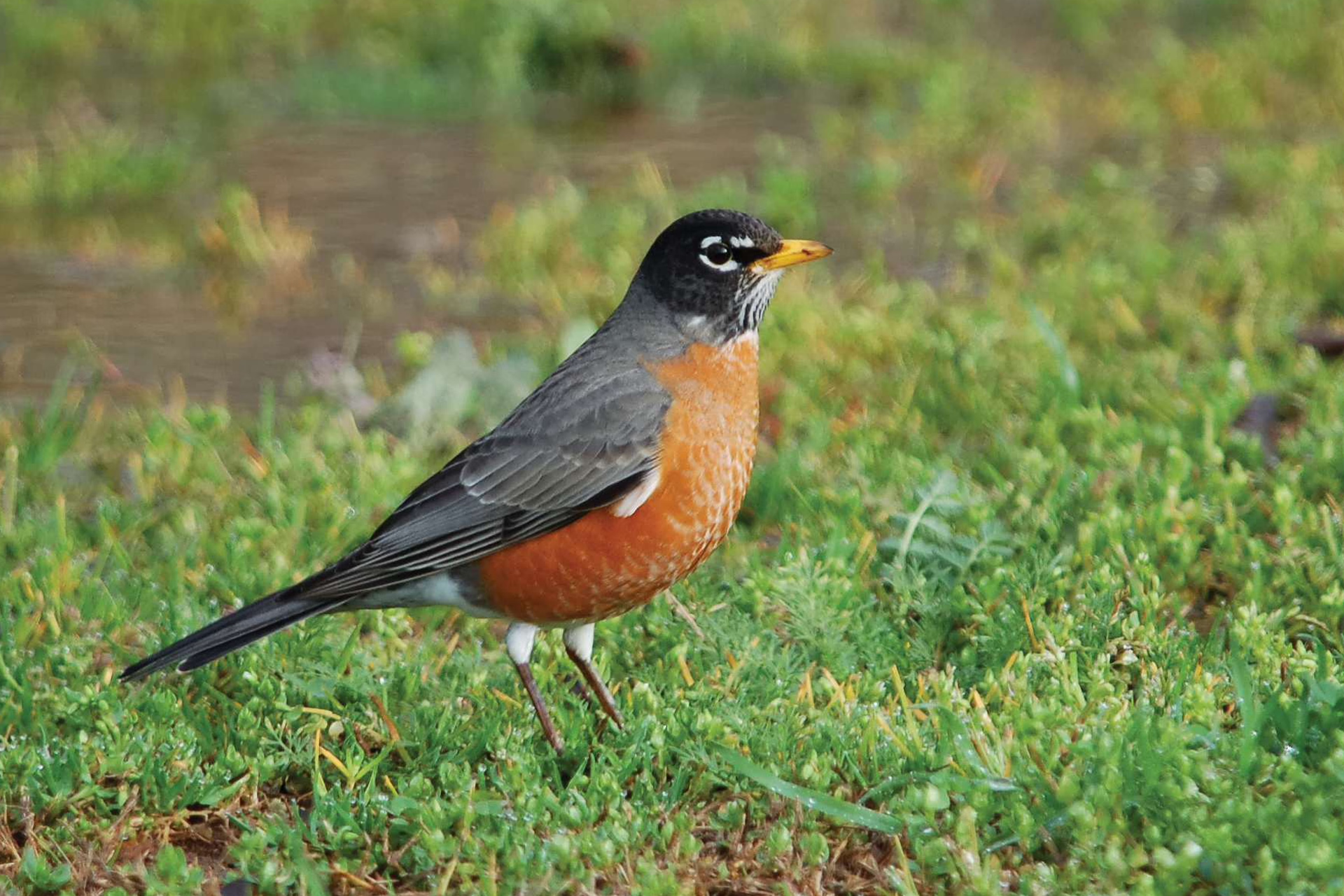
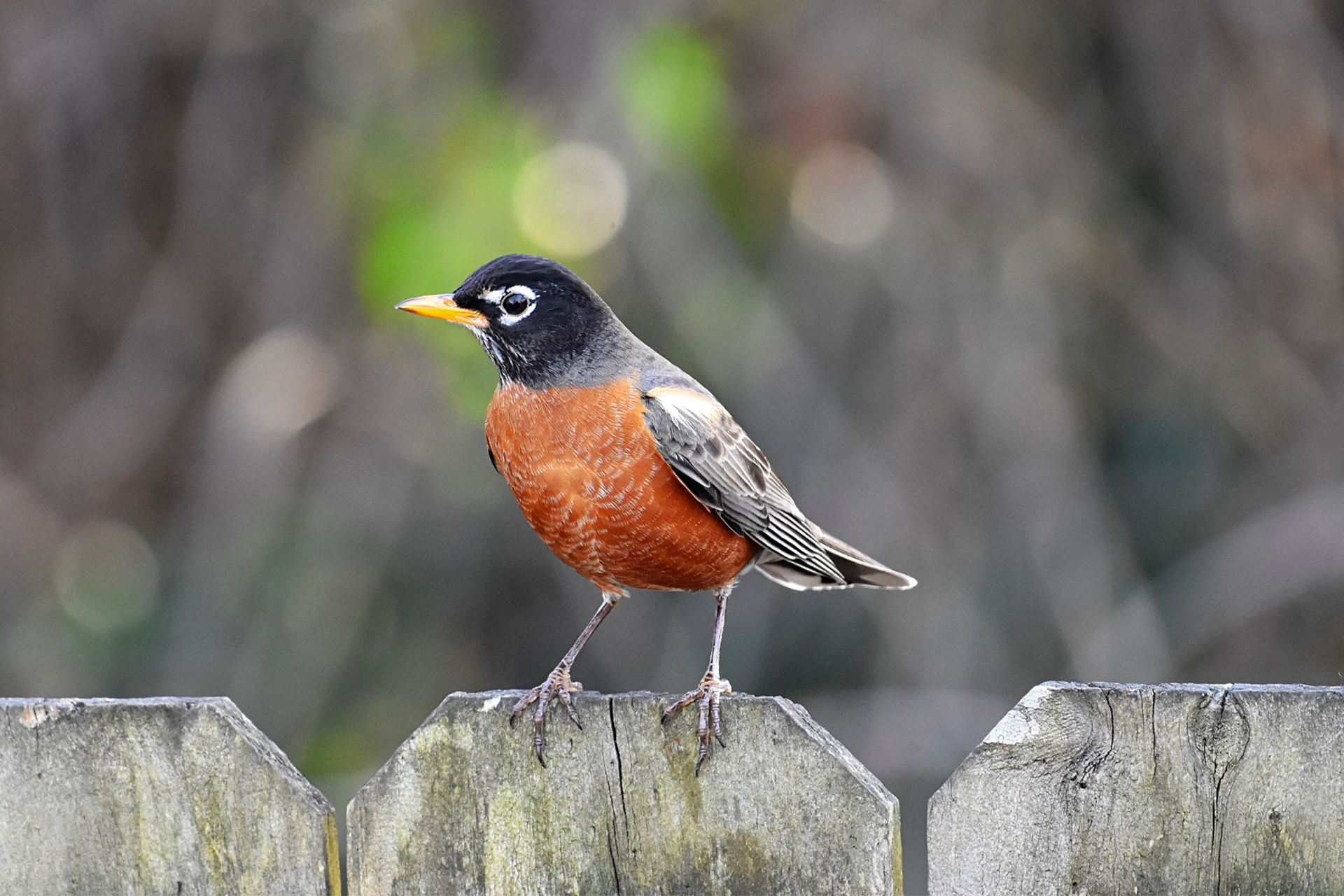
The American Robin (Turdus migratorius) is one of the most recognizable and beloved birds in Northern Nevada. With its warm reddish-orange breast, charcoal-gray back, bright white eye ring, and cheerful personality, the robin is often considered a symbol of spring. However, many residents are surprised to learn that robins can be found in the region year-round, especially in lower elevations where food remains available throughout the colder months.
From the neighborhoods of Reno and Sparks to the open spaces surrounding Carson City and the foothills of the Sierra Nevada, American Robins have adapted remarkably well to both natural habitats and suburban landscapes. Their familiar song is often one of the first sounds heard at sunrise, making them a favorite among birdwatchers and homeowners alike.
Natural Habitat in Northern Nevada
American Robins thrive in a variety of habitats throughout Northern Nevada. They are commonly seen in parks, golf courses, residential neighborhoods, orchards, riparian areas, and open woodlands. They especially favor locations with mature trees for nesting and open grassy areas where they can forage for food.
Unlike many bird species that prefer dense forests, robins appreciate a balance of trees and open ground. This combination allows them to build secure nests while still having easy access to lawns and gardens where they can hunt for insects.
A Diet That Changes with the Seasons
One of the reasons American Robins are so successful is their highly adaptable diet. During spring and summer, they feed primarily on insects and other invertebrates. Earthworms are perhaps their most famous meal, and watching a robin tilt its head before pulling a worm from the ground has fascinated people for generations.
In addition to worms, robins eagerly consume beetles, caterpillars, grasshoppers, spiders, ants, grubs, and various larvae. These protein-rich foods provide the energy needed during nesting season and help growing chicks develop quickly.
As autumn arrives and insect populations decline, robins shift their diet toward fruits and berries. Juniper berries, crabapples, chokecherries, serviceberries, elderberries, mountain ash berries, and many ornamental landscape berries become important food sources. During harsh Northern Nevada winters, berry-producing shrubs can sustain flocks of robins when insects are scarce.
Favorite Foods in Backyard Settings
Homeowners hoping to attract American Robins should understand that these birds rarely visit traditional seed feeders. Tray seed feeders work great to attract Robins to your backyard as they prefer large horizontal surfaces to feed from.
Instead, robins are attracted to natural food sources. Fresh or dried mealworms are especially irresistible and can be offered in shallow feeding trays. They also enjoy chopped apples, blueberries, grapes cut in half, raisins soaked in water, and other fruits. Our No Mess Plus blend contains Bark Butter and fruit to attract Robing to your feeder. Maintaining healthy lawns without excessive pesticide use also encourages earthworms and insects, creating a natural buffet.
Berry-producing shrubs are among the best long-term investments for attracting robins. Native plants that produce seasonal fruit provide both food and shelter throughout the year.
Water Is One of Their Greatest Attractions
Fresh water may be even more important than food when attracting American Robins. These birds love bathing and drinking from shallow birdbaths, particularly during Northern Nevada’s hot, dry summers.
Moving water is especially attractive. A small bubbler, dripper, or fountain can significantly increase robin activity because the sound of flowing water naturally catches their attention. Clean water also helps robins maintain healthy feathers, which are essential for insulation and flight.
During winter, a heated birdbath can become a valuable resource when natural water sources freeze.
What Robins Tend to Avoid
Although adaptable, American Robins do have preferences. They generally avoid areas with heavy pesticide use because insect populations become scarce. Lawns treated with chemical insecticides may appear attractive but often provide very little natural food.
Robins also dislike constant disturbances near nesting sites. Frequent tree trimming, noisy construction, roaming outdoor cats, and repeated human activity close to an active nest may cause nesting failures or encourage birds to relocate.
Dense forests with very little open ground are less appealing because robins prefer areas where they can easily forage on the ground.
Courtship and Pair Bonding
As winter gives way to spring, American Robins begin one of nature’s most charming courtship displays. Male robins establish territories by singing loudly from treetops, rooftops, fences, and utility poles. Their rich, melodious song serves two purposes: attracting females and warning rival males to stay away.
Courtship often includes the male bringing food to the female, chasing displays through trees, puffing out his colorful breast, and gentle interactions that strengthen the pair bond. While robins usually form seasonal monogamous pairs, they often choose new mates in subsequent breeding seasons.
Building the Perfect Nest
Female robins are the primary nest builders, although males may occasionally assist by gathering nesting material. Nest construction usually takes several days and showcases remarkable craftsmanship.
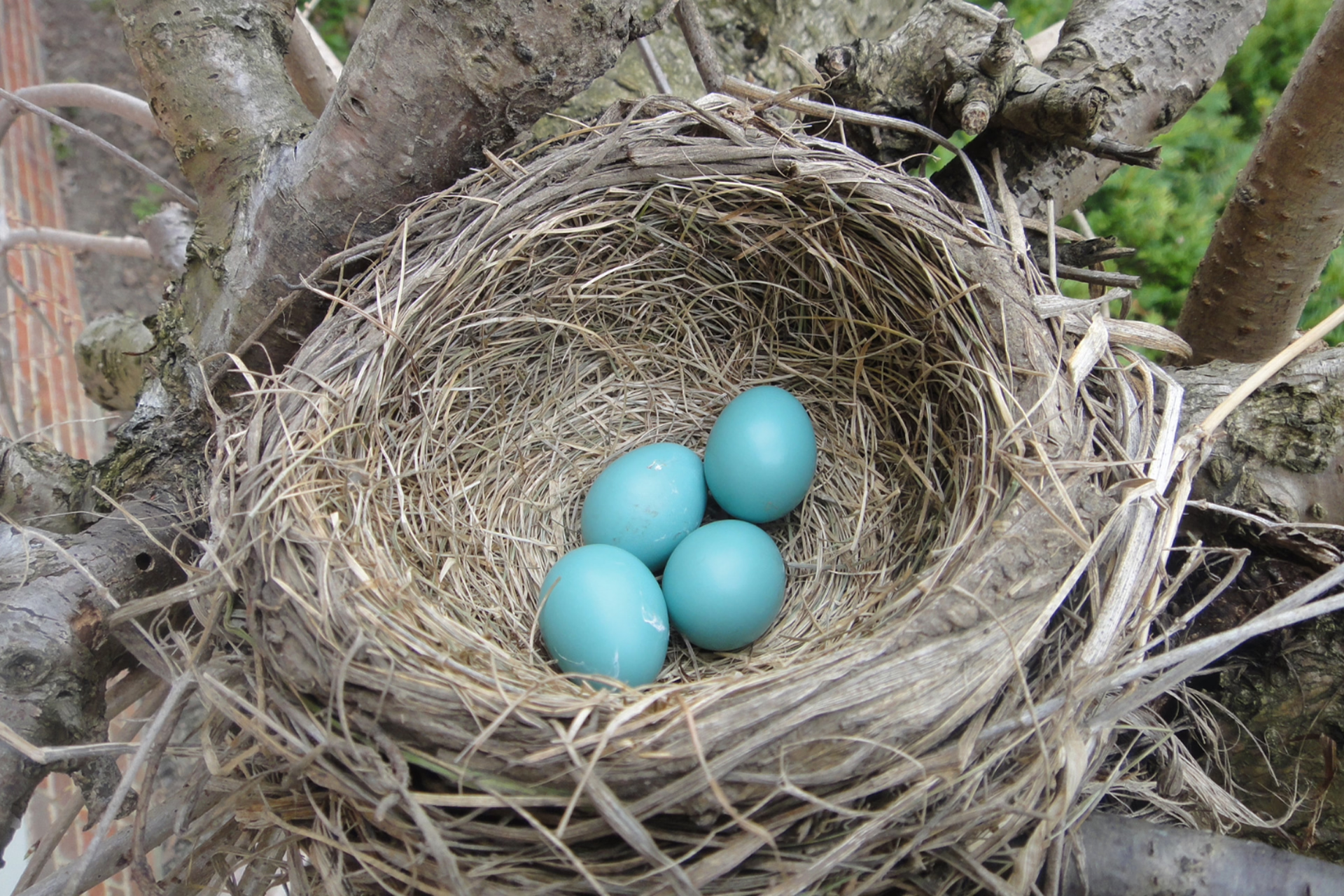
The nest begins with coarse grasses and small twigs that form the foundation. The female then incorporates softer grasses before creating a strong inner bowl using mud. Finally, the interior is lined with fine grasses that provide insulation and comfort for the eggs.
Robins commonly build nests on sturdy tree branches, shrubs, porch lights, gutters, window ledges, hanging flower baskets, outdoor shelves, and even decorative wreaths placed near front doors. Their willingness to nest close to humans has helped make them one of America’s most familiar birds.
Eggs and Raising a Family
American Robin eggs are famous for their brilliant sky-blue color, a shade so distinctive that it inspired the color name “robin’s egg blue.”
A typical clutch contains three to five eggs. The female incubates them for approximately two weeks while the male continues defending the territory and supplying food. Once hatched, both parents work tirelessly feeding the hungry nestlings almost continuously from sunrise until sunset.
Young robins grow rapidly and generally leave the nest after about two weeks. Even after fledging, parents continue feeding and protecting their young while they learn essential survival skills.
In Northern Nevada, robins frequently raise two or even three broods during a productive breeding season.
How to Create a Robin-Friendly Yard
The most inviting yard for American Robins combines food, water, shelter, and safety. Healthy lawns with abundant earthworms provide natural feeding opportunities. Native trees offer nesting sites and singing perches, while berry-producing shrubs provide dependable food during late summer, fall, and winter.
Providing fresh water throughout the year greatly increases the likelihood of regular visits. Reducing pesticide use encourages healthy insect populations that robins depend upon, especially when feeding chicks.
Leaving portions of the landscape slightly natural rather than perfectly manicured also benefits robins by supporting insects and allowing easier foraging.
Seasonal Behavior in Northern Nevada
Many people assume robins disappear during winter, but this is not always the case. Instead of spending time on lawns searching for worms, winter robins often gather in flocks and feed quietly among berry-producing trees and shrubs. Because they become less vocal and spend more time in wooded areas, they are simply less noticeable.
As temperatures warm in late winter, males begin singing more frequently, signaling the approach of another breeding season. Their dawn chorus is one of the earliest signs that spring has arrived across Northern Nevada.
Fascinating Robin Facts
American Robins belong to the thrush family, making them close relatives of bluebirds and other accomplished songbirds. Despite their reputation as backyard birds, they are surprisingly fast fliers and can reach speeds approaching 30 miles per hour during sustained flight.
Robins possess exceptional vision, allowing them to detect tiny movements made by insects on the ground. Their eyesight also enables them to locate ripe berries with remarkable accuracy.
Each robin has a unique song, and experienced birds can develop a surprisingly large repertoire of vocalizations used for communication, territory defense, and courtship.
Although they appear fearless around people, robins remain constantly alert for predators such as hawks, ravens, crows, squirrels, snakes, raccoons, and domestic cats. Their sharp alarm calls often alert other birds to danger nearby.
A Bird Worth Welcoming
The American Robin has become an enduring symbol of healthy neighborhoods, changing seasons, and thriving backyard ecosystems throughout Northern Nevada. Their cheerful songs, energetic personalities, and tireless work controlling insect populations make them valuable neighbors as well as delightful visitors.
By providing fresh water, preserving mature trees, planting berry-producing shrubs, and minimizing pesticide use, homeowners can create an environment where robins not only visit but may also choose to raise their families year after year. Whether pulling worms from a spring lawn, singing from a cottonwood at dawn, or gathering berries in the quiet days of winter, the American Robin remains one of Northern Nevada’s most cherished and familiar wild birds.
Share
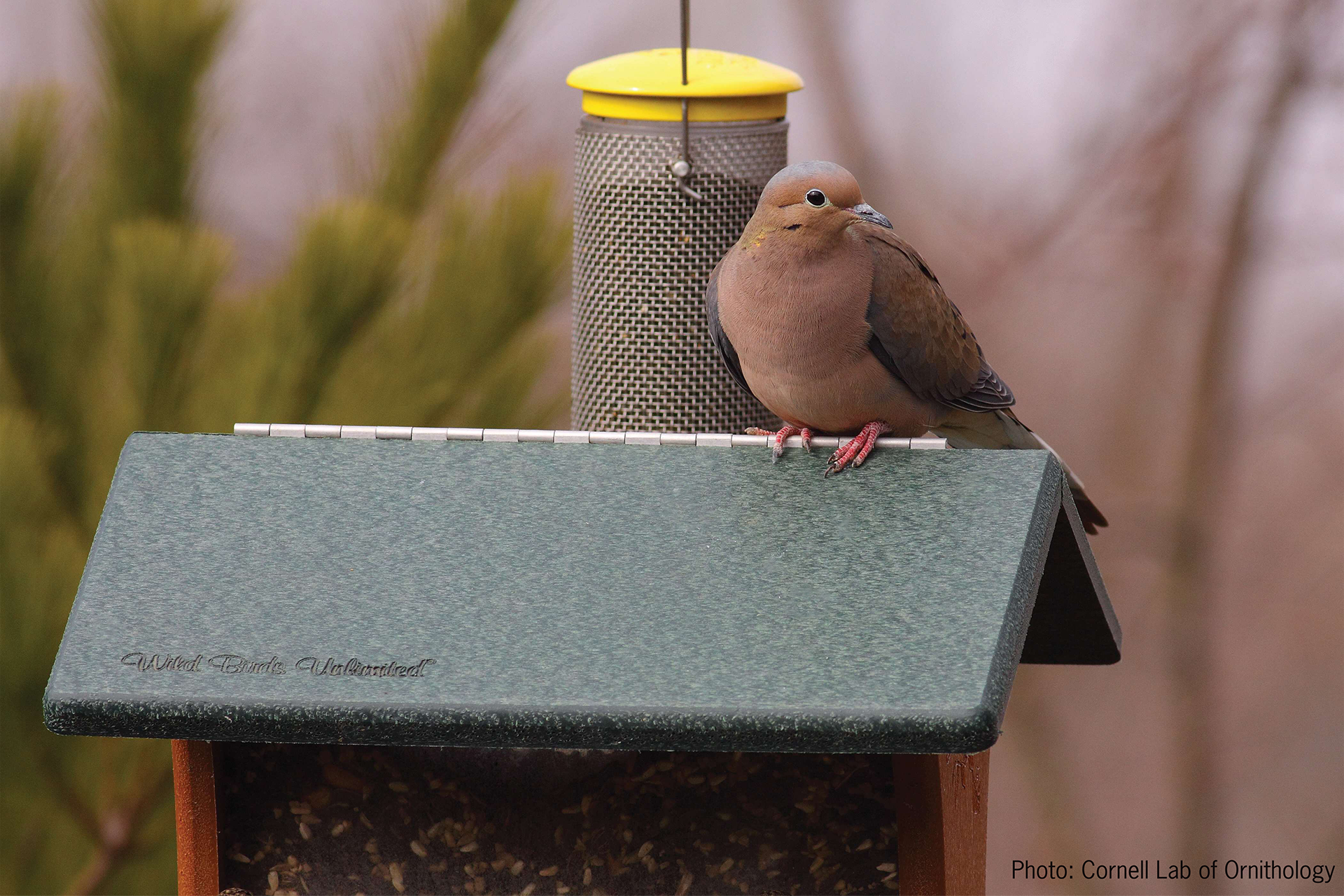
Across Northern Nevada’s open valleys, ranchlands, suburban neighborhoods, and high desert landscapes, the soft cooing of the mourning dove is one of the region’s most familiar bird songs.
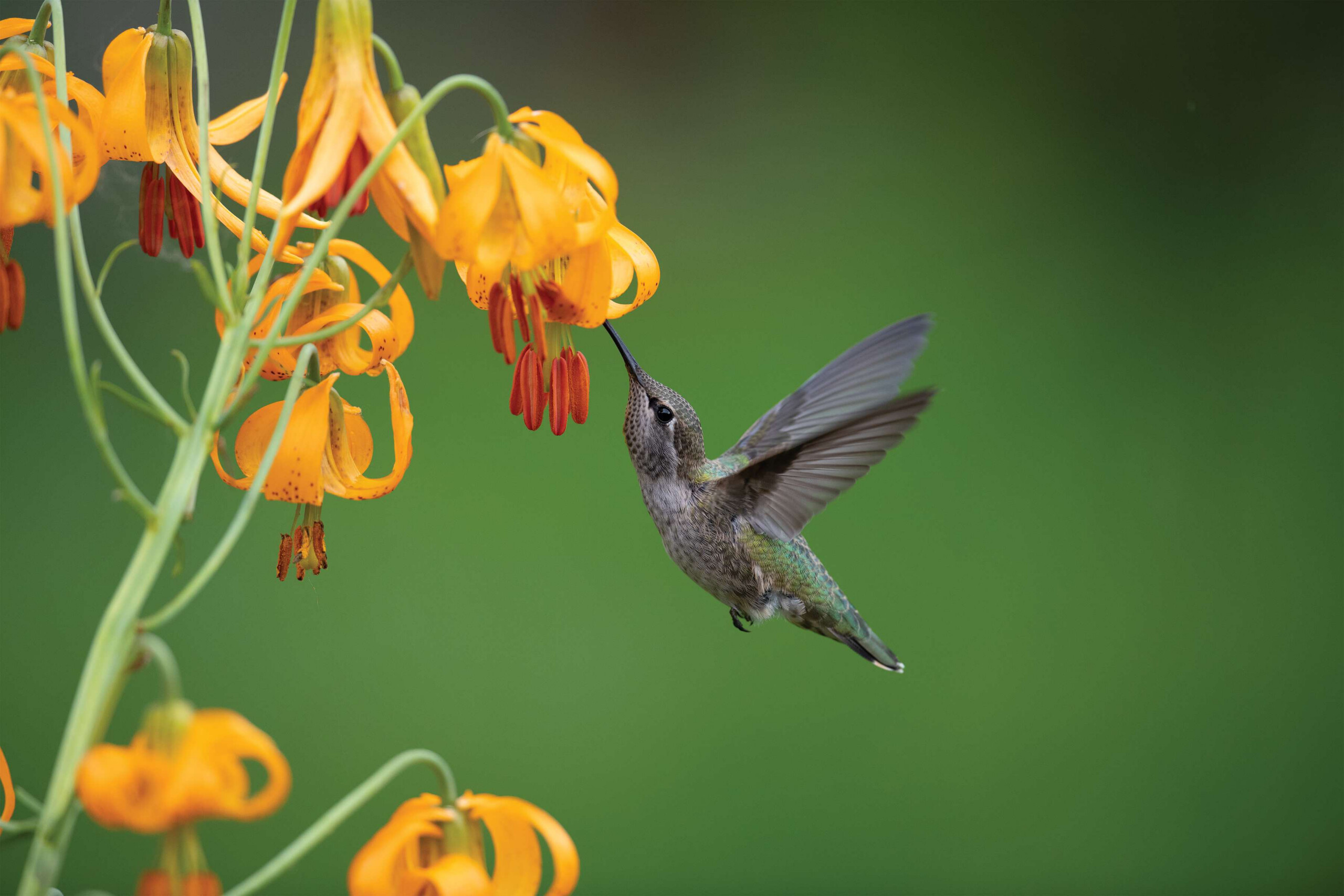
Among the many birds that inhabit Northern Nevada, few capture attention quite like the Anna’s hummingbird. Tiny, fast, and brilliantly colored, these remarkable birds have become increasingly common throughout the Reno–Sparks area and surrounding high desert communities.
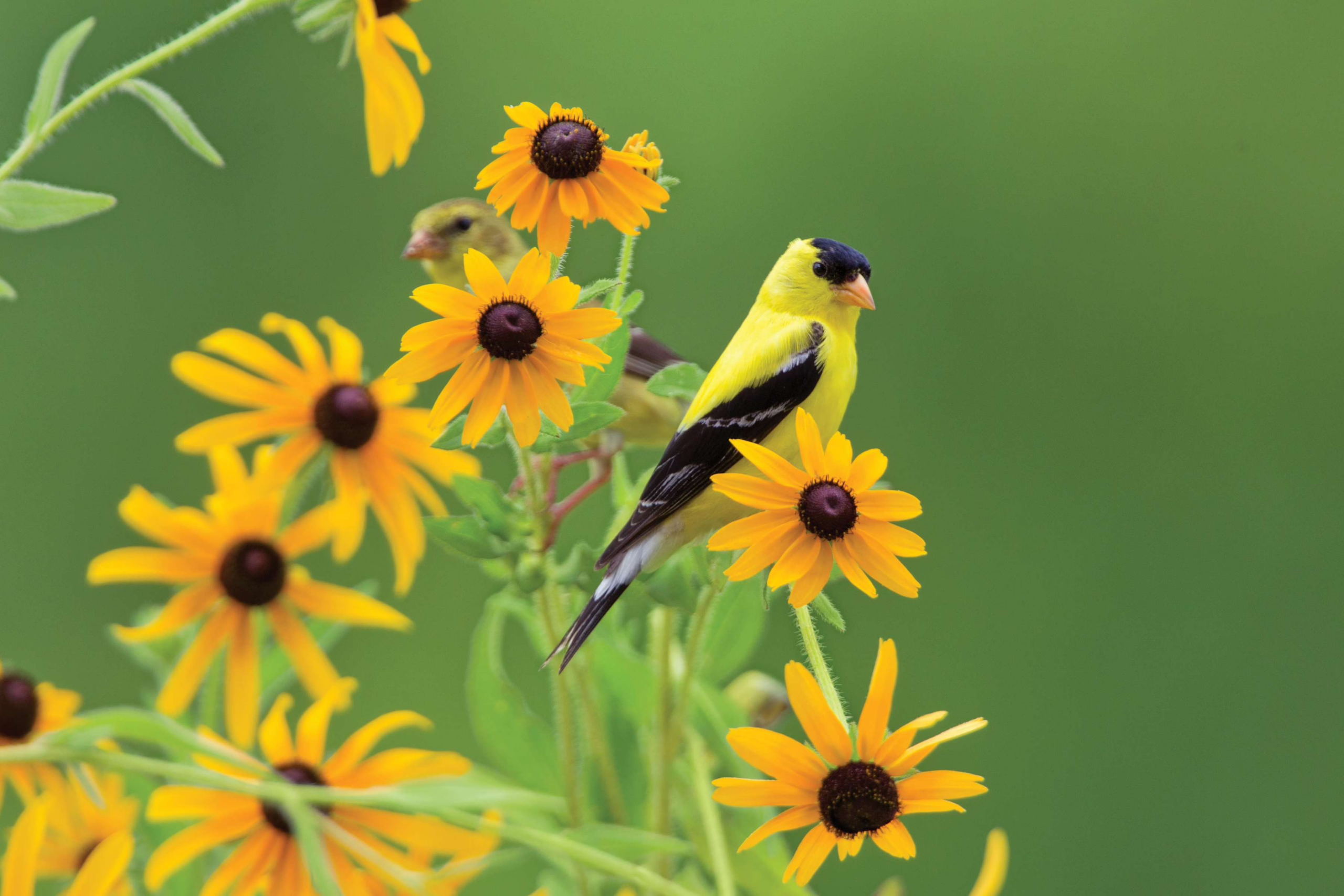
The American Goldfinch is one of the most cheerful and recognizable birds found in Northern Nevada. Its bright yellow summer plumage stands in striking contrast to the muted browns and grays of the high desert.
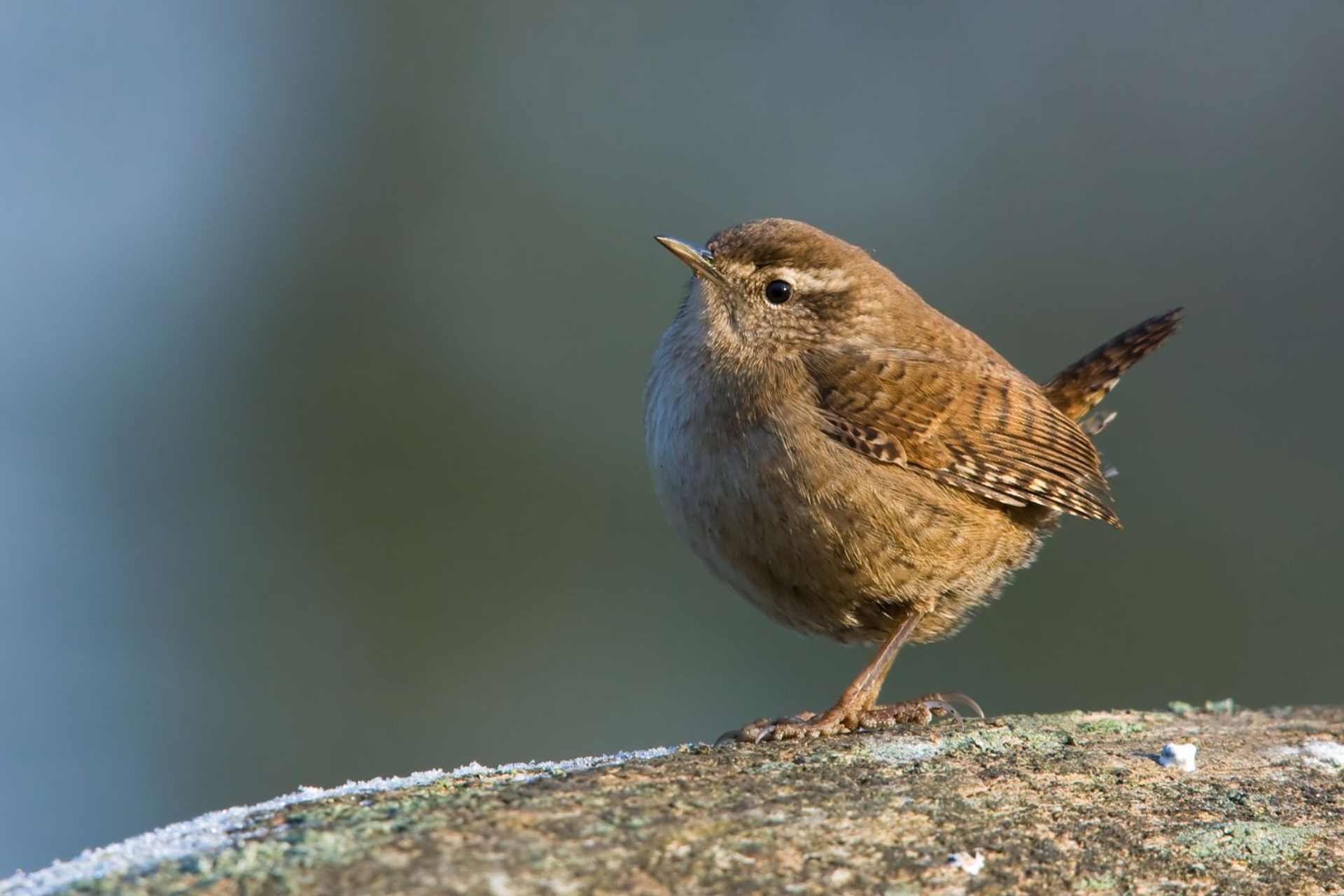
The Northern House Wren (Troglodytes aedon) is one of the most energetic and charismatic small birds found across North America, including the high desert landscapes of the western United States.