Share
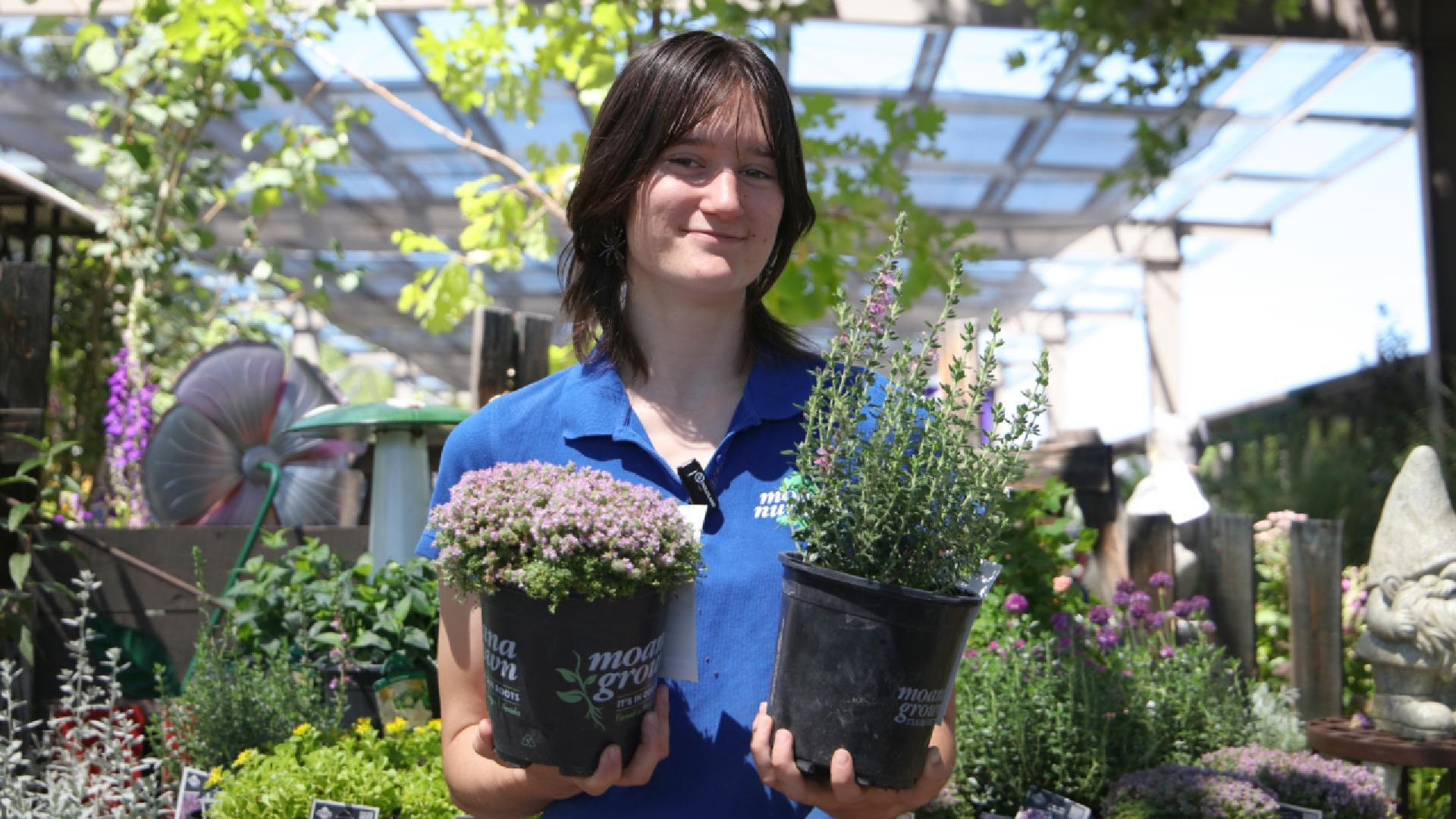
Groundcover perennials are one of the smartest additions to any landscape. Unlike annuals that need to be replanted each year, perennial groundcovers return season after season, filling bare spaces with color and texture while helping suppress weeds, reduce erosion, and conserve moisture. Whether you’re looking to replace a thirsty lawn, soften the edges of a walkway, or cover a difficult slope, these hardworking plants provide beauty with relatively little maintenance.
For gardeners in the high desert, selecting the right groundcover is especially important. The combination of hot, dry summers, cold winters, alkaline soils, and low humidity can be challenging, but many perennial groundcovers thrive in these conditions once established. Choosing plants that match your site’s sun exposure and watering schedule will reward you with years of dependable performance.
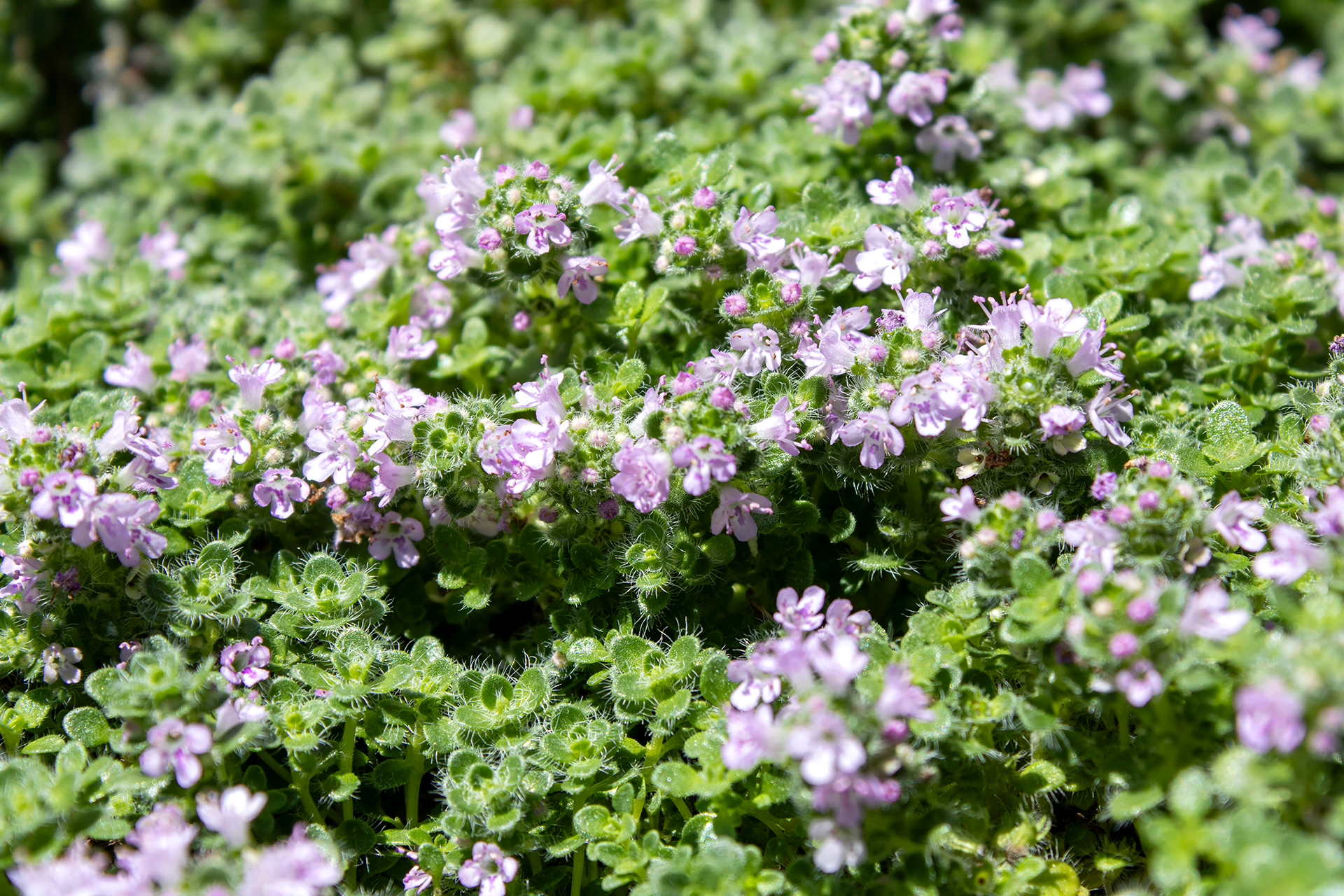
Creeping Thyme (Thymus spp.)
Creeping thyme is one of the most versatile and attractive groundcovers available for sunny landscapes. Its tiny aromatic leaves form a dense mat that stays low to the ground while producing masses of pink, purple, or white flowers in early summer. The blooms attract bees and butterflies, making creeping thyme just as valuable for pollinators as it is for the landscape.
One of the biggest reasons homeowners choose creeping thyme is its ability to serve as a lawn alternative. While it isn’t designed for constant heavy traffic like a traditional lawn, it tolerates occasional foot traffic remarkably well and creates a beautiful, fragrant carpet between stepping stones or across small open spaces. Because it requires significantly less water than turfgrass once established, it’s an excellent option for water-conscious landscapes throughout the high desert.
Creeping thyme performs best in full sun and well-drained soil. During its first growing season, regular watering helps develop a strong root system, but mature plants need only occasional deep irrigation. Overwatering is far more damaging than allowing the soil to dry between waterings, especially during cooler months. A light trim after flowering helps maintain a tidy appearance and encourages dense new growth.
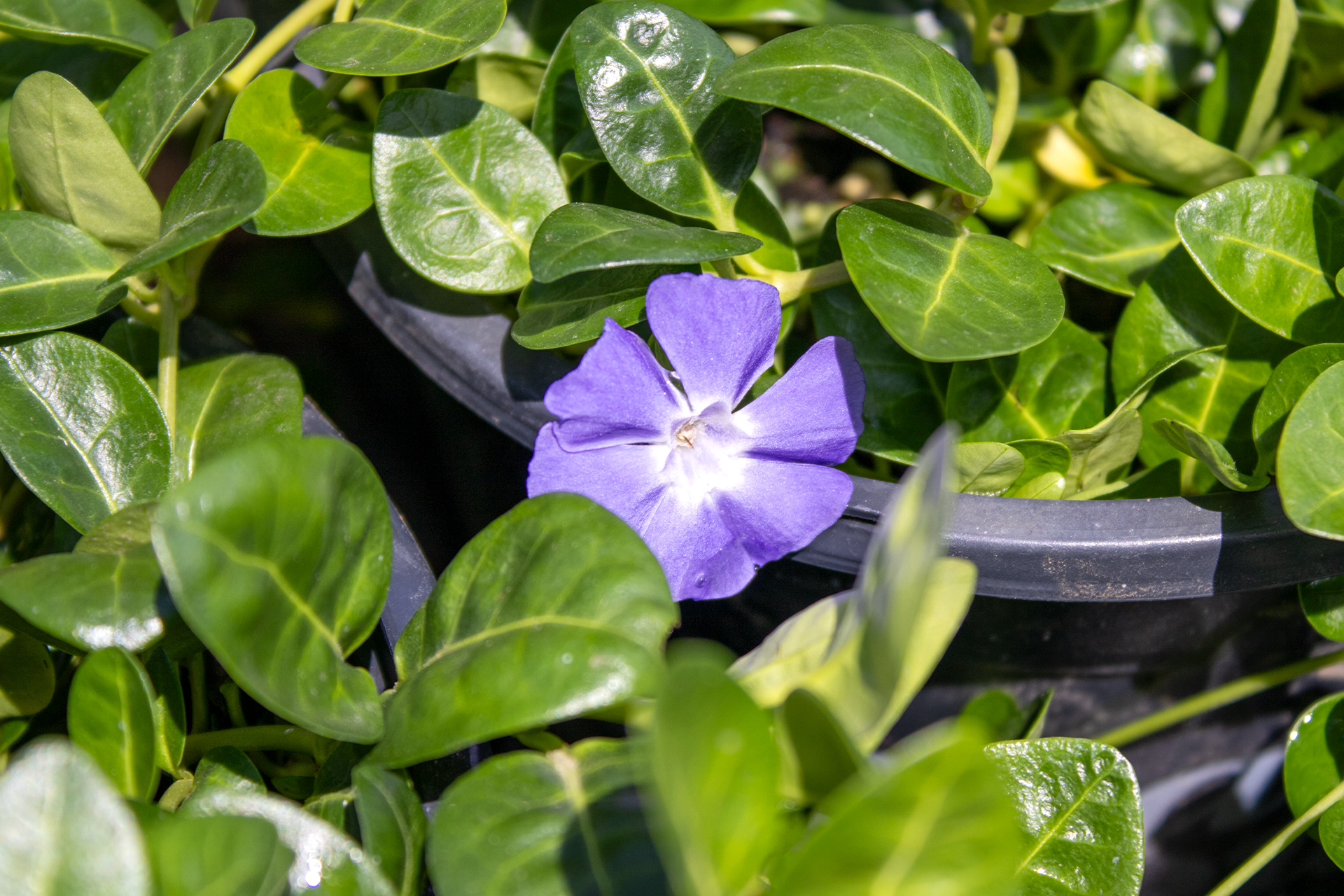
Vinca Minor (Periwinkle)
Few plants are as effective at covering large shaded areas as vinca minor. Its glossy evergreen leaves create a dense carpet that remains attractive throughout the year, while blue, violet, or white flowers brighten the landscape each spring. Because it spreads steadily through trailing stems, vinca quickly fills spaces where grass struggles to grow, including beneath mature trees, along shaded slopes, and in woodland gardens.
In the high desert, vinca appreciates protection from the intense afternoon sun. Morning sunlight combined with afternoon shade produces the healthiest foliage and best flowering. Once established, it is surprisingly drought tolerant, although occasional deep watering during prolonged dry periods keeps the foliage lush and vibrant.
Because vinca spreads enthusiastically, it’s best planted where it has room to grow. Occasional thinning or trimming keeps it looking neat and prevents it from crowding nearby perennials. Its ability to stabilize slopes and suppress weeds makes it one of the most practical groundcovers for challenging shady locations.
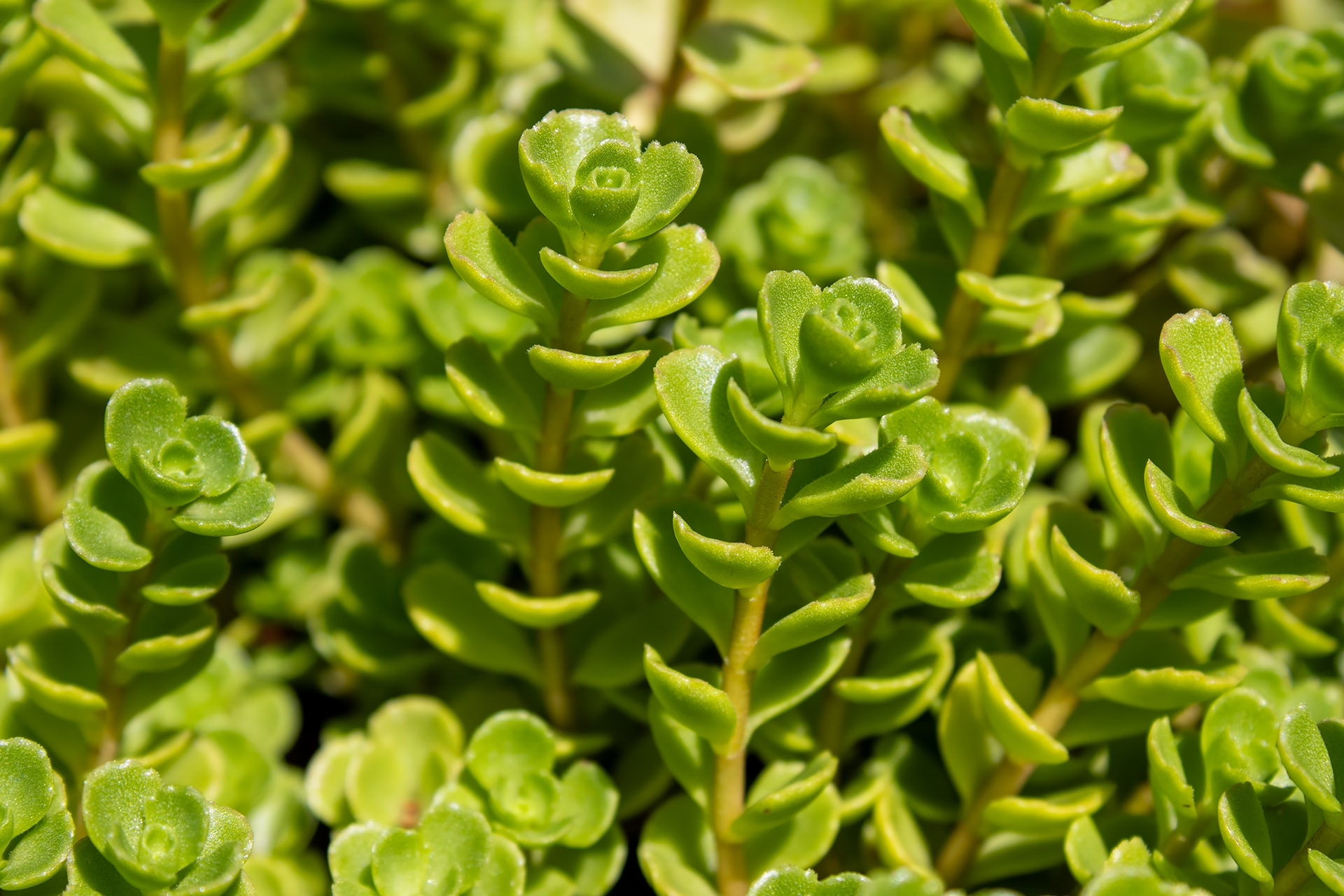
Sedum (Stonecrop)
If you’re looking for a virtually carefree groundcover, it’s hard to beat sedum. These low-growing succulents thrive in hot, sunny locations where many other plants struggle. Their thick, fleshy leaves store water, allowing them to tolerate long periods of drought while adding unique colors and textures to the landscape. Depending on the variety, sedum foliage may appear green, blue-gray, bronze, burgundy, or even golden, with cheerful yellow, pink, or white flowers appearing during the growing season.
Sedums are especially well suited to xeriscapes, rock gardens, retaining walls, and other dry planting areas. They thrive in poor soils as long as drainage is excellent and require very little supplemental irrigation after becoming established. In fact, too much water is often the greatest threat to healthy sedum plants. Heavy clay soils or locations where water collects during winter can lead to root rot, so improving drainage before planting is well worth the effort.
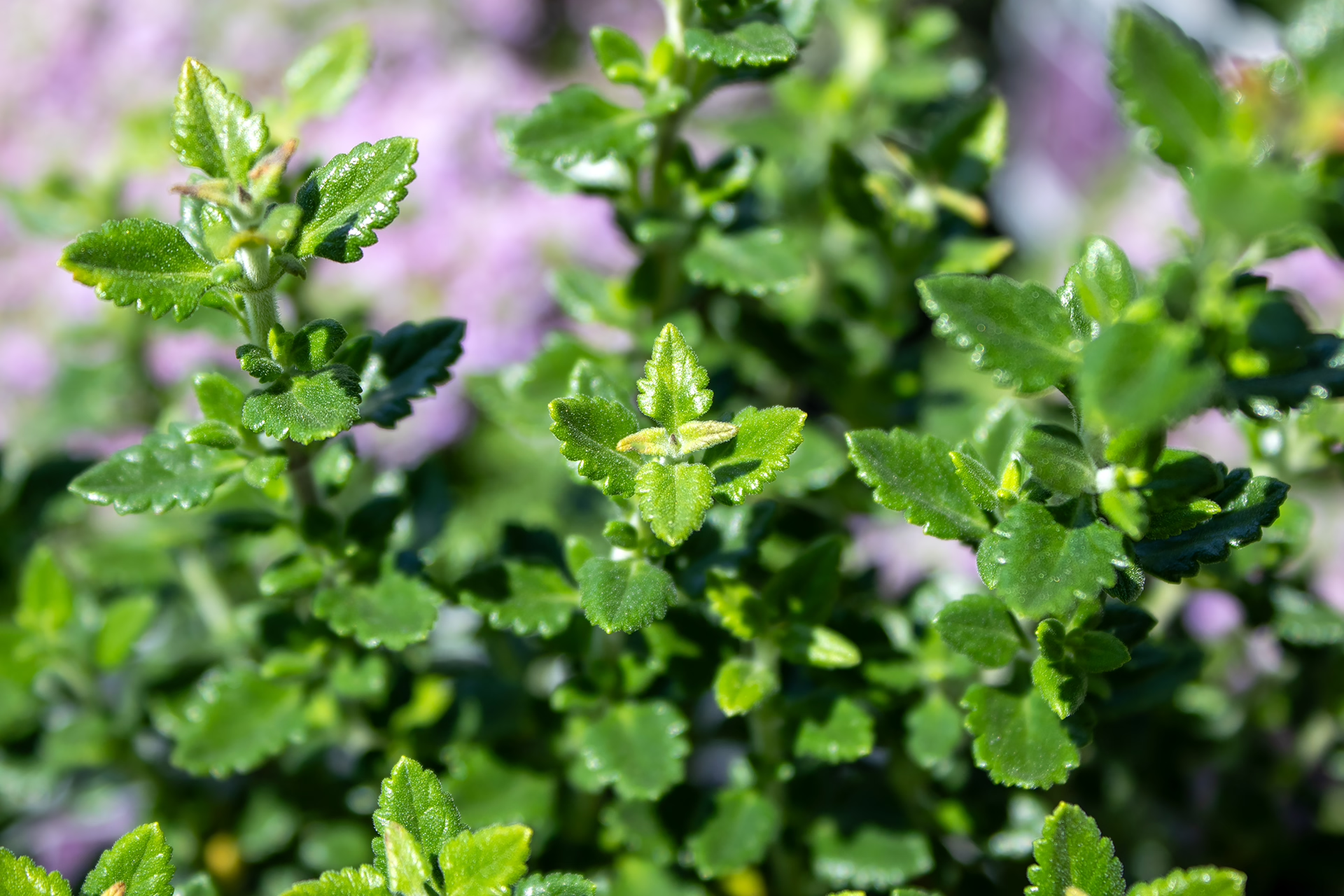
Wall Germander (Teucrium chamaedrys)
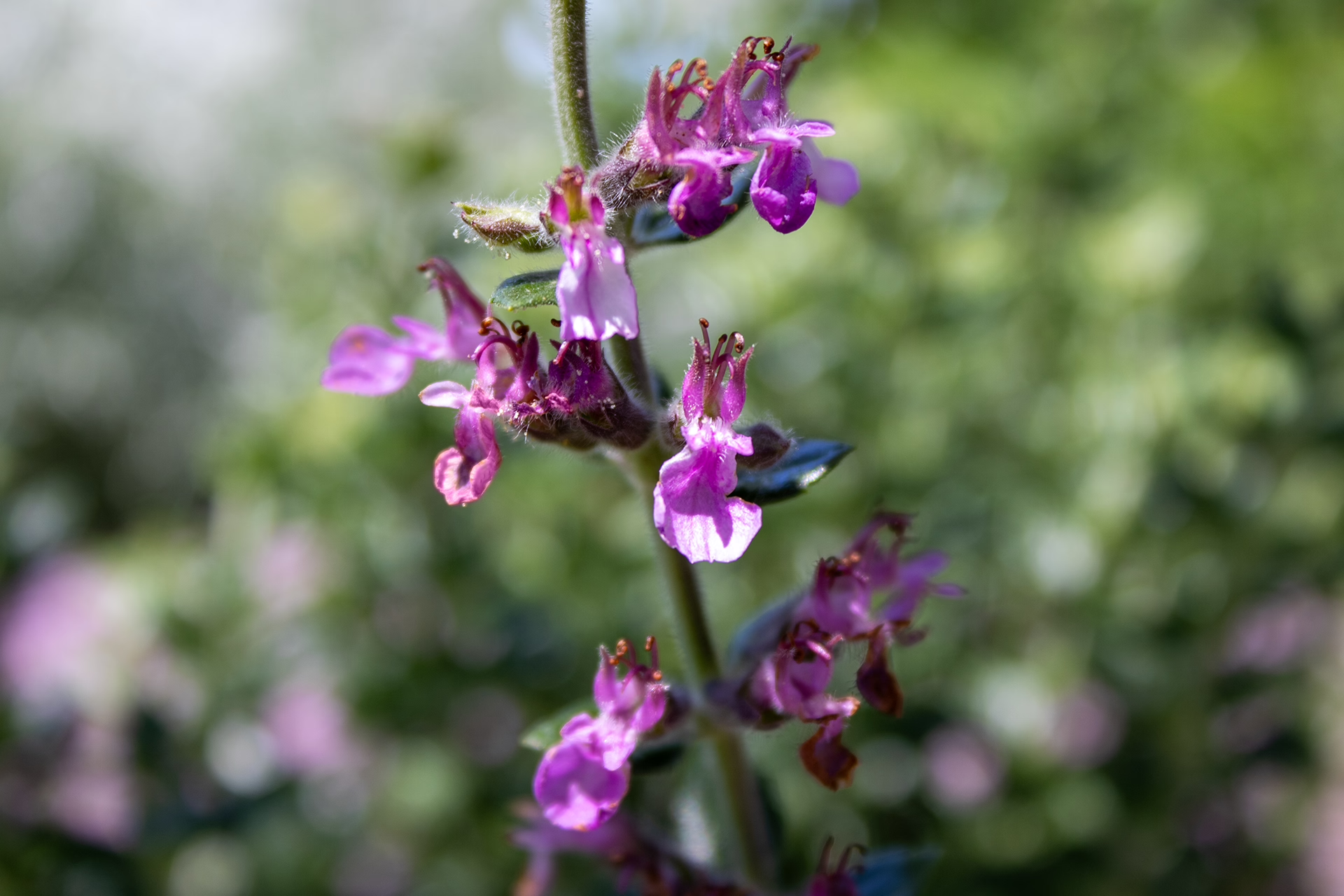
Wall germander is one of the most overlooked perennial groundcovers for dry climates. This evergreen subshrub forms neat mounds of glossy green foliage that can be left natural or lightly clipped into formal borders. In summer, spikes of rosy-pink flowers attract bees and other beneficial pollinators, adding both color and ecological value to the landscape.
Unlike spreading groundcovers that quickly cover large areas, wall germander creates a more structured appearance, making it an excellent choice for edging pathways, defining garden beds, or creating low hedges. It pairs beautifully with lavender, sage, ornamental grasses, and other Mediterranean plants in water-wise landscapes.
Wall germander thrives in full sun and tolerates poor, rocky, and alkaline soils with ease. Once established, it requires little irrigation and handles the high desert’s heat exceptionally well. Light pruning after flowering helps maintain its compact shape and encourages dense new growth for the following season.
Growing Groundcovers in the High Desert
Regardless of which groundcover you choose, a few basic gardening practices will improve long-term success. Good drainage is perhaps the most important factor, as many perennial groundcovers struggle in soils that remain wet for extended periods. If your landscape contains heavy clay, amending the soil with organic matter or soil building conditioner can make a significant difference.
New plantings should be watered consistently during their first growing season while roots become established. After that, most perennial groundcovers benefit from deep, infrequent watering rather than frequent shallow irrigation, which encourages stronger root systems and greater drought tolerance.
Feed with a well balanced fertilizer like Moana Made Plant Food during the growing season to ensure maximum growth above and below the ground.
Finally, remember that some groundcovers naturally slow down or go partially dormant during winter. Patience in early spring often rewards gardeners with vigorous new growth as temperatures begin to warm.
Final Thoughts
Groundcover perennials do far more than fill empty spaces, they create healthier, more attractive landscapes that require less maintenance, use less water, and naturally reduce weeds. Whether you’re replacing a section of lawn with fragrant creeping thyme, carpeting a shady hillside with vinca, adding colorful drought tolerance with sedum, or edging your garden with elegant wall germander, these dependable perennials offer lasting beauty while thriving in the unique conditions of the high desert.
Share
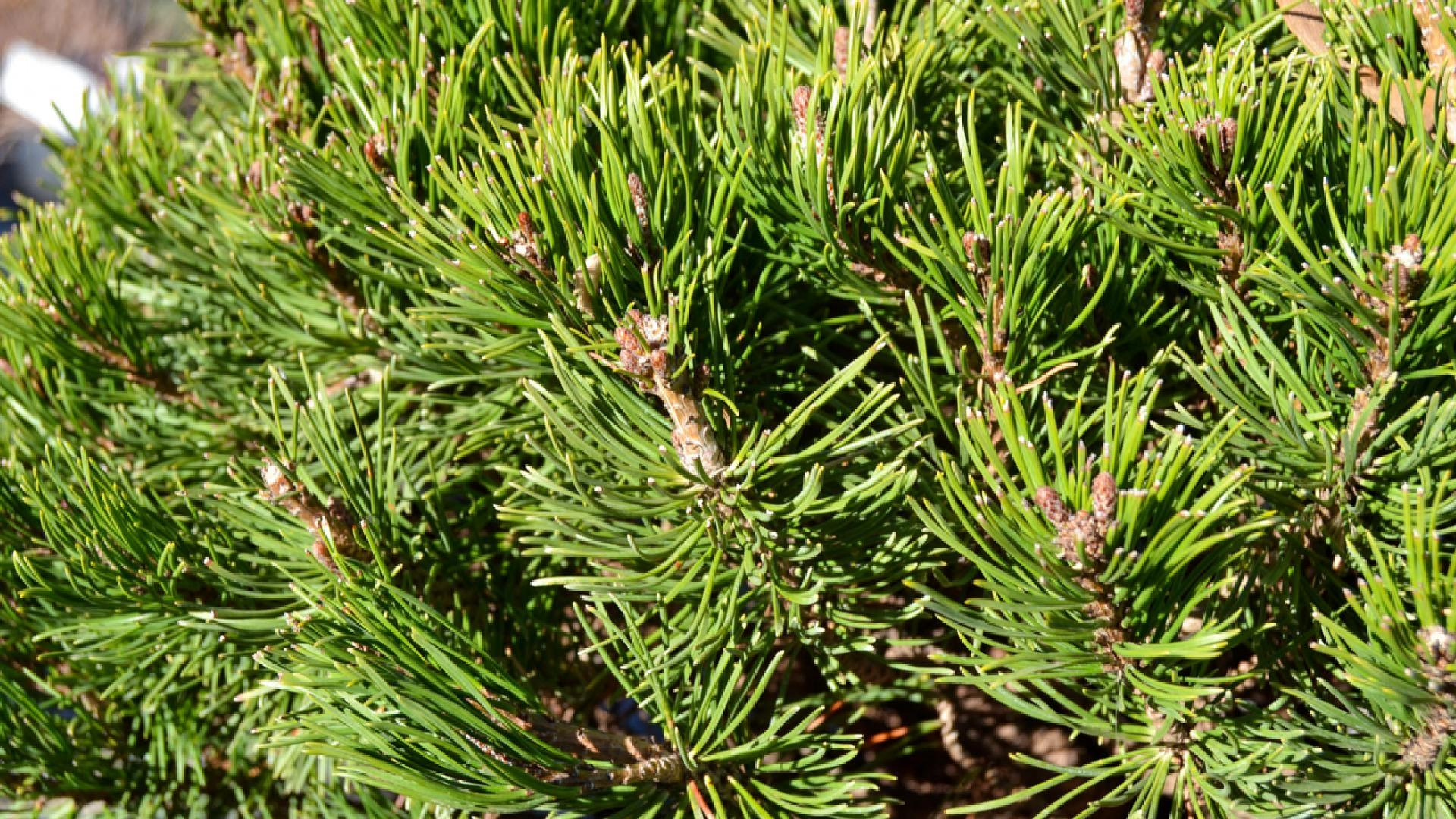
Dwarf mugo pine, known botanically as Pinus mugo var. pumilio, offers a presence that brings texture, provides contrast, and lasts over winter. With dense green needles, sturdy branches, and a naturally low, spreading form, it brings the character of a mountain pine into the home landscape.
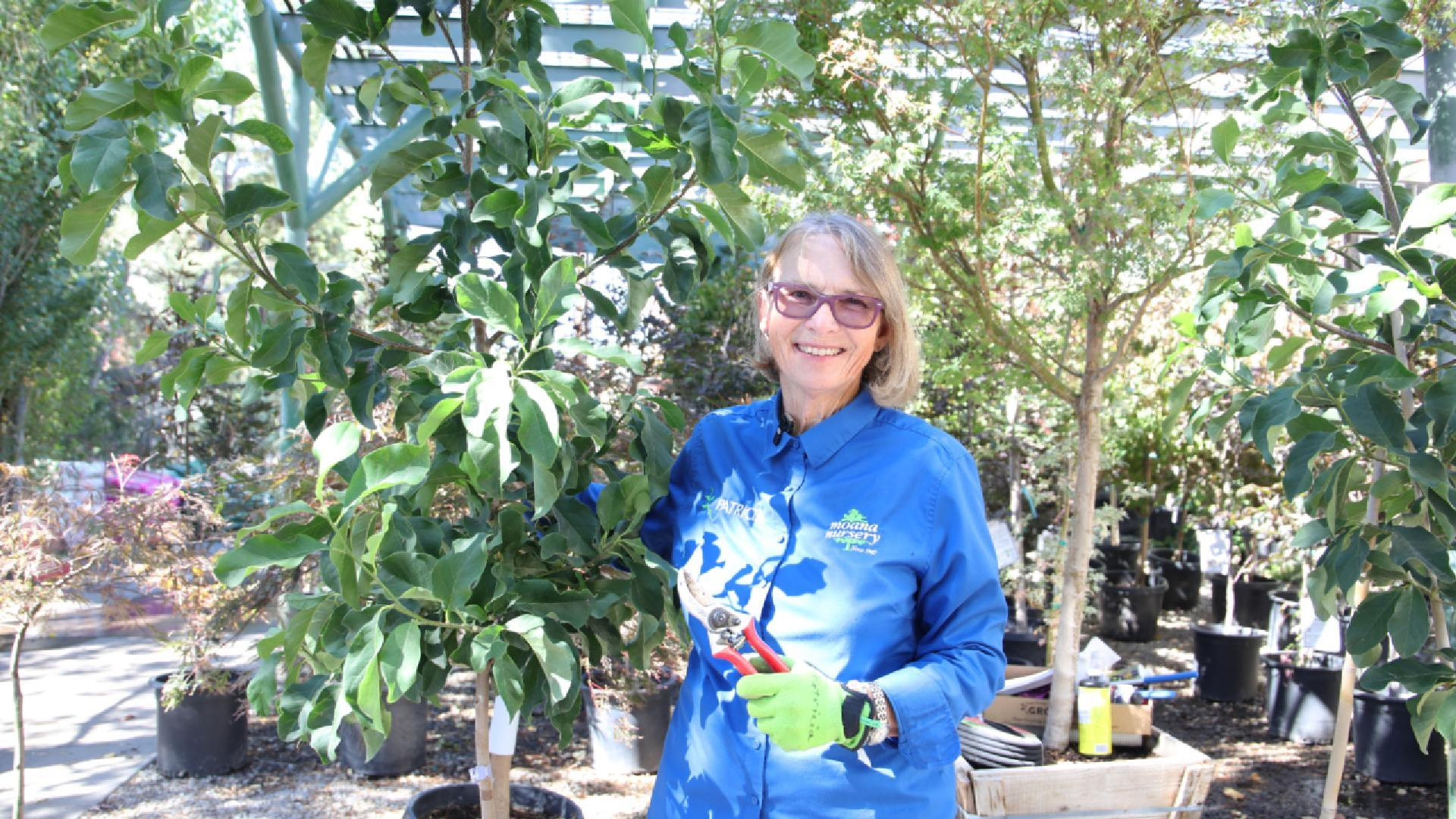
Pruning in fall is important for the health of your trees and shrubs. It might seem complicated, but we’ll make it much simpler to understand!
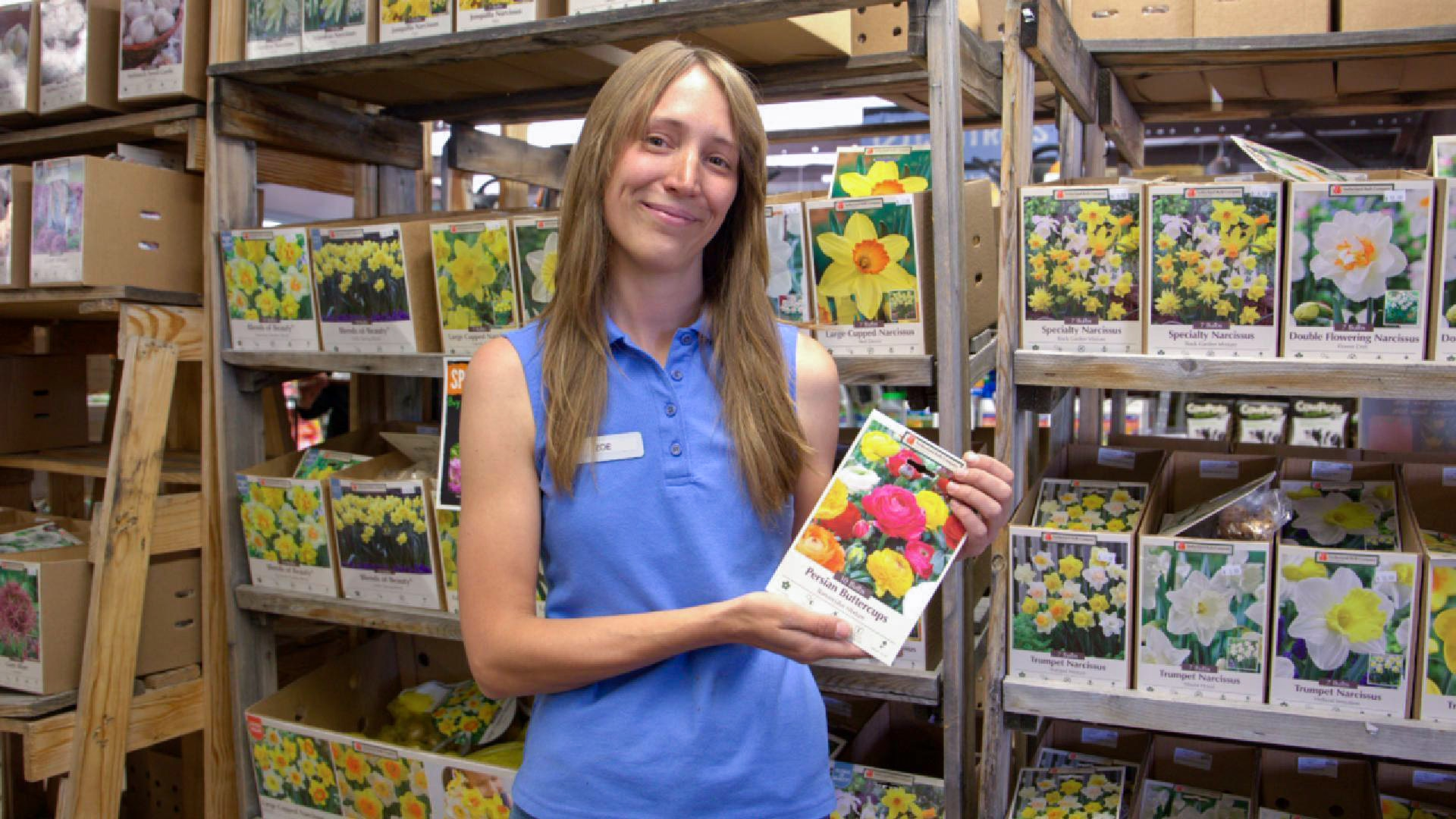
October is the perfect time to be planting your spring blooming bulbs. Planting now gives your bulbs time to grow nice strong roots before they bloom in the spring. Let’s get started!
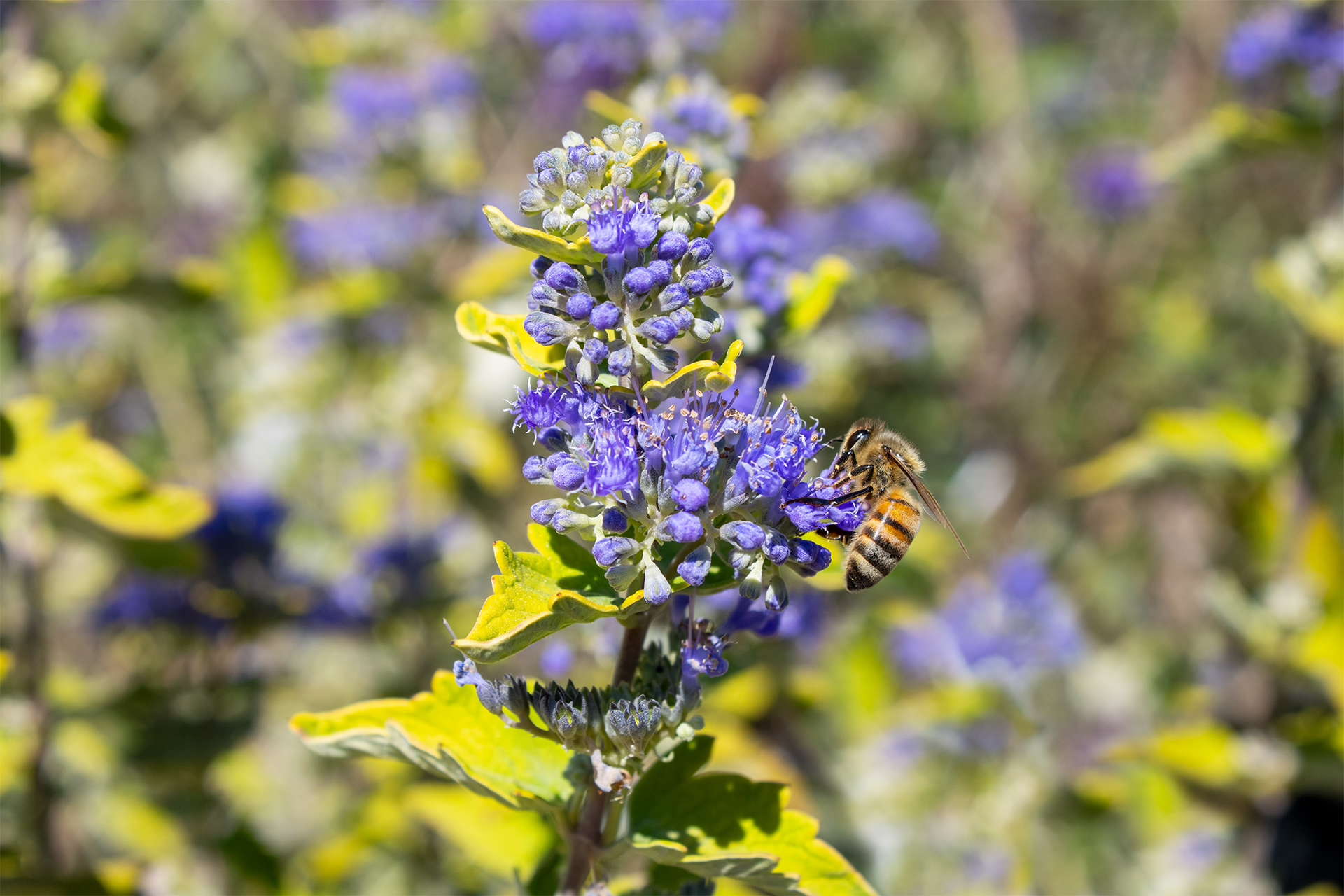
High desert gardeners ask a lot of their plants. A successful shrub must tolerate intense sunlight, dry air, temperature swings, alkaline soil and winter cold, while still bringing color and life to the landscape. Caryopteris meets that challenge beautifully.