
Share
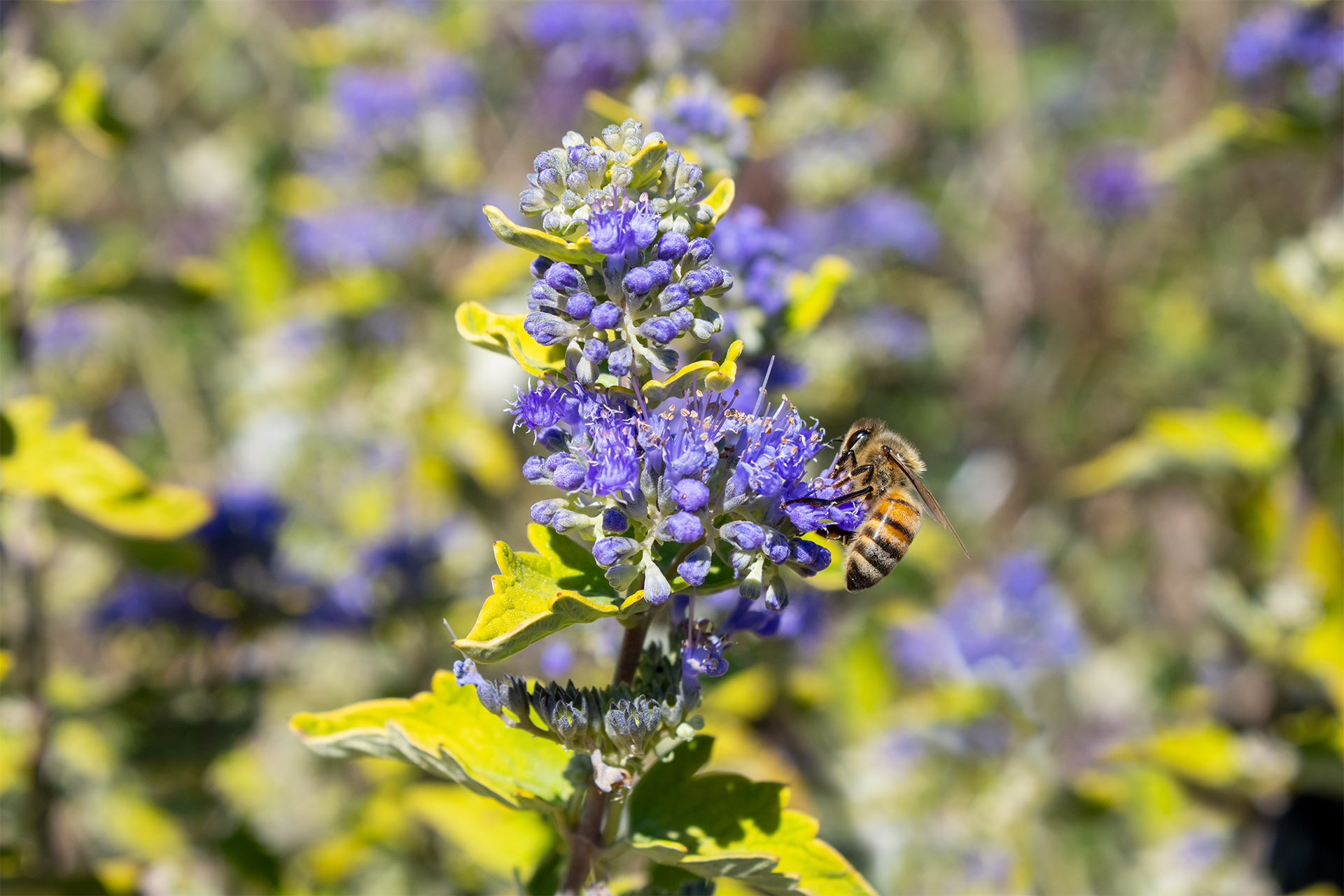
High desert gardeners ask a lot of their plants. A successful shrub must tolerate intense sunlight, dry air, temperature swings, alkaline soil and winter cold, while still bringing color and life to the landscape. Caryopteris meets that challenge beautifully.
Also called bluebeard, blue mist shrub or blue spirea, Caryopteris forms a tidy mound of silvery-green foliage topped with clouds of blue flowers in late summer and early fall. Most varieties grow approximately 2 to 4 feet tall and wide, making them easy to use in perennial borders, pollinator gardens, water-wise landscapes and smaller yards.
Caryopteris is especially valuable because it flowers when many other plants are beginning to fade. Bees, butterflies and other beneficial insects flock to its nectar-rich blossoms, adding movement and activity to the autumn garden.
Why Caryopteris Works in the High Desert
Once established, Caryopteris handles heat and periods of drought well. It prefers full sun, lean soil and excellent drainage, conditions found in many high desert landscapes.
Although drought tolerant, Caryopteris is not a “plant it and forget it” shrub, particularly during its first two growing seasons. Young plants need consistent, deep watering while their root systems expand. Once established, they become much more resilient and require less frequent irrigation.
Choosing the Right Placement
For the strongest growth and heaviest flowering, plant Caryopteris where it will receive at least six hours of direct sunlight each day. Too much shade can result in sparse flowers and stems that stretch or flop.
Good placement options include:
- Sunny perennial and shrub borders
- Pollinator and butterfly gardens
- Water-wise or xeric planting beds
- Along walkways or low fences
- In groups of three or more for a dramatic late-season display
- Near ornamental grasses, coneflowers, sedums, catmint or Russian sage
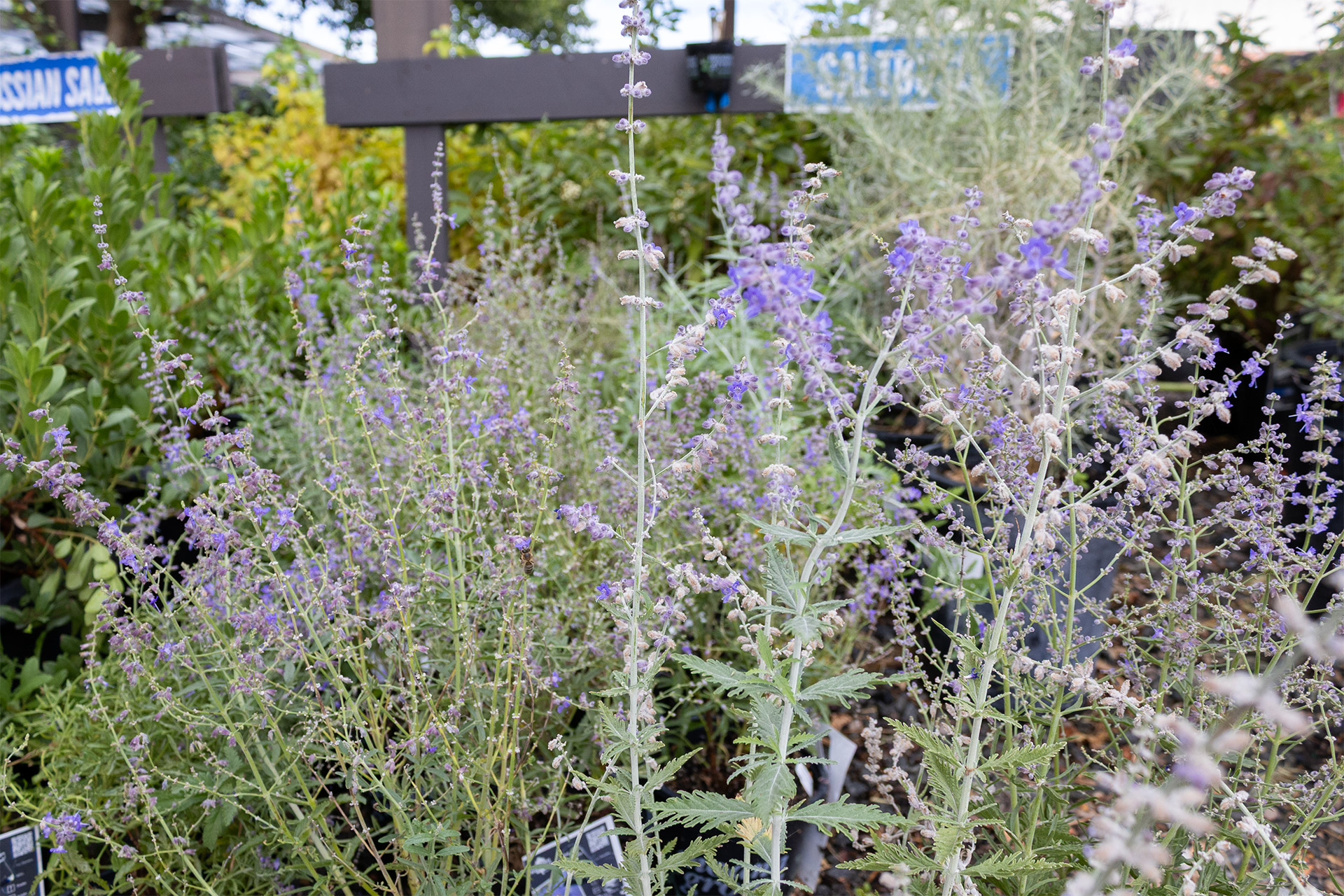
Allow enough room for the plant to reach its mature width without crowding nearby plants. Good airflow keeps the foliage healthy and helps water evaporate from the soil surface.
Drainage is critical. Caryopteris dislikes constantly wet soil, especially during winter. In heavy high desert clay, plant the shrub slightly above the surrounding grade or on a gentle mound. Avoid low spots, poorly drained planting pockets and areas receiving frequent lawn irrigation. Root and crown rot are among the few serious problems associated with Caryopteris, and both are usually linked to excess moisture.
Watering Caryopteris
Water newly planted Caryopteris deeply and consistently during its first one or two growing seasons. Rather than following a rigid calendar, check the soil around the root ball. Water when the upper few inches begin to dry, then soak the entire root zone.
Drip irrigation works especially well in the high desert because it delivers water slowly with minimal loss to wind and evaporation. Periodically check beneath the surface to make sure moisture is spreading outward and penetrating deeply, not simply wetting a small circle beside the stem.
As the shrub matures, you can gradually increase the time between waterings while continuing to water deeply. Established plants generally need supplemental water during prolonged hot, dry or windy weather, but they should not remain continually moist. Plants growing beside heat-reflecting walls or in sandy soil may dry faster than those in heavier soil.
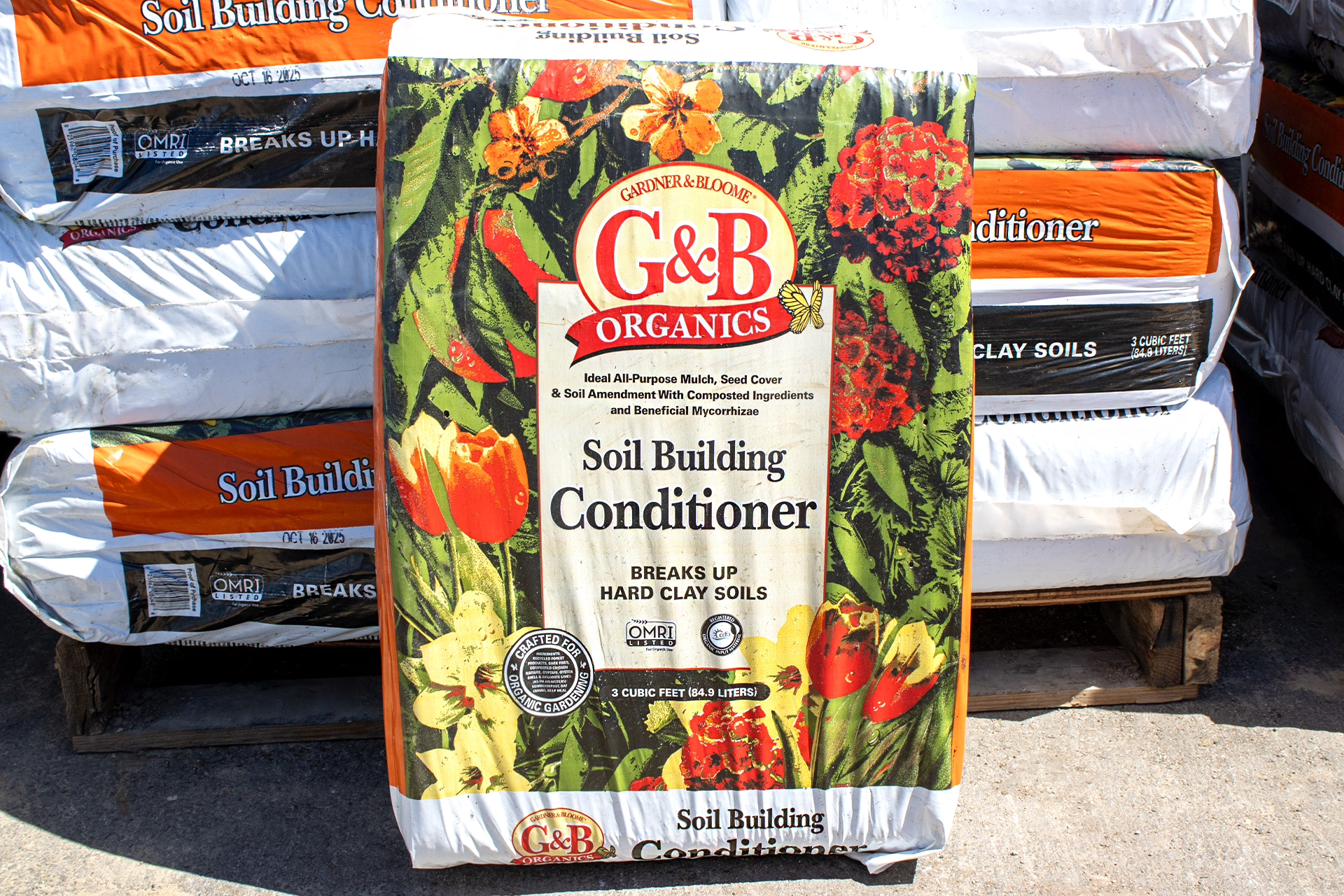
A 2- to 3-inch layer of mulch, like Soil Building Conditioner can reduce evaporation and moderate soil temperature. Keep the mulch several inches away from the crown and stems to prevent trapped moisture.
Feeding with Moana Made Granular Fertilizer
Caryopteris does not need heavy feeding. In fact, excessive fertilizer, particularly too much nitrogen, can encourage lush, floppy stems at the expense of flowers.
For a gentle, sustained source of nutrients, use Moana Made All Purpose Organic Granular Slow Release Plant Food. It is made with poultry manure, bone meal, feather meal and sulfate of potash and also contains beneficial bacteria, mycorrhizae and humic acid.
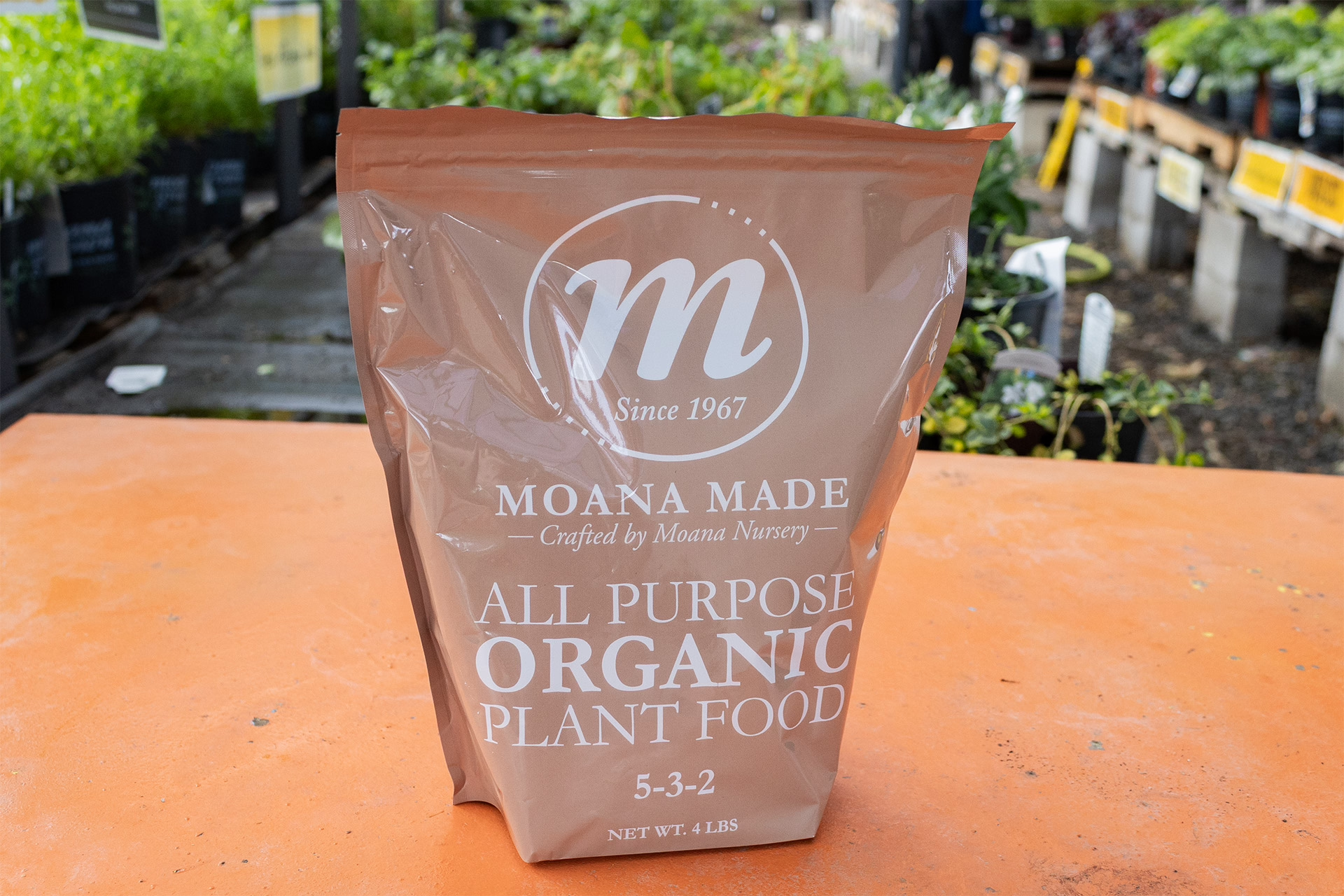
For an in-ground shrub, gently mixing the granules into the top 1 to 2 inches of soil and water thoroughly. We recommend repeat applications every four to six weeks during the growing season. Because Caryopteris prefers relatively lean conditions, begin with a spring application and evaluate the plant before feeding again. Avoid combining it with additional high-nitrogen fertilizers unless a soil test or visible deficiency indicates a need. Always follow the package directions.
Pruning and Seasonal Maintenance
Caryopteris blooms on new growth, so spring pruning is the secret to a compact plant covered in flowers.
Wait until the worst winter cold has passed and new growth is beginning to appear. Then remove dead or damaged wood and cut the remaining stems back to approximately 8 to 12 inches above the ground, or to a low framework of healthy buds. This may look severe, but the plant will quickly produce fresh flowering stems.
Avoid hard pruning in fall. Leaving the stems in place over winter provides some protection for the crown and creates modest winter structure. If we have a colder winter, the top growth may die back completely while the roots remain alive. Be patient in spring, Caryopteris can be slow to show new growth after a cold winter.
Deadheading is optional. Removing spent flowers may improve the plant’s appearance, but it is not necessary for its health. Caryopteris generally experiences few pest or disease problems. Deer and rabbits often avoid its aromatic foliage.
Fun Facts About Caryopteris
- Caryopteris is a member of the mint family, Lamiaceae. Its square stems and aromatic leaves offer clues to that relationship.
- The foliage releases a scent sometimes compared to eucalyptus when crushed.
- The common name “bluebeard” refers to the beardlike lower petal of each tiny flower.
- Its blue blossoms provide an important late-season food source for pollinators.
- Caryopteris is not a true spirea, despite the common name “blue spirea.”
- The plant’s combination of blue flowers and silvery foliage pairs especially well with gold, orange, burgundy and ornamental grasses.
With the right placement, careful establishment watering and restrained feeding, Caryopteris can become one of the high desert garden’s most dependable late-season performers. Its cool blue flowers, aromatic foliage and pollinator appeal bring a refreshing softness to dry landscapes, without demanding constant attention.
Share
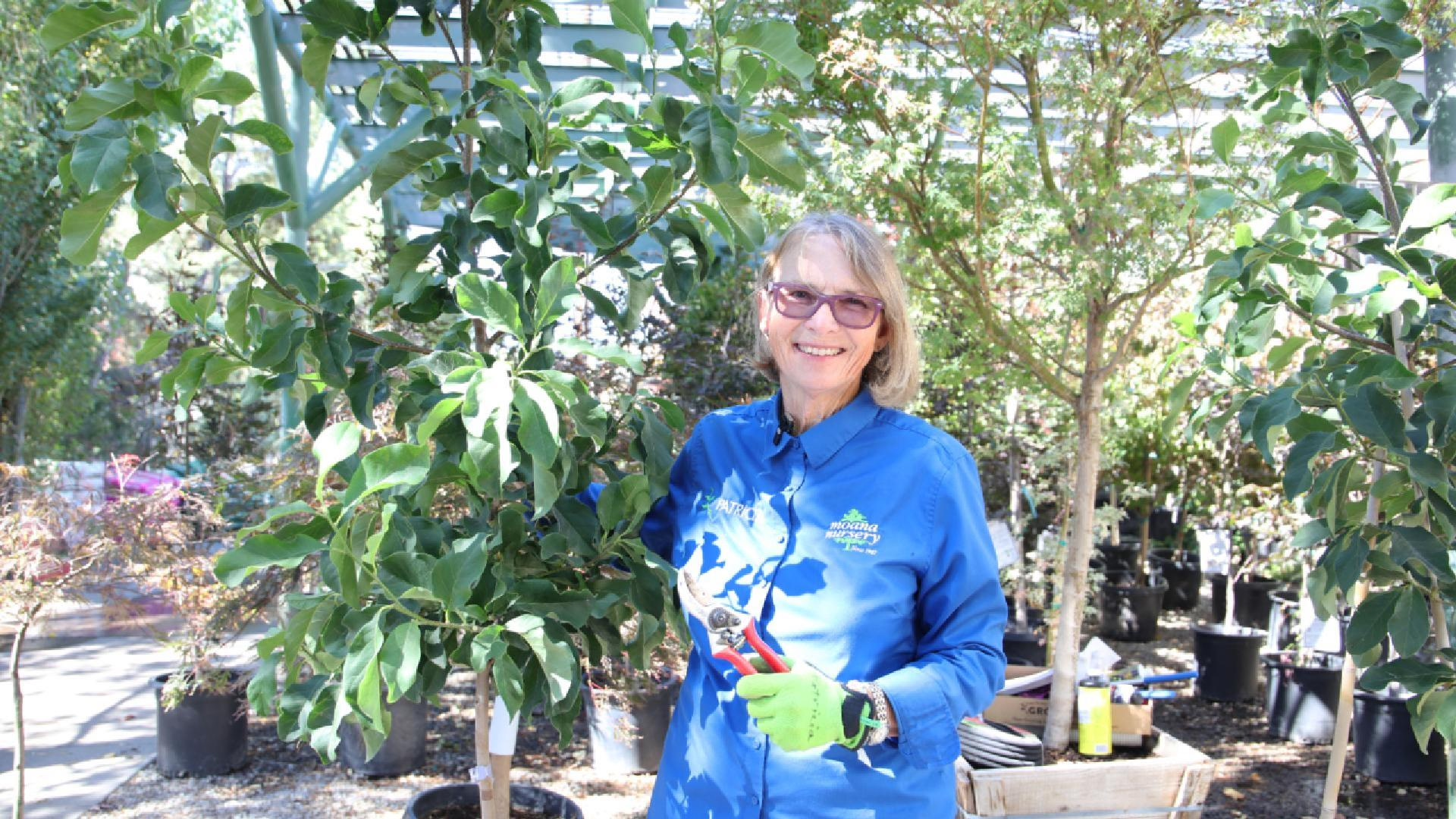
Pruning in fall is important for the health of your trees and shrubs. It might seem complicated, but we’ll make it much simpler to understand!
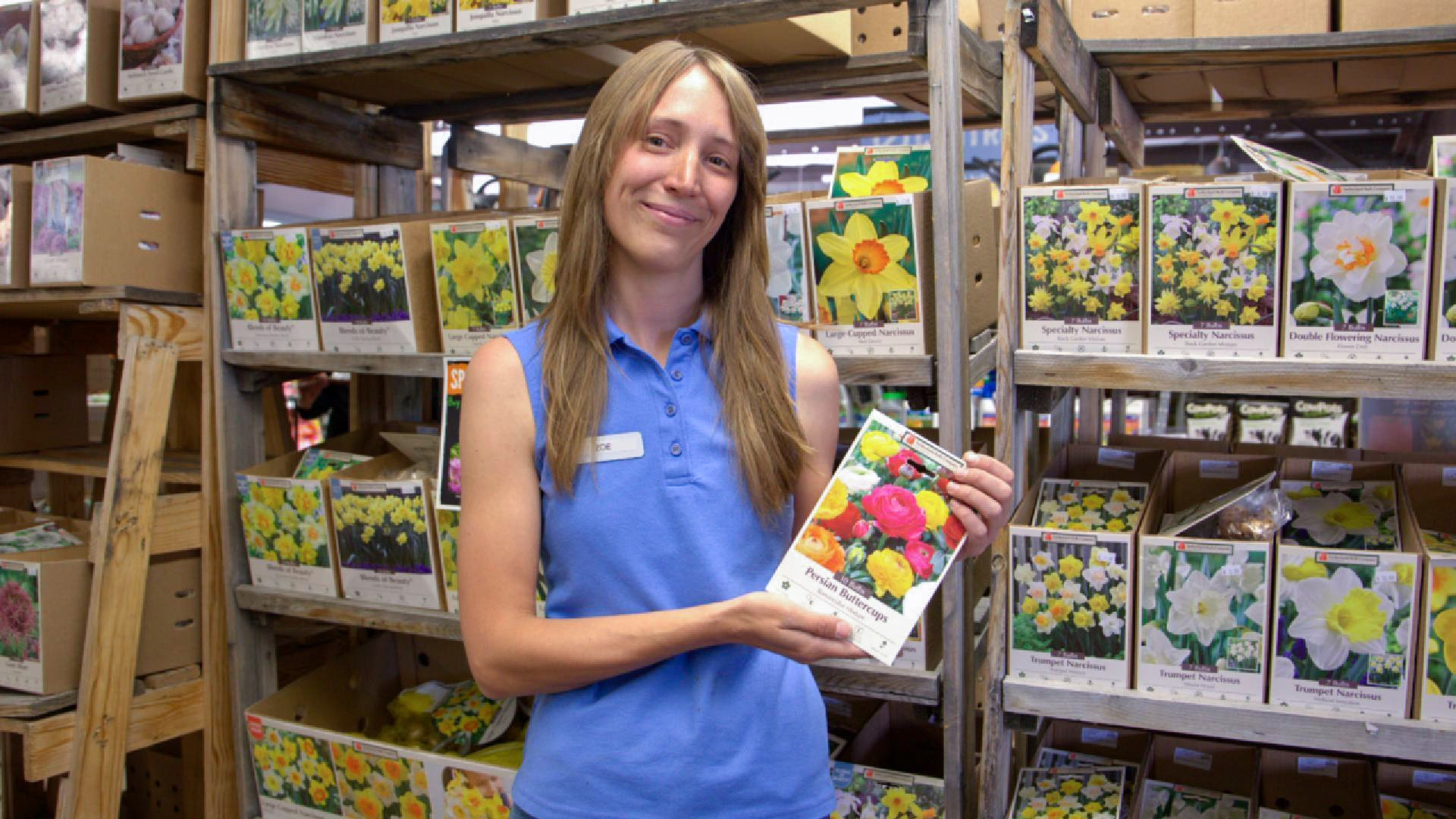
October is the perfect time to be planting your spring blooming bulbs. Planting now gives your bulbs time to grow nice strong roots before they bloom in the spring. Let’s get started!
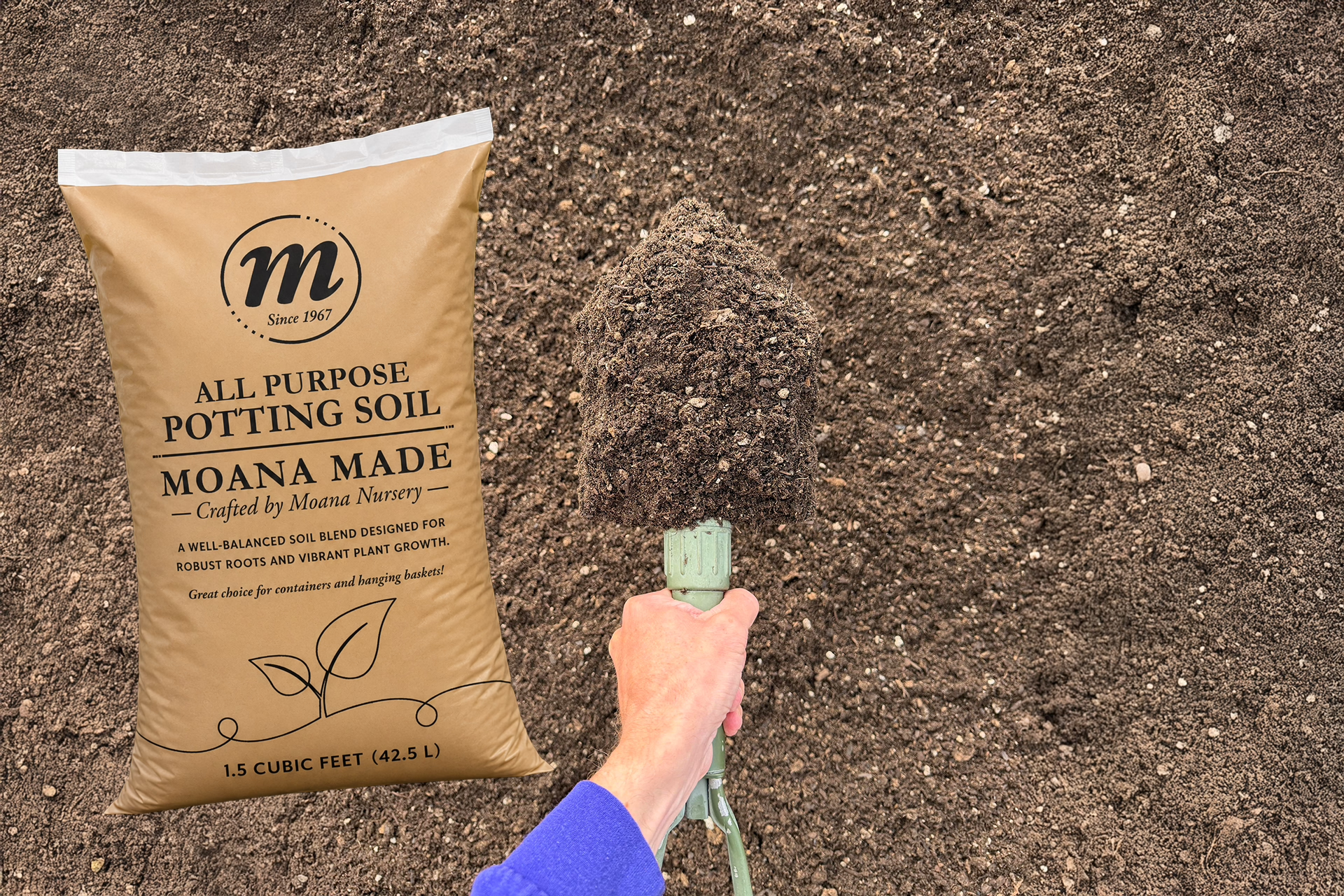
Moana Made All Purpose Potting Soil, a thoughtfully balanced growing blend crafted by Moana Nursery in partnership with Full Circle Compost. More than a product available at our garden centers, Moana Made is the same trusted blend we use at our local farm to grow Moana Grown plants.
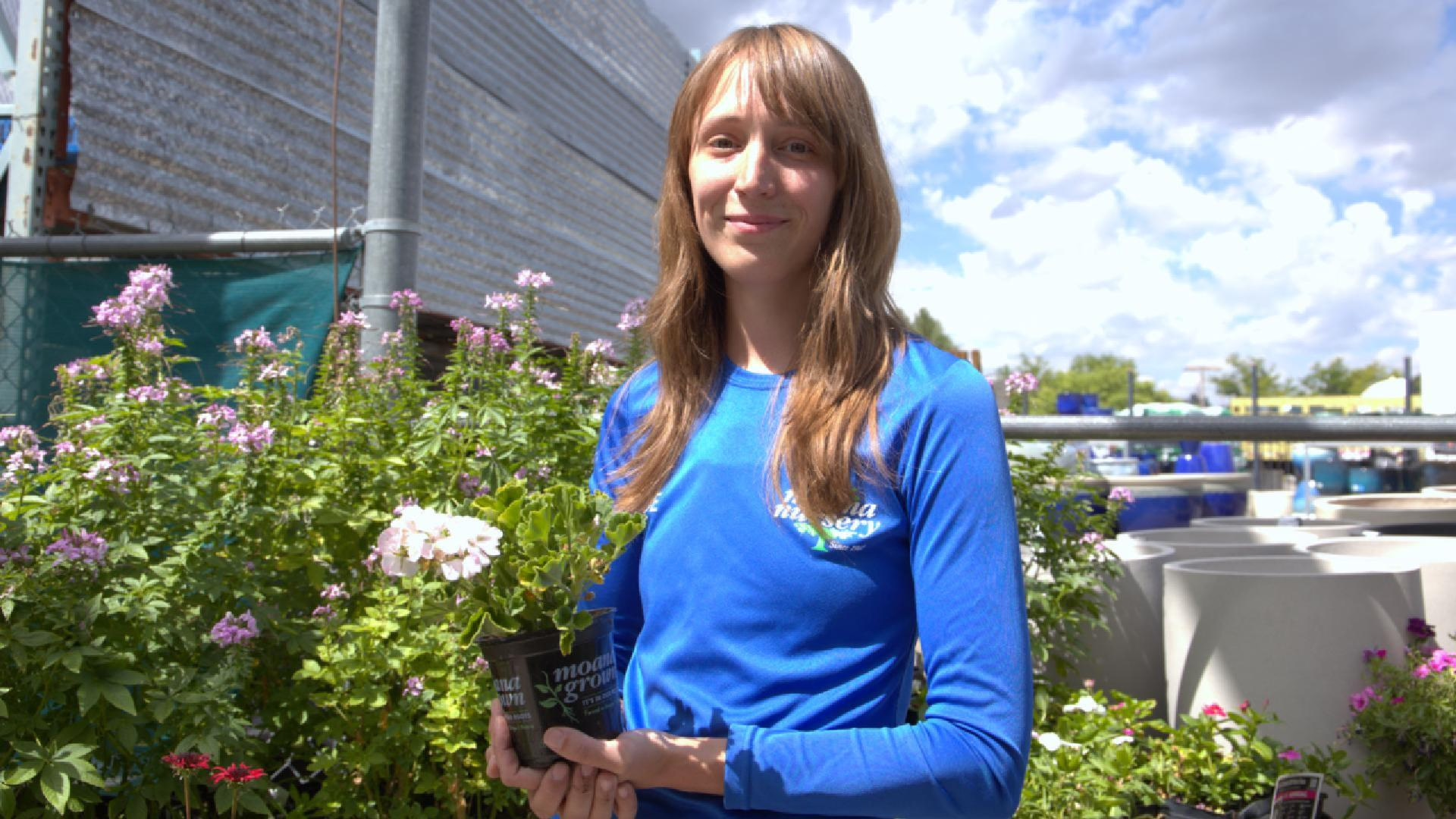
Summer in Reno can be tough on a garden. The good news is that most summer stress can be managed with a few consistent habits. Small adjustments can keep your garden growing, flowering and thriving through the hottest part of the season and into fall.