Share
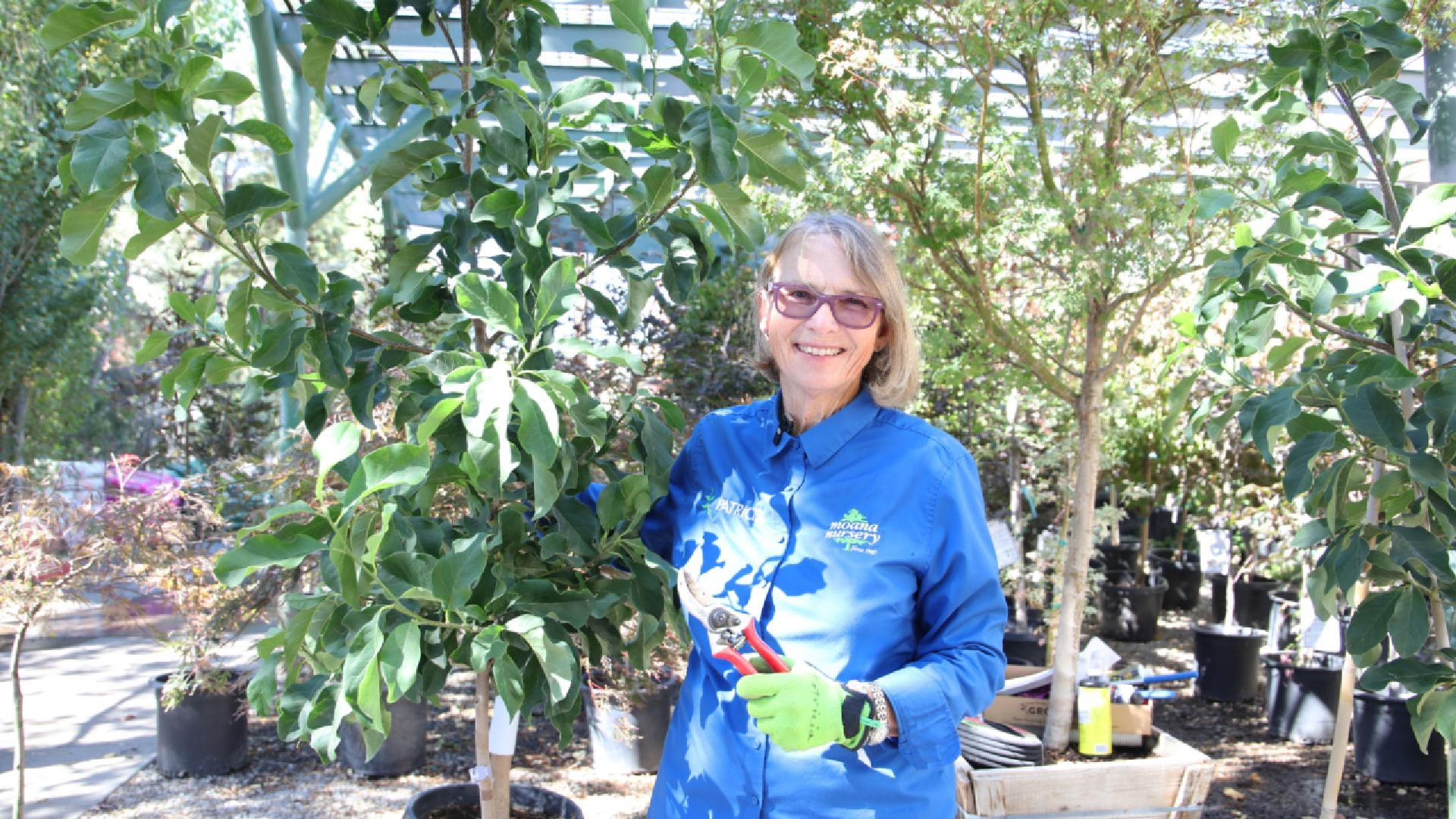
Pruning in fall is incredibly important for the overall health of your trees and shrubs. It might seem complicated but we’ll make it much simpler to understand, as well as provide some additional resources that can offer a more in depth look.
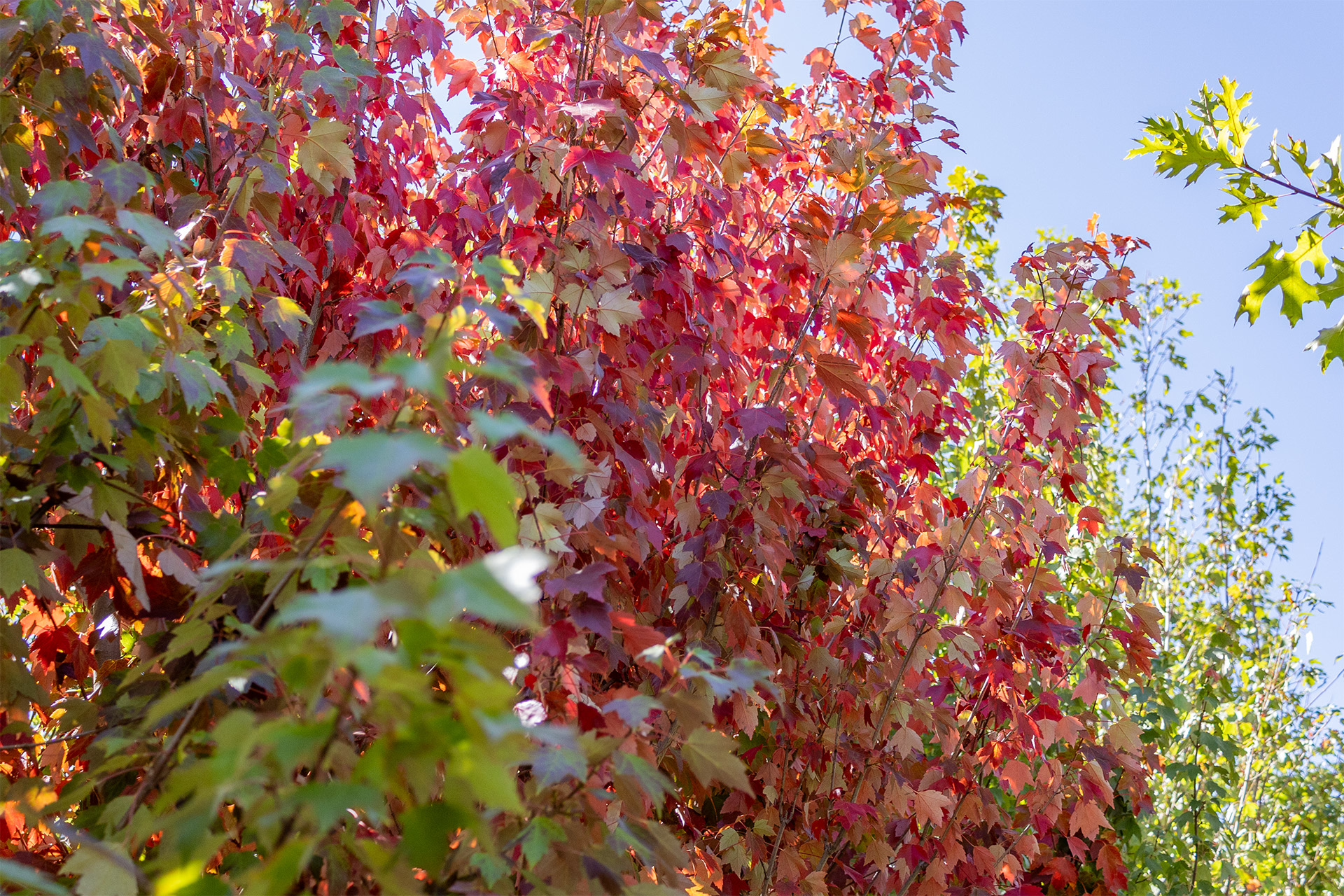
What is Pruning?
Pruning is done with a very straightforward objective, but it is important to understand that objective. So, why should you prune? If your tree is getting close to utility wires like telephone or electric cables*, if it is bothering your neighbor†, if it is an excurrent type tree with two leading stems (see “How do you prune a tree” for more detail on this), if your shrub has lots of leftover blossoms, if there are broken branches: all of these are reasons to prune, and this is not an exhaustive list.
*If your tree might be within 10 feet of a utility wire, do not prune it yourself. You are not allowed to do any cutting that close to a utility line. Contact the utility company, have them evaluate, and let them handle the pruning if necessary.
†Be aware when pruning a tree near a property line that you are not allowed to trim anything on your neighbor’s property, even if the tree is growing on your land. It is against the law.
When do you prune?
Most plants can be pruned in the fall. Some exceptions include early spring blooming shrubs like forsythia and thorny bushes like roses. Forsythia blooms in February so pruning it now removes the buds that will grow and bloom in spring. The reason we wait to prune roses in Northern Nevada is because the leftover foliage offers the plant protection from snow and ice over the winter.
Pruning Equipment
Pruning does not require a lot of equipment but there are a few important ones to have. Firstly, you should always wear gardening gloves. Why? It’s not just to protect your hands from sharp branches but you want very brightly colored gloves, like pink or neon green, so you can see your hands within the branches while cutting. Safety glasses are also always an excellent addition to your gardening toolkit, especially when pruning.
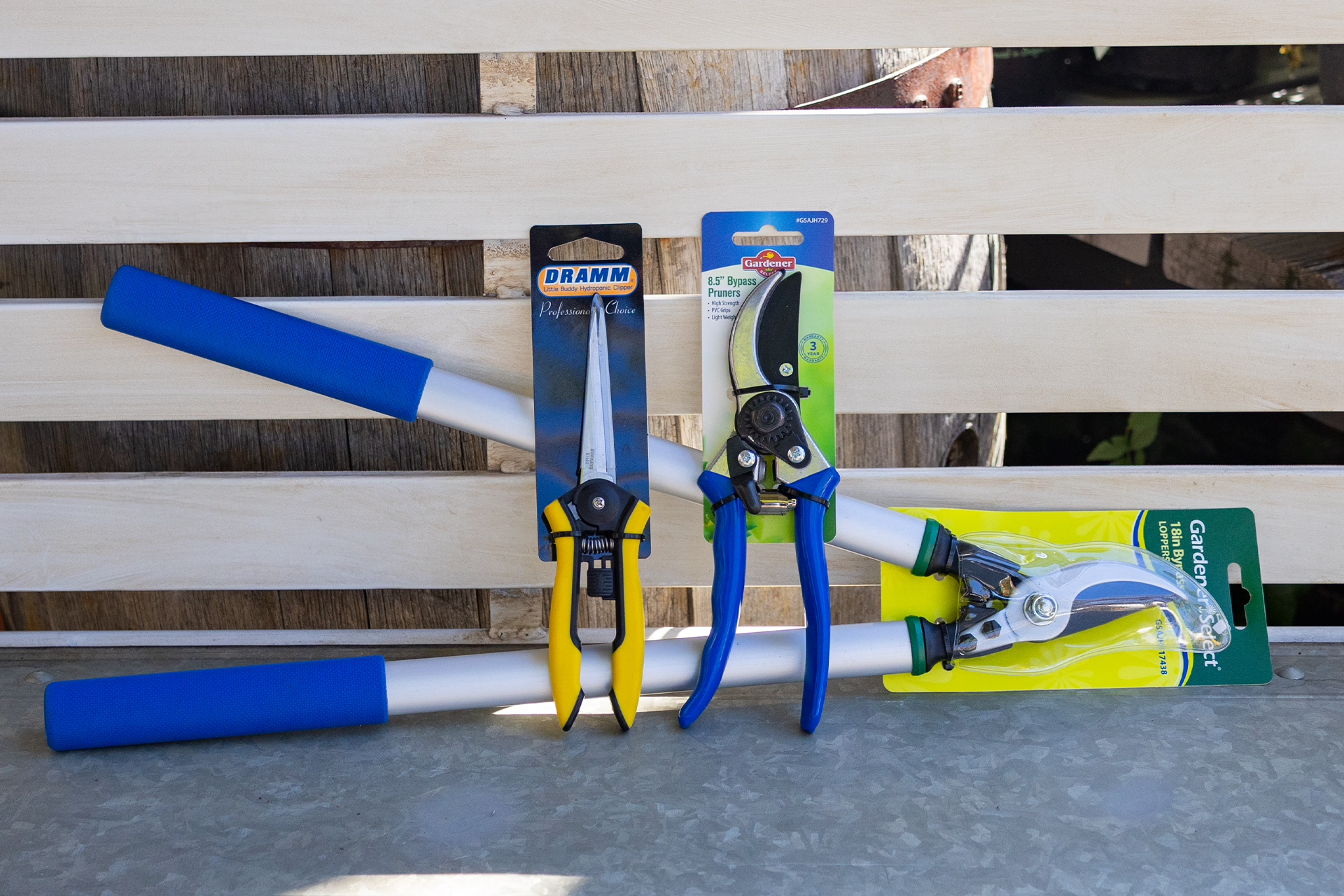
Pruning also requires some kind of cutting implement. Pruners, which also come in a needle nose variety that work well for pruning leaves and topiary, are the most well known. Lopers are the heavier duty version with very long handles: they can cut anything up to 3/8th of an inch, or even 3/4th of an inch if you are pushing it. Any branches that are bigger than 1-2 inches will likely require more protective equipment or even power tools like a chainsaw: look for tree service companies certified with ISA or TCIA to handle that kind of pruning.
It is also important to sanitize your cutting tools when switching between plants. Rubbing alcohol works great and will prevent the potential spread of disease between plants.
Other care for your tools can include linseed oil, which acts as a lubricant, and most importantly regular sharpening. You do not want your gardening shears to tear instead of cut.
How do you prune a tree?
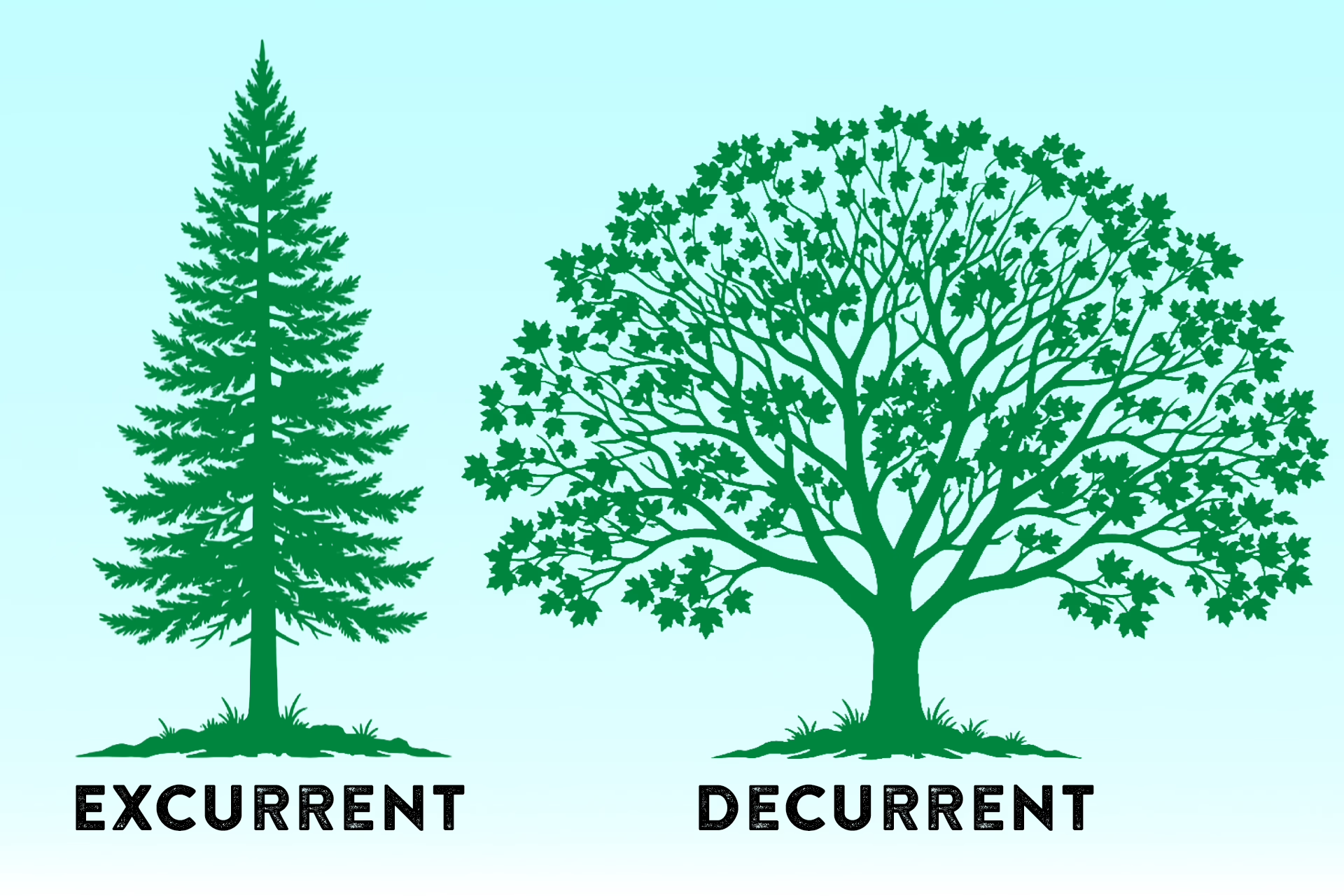
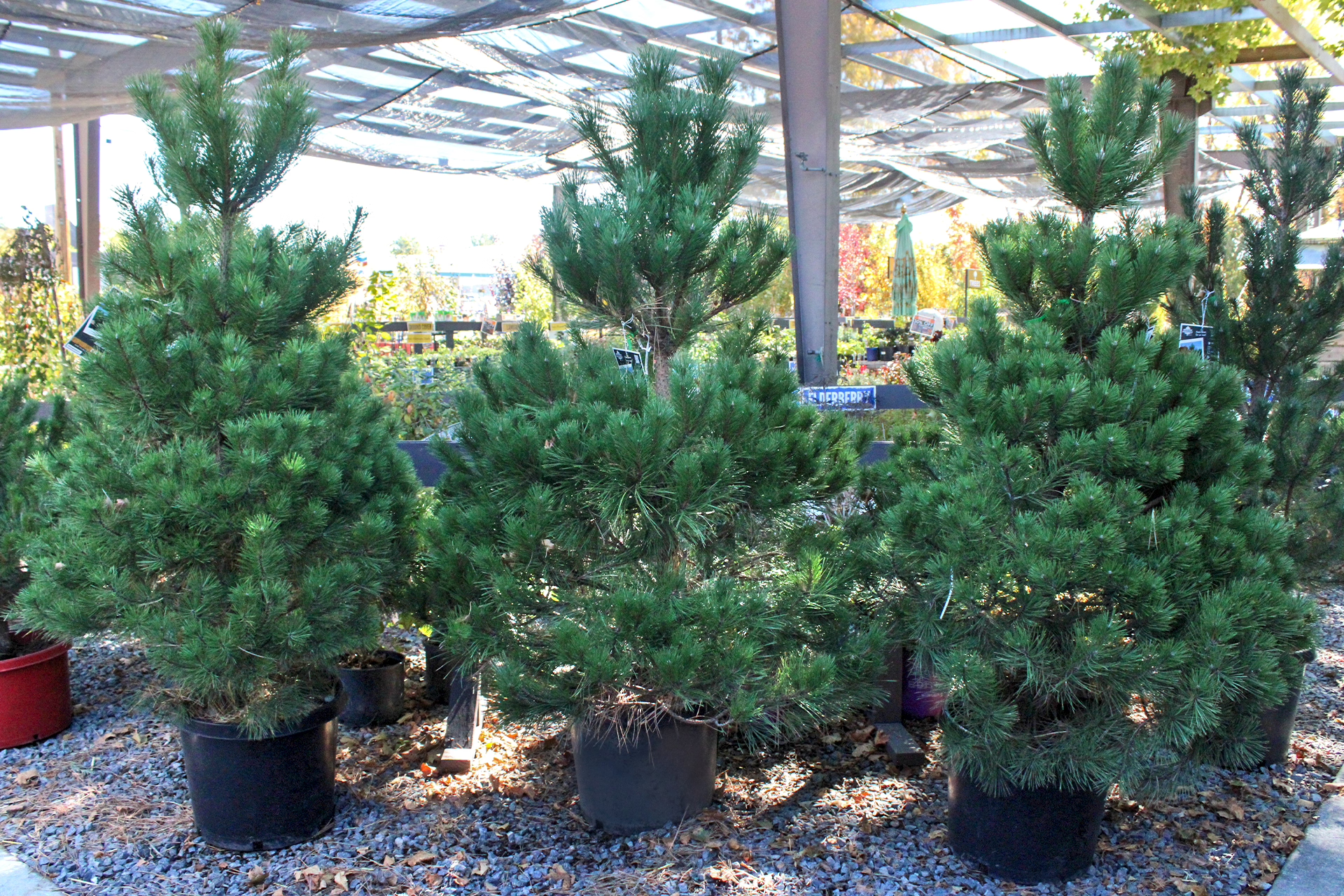
There are two general tree shapes, decurrent and excurrent. Decurrent trees tend to have a rounded shape with multiple central branches (think maples and oaks): shrubs are also technically decurrent. Excurrent trees are triangular with one central branch that is the tallest part of the tree (think conifers, like pines, and some deciduous like sweetgum and pin oak).
The leading branch of excurrent trees is incredibly important to the tree’s development. Do not strip the leaves (an old pruning method called “liontailing”) as the leaves are an invaluable part of how trees process and adapt to their environments and receive nutrients. Leave it as untouched as possible while pruning. Now, if you have two leading branches (or rather a competing leading branch) it’s very important to prune one as the branches will give mixed signals to the rest of the tree on what its needs are: you typically want to keep the taller/more upright of them.
For more general pruning, remove any unsightly leaves (those that are damaged, etc) and anything that looks diseased. Leaves that are rolled up may have insects or spiders living inside and it’s a good idea to remove those too. Many trees will not have leaves when you do prune in the fall but some, like oaks, will keep their dead leaves until spring: that’s perfectly normal.
For young trees, you can remove as much as 50% of the living tissue as it helps train the tree. For a medium aged tree, with a trunk of about 8-10 inches wide, that percentage decreases rapidly. You only want to be pruning 10-20% of the living tissue. For very mature trees, those that have been there for more than 50 years, you should remove no more than 10% at a time.
You should not use tar sealer on your tree cuts. Insects, bugs, and borers can get behind the tar and burrow into your tree without you knowing for years. If a cut is unsightly or so pale it contrasts heavily with the tree, you can lightly spray paint it with a waterproof spray paint.
How do you prune a shrub?
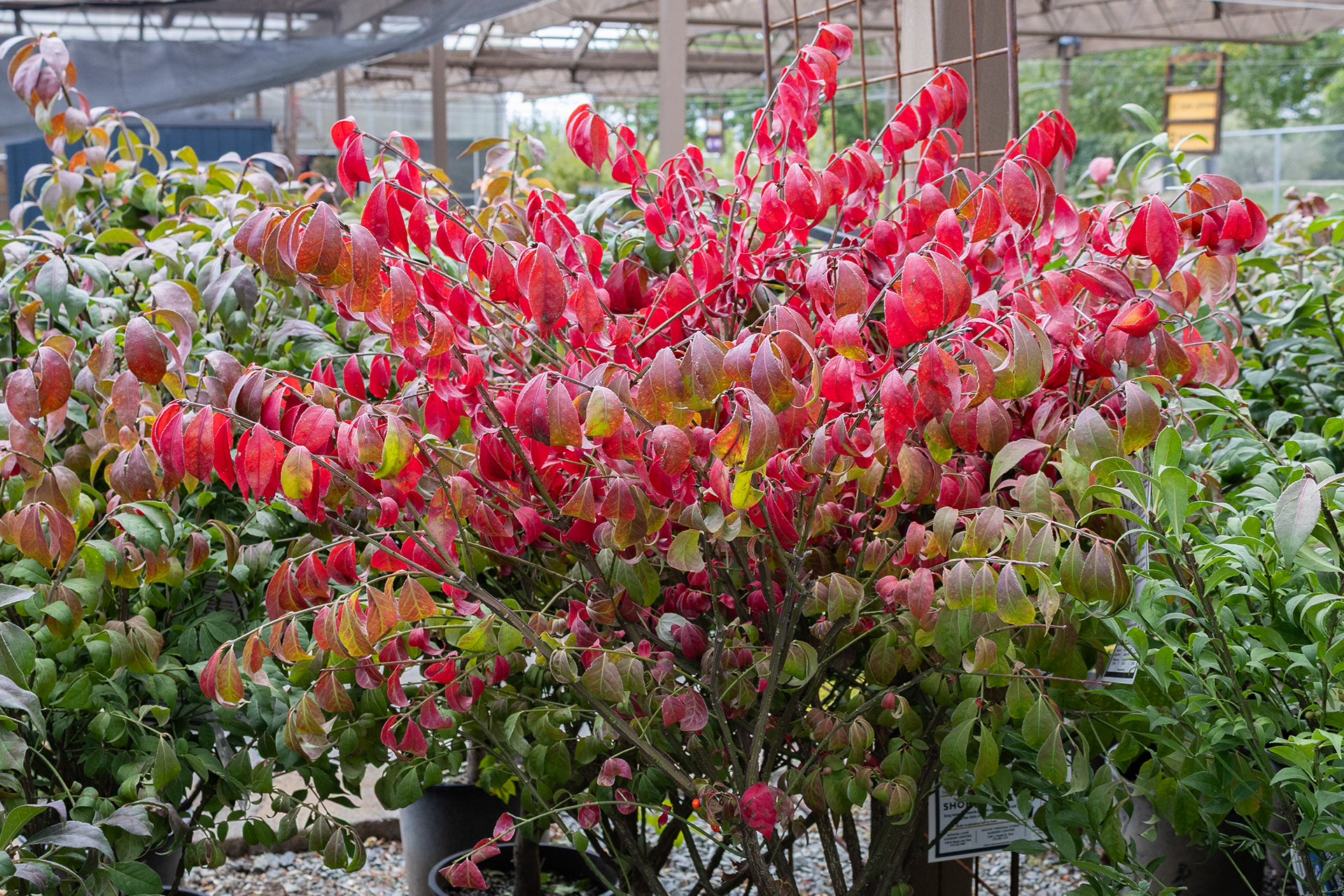
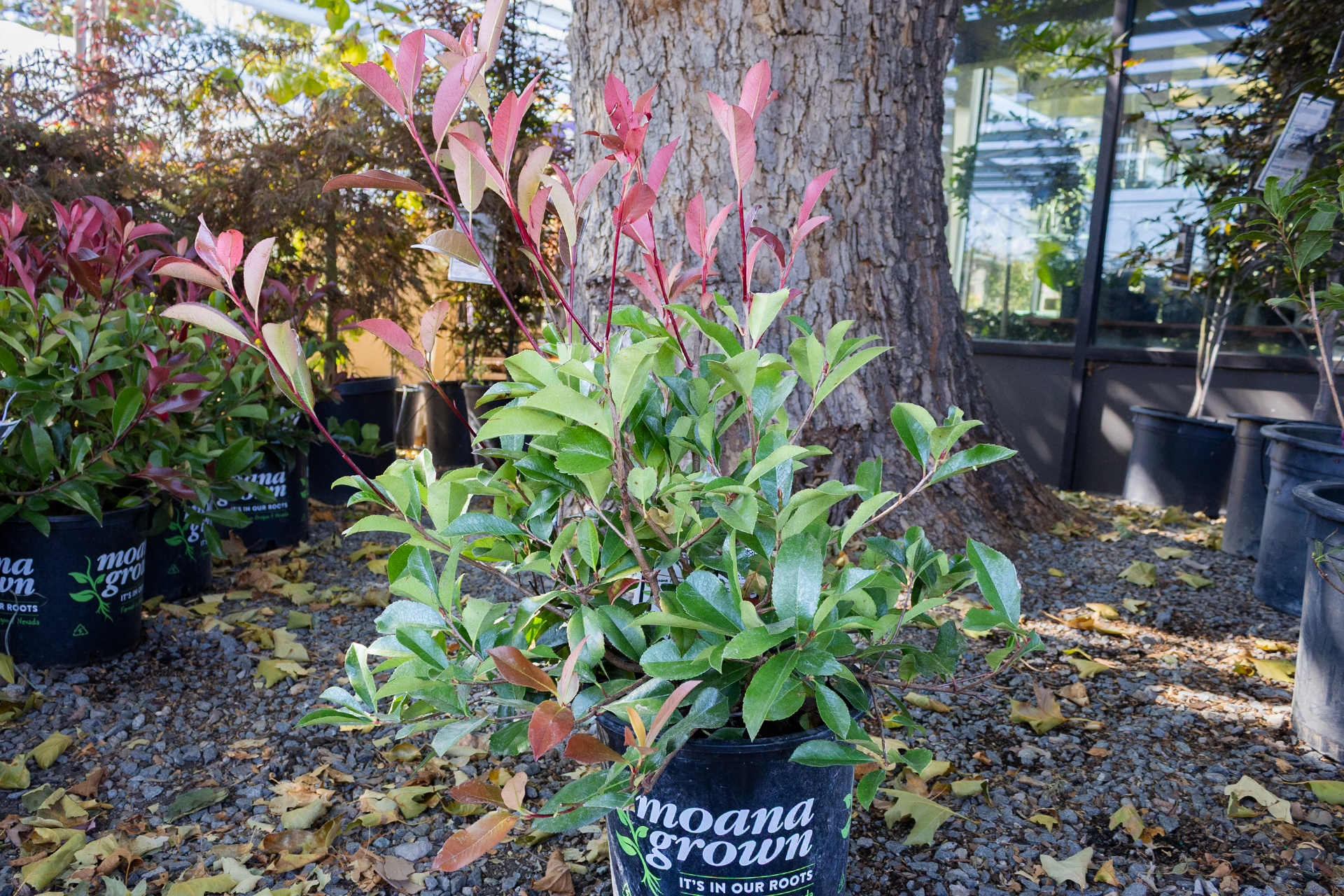
First, examine the overall shape: get an idea of how it’s growing, see if any branches are particularly tall compared to the rest, etc. After that, there’s a list of things you can start trimming: anything broken, leftover blooms from summer, anything growing towards the center, and anything that looks odd, peculiar, or unbalanced.
Be careful not to leave “stub cuts”. Branch unions are loaded with carbohydrates and other nutrients that will help your tree or shrub grow back healthier and fuller when left in tact.
After You’ve Finished Pruning
After you are done pruning, you should clean up. Invasive or harmful bugs like aphids, white fly, scale, and earwigs will spend winter in the dead leaves at the base of your tree or shrub if you leave them there. If you are ecoconscious or want to support beneficial bugs, foliage pruned from perennials and flowers can remain in the flowerbed, but you should remove leaves and such from around trees and shrubs.
Watering after pruning, especially for trees, is very important. Fertilizing also serves as a nice treat for your trees and shrubs after pruning and to help them prepare for winter: look for a fertilizer with high potassium.
Additional Resources
These are just the basics of pruning, but we hope it seems a bit less daunting. If you wish to learn more, look into the resources below and happy pruning.
ANSI A300 Pruning Standards by the American National Standards
An Illustrated Guide to Pruning 3rd Edition by Edward F. Gilman
Share
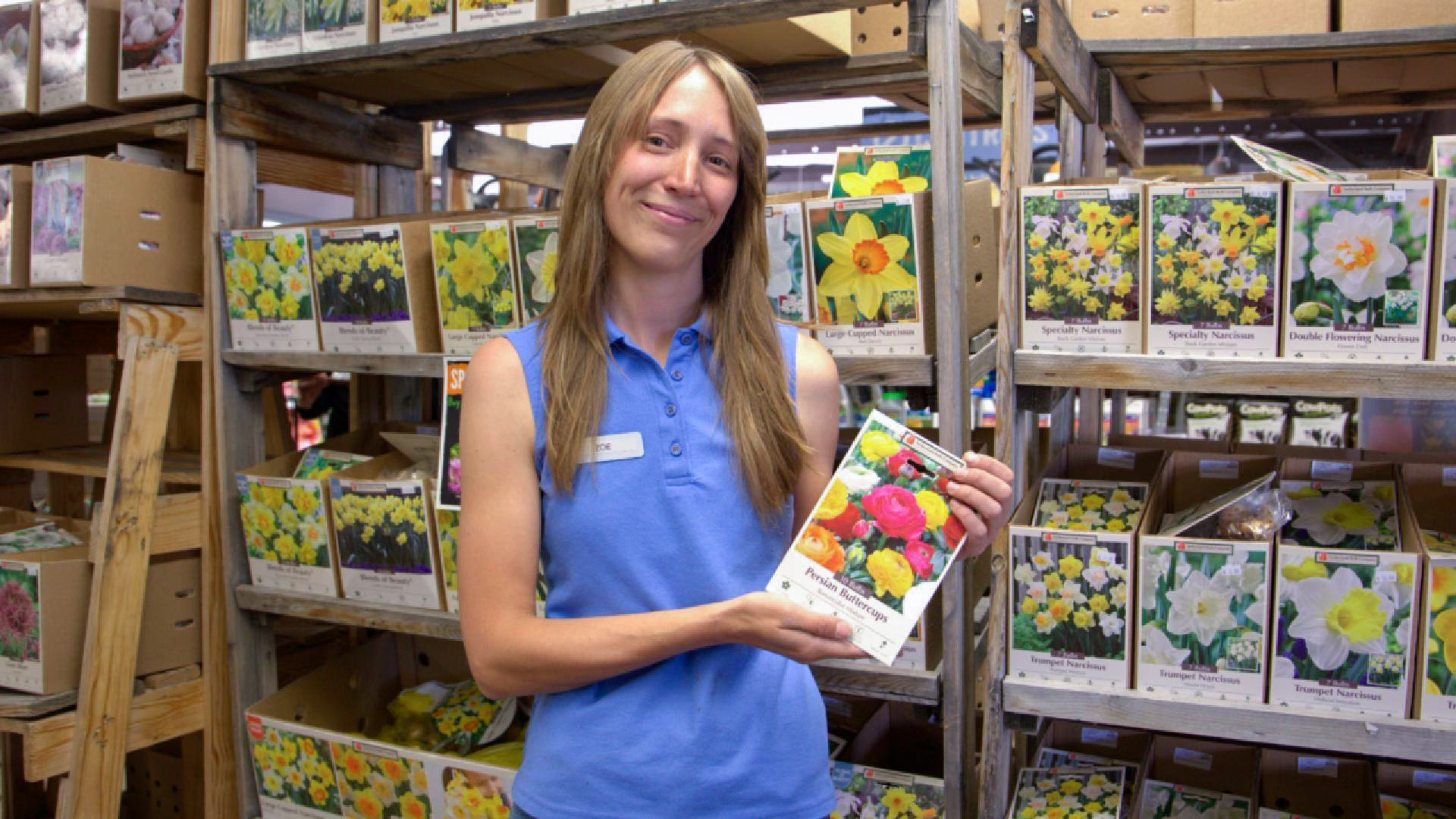
October is the perfect time to be planting your spring blooming bulbs. Planting now gives your bulbs time to grow nice strong roots before they bloom in the spring. Let’s get started!
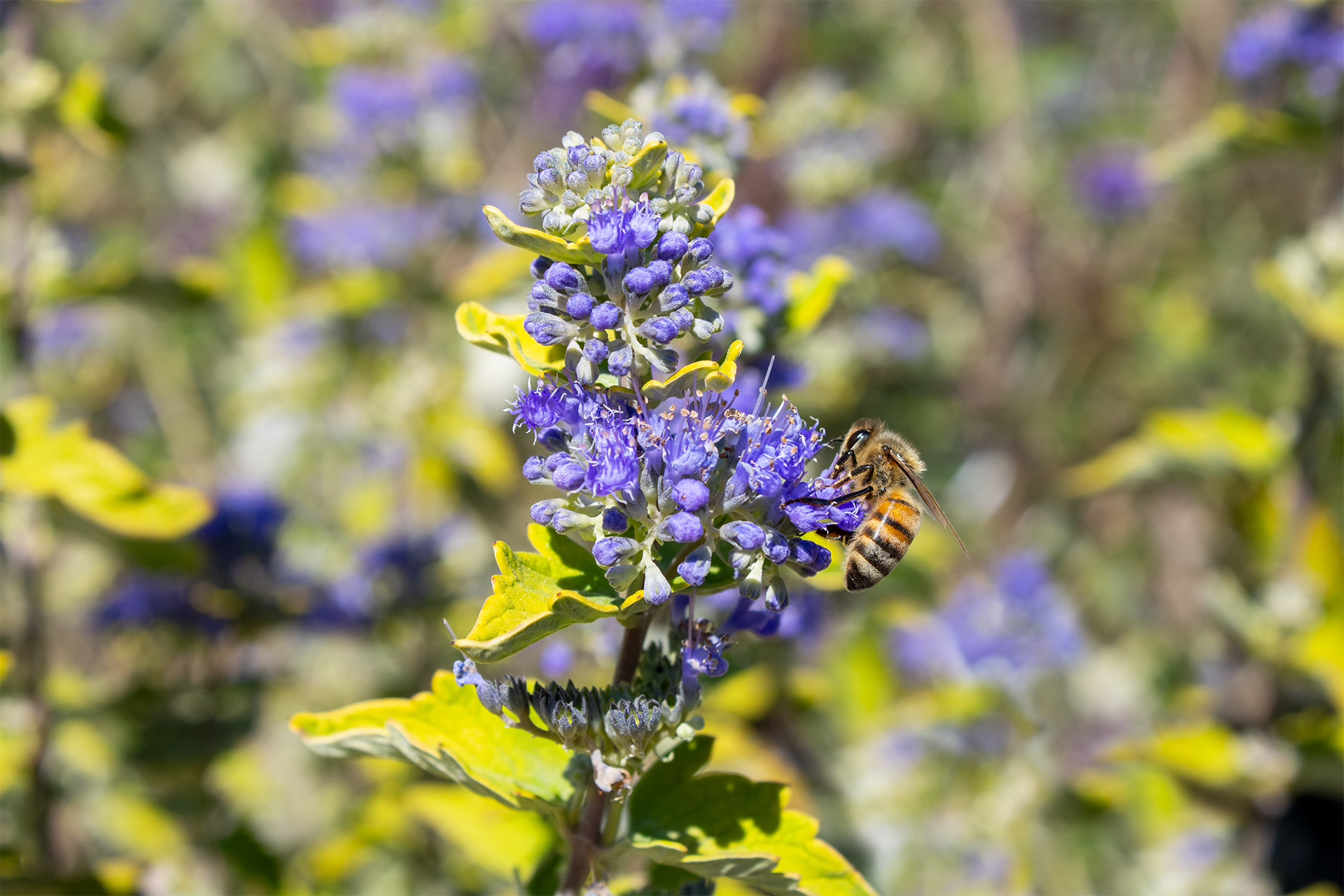
High desert gardeners ask a lot of their plants. A successful shrub must tolerate intense sunlight, dry air, temperature swings, alkaline soil and winter cold, while still bringing color and life to the landscape. Caryopteris meets that challenge beautifully.
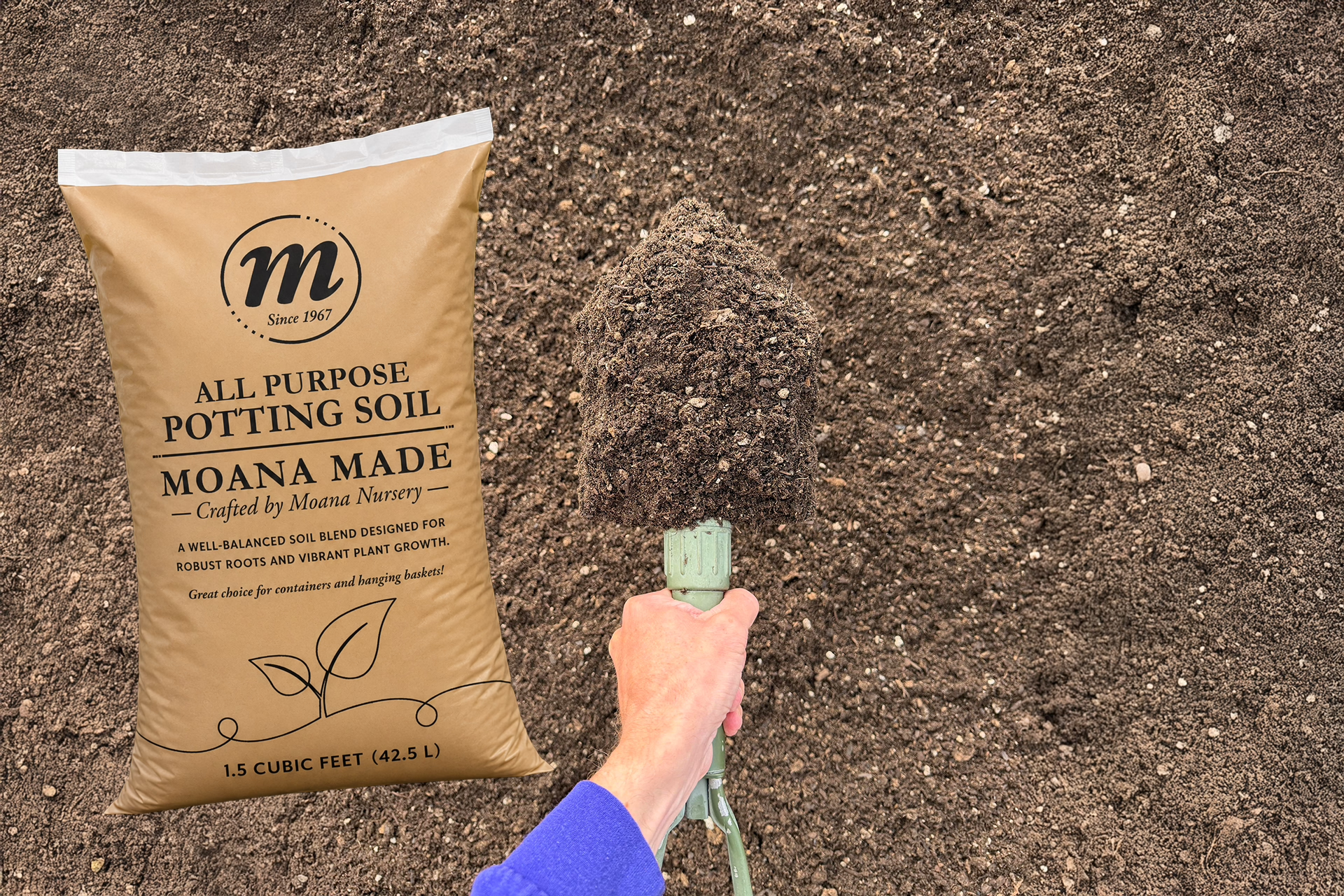
Moana Made All Purpose Potting Soil, a thoughtfully balanced growing blend crafted by Moana Nursery in partnership with Full Circle Compost. More than a product available at our garden centers, Moana Made is the same trusted blend we use at our local farm to grow Moana Grown plants.
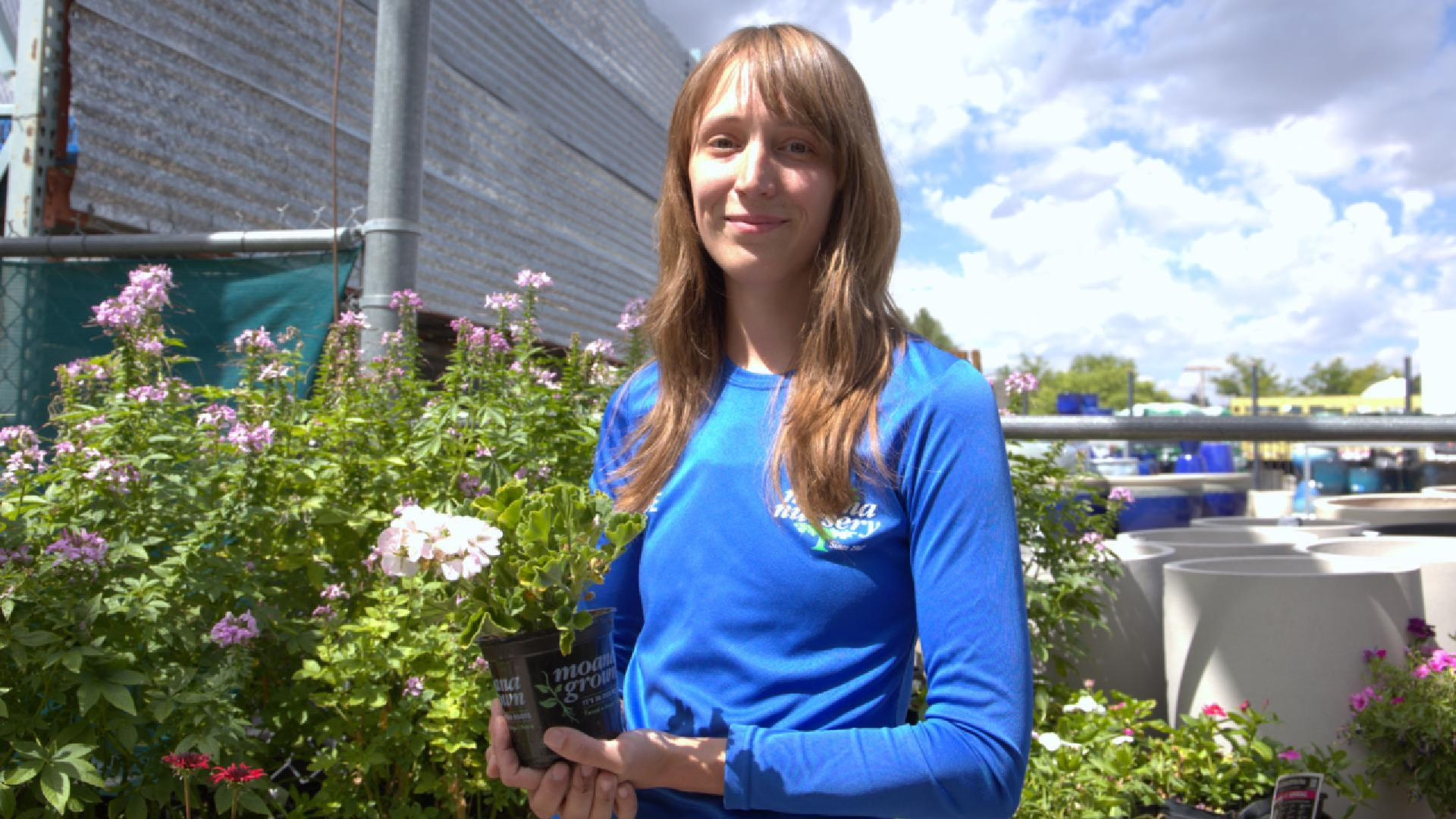
Summer in Reno can be tough on a garden. The good news is that most summer stress can be managed with a few consistent habits. Small adjustments can keep your garden growing, flowering and thriving through the hottest part of the season and into fall.