
Share
Royal Raindrops® Crabapple: A Colorful Showpiece for Your High Desert Garden
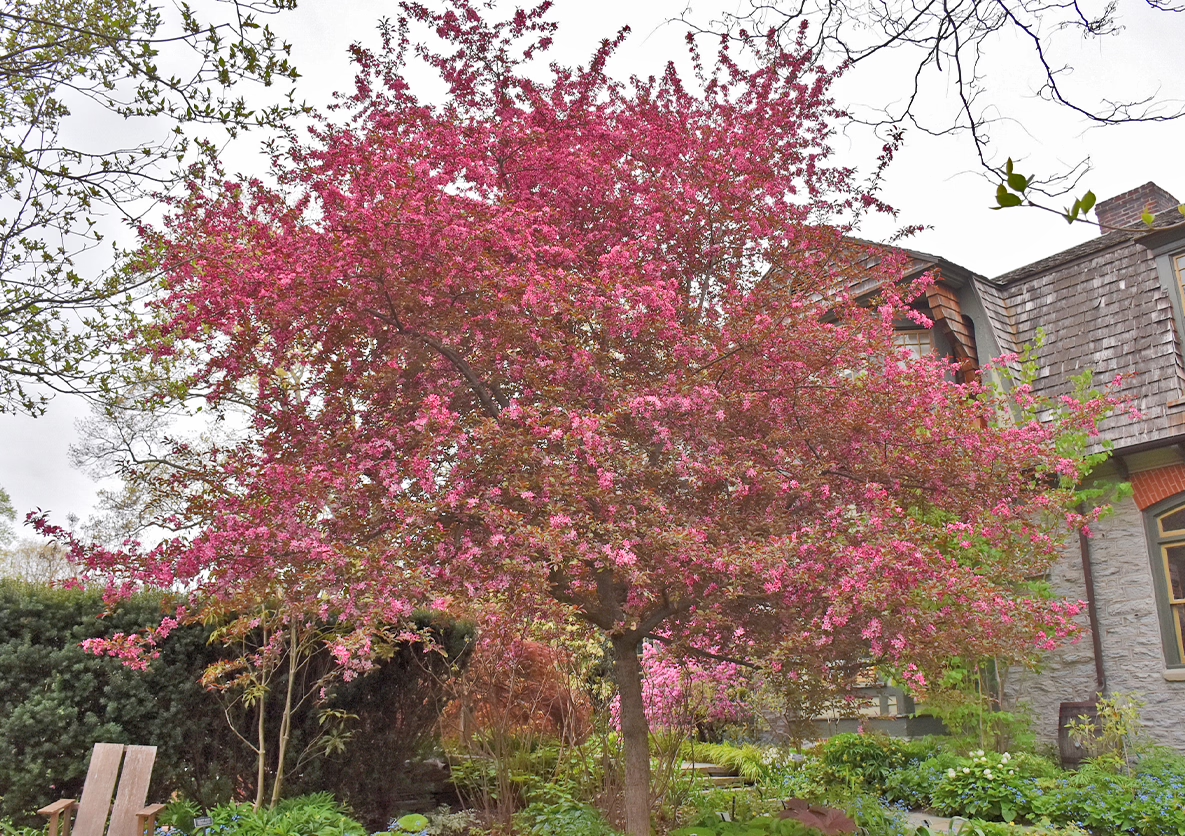
If you’re looking for a tree that delivers eye-catching color from spring through fall, the Royal Raindrops® Crabapple is an exceptional choice. With its vibrant magenta spring blooms, unique purple foliage, and brilliant fall color, this ornamental tree offers season-long interest while remaining hardy enough to thrive in the high desert.
In this article, we’ll explore what makes the Royal Raindrops® Crabapple unique, why it performs so well in the high desert, and how to care for it so it continues to enhance your landscape for years to come.
What Makes the Royal Raindrops® Crabapple Different?
The Royal Raindrops® Crabapple is one of the most striking ornamental crabapple varieties available. Here’s what sets it apart:
- Vibrant Spring Blooms
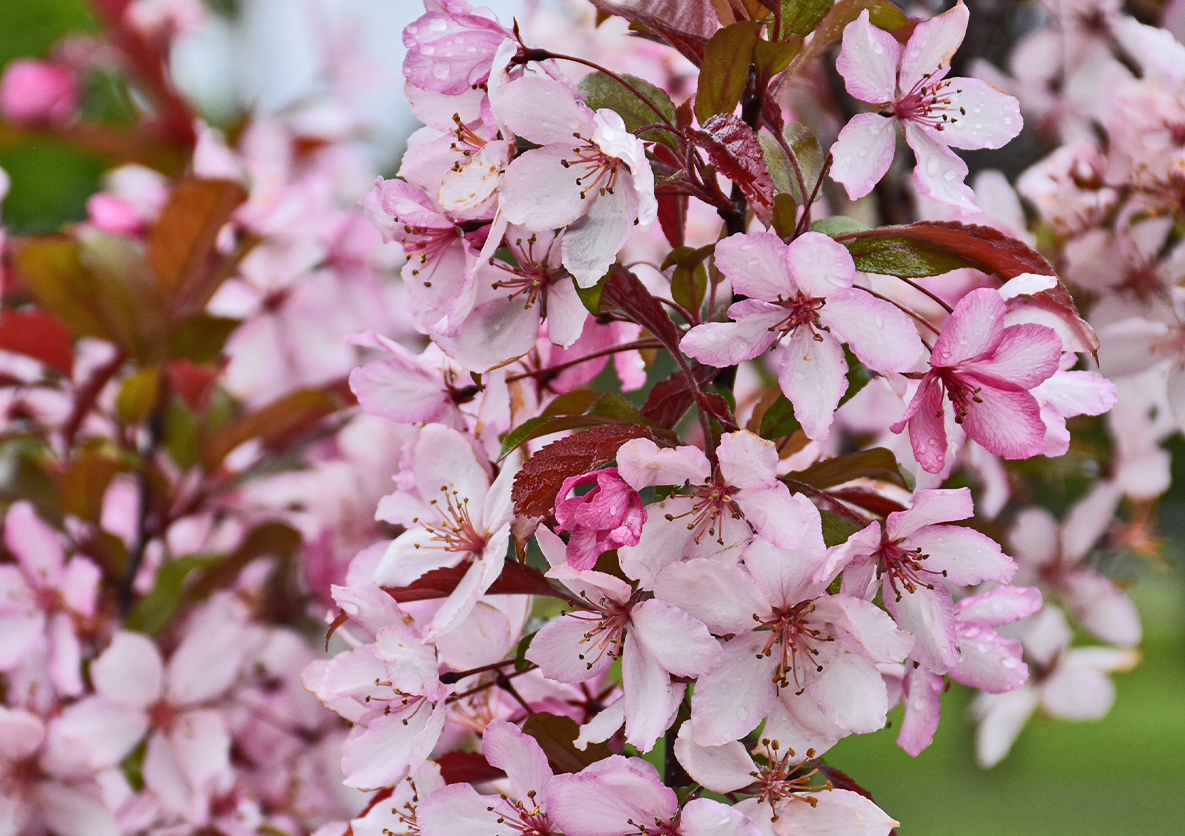
In early spring, the Royal Raindrops® Crabapple bursts into bloom with masses of bright magenta-pink flowers that cover the branches before the tree is fully leafed out. These colorful blossoms attract bees, butterflies, and other beneficial pollinators, making the tree as valuable for wildlife as it is beautiful.
- Distinctive Purple Foliage
Unlike traditional crabapples with green leaves, the Royal Raindrops® Crabapple produces deeply lobed, cutleaf foliage in a rich burgundy-purple color. The unique leaf shape and color create visual interest throughout the growing season, even after the flowers have faded.
- Brilliant Fall Color
As autumn arrives, the foliage transforms into stunning shades of bronze, orange, and deep red. Combined with its ornamental fruit, the tree provides a spectacular display that extends well beyond the traditional growing season.
- Persistent Bright Red Fruit
Following the spring blooms, the tree develops small, glossy red crabapples that remain on the branches well into winter. These fruits provide seasonal beauty while also serving as a valuable food source for birds and other wildlife.
- Excellent Disease Resistance
Royal Raindrops® was bred for superior resistance to common crabapple diseases such as apple scab, cedar-apple rust, powdery mildew, and fire blight. This makes it a low-maintenance choice for homeowners who want beautiful blooms without constant upkeep.
Why the Royal Raindrops® Crabapple Thrives in the High Desert
Although ornamental flowering trees can sometimes struggle in harsh climates, the Royal Raindrops® Crabapple adapts remarkably well to high desert conditions with proper care.
- Cold Hardiness
This variety is highly cold-hardy, making it well-suited for high desert regions where winter temperatures often fall below freezing. It tolerates snow, frost, and rapid seasonal temperature changes with ease.
- Moderate Drought Tolerance
Once established, the Royal Raindrops® Crabapple handles periods of dry weather better than many flowering trees. While it appreciates regular irrigation during the hottest months, it becomes increasingly drought-tolerant as its root system matures.
- Adaptability to Different Soils
This tree performs well in a wide range of soil types, including the sandy and rocky soils often found throughout the high desert. Good drainage is essential, as crabapples prefer soil that remains moist but never waterlogged.
- Four-Season Interest
Few ornamental trees provide as much year-round appeal. From colorful spring flowers and rich purple foliage to brilliant fall color and bright winter fruit, Royal Raindrops® brings beauty to the landscape in every season.
Care Tips for the Royal Raindrops® Crabapple in the High Desert
Following these care recommendations will help your Royal Raindrops® Crabapple thrive for decades.
- Planting Location
- Choose a location that receives full sun, with at least six hours of direct sunlight each day.
- Plant in well-drained soil to promote healthy root development.
- Allow adequate space for the tree to reach its mature size of approximately 15 to 20 feet tall and 15 to 20 feet wide.
- Watering
- Water deeply and consistently during the first two growing seasons while the root system becomes established.
- Once mature, provide deep watering every 10–14 days during hot, dry weather, adjusting as needed based on rainfall and temperatures.
- Drip irrigation works especially well by delivering moisture directly to the root zone while keeping the foliage dry.
- Soil Preparation
- Improve planting soil by incorporating compost or other organic matter to increase moisture retention and soil health.
- Apply a 2–4 inch layer of mulch around the base of the tree to help regulate soil temperature and conserve moisture.
- Keep mulch several inches away from the trunk to reduce the risk of rot and insect damage.
- Fertilizing
- Fertilize in early spring using a balanced, slow-release fertilizer formulated for ornamental trees.
- Avoid excessive fertilization, which can promote excessive leafy growth at the expense of flowering.
- In most landscapes, one annual feeding is sufficient for healthy growth.
- Pruning
- Prune in late winter or early spring before new growth begins.
- Remove dead, damaged, or crossing branches to maintain good air circulation and an attractive canopy.
- Minimal pruning is needed due to the tree’s naturally balanced growth habit.
- Winter Protection
- Young trees may benefit from trunk wraps during their first few winters to protect against sunscald and frost cracking.
- Continue watering occasionally during dry winter periods whenever the ground is not frozen.
Landscaping Ideas with Royal Raindrops® Crabapple
The Royal Raindrops® Crabapple brings exceptional color and texture to a variety of landscape designs.
- Specimen Tree: Plant it as a focal point where its colorful flowers, foliage, and fruit can be enjoyed throughout the year.
- Entryway Accent: Its compact size makes it an excellent choice near front entrances, patios, and garden pathways.
- Pollinator Garden: The vibrant spring blooms provide an early-season nectar source for bees, butterflies, and other beneficial insects.
- Mixed Landscape Beds: Pair it with evergreen shrubs, ornamental grasses, or flowering perennials to create year-round contrast and texture.
- Wildlife-Friendly Garden: The persistent crabapples provide winter food for birds while adding vibrant color to the landscape long after the leaves have fallen.
A Tree That Delivers Beauty in Every Season
The Royal Raindrops® Crabapple is an outstanding ornamental tree that combines vibrant spring blooms, unique purple foliage, brilliant fall color, and attractive winter fruit into one compact package. Its disease resistance, manageable size, and adaptability make it an excellent choice for homeowners throughout the high desert.
Whether you’re creating a colorful focal point, attracting pollinators, or simply looking for a low-maintenance tree with four-season interest, the Royal Raindrops® Crabapple is sure to become one of the highlights of your landscape for years to come.
Share
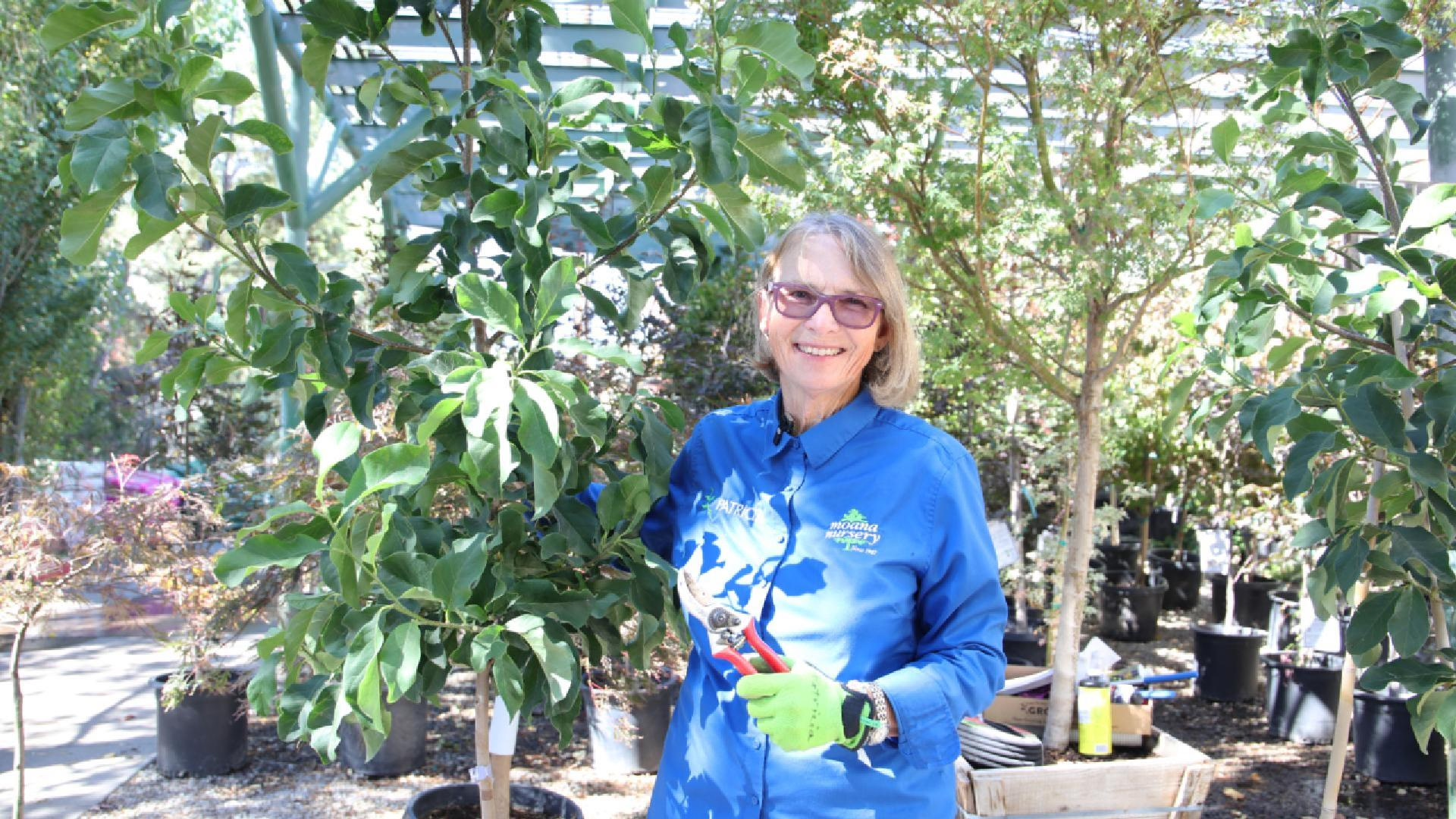
Pruning in fall is important for the health of your trees and shrubs. It might seem complicated, but we’ll make it much simpler to understand!
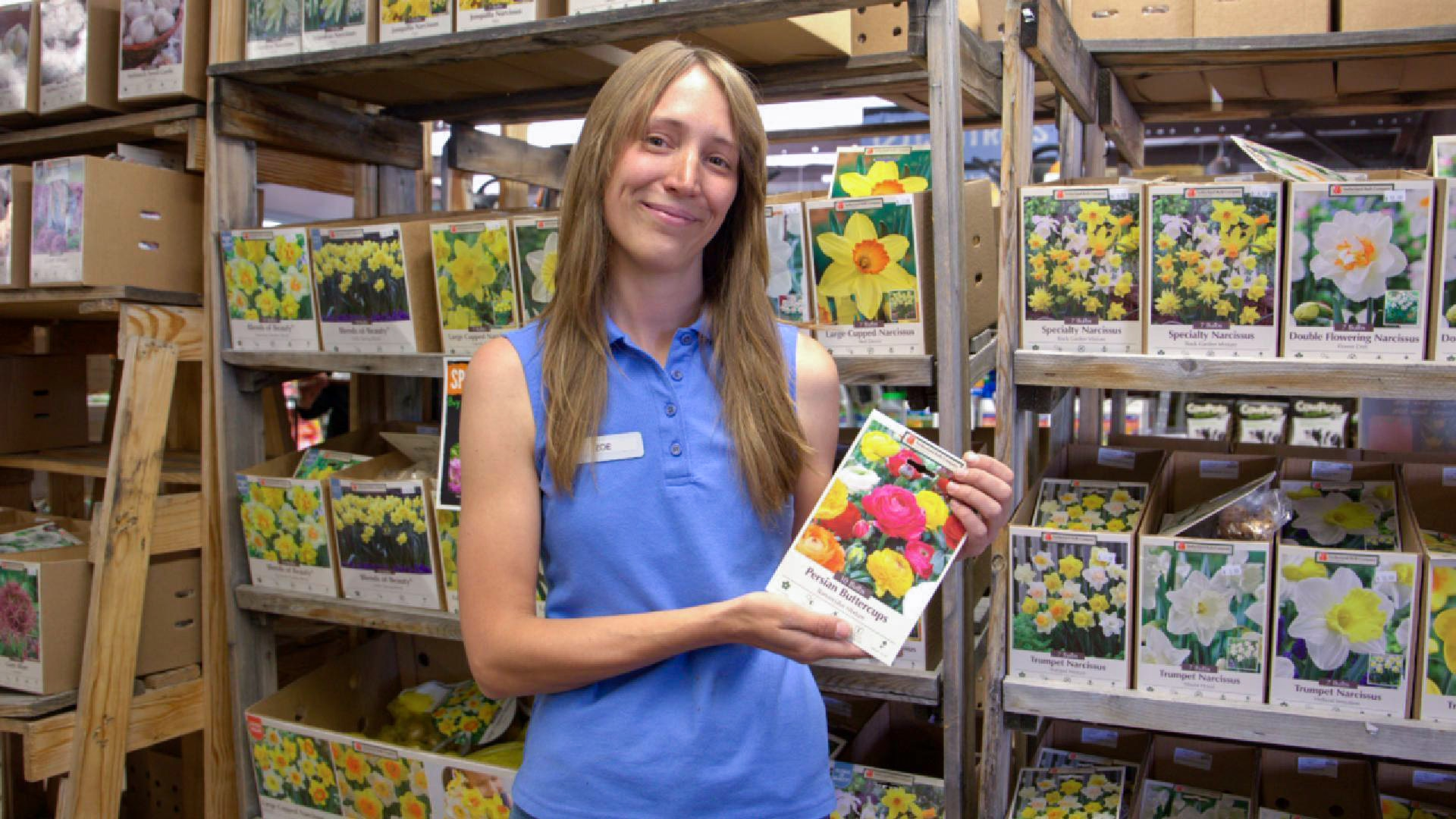
October is the perfect time to be planting your spring blooming bulbs. Planting now gives your bulbs time to grow nice strong roots before they bloom in the spring. Let’s get started!
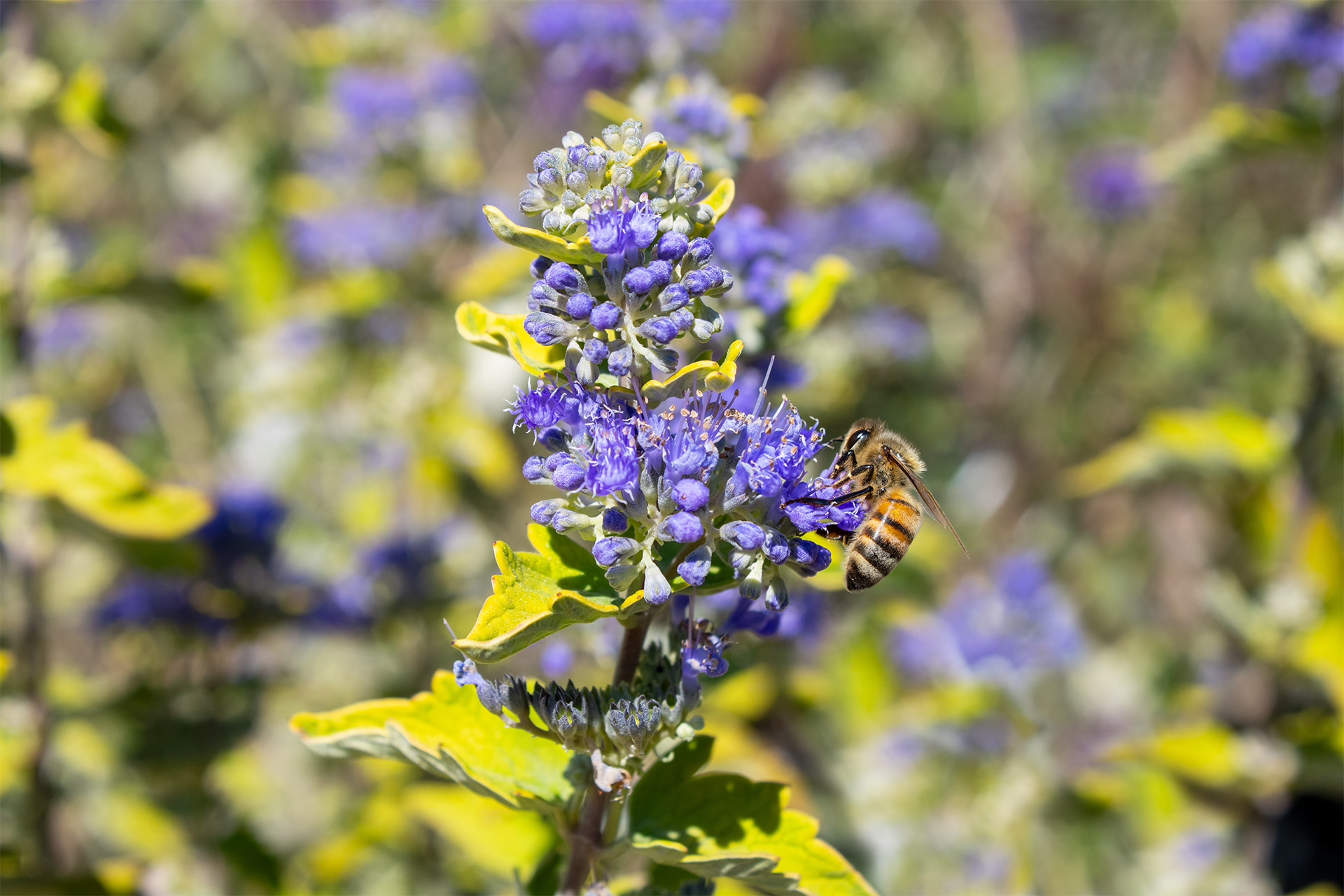
High desert gardeners ask a lot of their plants. A successful shrub must tolerate intense sunlight, dry air, temperature swings, alkaline soil and winter cold, while still bringing color and life to the landscape. Caryopteris meets that challenge beautifully.
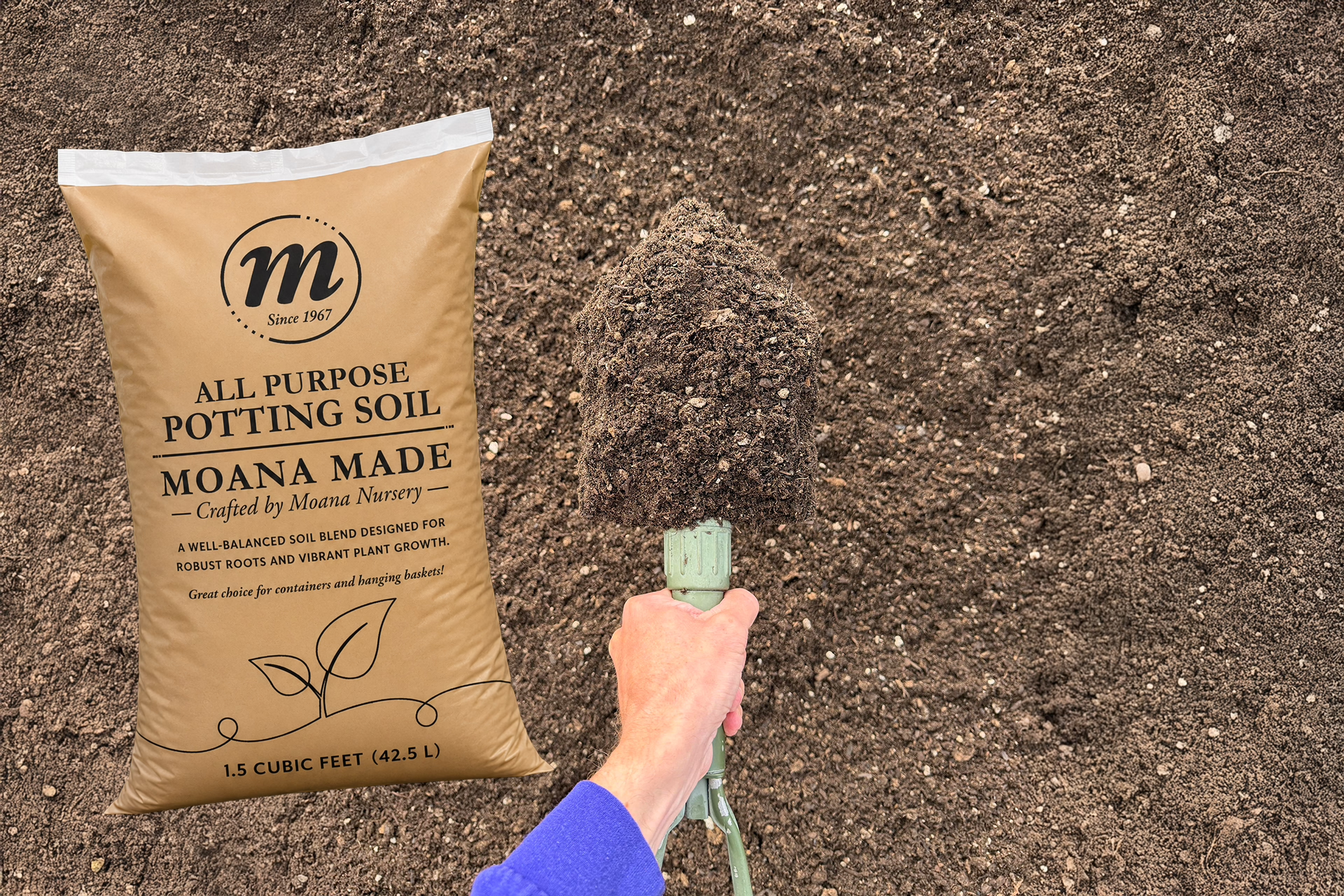
Moana Made All Purpose Potting Soil, a thoughtfully balanced growing blend crafted by Moana Nursery in partnership with Full Circle Compost. More than a product available at our garden centers, Moana Made is the same trusted blend we use at our local farm to grow Moana Grown plants.