Share
Canada Red Chokecherry: A Hardy, Colorful Addition to Your High Desert Landscape
If you’re looking for a tree that offers rich purple foliage, fragrant spring flowers, and exceptional hardiness, the Canada Red Chokecherry (Prunus virginiana ‘Canada Red’) is an excellent choice. This versatile ornamental tree provides season-long beauty while thriving in challenging climates, making it a favorite for high desert landscapes.
In this article, we’ll explore what makes the Canada Red Chokecherry unique, why it performs so well in the high desert, and how to care for it so it continues to add beauty and value to your landscape for years to come.
What Makes the Canada Red Chokecherry Different?
The Canada Red Chokecherry is prized for its striking foliage, fragrant blooms, and adaptability. Here’s what makes it stand out:
- Rich Burgundy Foliage
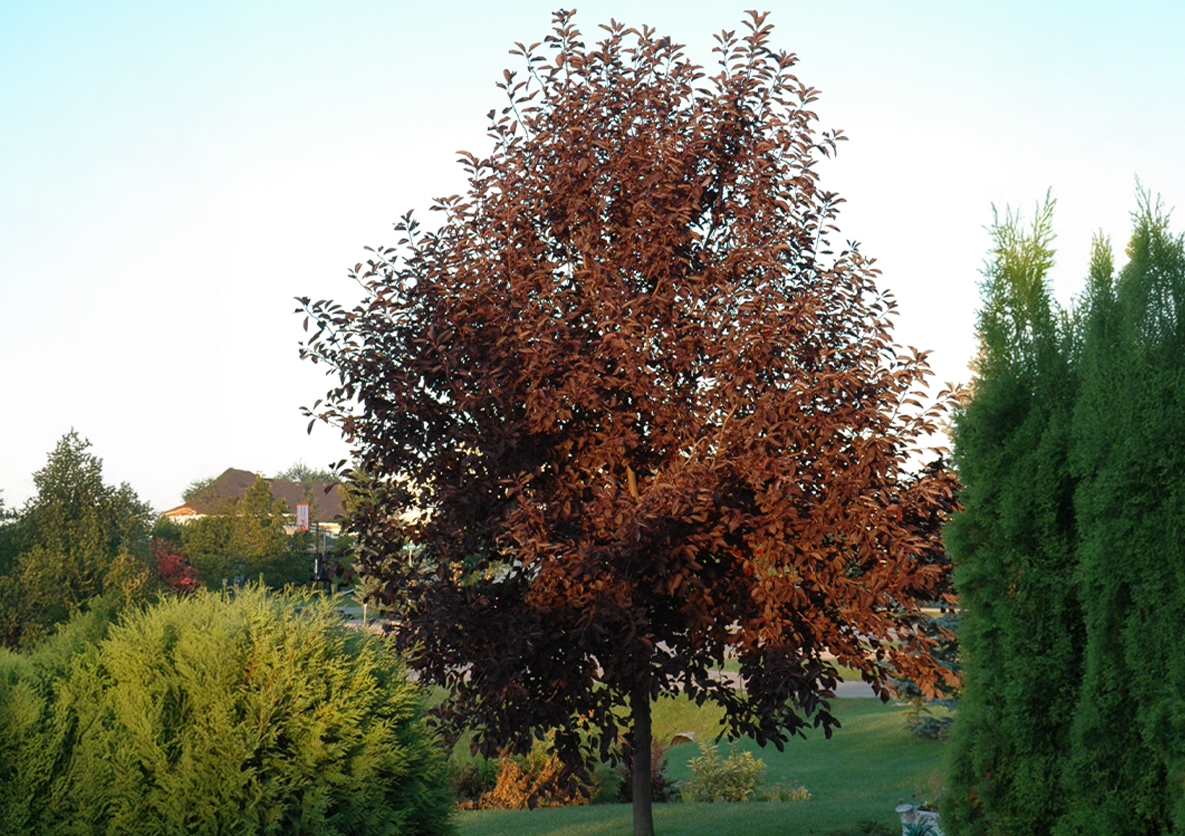
One of the Canada Red Chokecherry’s most distinctive features is its dramatic foliage. New leaves emerge bright green in spring before gradually maturing into a deep burgundy-purple by early summer. This vibrant foliage remains throughout the growing season, providing beautiful contrast against green landscapes.
- Fragrant Spring Blossoms
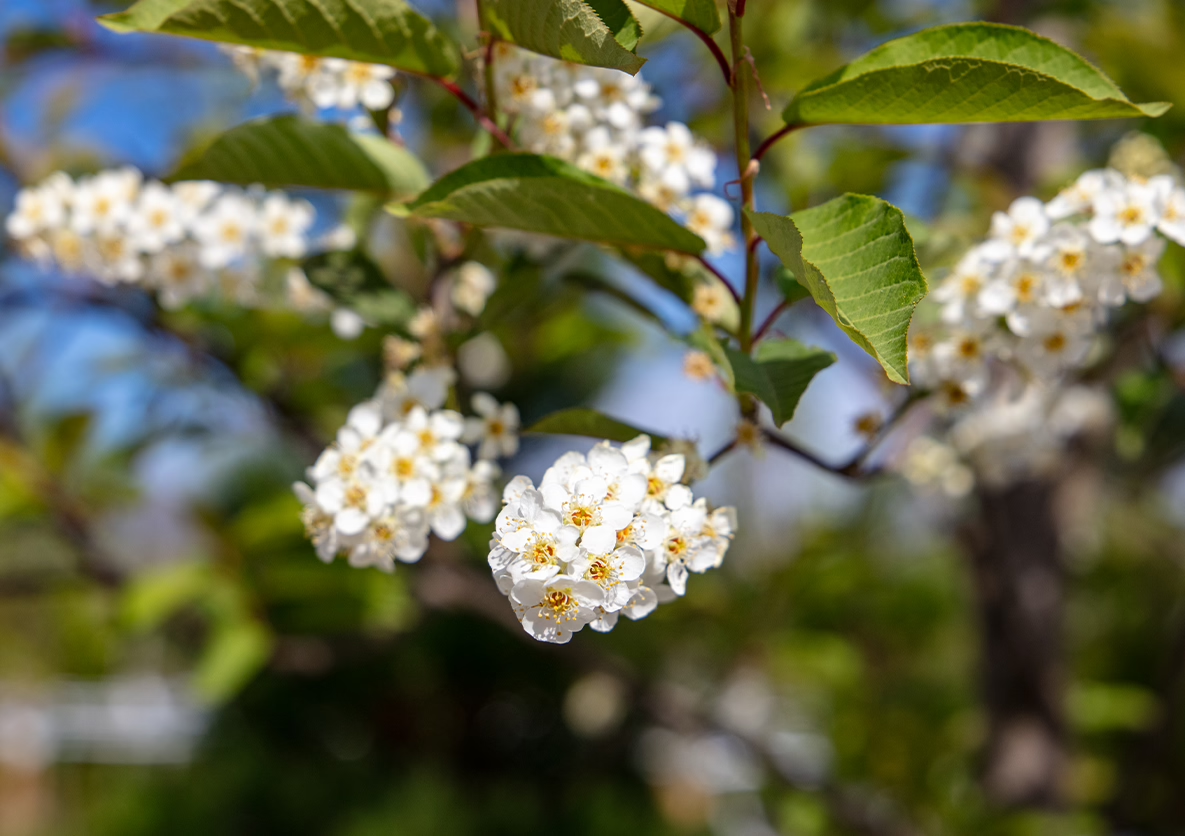
In early to mid-spring, the tree produces long clusters of small, fragrant white flowers that cover the branches. These blooms attract bees, butterflies, and other important pollinators while adding elegance and fragrance to the landscape.
- Attractive Fruit for Wildlife
After flowering, the tree develops small, dark purple to black chokecherries that mature in late summer. While the fruit is quite tart for fresh eating, it is often used in jellies, syrups, and preserves. Birds and other wildlife also appreciate this valuable late-season food source.
- Compact, Attractive Growth Habit
The Canada Red Chokecherry typically reaches 20 to 30 feet in height with a spread of 15 to 20 feet, making it an ideal choice for residential landscapes. Its rounded canopy provides moderate shade while maintaining an attractive, uniform appearance.
Why the Canada Red Chokecherry Thrives in the High Desert
The Canada Red Chokecherry is exceptionally well-suited for the demanding conditions of the high desert thanks to its adaptability and resilience.
- Excellent Cold Hardiness
This tree easily withstands harsh winter temperatures and late spring frosts, making it an outstanding performer in regions where winter weather can be unpredictable.
- Drought Tolerance
Once established, the Canada Red Chokecherry is moderately drought-tolerant. While it benefits from occasional deep watering during prolonged dry periods, it handles the dry conditions common throughout the high desert remarkably well.
- Adaptable to Many Soil Types
Whether your landscape has sandy, loamy, or clay-based soil, this tree adapts well as long as drainage is adequate. Its versatility makes it a dependable choice for a wide variety of landscape settings.
- Wind and Urban Tolerance
The Canada Red Chokecherry tolerates wind, urban conditions, and varying weather patterns, making it an excellent option for residential neighborhoods, parks, and commercial landscapes throughout the high desert.
Care Tips for the Canada Red Chokecherry in the High Desert
Following these care recommendations will help your Canada Red Chokecherry remain healthy and vibrant for many years.
- Planting Location
- Choose a location with full sun to light partial shade. Full sun encourages the richest burgundy foliage color.
- Plant in well-drained soil to promote healthy root growth.
- Allow adequate space for the tree’s mature canopy to develop without crowding nearby plants or structures.
- Watering
- Water deeply and consistently during the first two growing seasons while the root system becomes established.
- Once established, deep watering every 10–14 days during hot summer weather is generally sufficient.
- Avoid frequent shallow watering, which encourages weak surface roots.
- Soil Preparation
- Mix compost or other organic matter into the planting hole to improve moisture retention and soil health.
- Apply a 2–4 inch layer of mulch around the base of the tree to conserve moisture and help regulate soil temperature.
- Keep mulch several inches away from the trunk to reduce the risk of rot and pest problems.
- Fertilizing
- Fertilize in early spring with a balanced, slow-release fertilizer if needed.
- Avoid excessive fertilization, as too much nitrogen can encourage rapid, weak growth.
- Healthy trees growing in reasonably fertile soil often require little supplemental feeding.
- Pruning
- Prune during late winter or early spring before new growth begins.
- Remove dead, damaged, or crossing branches to maintain an open, healthy canopy.
- Remove root suckers as they appear to maintain a clean, single-trunk form if desired.
- Light structural pruning will help preserve the tree’s natural rounded shape.
- Monitoring for Pests and Diseases
- While generally hardy, inspect the tree occasionally for aphids, tent caterpillars, or signs of black knot disease.
- Good air circulation, proper pruning, and avoiding overhead watering help minimize disease problems.
- Promptly remove any diseased branches to maintain overall tree health.
Landscaping Ideas with Canada Red Chokecherry
The Canada Red Chokecherry is a versatile ornamental tree that fits beautifully into many landscape designs.
- Accent Tree: Use it as a colorful focal point where its burgundy foliage contrasts with surrounding green trees and shrubs.
- Privacy Screen: Plant several together to create an attractive seasonal privacy screen or windbreak.
- Wildlife Garden: The fragrant flowers attract pollinators, while the berries provide food for songbirds and other wildlife.
- Street Tree: Its moderate size and adaptability make it an excellent choice for residential streets and community landscapes.
- Mixed Landscape Beds: Pair it with ornamental grasses, evergreen shrubs, or flowering perennials to create year-round texture and color.
A Reliable Tree with Four-Season Appeal
The Canada Red Chokecherry combines fragrant spring flowers, dramatic burgundy foliage, attractive fruit, and exceptional hardiness into one versatile ornamental tree. Its adaptability to the high desert, moderate water requirements, and low-maintenance nature make it an excellent investment for homeowners seeking lasting beauty.
Whether you’re adding a striking specimen tree, creating a wildlife-friendly landscape, or looking for dependable seasonal color, the Canada Red Chokecherry offers beauty, resilience, and year-round interest that will enhance your landscape for decades to come.
Share
Pruning in fall is important for the health of your trees and shrubs. It might seem complicated, but we’ll make it much simpler to understand!
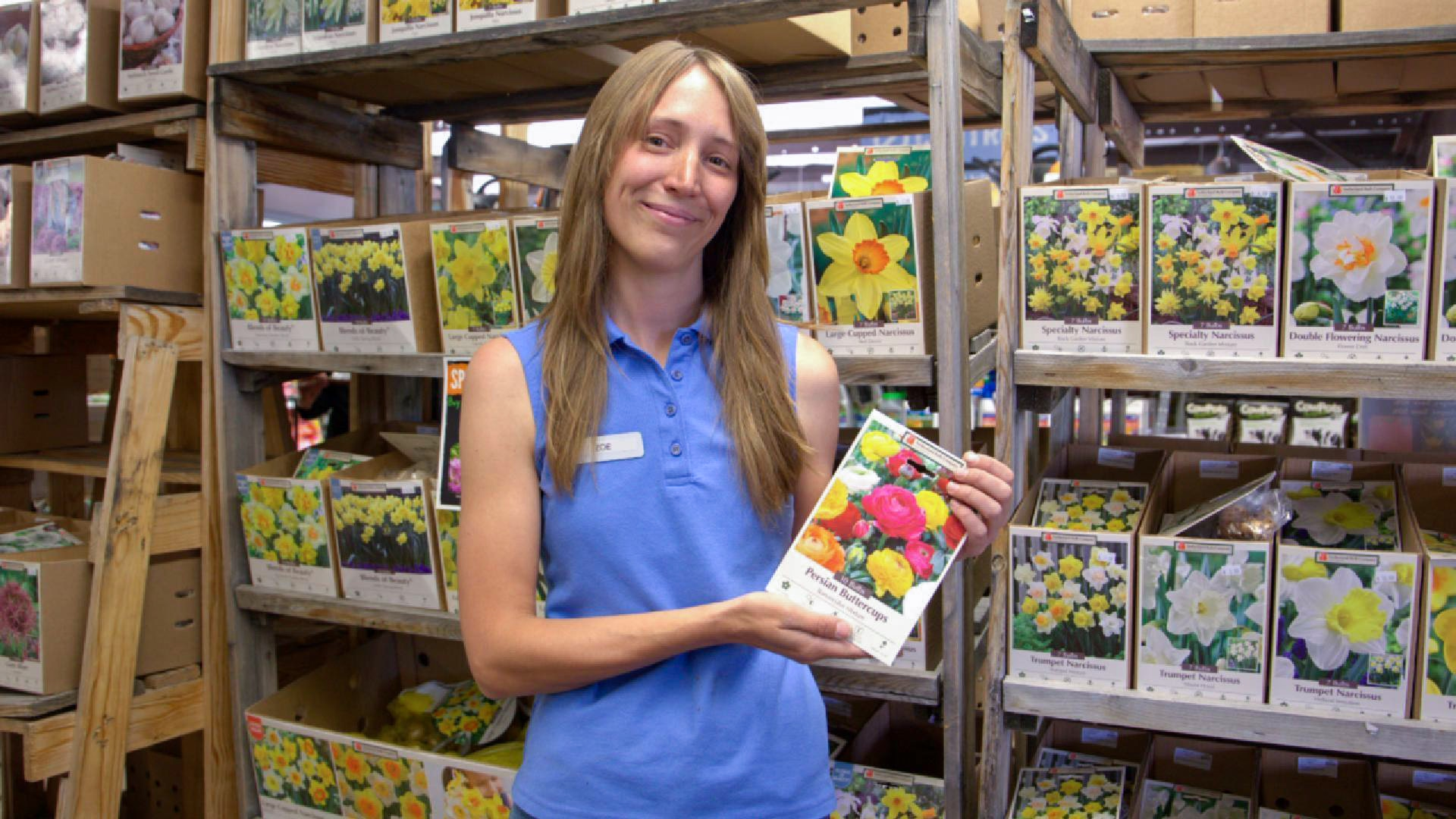
October is the perfect time to be planting your spring blooming bulbs. Planting now gives your bulbs time to grow nice strong roots before they bloom in the spring. Let’s get started!
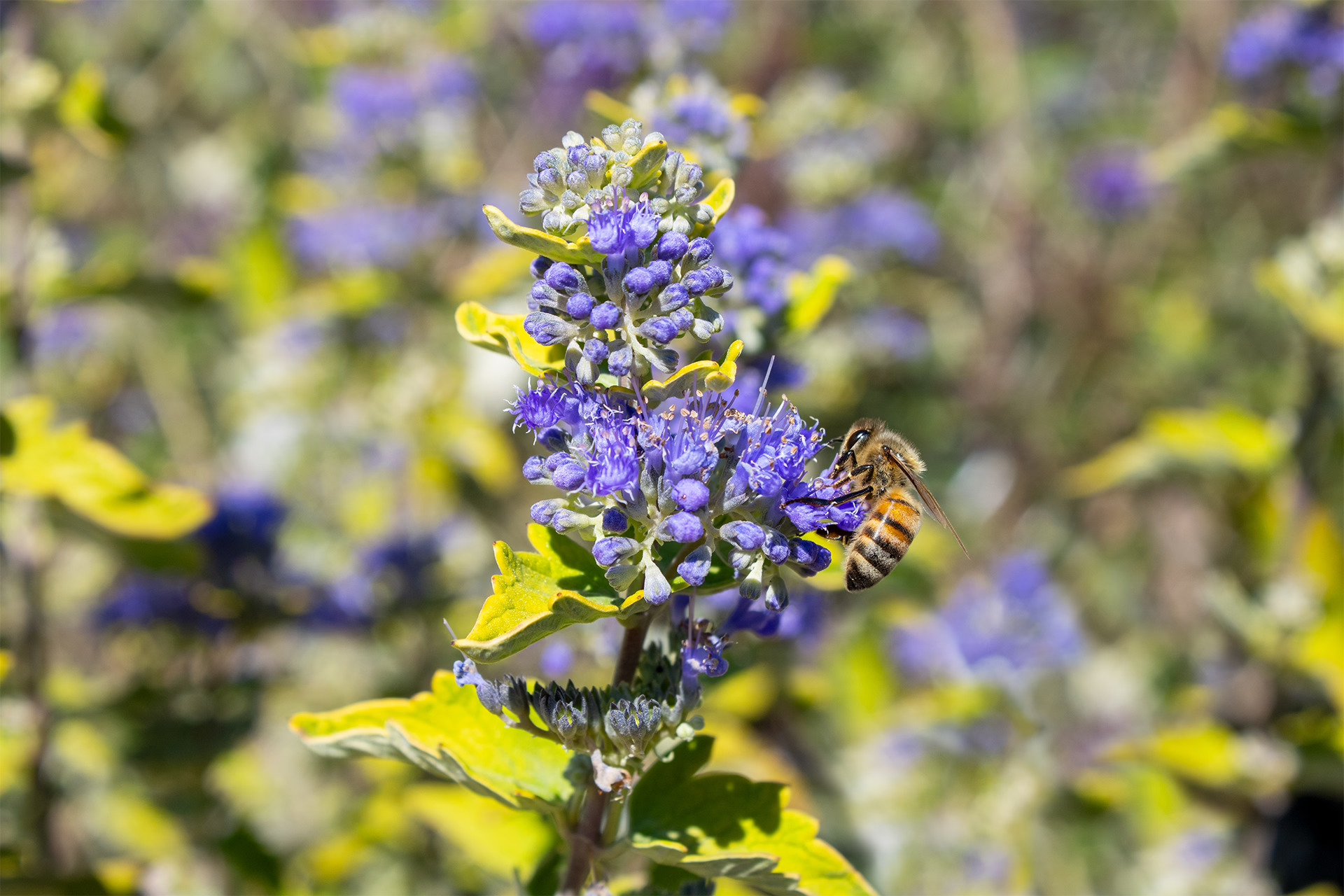
High desert gardeners ask a lot of their plants. A successful shrub must tolerate intense sunlight, dry air, temperature swings, alkaline soil and winter cold, while still bringing color and life to the landscape. Caryopteris meets that challenge beautifully.
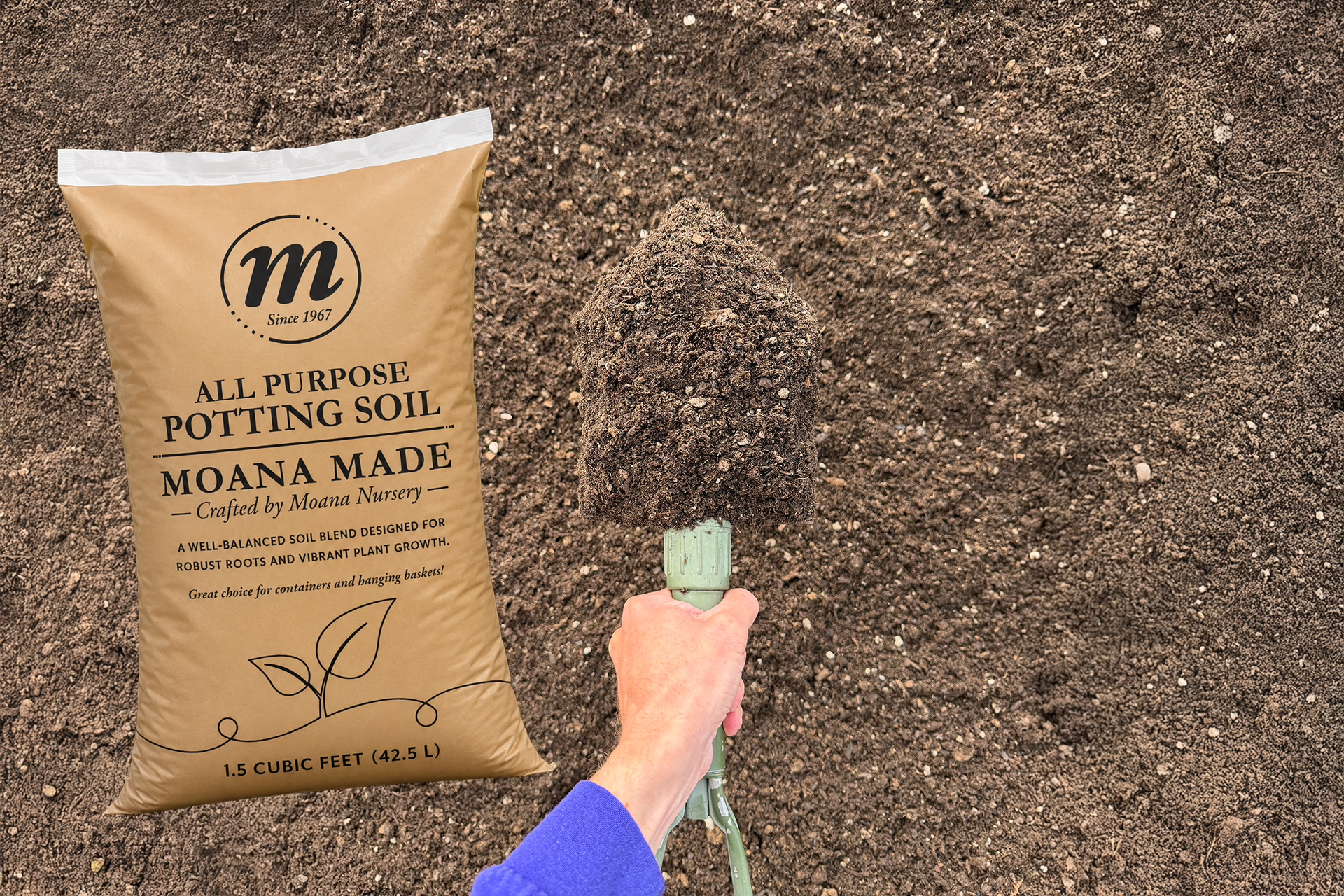
Moana Made All Purpose Potting Soil, a thoughtfully balanced growing blend crafted by Moana Nursery in partnership with Full Circle Compost. More than a product available at our garden centers, Moana Made is the same trusted blend we use at our local farm to grow Moana Grown plants.