
Share
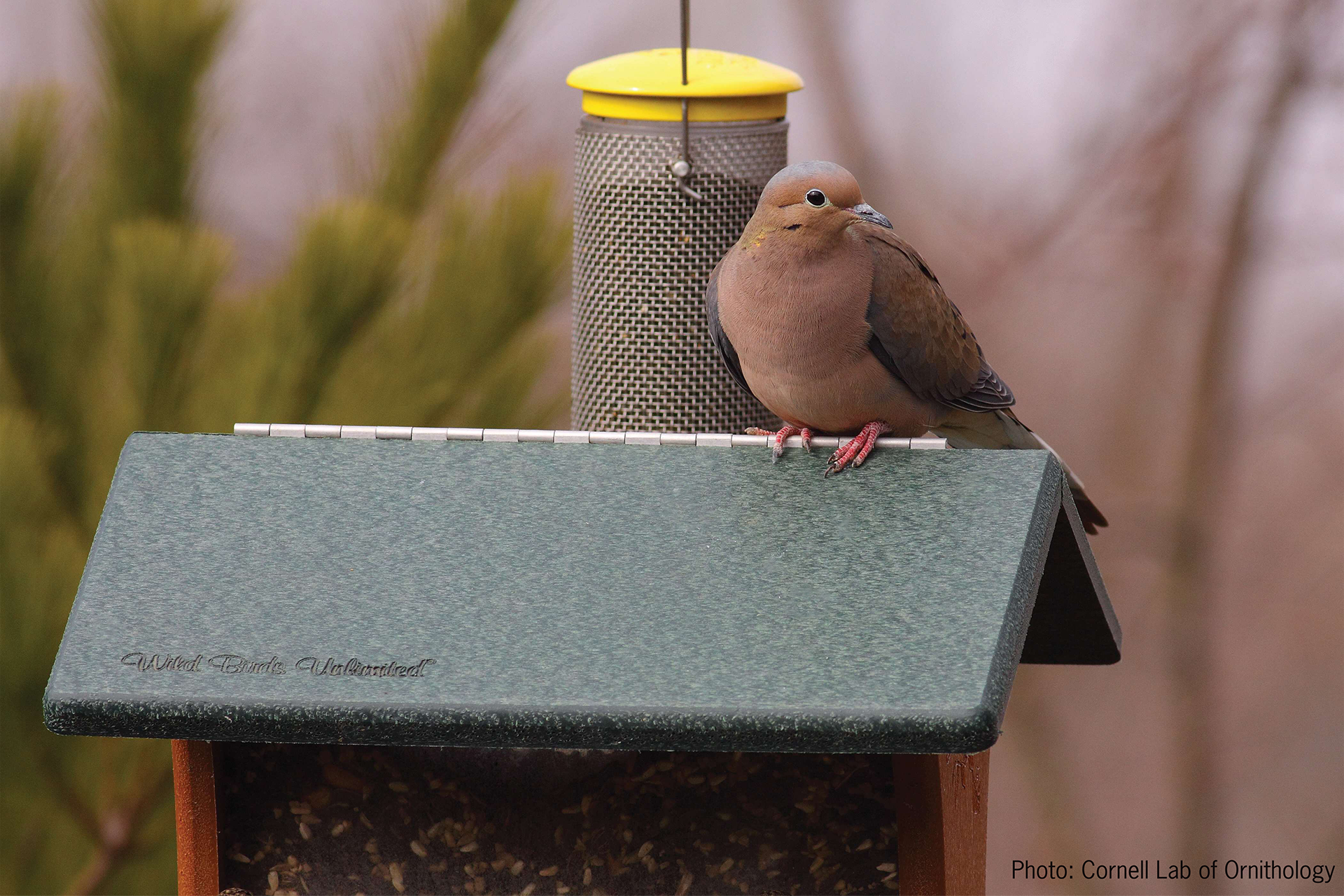
The Gentle Mourning Dove of Northern Nevada
Across Northern Nevada’s open valleys, ranchlands, suburban neighborhoods, and high desert landscapes, the soft cooing of the mourning dove is one of the region’s most familiar bird songs. Known for their graceful flight, muted earth-tone coloring, and peaceful demeanor, mourning doves are among the most abundant and beloved birds in the American West. Whether perched quietly on a fence line in Reno or gathering beneath backyard feeders in Carson City, these birds have adapted remarkably well to life alongside people while still maintaining many of their wild desert instincts.
A Bird Built for the High Desert
The mourning dove is a slender, medium-sized bird with a small head, long pointed tail, and soft brown-gray feathers that blend naturally into Northern Nevada’s sagebrush and desert terrain. Their wings produce a distinct whistling sound during takeoff, often startling anyone nearby. Despite their delicate appearance, mourning doves are incredibly strong flyers and can reach speeds of up to 55 miles per hour during migration.
Northern Nevada provides excellent habitat for these birds because they prefer open country with scattered trees, shrubs, and access to water. The region’s mix of agricultural land, suburban yards, desert washes, and parks creates ideal living conditions. Mourning doves are year-round residents in many lower elevation areas of Nevada, though some migrate south during harsher winters.
Eating Habits and Favorite Foods
Mourning doves are primarily seed eaters and spend much of their day foraging on the ground. Unlike many songbirds that cling to feeders, doves prefer feeding directly below them where seeds naturally scatter. In Northern Nevada, they commonly eat native grass seeds, agricultural grains, sunflower seeds, millet, safflower, cracked corn, and small weed seeds. Try adding a Dove and Quail Blend or Deluxe blend to attract these beautiful birds to your yard.
Their diet changes slightly with the seasons. During spring and summer, they consume more naturally occurring seeds from desert plants and grasses. In suburban areas, bird feeders become especially important during colder months when natural food sources are limited.
One fascinating trait of mourning doves is their ability to drink water without lifting their heads between sips, unlike most birds. They often gather near ponds, irrigation ditches, bird baths, or dripping faucets, especially during Nevada’s dry summers.
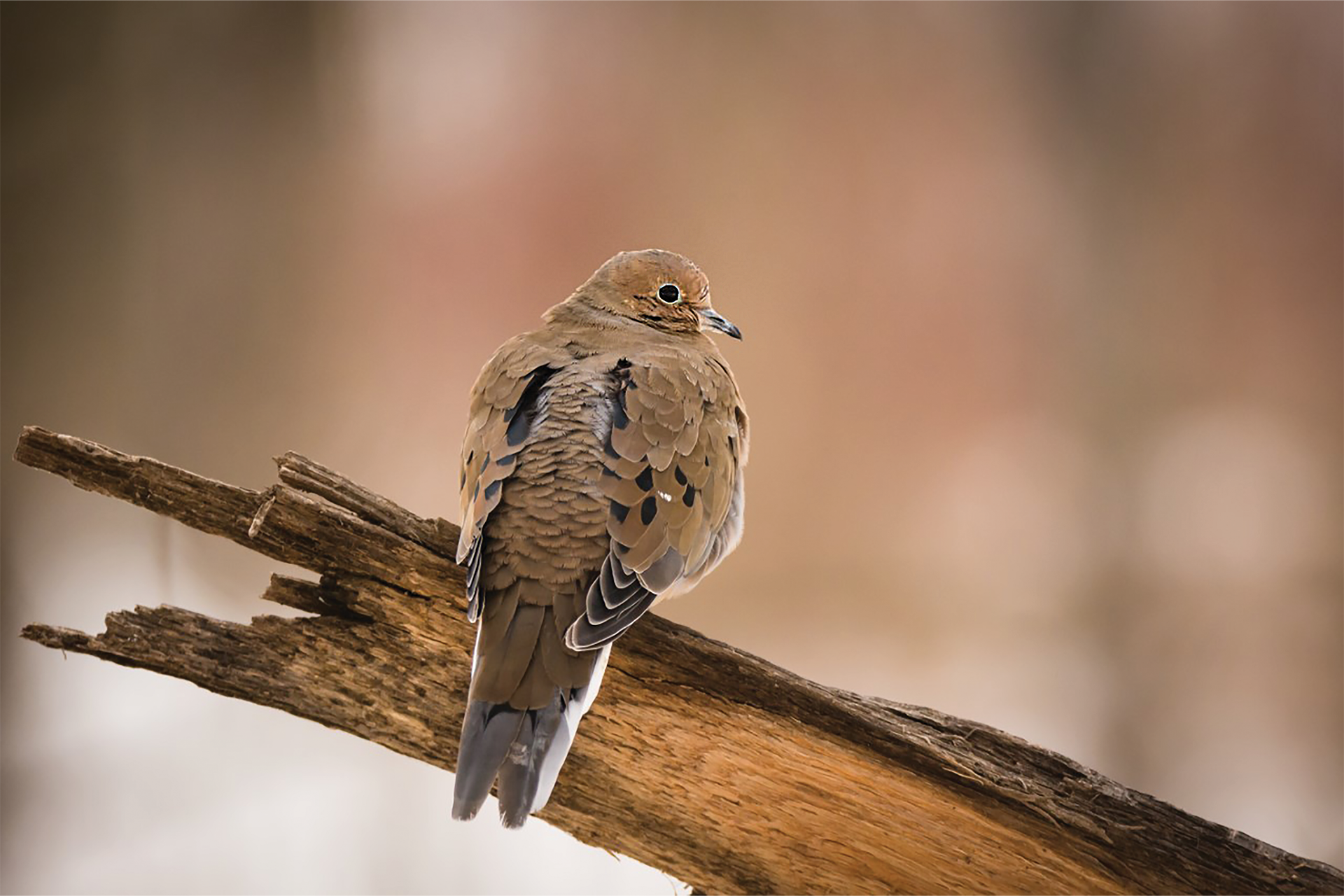
What Attracts Mourning Doves
Mourning doves are attracted to calm, open environments where they feel safe from predators. Yards with scattered trees, low shrubs, open ground, and reliable water sources are particularly appealing. Platform feeders or seed scattered on the ground often bring doves in quickly.
Fresh water is one of the strongest attractions for mourning doves in Northern Nevada. Bird baths with shallow edges are especially effective, as doves enjoy drinking and bathing regularly. They are also drawn to quiet spaces with nearby perches where they can observe their surroundings before feeding.
Native landscaping can naturally encourage mourning doves to visit. Sagebrush, rabbitbrush, ornamental grasses, junipers, and drought-tolerant shrubs provide shelter while still maintaining the open visibility these birds prefer.
What Mourning Doves Avoid
Despite their adaptability, mourning doves dislike noisy, chaotic environments with excessive disturbance. Heavy foot traffic, aggressive pets, and constant movement can discourage them from nesting or feeding nearby.
They are also cautious around dense vegetation where predators may hide. Unlike some birds that prefer thick cover, mourning doves favor relatively open spaces that allow easy escape routes.
Aggressive bird species can intimidate mourning doves away from feeders. Larger birds such as jays, grackles, and even some squirrels may dominate feeding areas, causing doves to seek quieter locations.
Courtship and Mating Rituals
Mourning doves are known for their gentle and devoted mating behavior. During courtship, the male performs impressive display flights, soaring upward before gliding gracefully downward in wide circles. He also puffs out his chest, bows repeatedly, and coos softly to attract a mate.
Once paired, mourning doves often remain together throughout the breeding season and sometimes beyond. Their bond is strong and cooperative, with both parents sharing nesting and chick-rearing duties.
Breeding season in Northern Nevada can begin as early as spring and continue well into late summer. Because the climate can be relatively mild, mourning doves may raise several broods in a single year.
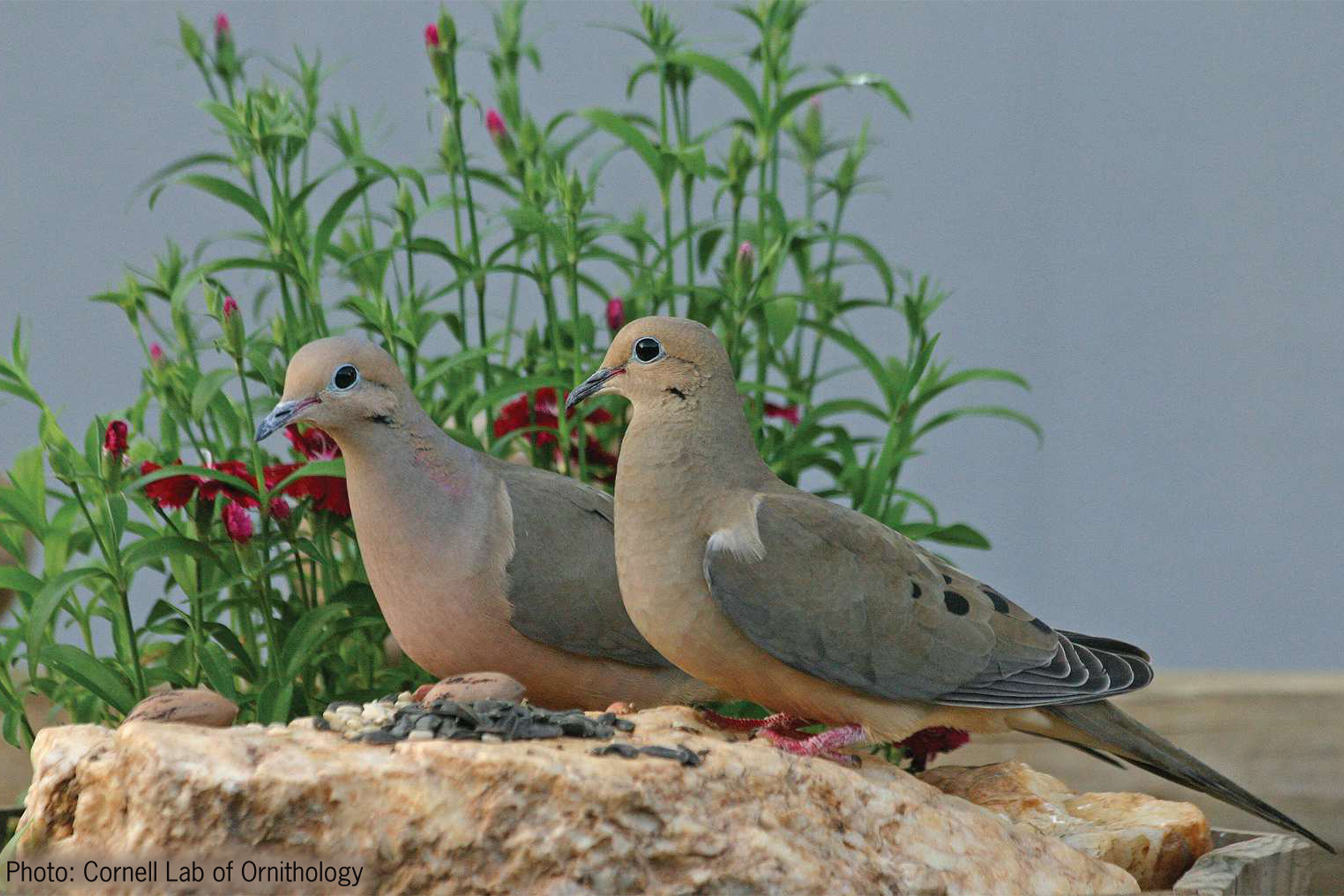
Nesting Habits and Raising Young
Mourning dove nests are surprisingly simple and delicate. The male gathers small twigs, grasses, and pine needles while the female arranges them into a loose platform. Nests are often placed in trees, shrubs, hanging planters, gutters, or even on building ledges.
Their nests sometimes appear flimsy enough to fall apart, yet they are remarkably effective. Females typically lay two white eggs per clutch. Both parents incubate the eggs, with males usually taking daytime shifts and females covering nighttime duties.
One of the most fascinating aspects of mourning dove parenting is the production of “crop milk.” Both male and female doves produce this nutrient-rich substance in their crops to feed newly hatched chicks. Few bird species share this unusual trait.
Young doves grow quickly and often leave the nest within two weeks, although parents continue caring for them for a short time afterward.
How to Attract Mourning Doves to Your Yard
Creating a dove-friendly yard in Northern Nevada is relatively simple. Providing ground-feeding space with millet, cracked corn, or sunflower seeds is often enough to attract them regularly. Platform feeders placed low to the ground are also highly effective.
Water is essential, especially during hot desert summers. A clean bird bath with shallow water can quickly become a favorite gathering spot.
Maintaining a peaceful environment is equally important. Mourning doves prefer quiet areas with nearby perches and minimal disturbance. Planting native shrubs and allowing some open bare ground can help create an inviting habitat.
Avoid using pesticides or herbicides excessively, as doves rely heavily on natural seed sources that grow in untreated areas.
Fun Facts About Mourning Doves
Mourning doves are among the most widespread birds in North America and are estimated to number in the hundreds of millions. Their name comes from their soft, mournful cooing calls, which many people mistakenly associate with owls.
These birds can fly long distances at remarkable speeds and are capable of traveling hundreds of miles during migration. Despite their calm appearance, they are agile flyers able to evade predators with sudden bursts of speed and sharp directional changes.
Mourning doves also sunbathe regularly. They can often be seen stretching one wing and one leg outward while lying in warm sunlight, helping regulate feathers and body temperature.
Another unusual behavior is their tendency to swallow small gravel or grit. These tiny stones help grind seeds inside their digestive system since birds do not chew food.
A Familiar Symbol of Peace in Northern Nevada
For many Northern Nevada residents, mourning doves are part of the soundtrack of everyday life. Their gentle coos drifting across the desert at sunrise or the sight of a pair resting quietly on a backyard fence brings a sense of calm that fits naturally within the region’s open landscapes.
Though common, mourning doves remain fascinating birds with complex behaviors, strong family bonds, and an important role in Nevada’s ecosystem. By offering food, water, and safe nesting spaces, homeowners can enjoy the peaceful presence of these elegant desert birds throughout the year.
Share
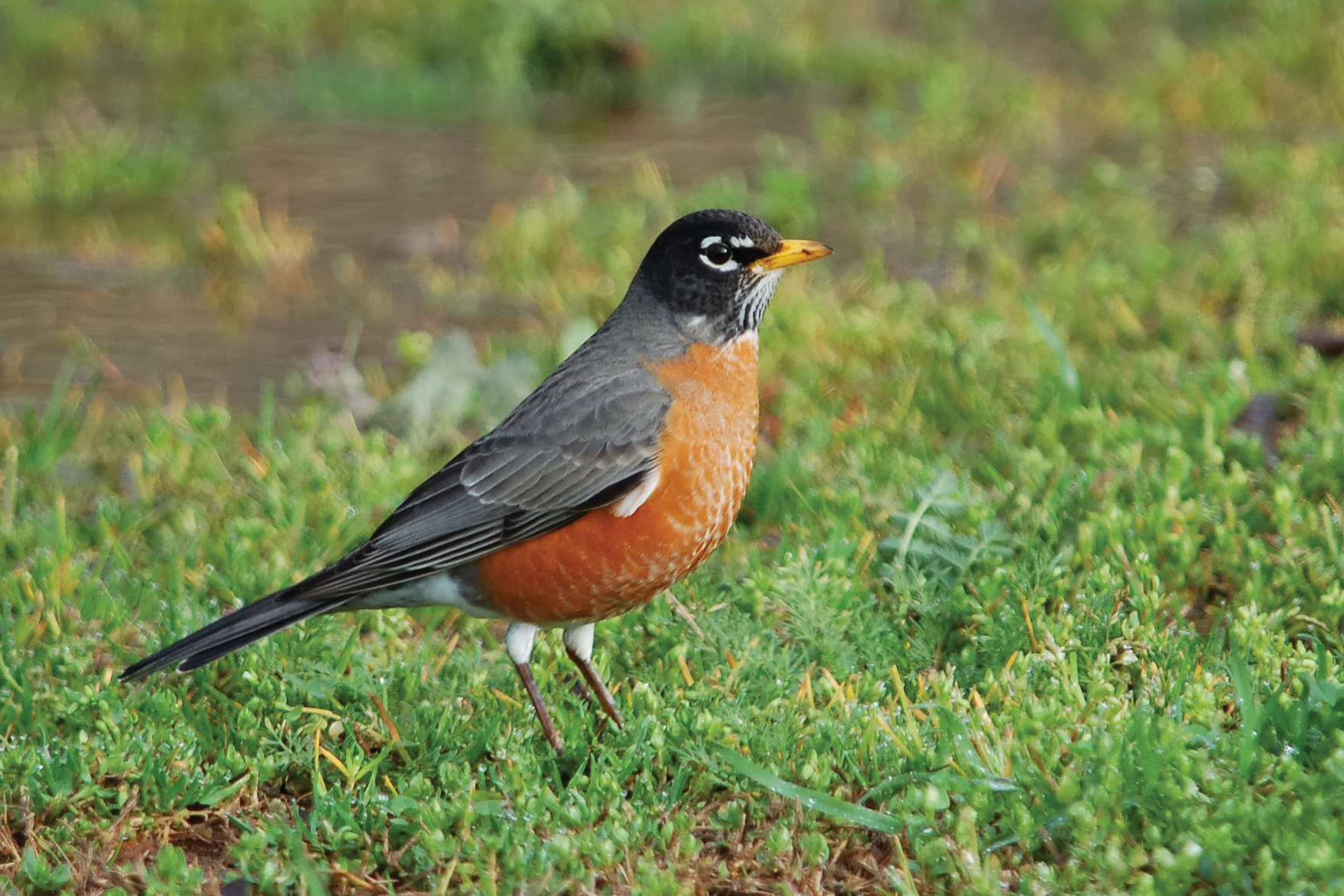
The American Robin is one of the most recognizable and beloved birds in Northern Nevada. With its warm reddish-orange breast, charcoal-gray back, bright white eye ring, and cheerful personality, the robin is often considered a symbol of spring.
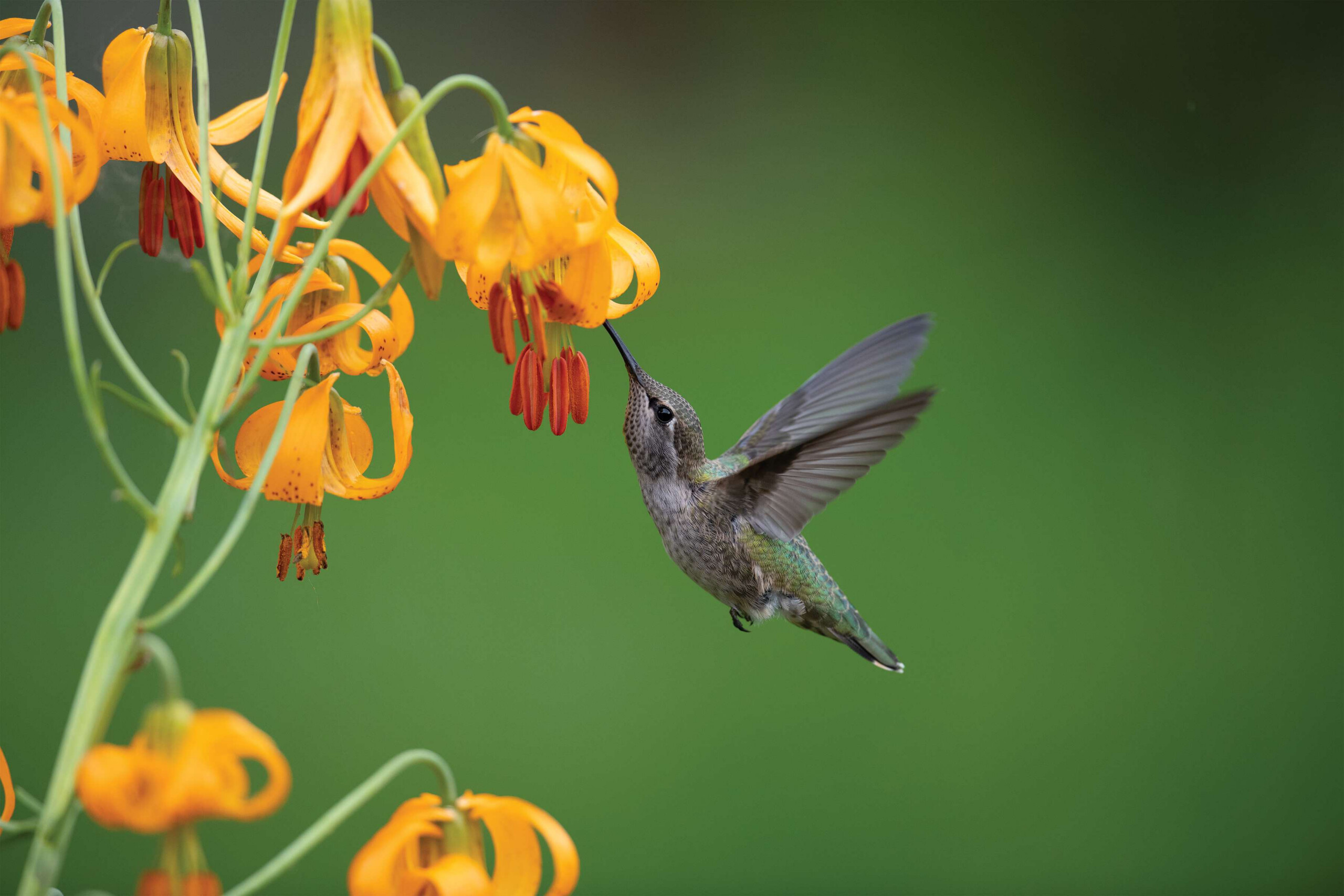
Among the many birds that inhabit Northern Nevada, few capture attention quite like the Anna’s hummingbird. Tiny, fast, and brilliantly colored, these remarkable birds have become increasingly common throughout the Reno–Sparks area and surrounding high desert communities.
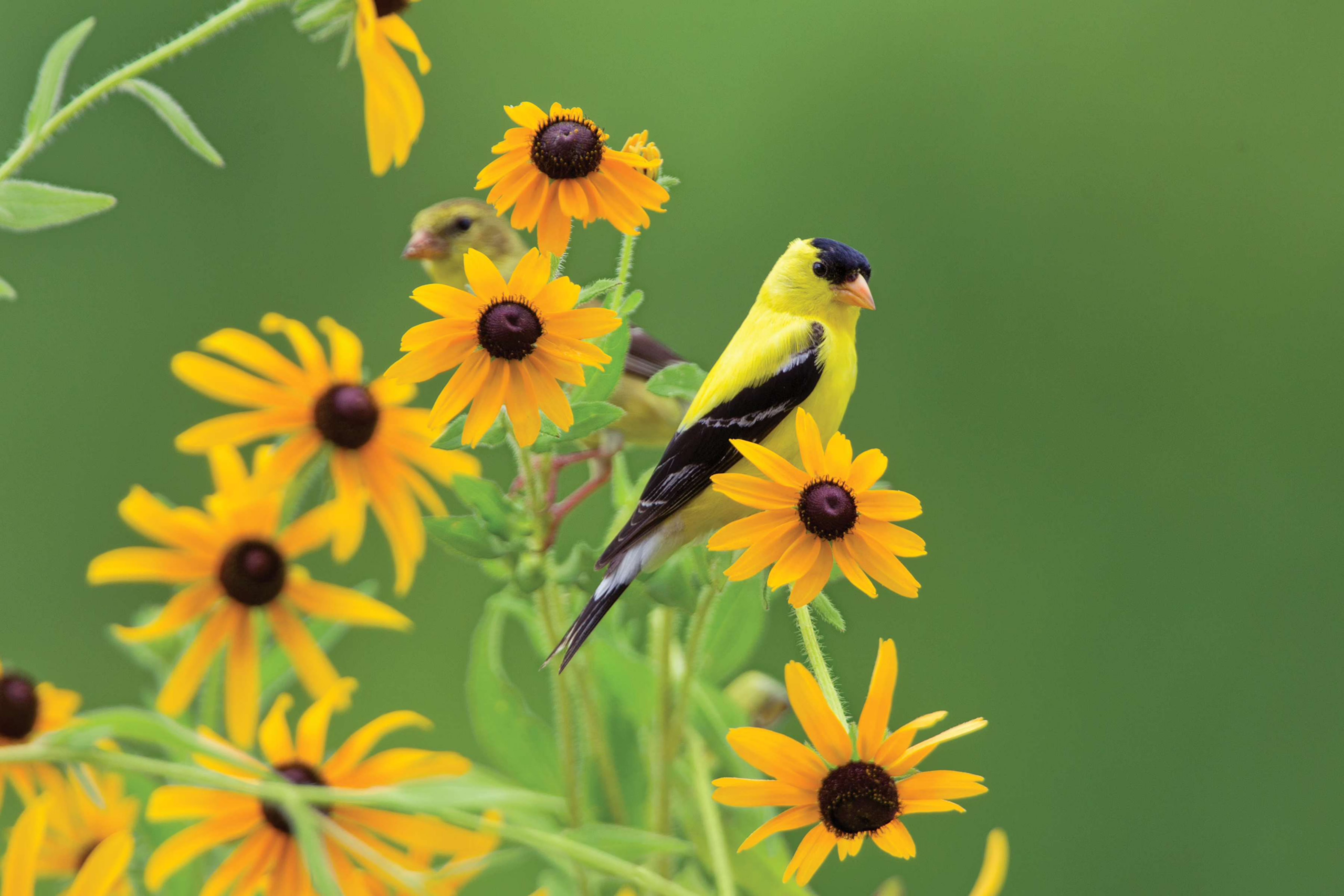
The American Goldfinch is one of the most cheerful and recognizable birds found in Northern Nevada. Its bright yellow summer plumage stands in striking contrast to the muted browns and grays of the high desert.
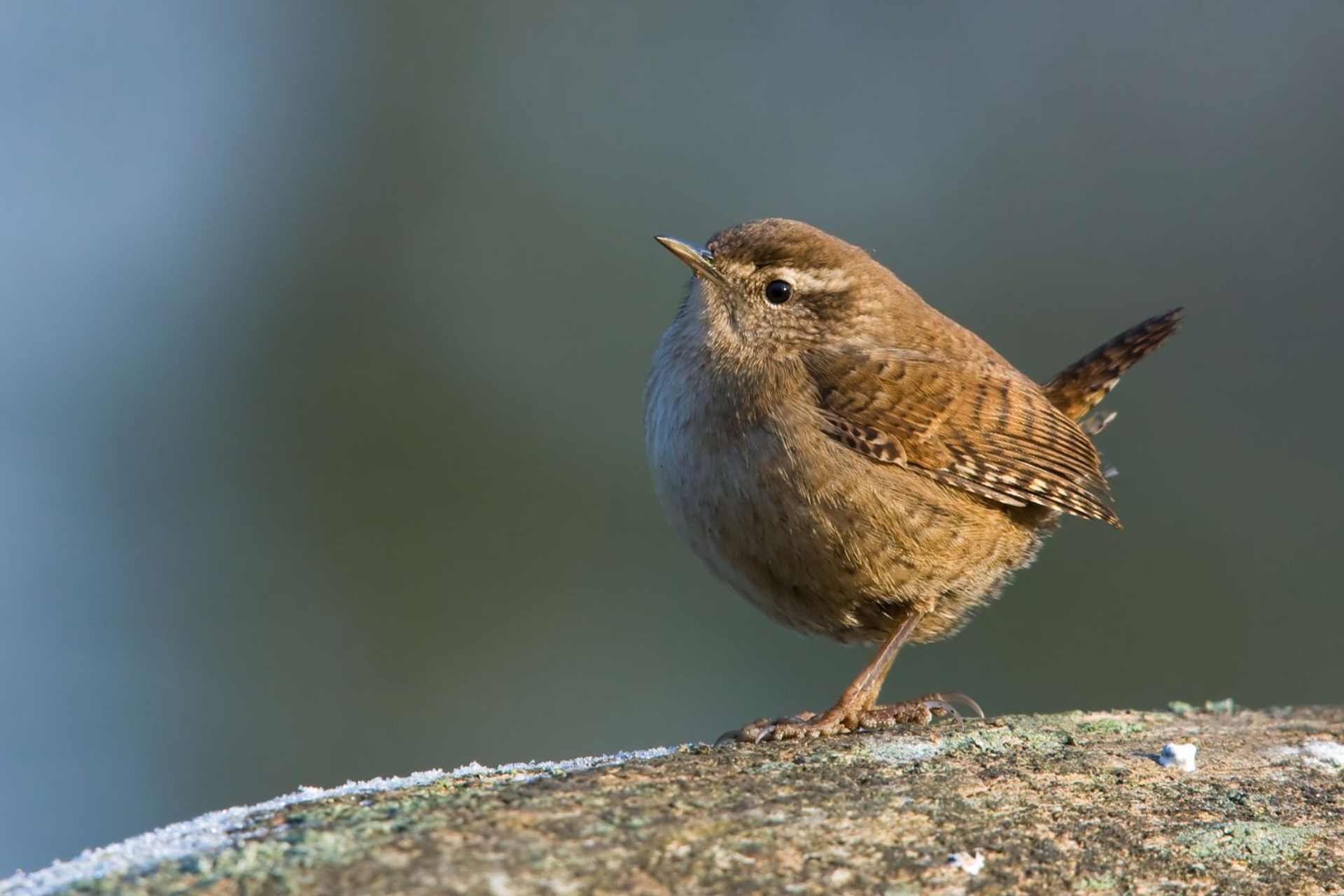
The Northern House Wren (Troglodytes aedon) is one of the most energetic and charismatic small birds found across North America, including the high desert landscapes of the western United States.