Share
Anna’s Hummingbird in Northern Nevada
Among the many birds that inhabit Northern Nevada, few capture attention quite like the Anna’s hummingbird. Tiny, fast, and brilliantly colored, these remarkable birds have become increasingly common throughout the Reno–Sparks area and surrounding high desert communities. Once considered mostly a coastal California species, Anna’s hummingbirds have expanded their range inland over the past several decades, adapting surprisingly well to Nevada’s colder winters and dry climate.
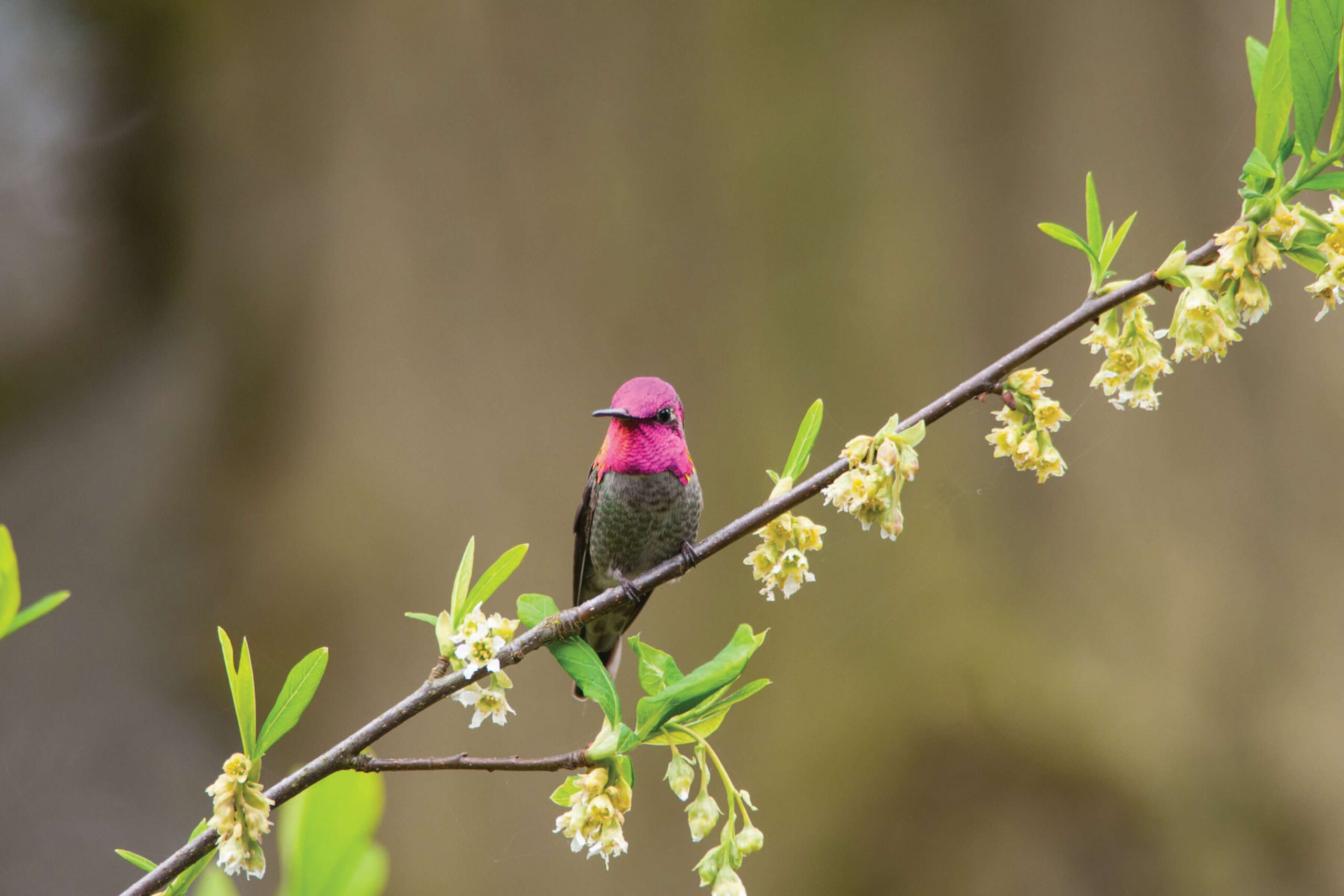
With their emerald-green feathers and shimmering rose-pink crowns and throats, males are especially striking when sunlight hits them at the right angle. Females are more subdued in color but equally energetic and intelligent. Despite their small size, Anna’s hummingbirds are bold, territorial, and constantly active, making them one of the most entertaining birds to observe in a backyard setting.
Feeding Habits and Favorite Foods
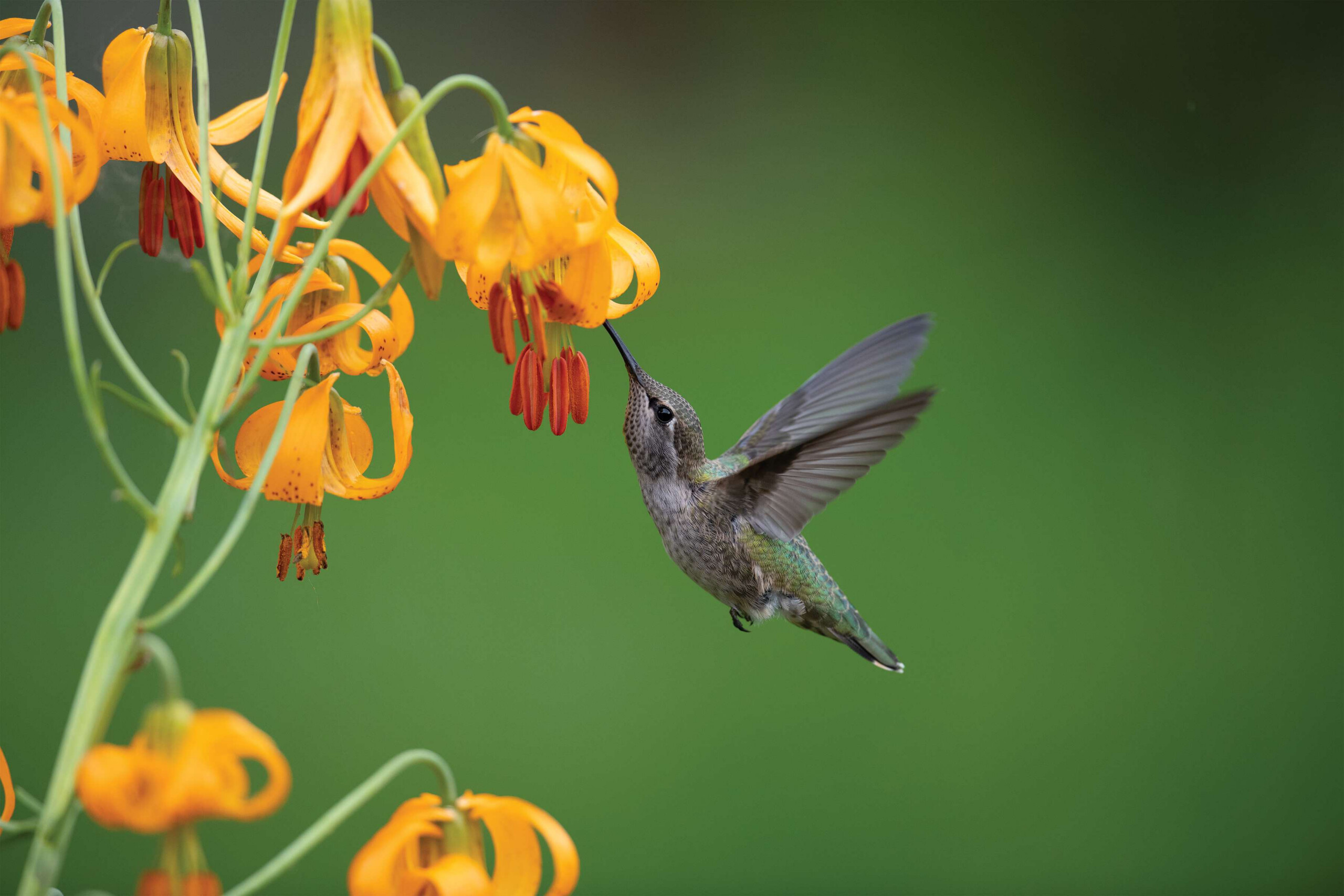
Anna’s hummingbirds survive primarily on nectar, which supplies the immense amount of energy required to power their rapid wingbeats and fast metabolism. They feed from flowering plants using a long tongue specially adapted for lapping nectar at incredible speed. In Northern Nevada, they are especially drawn to brightly colored tubular flowers such as salvia, penstemon, bee balm, trumpet vine, and desert willow.
While nectar provides sugar and energy, it does not supply enough protein on its own. To balance their diet, Anna’s hummingbirds also eat small insects and spiders. They often catch gnats, mosquitoes, aphids, and fruit flies in midair with astonishing precision. In fact, these tiny birds help control insect populations while also pollinating flowers throughout the region.
Because Northern Nevada can experience long dry periods, hummingbirds quickly learn where dependable food sources are located. Once they find a productive yard or feeder, they may return repeatedly and even defend it from other hummingbirds.
What Attracts Anna’s Hummingbirds
The easiest way to attract Anna’s hummingbirds is by creating a reliable source of nectar and shelter. A yard filled with flowering plants that bloom through multiple seasons is especially appealing. Native and drought-tolerant plants tend to work well in Nevada landscapes because they provide nectar while thriving in the local climate.
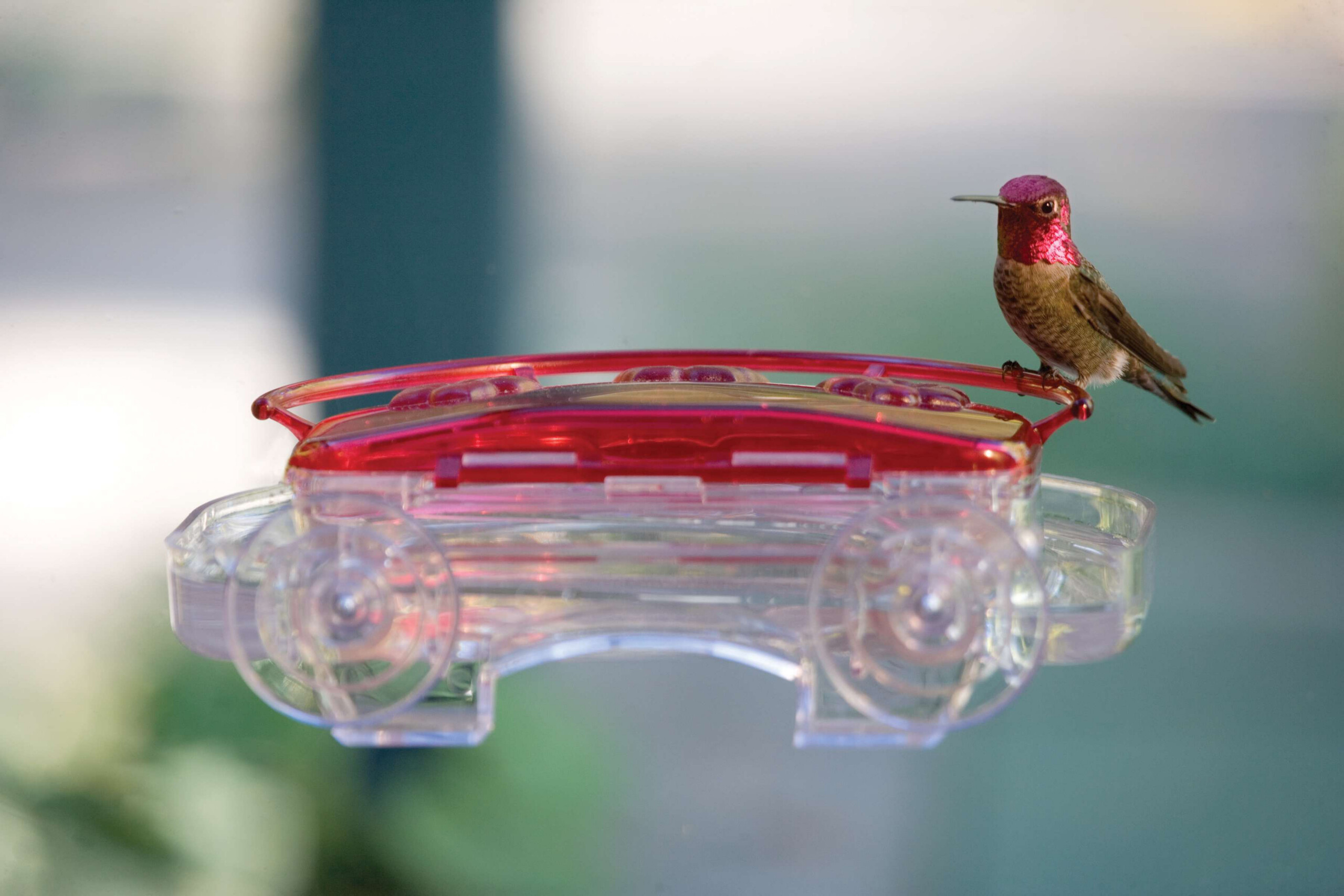
Hummingbird feeders are also highly effective. A simple mixture of one-part white sugar to four parts water closely resembles natural flower nectar. If you don’t feel up to making your own hummingbird nectar, remember that Moana Nursery offers at all three of our locations free hummingbird nectar through September 3rd. Feeders should be cleaned frequently, particularly during Nevada’s hot summer months, since spoiled nectar can become dangerous for birds.
Water is another major attraction. Unlike many birds, hummingbirds prefer shallow water rather than deep bird baths. Fine mist sprayers, drippers, or small fountains often catch their attention. They also appreciate quiet perching spots where they can rest and monitor their surroundings between feeding sessions.
What They Avoid
Although Anna’s hummingbirds are adaptable, there are several things they dislike. Dirty feeders are one of the biggest problems, as mold and fermentation can quickly make nectar unsafe. Hummingbird feeders should be cleaned every 2–3 days in temperate weather and daily to every other day in hot weather to prevent mold. In cooler, temperate weather, twice a week is generally sufficient, but feeders should always be cleaned immediately if you see cloudy nectar, black mold, or black ants. Nectar Defender is an all natural liquid additive designed to keep hummingbird fresh for up to two weeks by preventing spoilage especially in hot weather. To prevents other bugs and insects adding a Nectar Guard helps keep bees and wasps out of your feeder. If you’re having an issue with ants at your feeder add Nectar Fortress to the hoke/pole the feeder hangs from to create a border that ants won’t cross. Hummingbirds also avoid heavily disturbed nesting areas and places with excessive pesticide use, since pesticides reduce the insects they depend on for protein.
Anna’s hummingbirds are extremely territorial, especially males. A single bird may aggressively chase away competitors from flowers or feeders. Backyard observers often witness dramatic aerial pursuits involving rapid dives, sharp turns, and high-speed chases.
Cats and larger predators are another threat. Even though hummingbirds are fast and agile, nesting females and young birds remain vulnerable.
Courtship and Mating Behavior
During breeding season, male Anna’s hummingbirds perform one of the most impressive courtship displays in the bird world. To attract a mate, the male climbs high into the air before diving steeply toward the ground at tremendous speed. Near the bottom of the dive, air rushes through specialized tail feathers, producing a sharp chirping or squeaking sound.
Males also sing, something relatively unusual among hummingbirds. Their songs are thin, scratchy, and surprisingly persistent for such a tiny bird.
Once mating is complete, the male plays no role in raising the young. The female alone takes responsibility for building the nest, incubating the eggs, and feeding the chicks.
Nesting Rituals and Raising Young
Female Anna’s hummingbirds are extraordinary nest builders. Their nests are incredibly small, often no larger than half of a walnut shell, yet they are strong, flexible, and carefully camouflaged. To build them, females use soft plant fibers, feathers, moss, and spider silk. The spider silk acts like elastic, allowing the nest to stretch as the chicks grow.
Nests are usually placed on thin branches, shrubs, vines, or occasionally even on wires and unusual human-made structures. The female lays two tiny white eggs, each about the size of a jellybean. After about two weeks of incubation, the chicks hatch blind and featherless.
Northern Nevada’s climate can make nesting more challenging than in coastal areas, but Anna’s hummingbirds have proven remarkably resilient. In milder winters, some may even begin nesting unusually early in the year.
Surviving Northern Nevada Winters
One of the most fascinating facts about Anna’s hummingbirds is their ability to survive freezing temperatures. Unlike many hummingbird species that migrate long distances, some Anna’s hummingbirds remain in Northern Nevada year-round.
To endure cold nights, they enter a state called torpor, during which their heart rate and body temperature drop dramatically. This allows them to conserve energy while sleeping. Reliable feeders and winter-blooming plants can make a major difference in helping them survive harsh conditions.
Their adaptability is one reason the species has expanded successfully throughout the western United States.
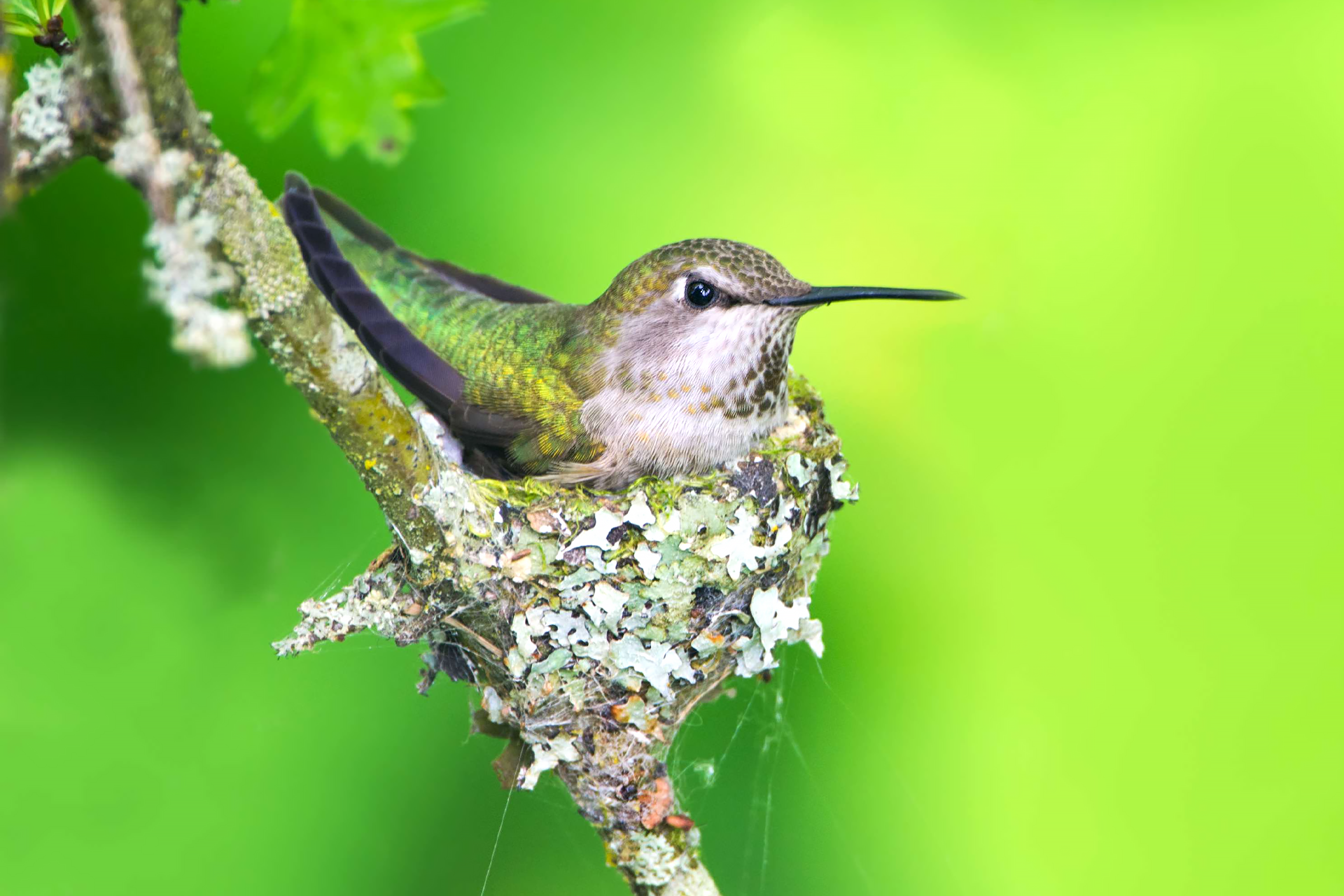
Fascinating Facts About Anna’s Hummingbirds
Anna’s hummingbirds may be tiny, but they are among the most advanced flyers in nature. Their wings beat roughly 40 to 50 times per second, allowing them to hover perfectly in place, fly backward, and instantly change direction.
Their iridescent feathers are not colored entirely by pigment. Instead, microscopic structures in the feathers reflect light like prisms, creating the brilliant flashes of pink and green that seem to glow in sunlight.
They also possess a remarkable memory. Hummingbirds can remember the locations of feeders and flowers and often return to the same feeding spots day after day.
A Perfect Backyard Visitor
For Northern Nevada residents, Anna’s hummingbirds bring color and energy to gardens throughout much of the year. By providing flowers, clean feeders, water, and safe shelter, homeowners can create an inviting habitat for these remarkable birds.
Watching an Anna’s hummingbird hover beside a flower or streak through the air at incredible speed is a reminder that even the smallest creatures can leave a lasting impression.
Share
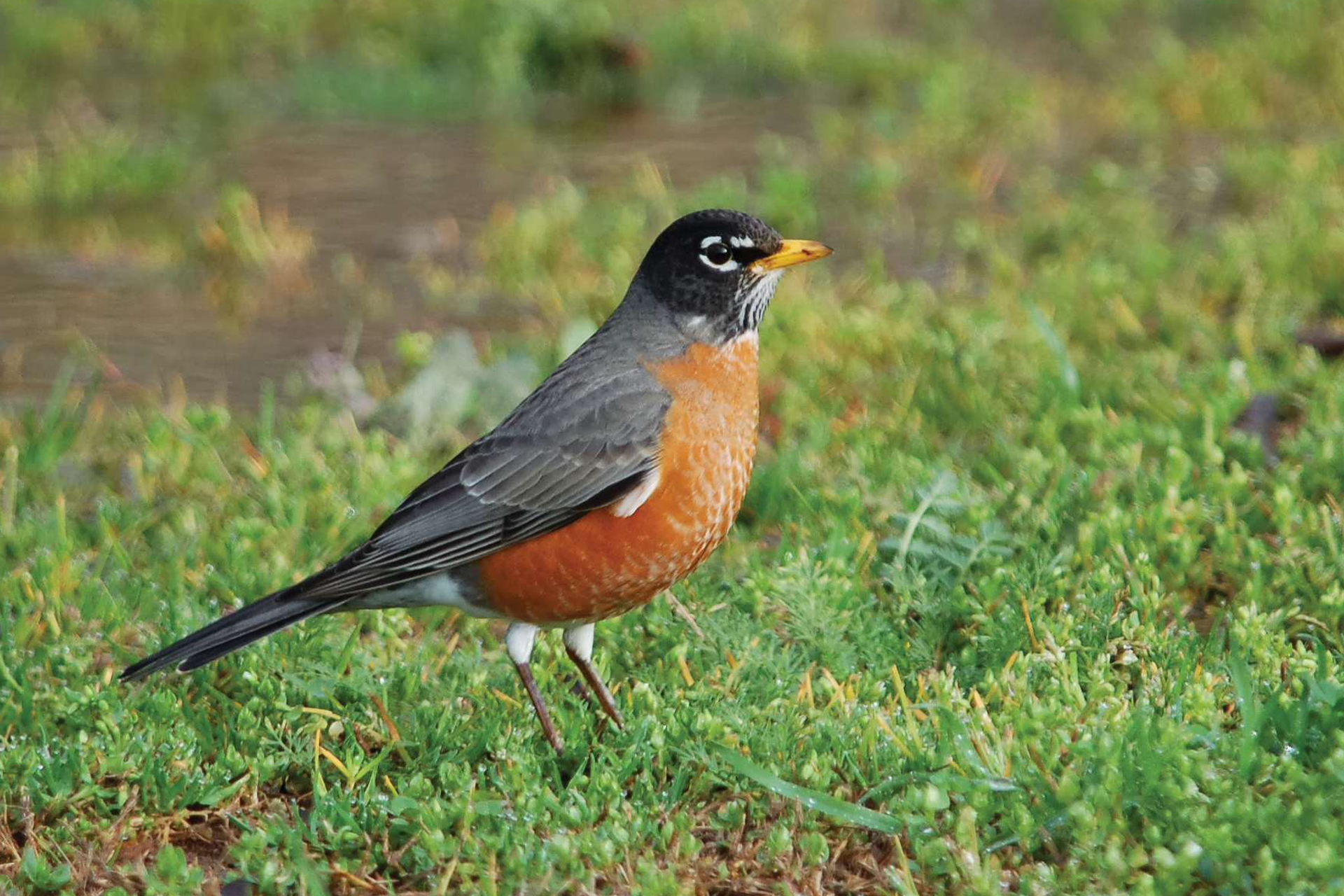
The American Robin is one of the most recognizable and beloved birds in Northern Nevada. With its warm reddish-orange breast, charcoal-gray back, bright white eye ring, and cheerful personality, the robin is often considered a symbol of spring.
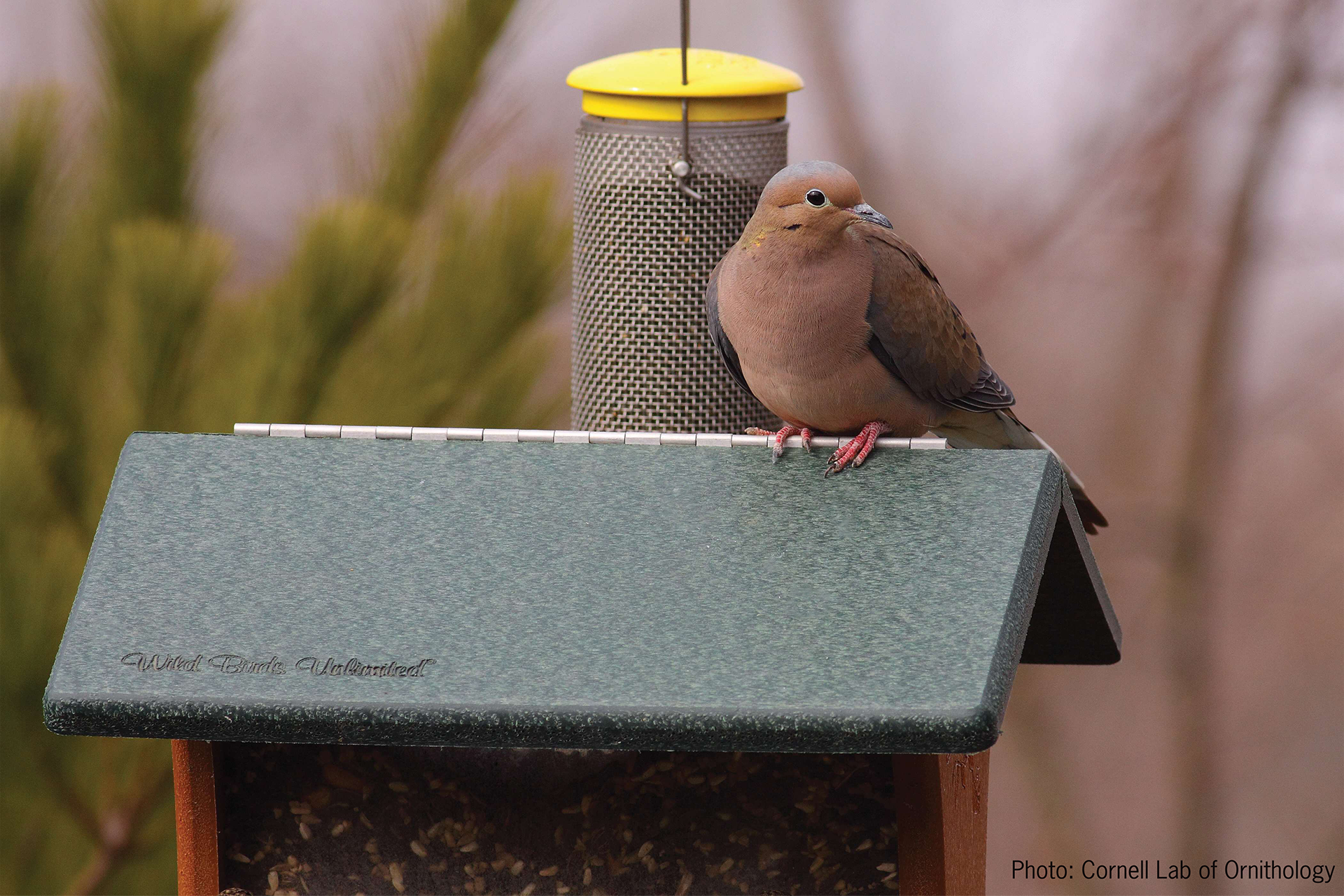
Across Northern Nevada’s open valleys, ranchlands, suburban neighborhoods, and high desert landscapes, the soft cooing of the mourning dove is one of the region’s most familiar bird songs.
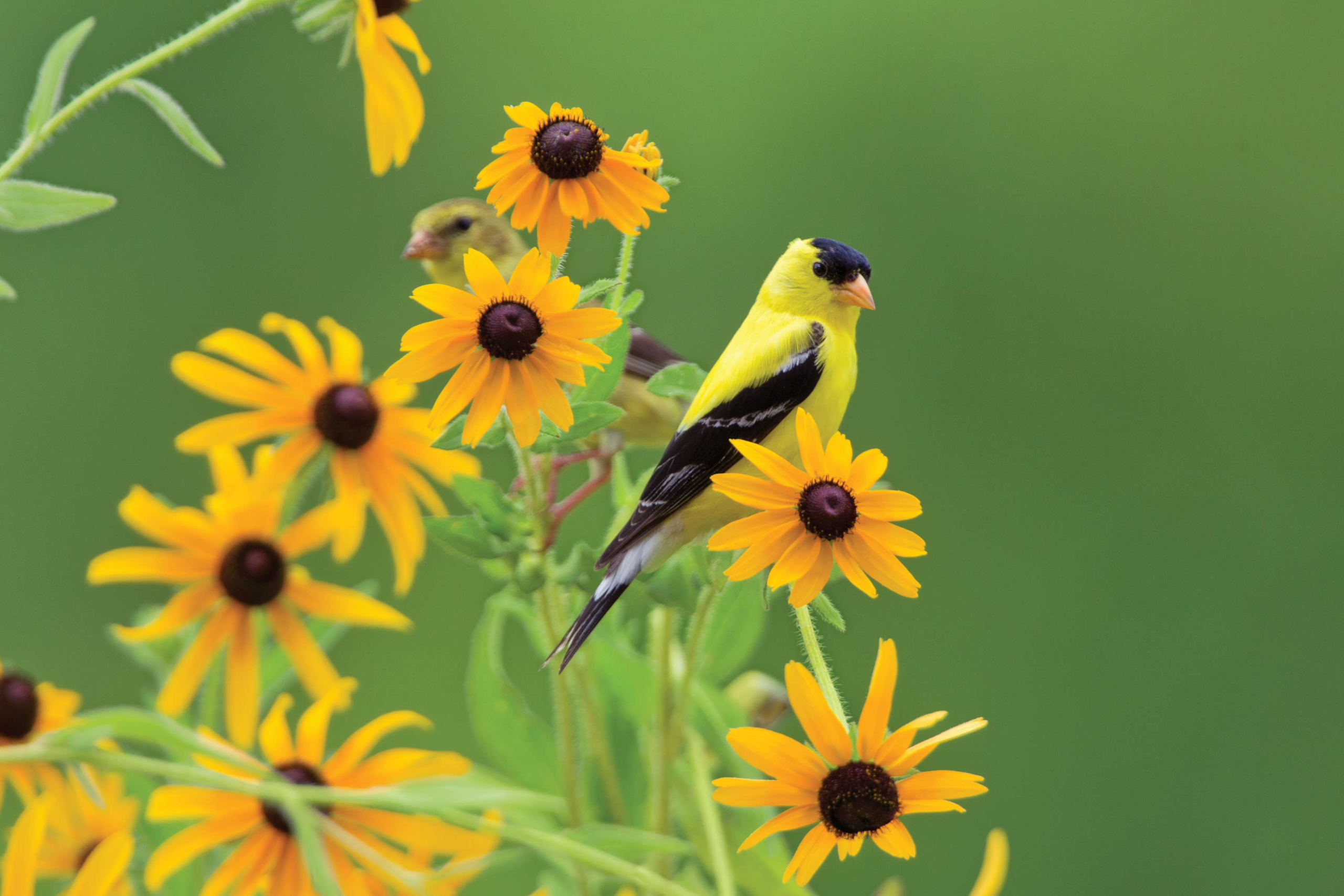
The American Goldfinch is one of the most cheerful and recognizable birds found in Northern Nevada. Its bright yellow summer plumage stands in striking contrast to the muted browns and grays of the high desert.
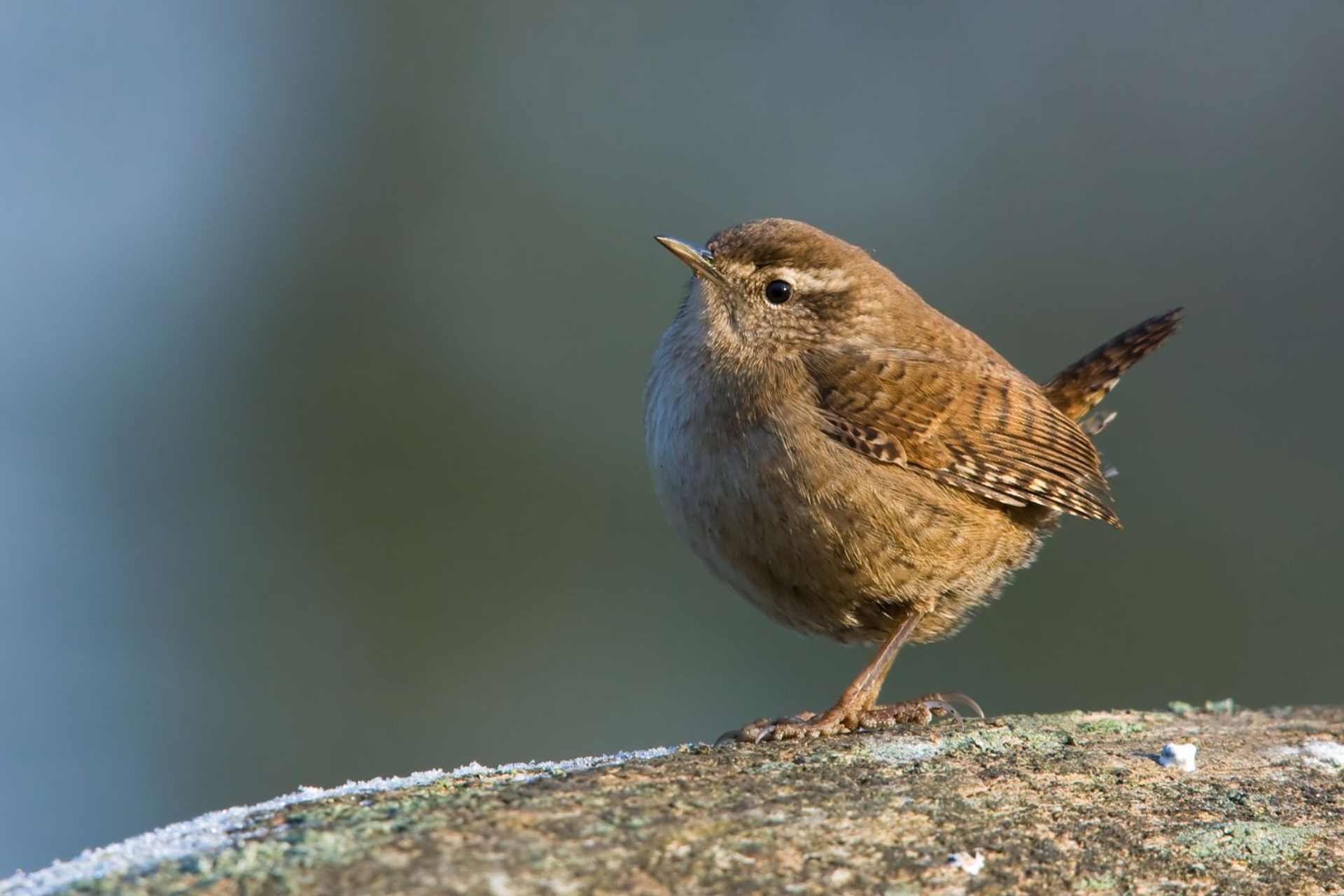
The Northern House Wren (Troglodytes aedon) is one of the most energetic and charismatic small birds found across North America, including the high desert landscapes of the western United States.