Share
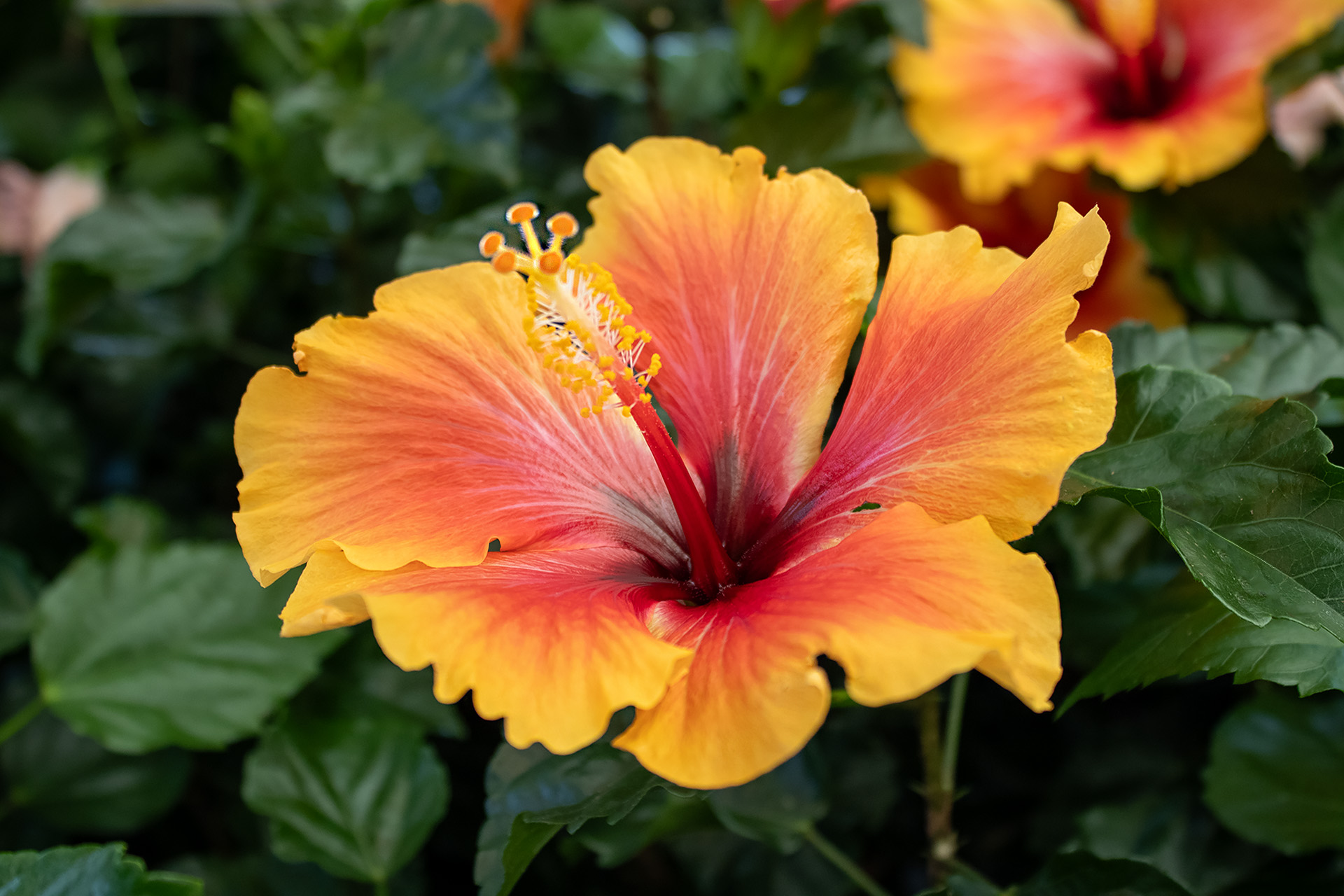
In the high desert climate of places like Reno, bringing a touch of the tropics indoors can feel like a small victory against dry air, intense sun, and fluctuating temperatures. One of the most rewarding plants for this purpose is the Chinese hibiscus (Hibiscus rosa-sinensis). Known for its dramatic blooms and endless variety, this plant offers both challenge and delight to indoor gardeners willing to meet its needs.
A Plant of Endless Variety
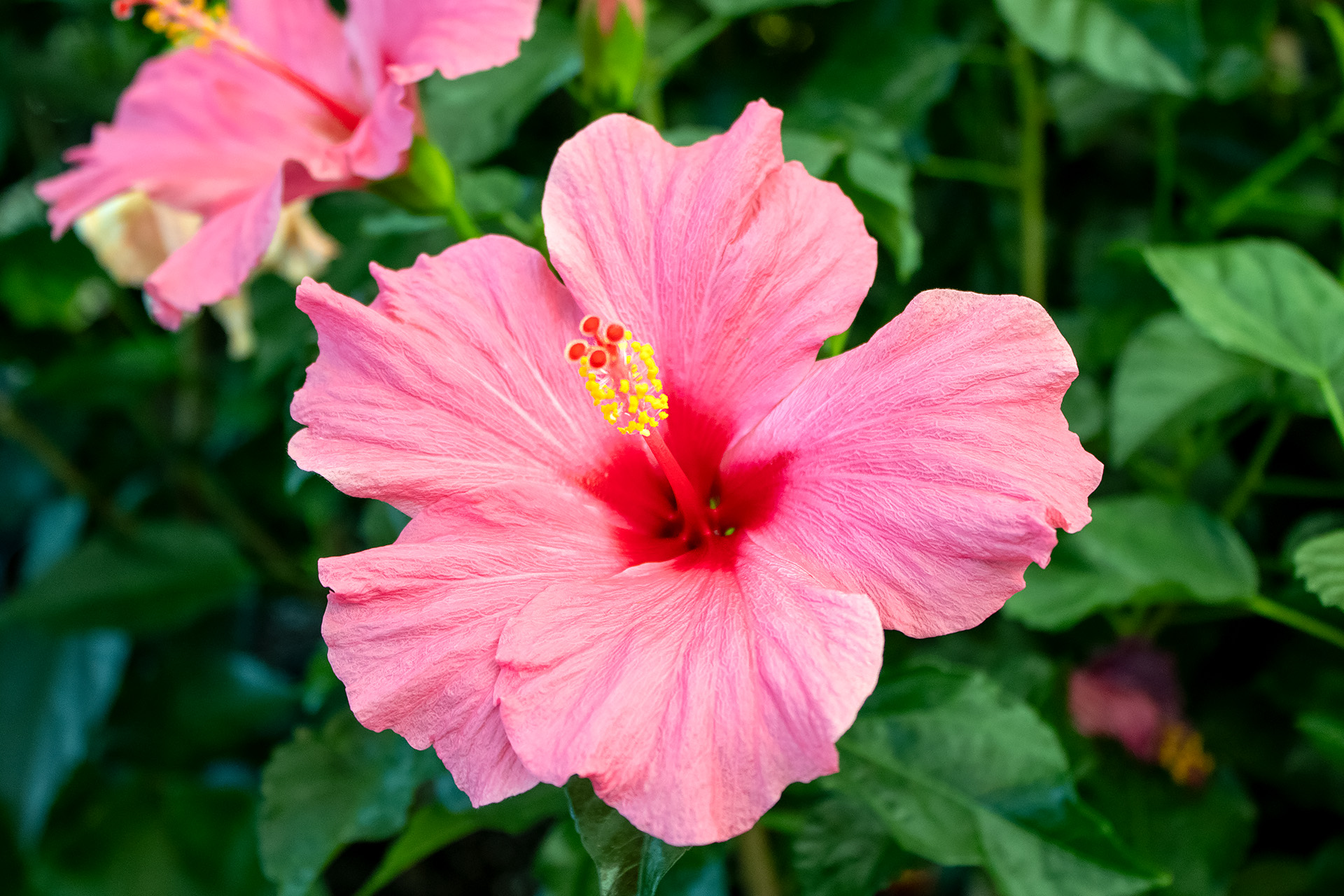
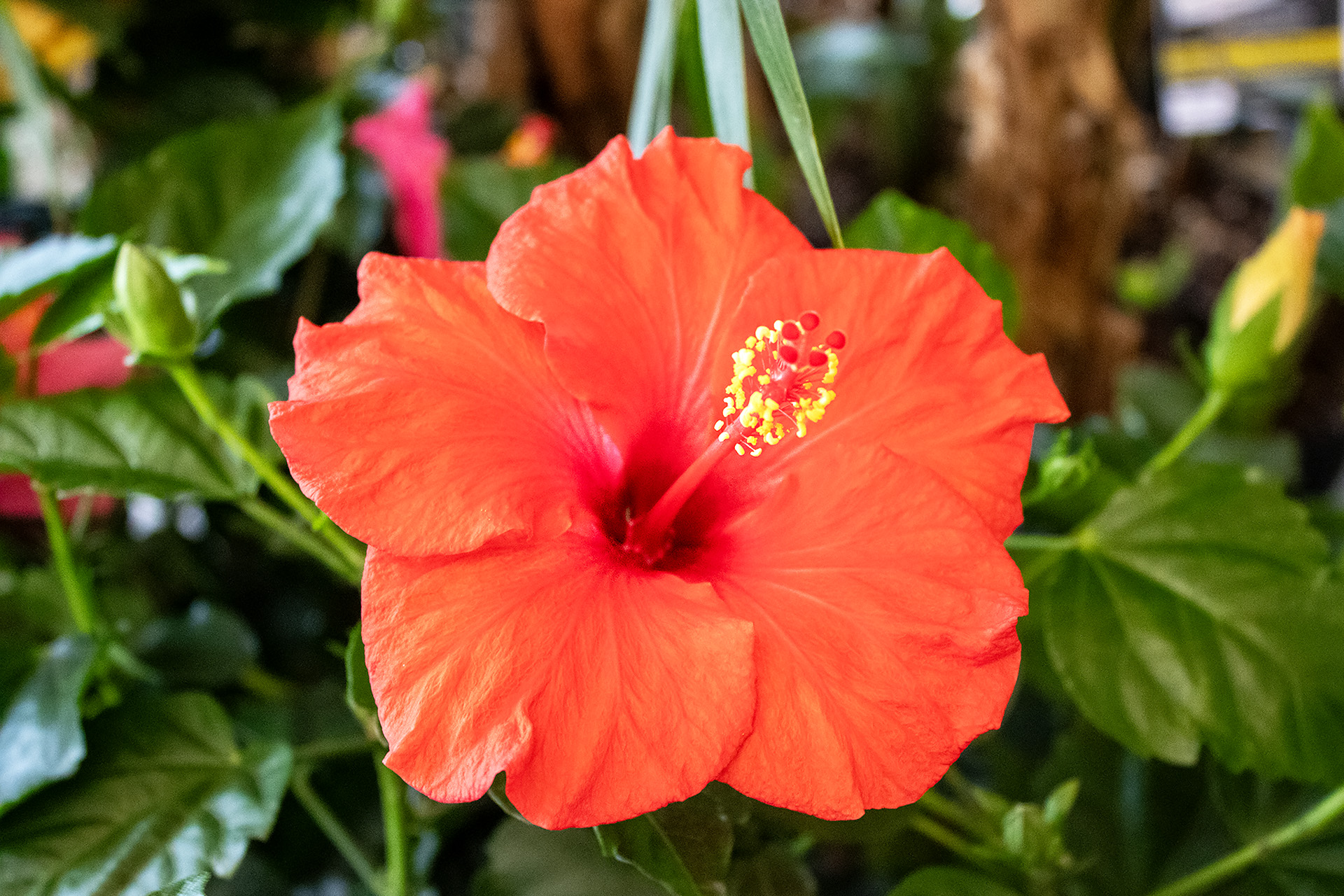
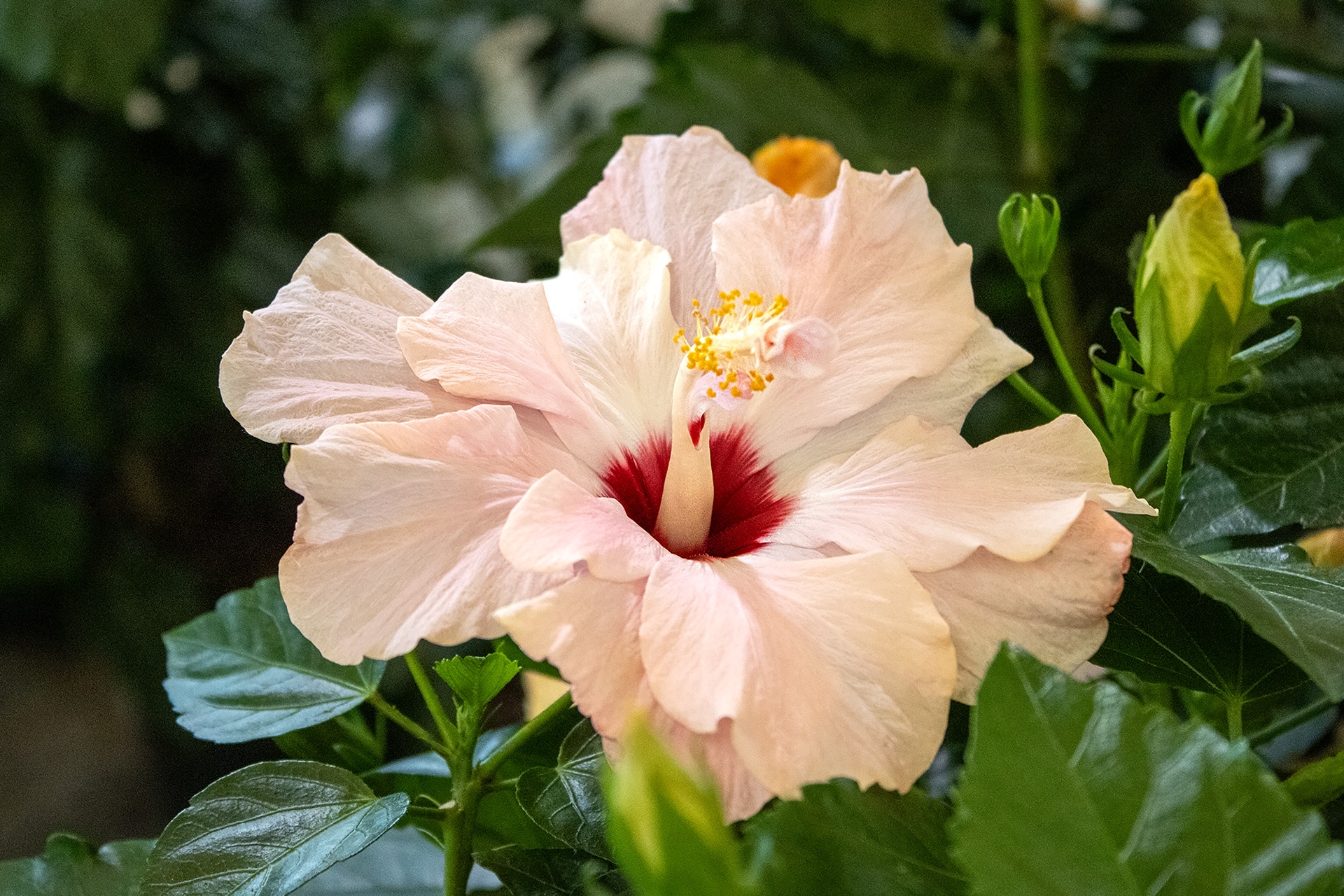
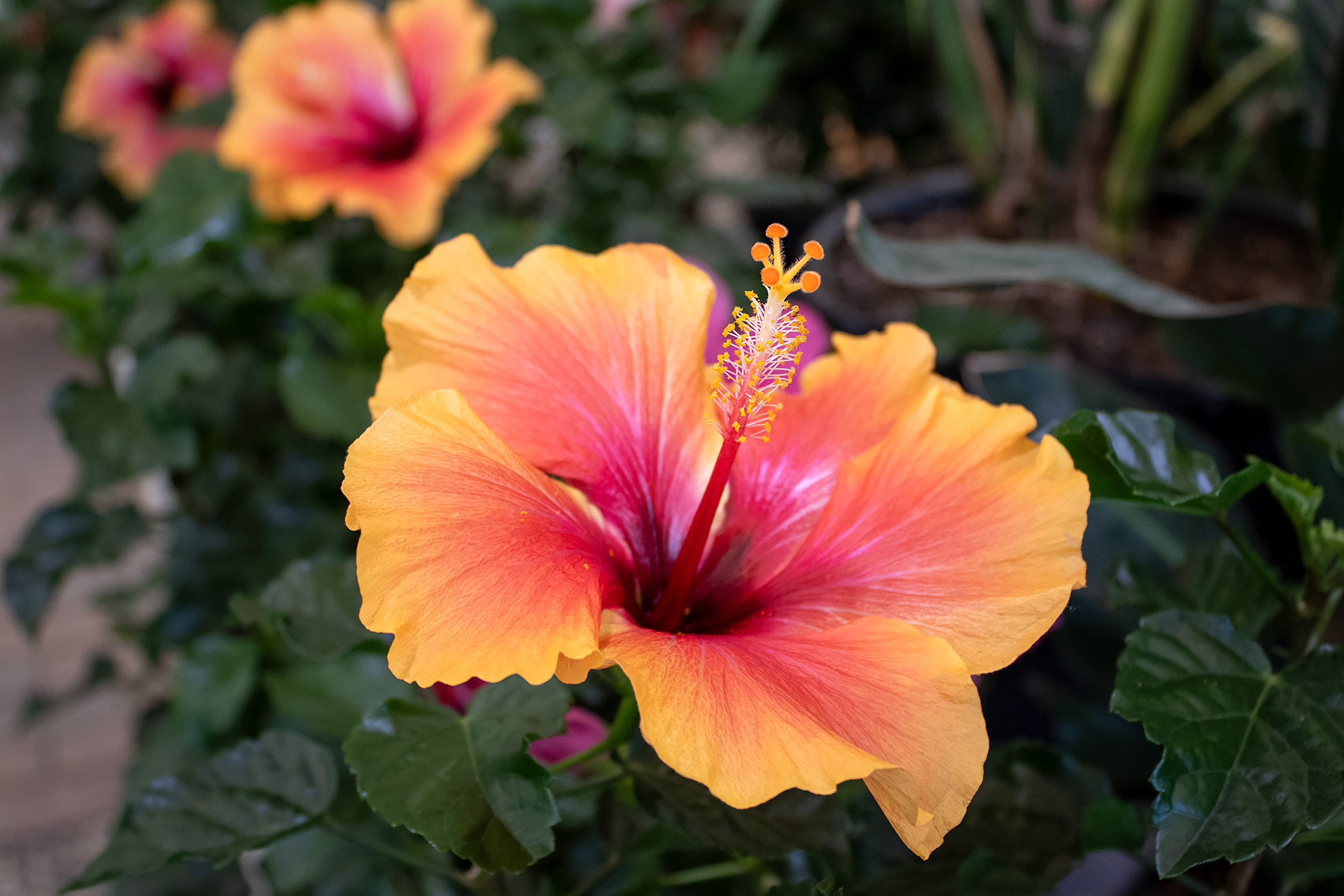
Chinese hibiscus are, quite simply, showstoppers. Their flowers can span an incredible range of forms and colors, double-petaled, pendulous, or reaching up to 12 inches across. Many varieties have been hybridized to produce intricate color patterns, and one of their most fascinating traits is that blooms may shift in color as they age over their short lifespan.
Each flower typically lasts only one to two days, but a healthy plant will produce a steady succession of blooms, ensuring there is always something to admire.
Light: The Key to Success Indoors
In the high desert, sunlight is abundant, but indoors, placement matters. Chinese hibiscus crave bright, direct light and perform best in a south-facing window where they can soak up as much sun as possible. Without sufficient light, plants may struggle to bloom and can become leggy or weak.
If your home lacks strong natural light, supplemental grow lighting can help maintain consistent flowering and overall plant health.
Water, Soil, and Feeding
Despite their tropical origins, hibiscus do not like to sit in soggy soil. The key is balance:
- Moisture: Keep the soil consistently moist but never waterlogged. Let the top layer dry slightly between waterings.
- Soil: Use a well-draining potting mix to prevent root rot.
- Fertilizer: Regular feeding is essential. Hibiscus are heavy feeders, and consistent fertilization supports both foliage and bloom production.
In the dry air of the high desert, you may find yourself watering more frequently than expected, especially during warmer months.
Seasonal Transitions: Indoors and Out
Chinese hibiscus can benefit from spending summer outdoors, where increased light and airflow can boost growth and blooming. However, in regions like Reno, this transition must be handled carefully.
Plants should be gradually introduced to outdoor conditions. Sudden exposure to intense high-desert sun can cause leaf scorch or sunburn. Start in a shaded or partially shaded area and slowly increase sun exposure over time.
Equally important is bringing them back inside before temperatures drop. Hibiscus are highly sensitive to cold and will not tolerate temperatures below 35°F. Many growers choose to bring them indoors once nighttime temperatures approach 40°F to stay on the safe side.
Pest Awareness
Indoor hibiscus can be prone to common pests such as aphids and mealybugs. Regular inspection is key, check new growth, leaf undersides, and stems for early signs of infestation.
Having an insecticidal soap or spray on hand allows you to act quickly if pests appear. Consistent care and monitoring will help prevent minor issues from becoming major problems.
Blooming Year-Round?
You may read that hibiscus won’t bloom in winter, but that isn’t always the case. With sufficient light, warmth, and proper care, indoor hibiscus can continue to produce flowers year-round. Blooming ultimately depends on environmental conditions and how well the plant’s needs are met.
A Worthwhile Challenge
Growing Chinese hibiscus indoors in the high desert requires attention and consistency, but the reward is undeniable. Few houseplants can match the drama, diversity, and sheer beauty of their blooms.
For those willing to provide bright light, steady care, and protection from harsh conditions, hibiscus can transform an indoor space into a vibrant, ever-changing display of tropical color, even in the middle of a desert winter.
Share
Have you ever wanted to add a beautiful dark houseplant to your collection? Here is a quick guide of some of the stunning options to bring a little goth spirit into your home.
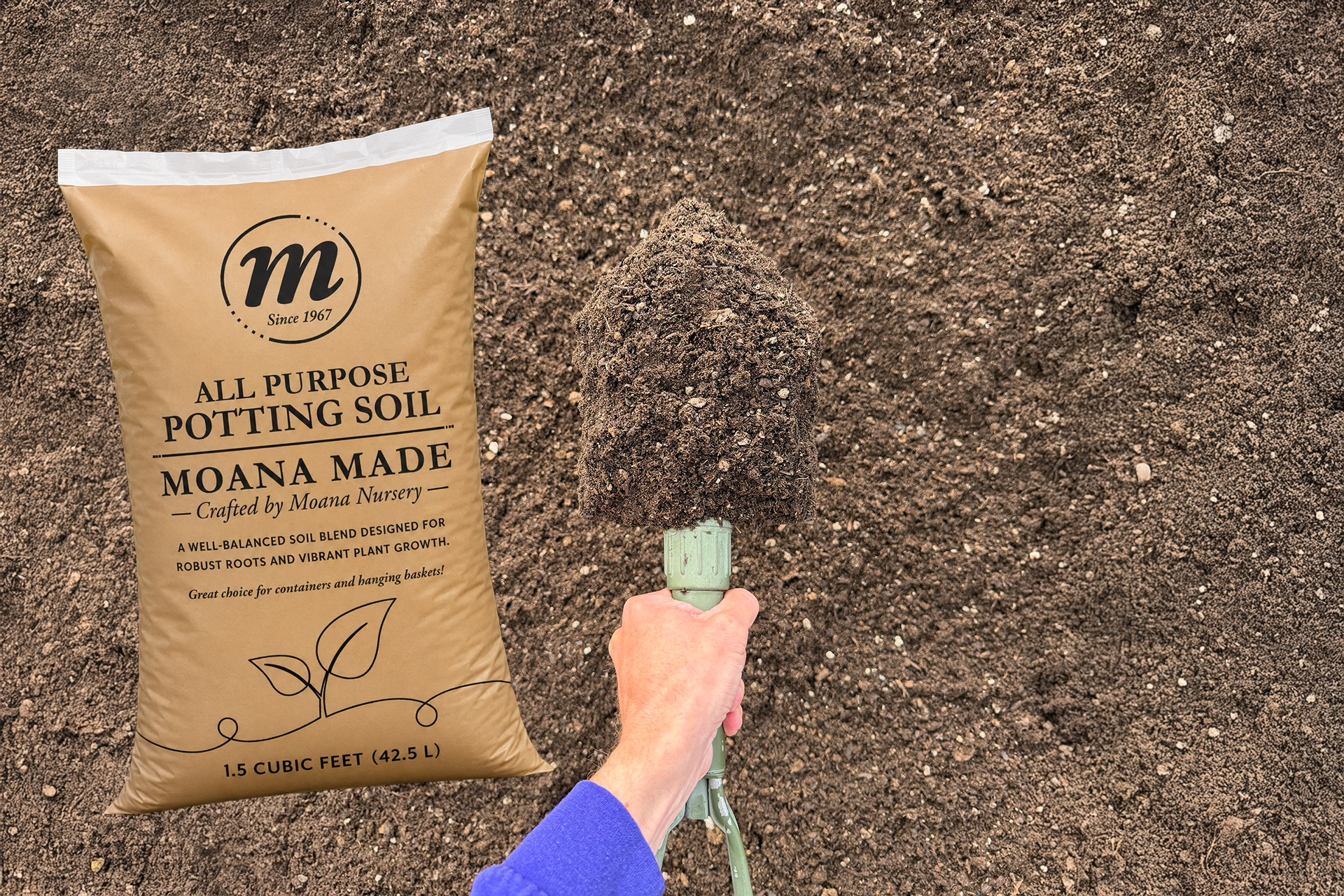
Moana Made All Purpose Potting Soil, a thoughtfully balanced growing blend crafted by Moana Nursery in partnership with Full Circle Compost. More than a product available at our garden centers, Moana Made is the same trusted blend we use at our local farm to grow Moana Grown plants.
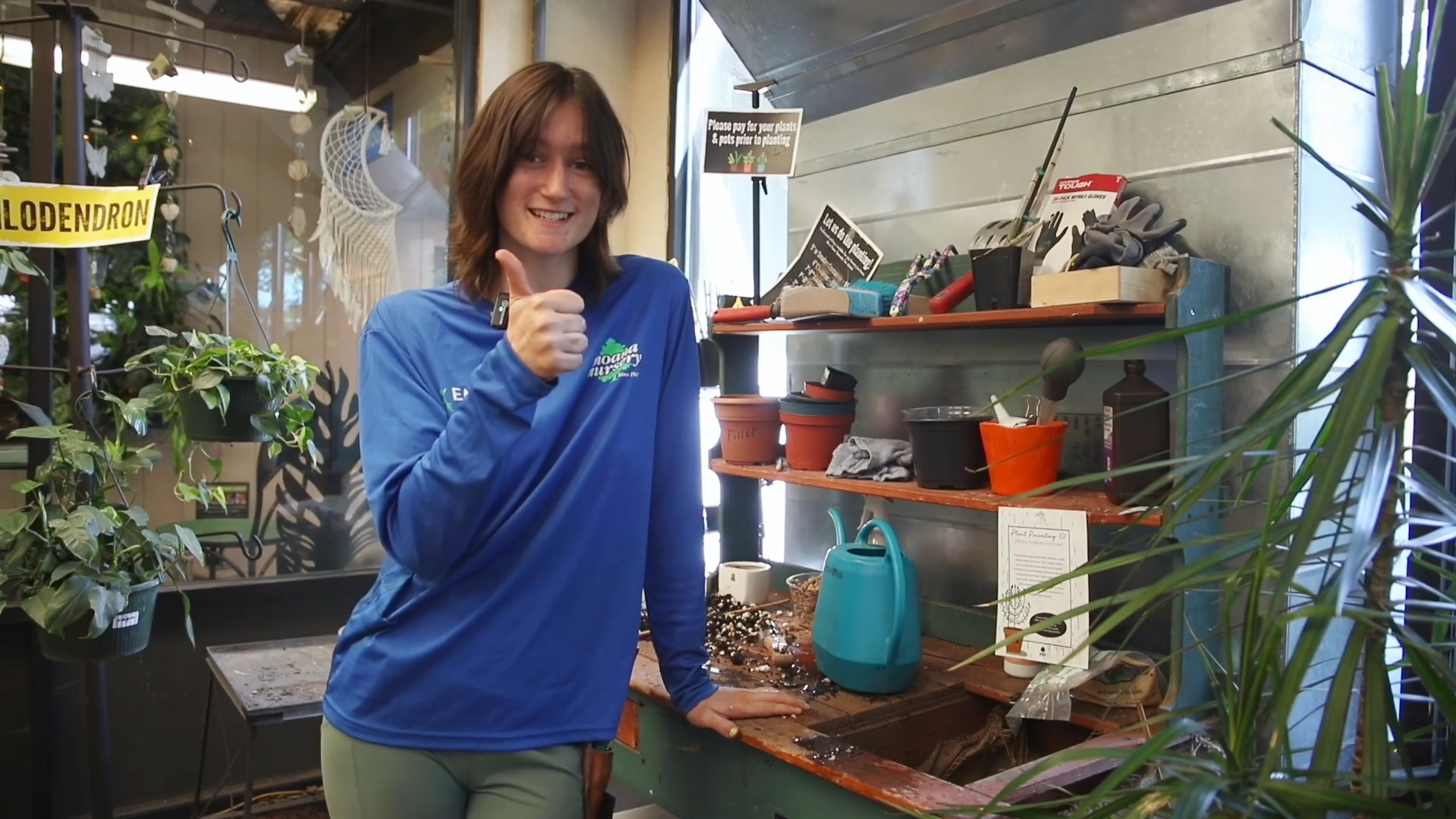
You have to be very careful when repotting a cactus but if your spiky friend is in need of a bigger home, here are some tips and tricks to help you do it safely.
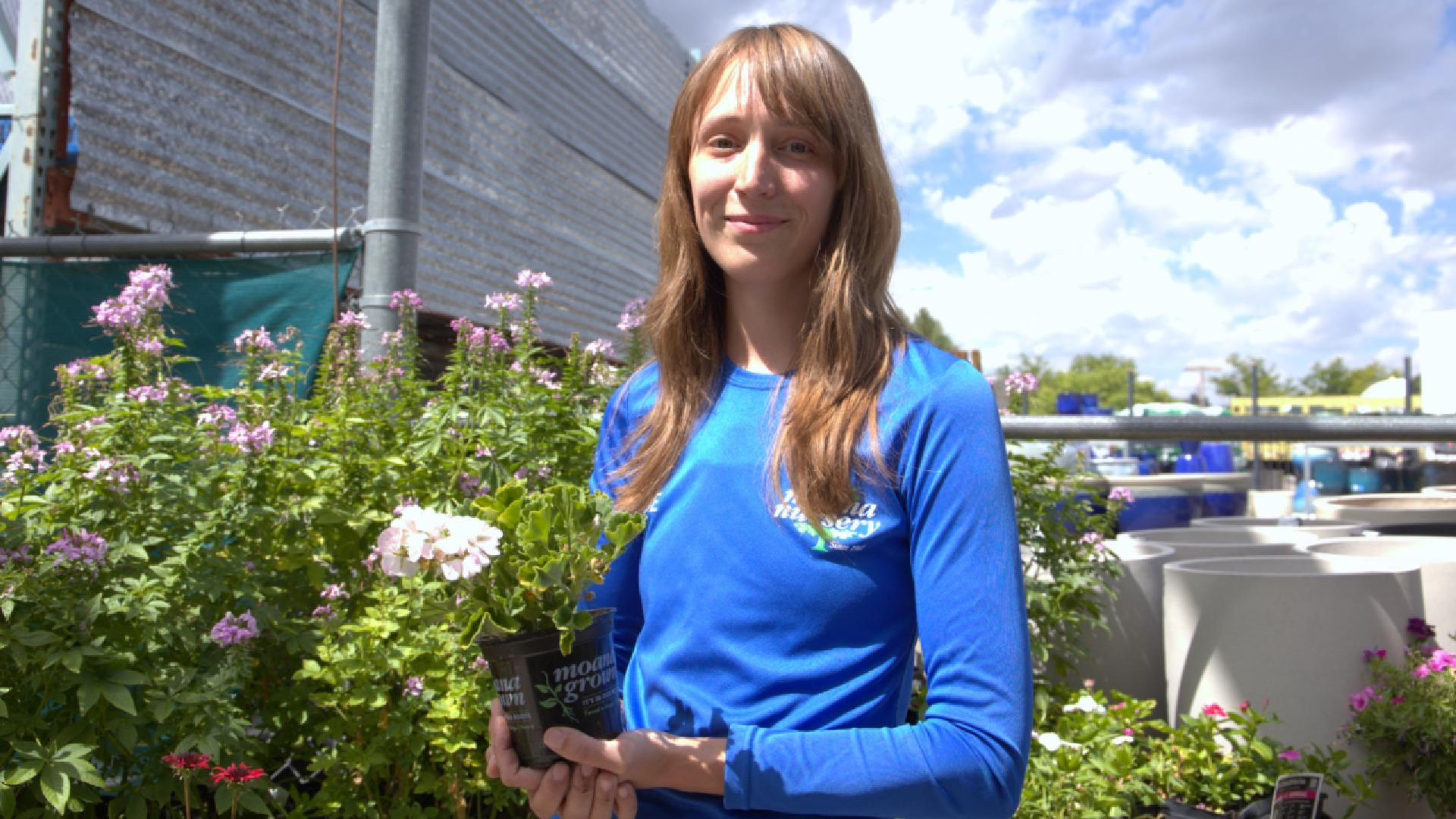
Summer in Reno can be tough on a garden. The good news is that most summer stress can be managed with a few consistent habits. Small adjustments can keep your garden growing, flowering and thriving through the hottest part of the season and into fall.