Share
A garden’s character comes from more than its flowers. The plants that hold their shape through changing seasons create a foundation for everything around them. They bring texture to summer planting beds, provide contrast as fall colors arrive, and keep the landscape looking alive when winter settles over the high desert.
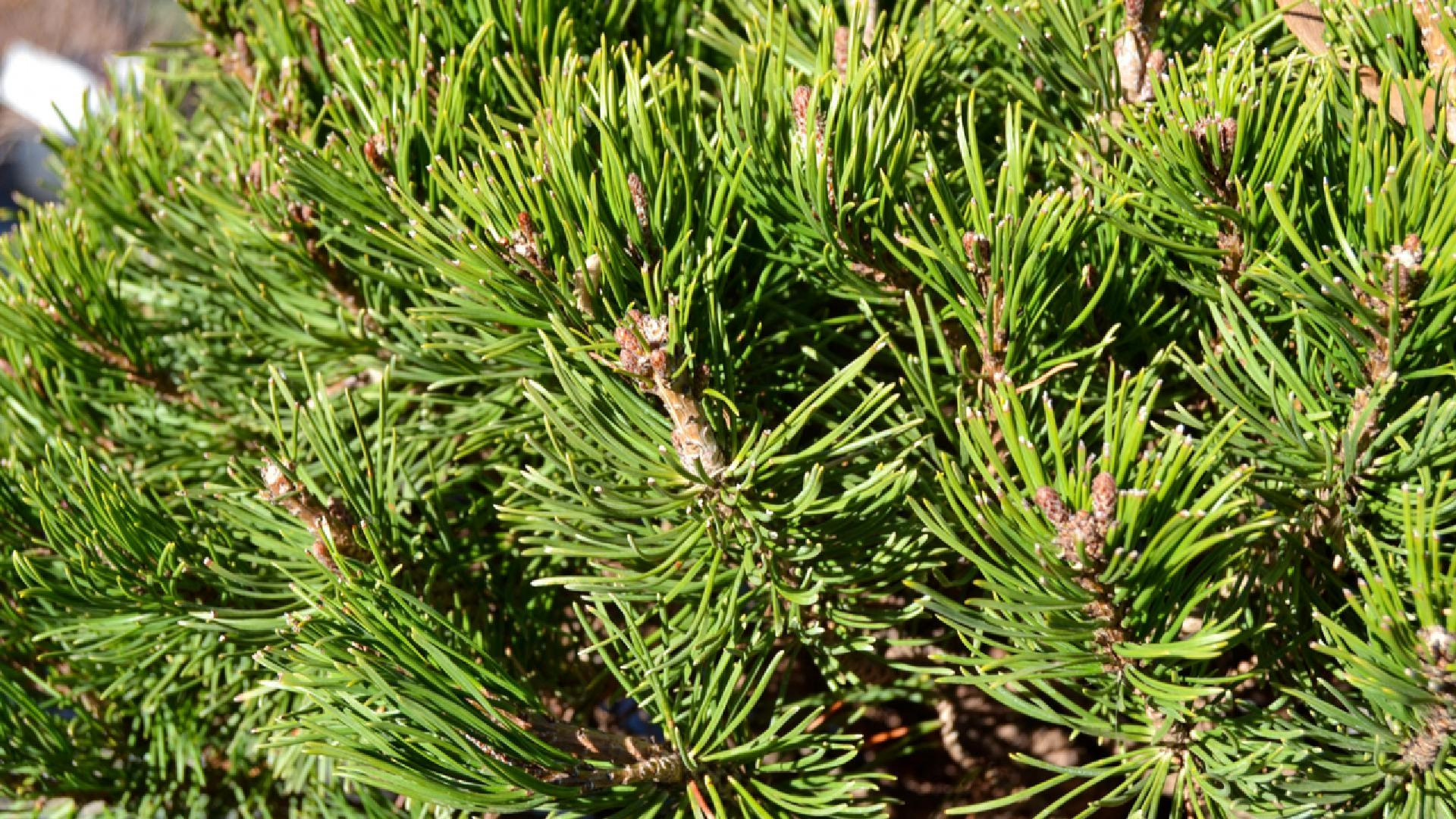
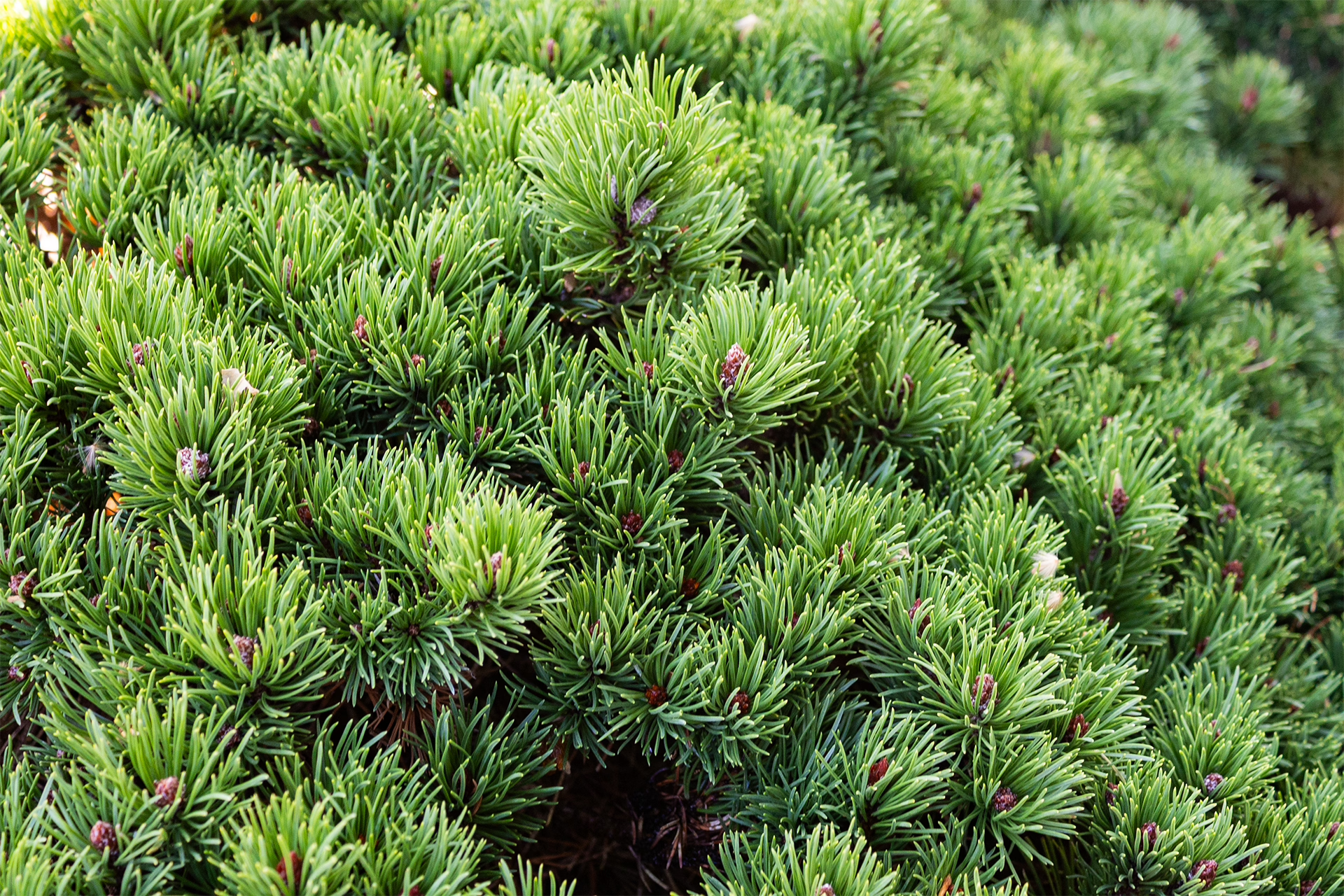
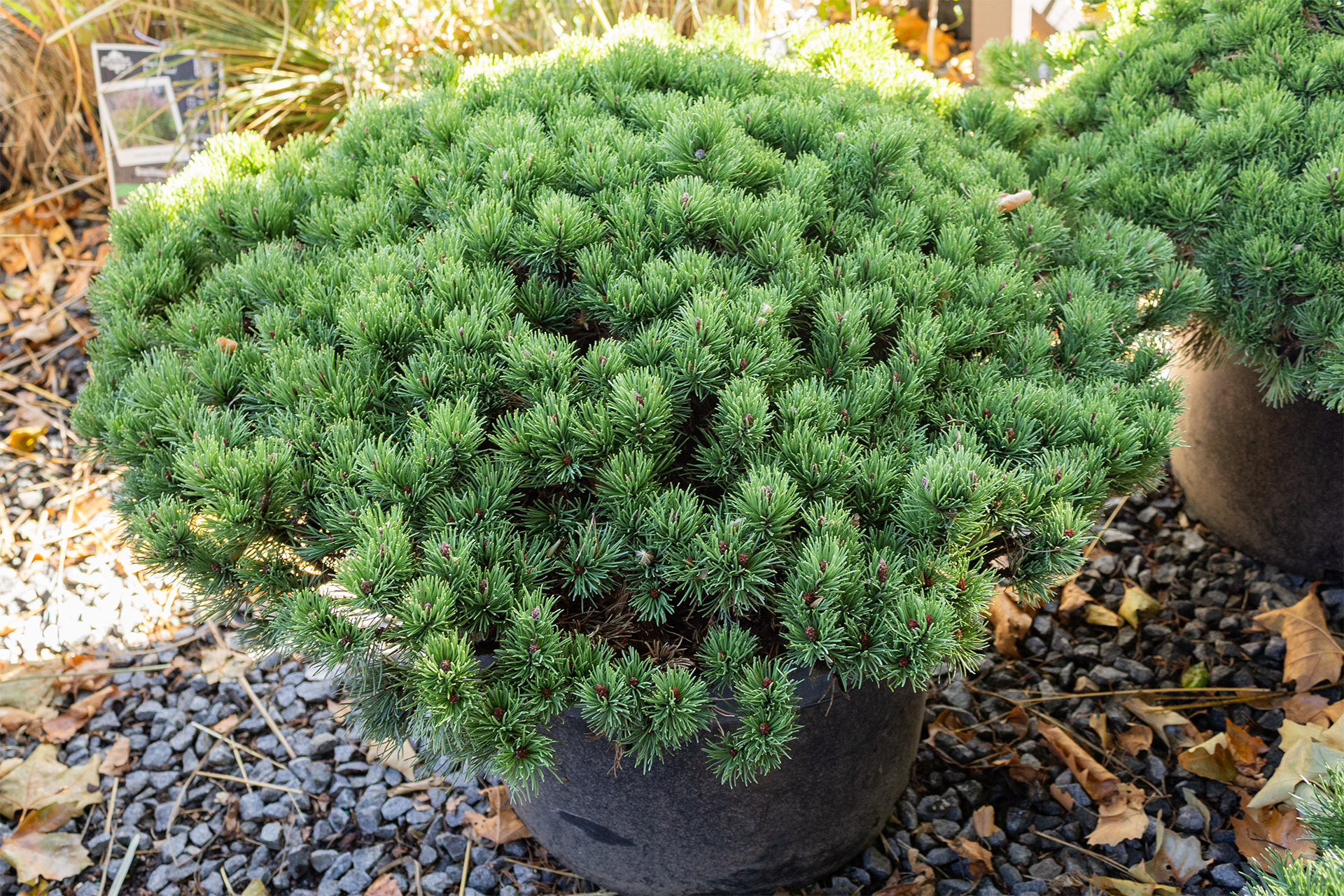
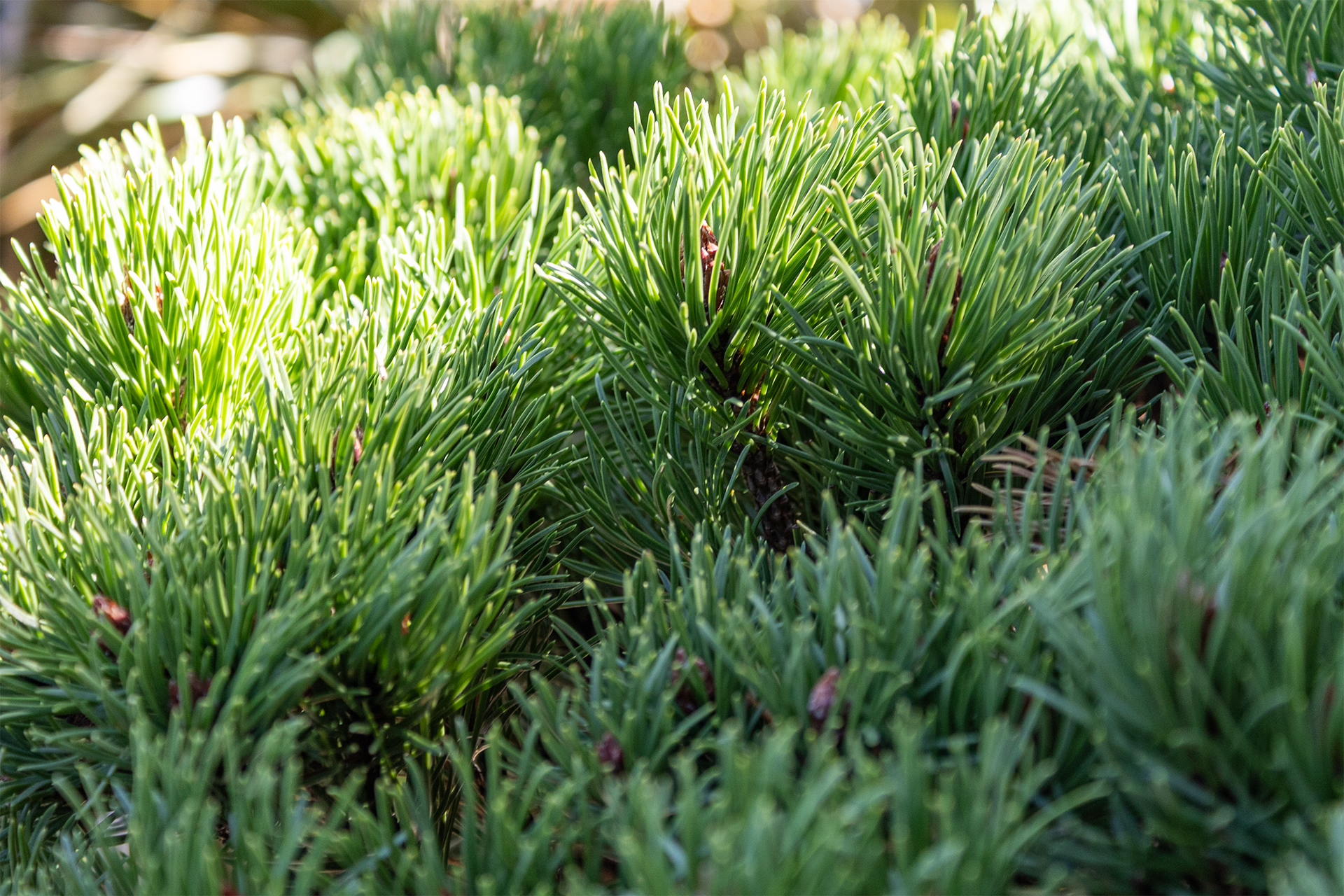
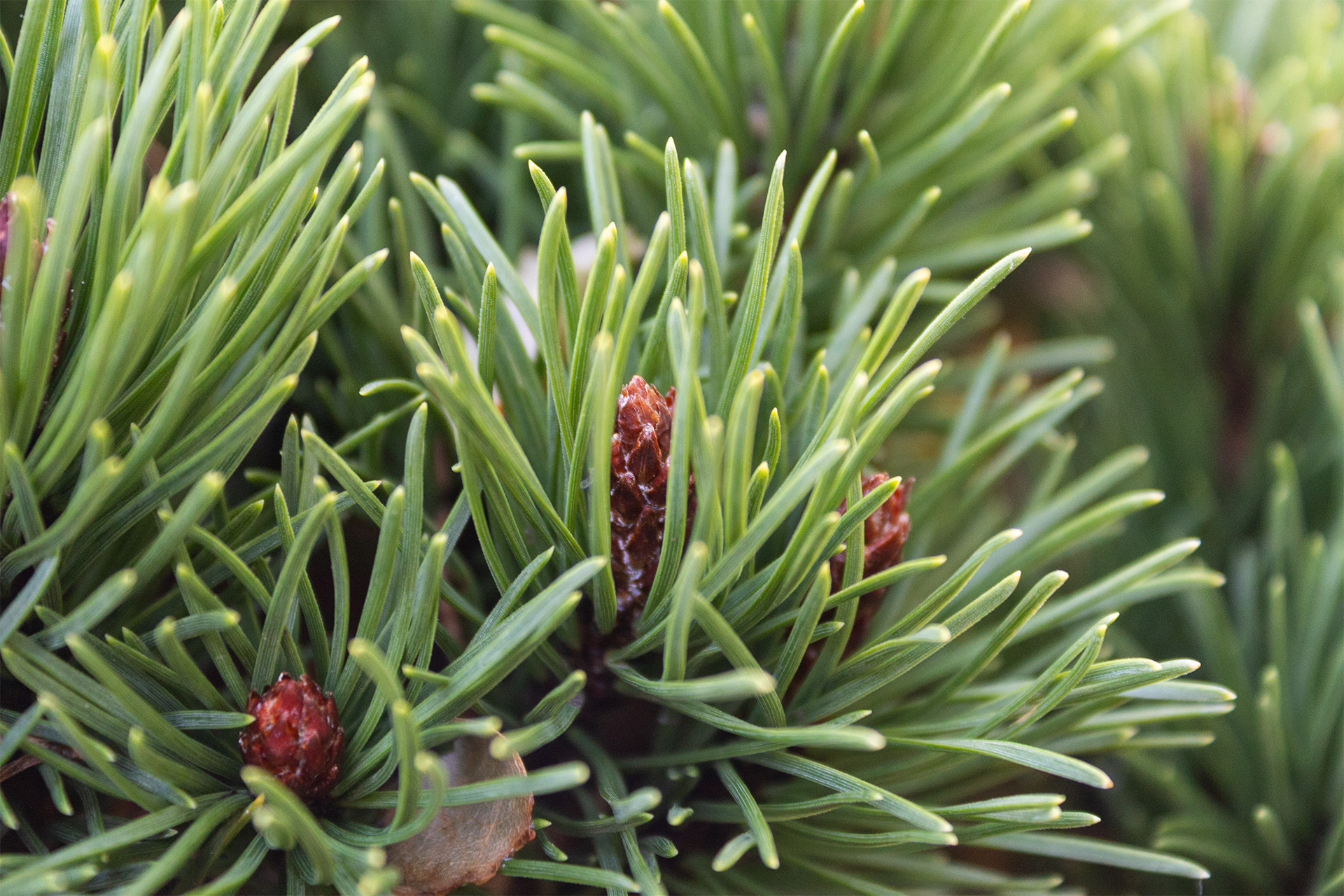
Dwarf mugo pine, known botanically as Pinus mugo var. pumilio, offers that kind of lasting presence. With dense green needles, sturdy branches, and a naturally low, spreading form, it brings the character of a mountain pine into the home landscape.
For gardeners in northern Nevada, this evergreen shrub can provide dependable structure throughout the year. Giving it room to grow, planting it carefully, and paying attention to its roots help it get off to a strong start.
A Mountain Pine with a Place in the Garden
Pinus mugo var. pumilio comes from mountainous regions of central and eastern Europe. Its tolerance of cold, alkaline soil, and some drought makes it a great choice for high desert landscapes.
Its densely arranged branches grow outward and upward, creating a broad mound of evergreen foliage. That shape gives gardens substance without the height of a larger pine tree.
A dwarf mugo pine can soften an open garden, complement landscape boulders or pathways, or provide a green backdrop for seasonal flowers and ornamental grasses. When other plants lose their leaves or finish blooming, their needles continue to bring color and texture to the garden.
Understanding How Dwarf Mugo Pine Grows
The word “dwarf” does not mean that this pine will remain as small as it looks in its nursery container.
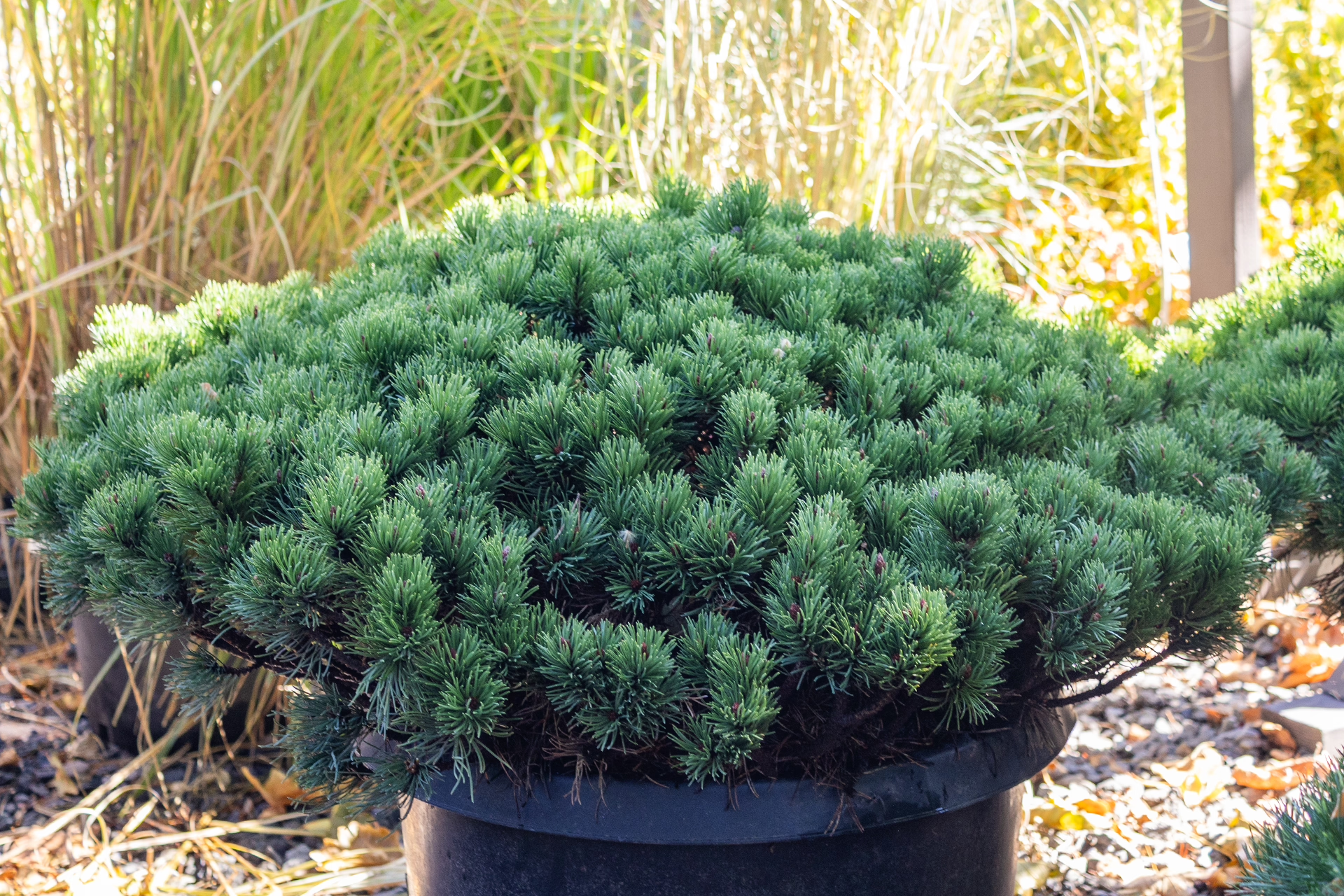
Pinus mugo var. pumilio commonly reaches approximately 3 to 5 feet tall and 6 to 10 feet wide over time, sometimes larger. Individual plants can vary in their growth rate and eventual dimensions.
Its spreading habit is part of its appeal. Rather than growing into a narrow, upright tree, it gradually develops a substantial mound with closely arranged branches and dense foliage.
Plan for that width from the beginning. A small plant may leave open space around it for several years, but that space allows the pine to develop naturally as it matures.
Giving it enough room also reduces the need for repeated pruning. Its best shape comes from allowing its branching habit to remain visible.
Finding the Right Place to Plant
A successful planting location provides sunlight, drainage, and enough room for the mature shrub.
Sunshine and Exposure
Dwarf mugo pine grows best in full sun. Choose an open location where surrounding plants or structures will not leave it in deep shade as the landscape develops.
High desert sunlight can be especially intense where walls and pavement reflect heat. Avoid tightly enclosed planting pockets beside hot south- or west-facing walls or windows.
Consider winter exposure as well. Drying winds and reflected winter sunlight can increase moisture loss, making seasonal watering especially important.
Room to Spread
Allow space for the pine’s broad, mature shape when determining its distance from paths, neighboring shrubs, and other landscape features.
For a plant expected to spread 10 feet wide, placing its center at least 5 feet from a walkway allows room for that anticipated growth. Leave additional space if you want a clear gap between the shrub and the path and remember that some plants may grow larger.
An open planting bed also makes it easier to manage irrigation separately from a lawn. Frequent lawn watering may keep the pine’s root zone more wet than it needs to be.
Soil That Drains
Native high desert soil is not always fast-draining. Some sites have gravelly soil, while others contain clay, compaction, or hard layers that significantly slow water movement.
Avoid low spots where runoff collects. If you’re unsure about the draining, before planting you can check by filling the hole partway with water and watching how fast/slow it drains. If water remains after 12 hours, choose another location or address the drainage problem before planting.
Adding gravel to the bottom of a hole does not create an outlet for trapped water. The surrounding soil must allow excess moisture to move away from the roots.
Planting with the Seasons
Fall is the best time to plant dwarf mugo pine. Cooler temperatures help the plant adjust to its new home and begin developing roots before the ground freezes. Spring and summer planting can also be successful, as long as conditions are not too extreme and consistent watering is available. Avoid planting during prolonged heat or strong, dry winds. After planting, check soil moisture regularly and water as needed until the ground freezes. A layer of mulch or Soil Building Conditioner can help retain moisture.
Giving the Roots a Good Start
Careful planting helps dwarf mugo pine move from its nursery container into the surrounding landscape soil. Use Superthrive to avoid transplant shock, and feed with Moana Made fertilizer to ensure a nice healthy root system.
Prepare the Plant
Water the container thoroughly before planting. Remove the pot carefully and locate the root collar, where the stems meet the first main roots. Gently remove excess nursery soil covering this point.
Inspect the outside of the root ball. Loosen or straighten accessible circling roots and cleanly cut roots that cannot be redirected. Keep the remaining root ball moist and handle it gently.
Dig Wide and Plant at the Right Depth
Dig a hole two times as wide as the root ball. Make it only deep enough for the root collar to sit at or slightly above the surrounding soil level.
Leave firm, undisturbed soil beneath the root ball to prevent settling, and roughen smooth sides of the planting hole.
A wide hole gives roots room to grow outward. A firm base helps keep the plant from sinking below its proper planting depth.
Backfill and Water Thoroughly
Backfill primarily with the soil removed from the hole, supplementing with bagged soil or amendments as needed. Gently settle the backfill without heavy tamping. Water slowly and thoroughly to moisten the root ball and surrounding area, then check that settling has not buried the root collar.
Helping the Pine Become Established
The first one or two growing seasons deserve particular attention. During this period, roots are expanding beyond the original root ball, and the plant depends on consistent access to moisture.
Check moisture every day or two during the first several weeks, especially in hot or windy weather. Check below the surface in both the root ball and surrounding soil because they may dry at different rates.
Water when the root zone begins to dry. The goal is to have moist soil with air available around the roots. Constant saturation can be just as harmful as allowing a newly planted root ball to dry out.
As the plant develops, gradually widen the area receiving water. With drip irrigation, use enough emitters to wet the root ball and neighboring soil rather than concentrating water beside a single stem.
Confirm that watering reaches below the surface, and adjust the schedule as weather changes.
Caring for an Established Plant
Once roots have spread into the surrounding soil, irrigation can generally become less frequent. Water thoroughly, then allow some drying between applications.
General high desert guidance for established trees and shrubs suggests watering about every week or two during the growing season. Use that as a starting point rather than a fixed prescription for your dwarf mugo pine. If you’re unsure or would like a specialized plan for your specific yard, visit any of our stores and ask a plant doctor, be sure to bring photos or soil samples so we can best assist you.
Remembering Winter Moisture
An evergreen landscape still needs attention after summer watering ends. Pine needles continue losing moisture in winter, especially during dry, windy periods, while frozen ground can limit the roots’ ability to replace it.
During extended dry weather without snow cover, check the soil and water if needed. Choose a mild day above 40°F when the ground is unfrozen. Water around midday so moisture can soak in before temperatures fall overnight.
Recently planted pines deserve particular attention. Avoid watering frozen or already saturated soil, and consider actual moisture conditions rather than assuming winter supplies enough water.
Preserving the Natural Shape
Dwarf mugo pine usually needs little pruning when it has enough room to develop its broad, mounded form.
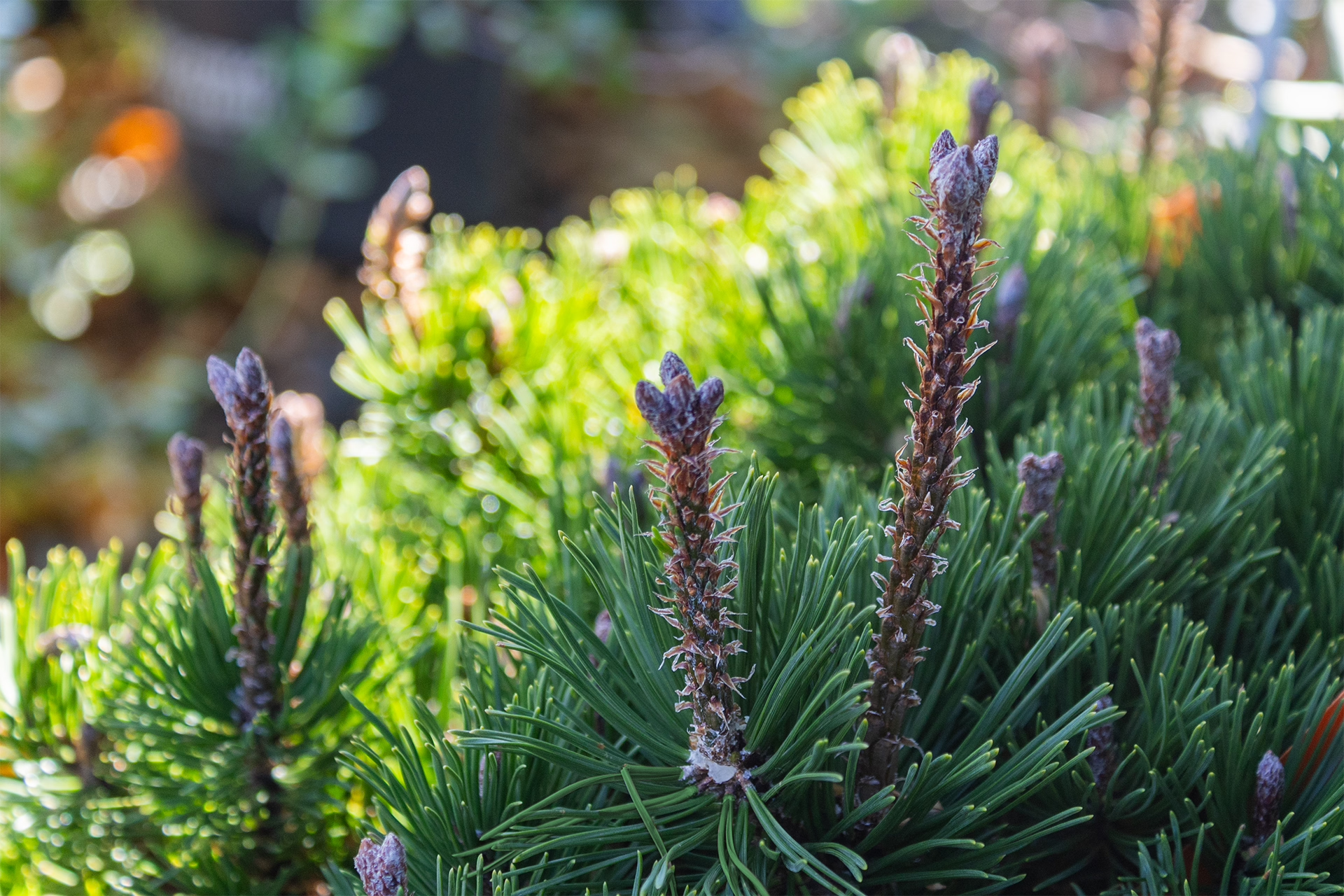
If a denser shape is desired, shorten some of the soft new spring shoots, called candles, by up to about half while they are still tender. Follow the plant’s growth stage rather than a fixed date, since spring development changes with elevation and weather.
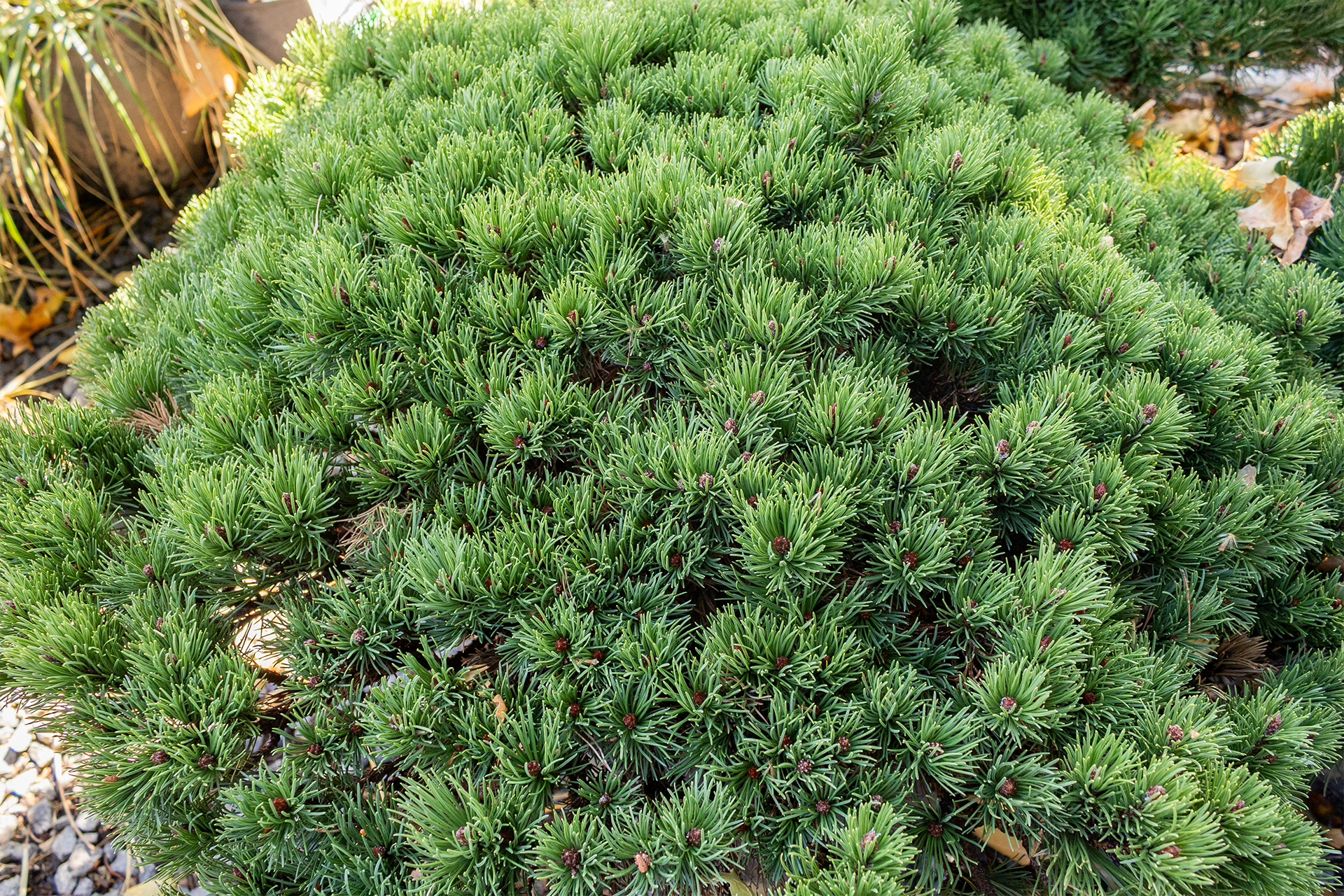
Avoid cutting back into bare old wood. Pines generally do not replace foliage reliably from those cuts, and aggressive shearing can leave lasting gaps.
Remove dead or broken branches as needed. Light, selective care helps preserve the natural branching pattern without turning the shrub into a tightly clipped shape.
Knowing What to Watch For
Evergreen does not mean that every needle stays on the plant forever. Some yellowing and shedding of older interior needles in fall is normal, particularly when the outer growth remains green and healthy.
Browning new growth, dying branch tips, or rapid thinning calls for closer inspection. Check soil moisture and irrigation coverage, then look for signs of insects.
White scale coverings attached to needles can indicate pine needle scale. If the cause is unclear, bring a sample or photos to Moana Nursery and ask any Plant Doctor to diagnose.
A Lasting Foundation for Your High Desert Garden
Dwarf mugo pine offers something valuable in a seasonal landscape: a steady presence. Its green needles and spreading branches complement spring flowers, summer growth, fall color, and winter garden views.
That lasting structure begins with practical choices. Give your mugo pine room to reach its mature width, plant where sunlight and drainage support healthy roots, and adjust watering as the plant becomes established and the seasons change.
With a thoughtful start and attentive care, this mountain pine can become a lasting part of your own high desert growing story.
Share
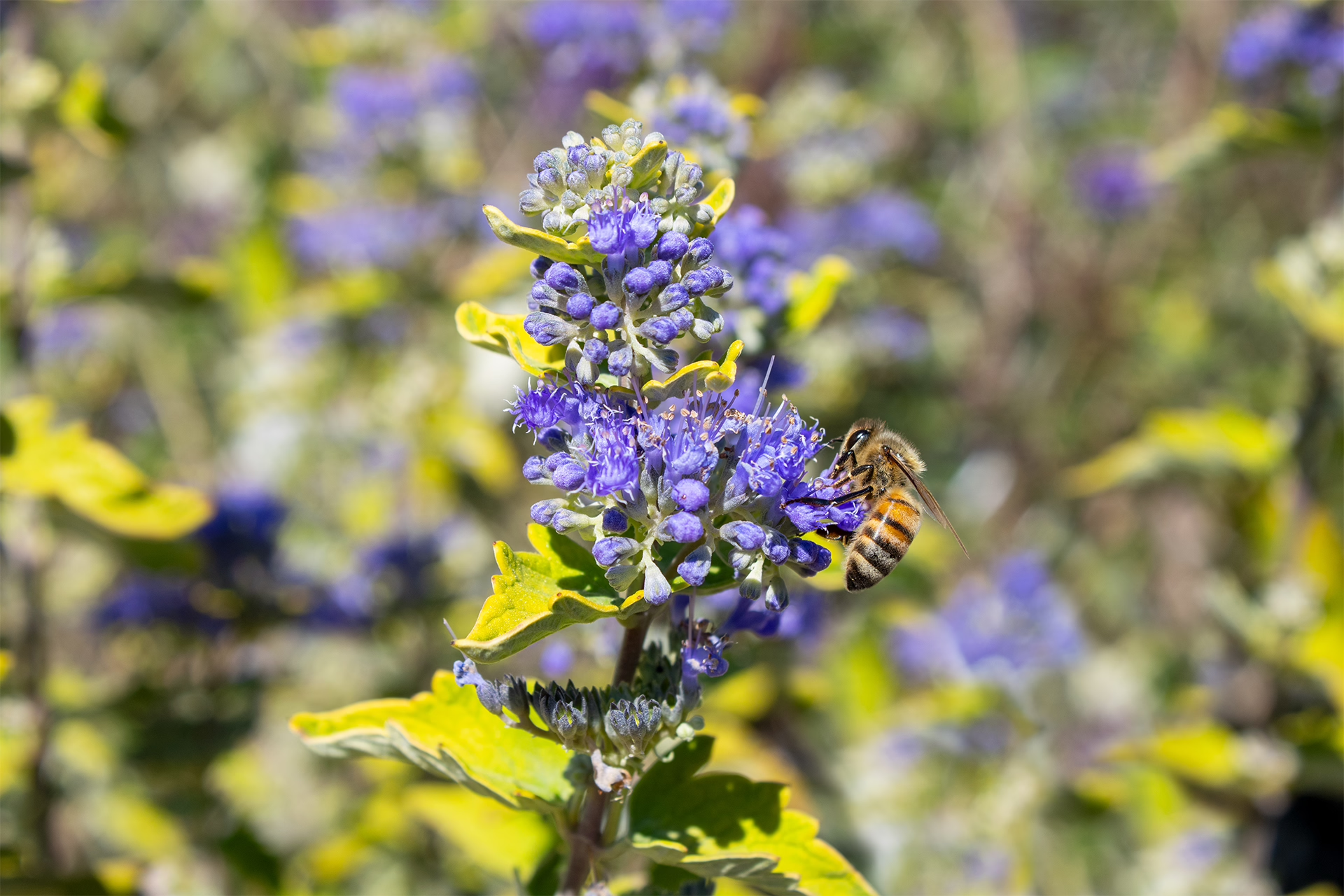
High desert gardeners ask a lot of their plants. A successful shrub must tolerate intense sunlight, dry air, temperature swings, alkaline soil and winter cold, while still bringing color and life to the landscape. Caryopteris meets that challenge beautifully.
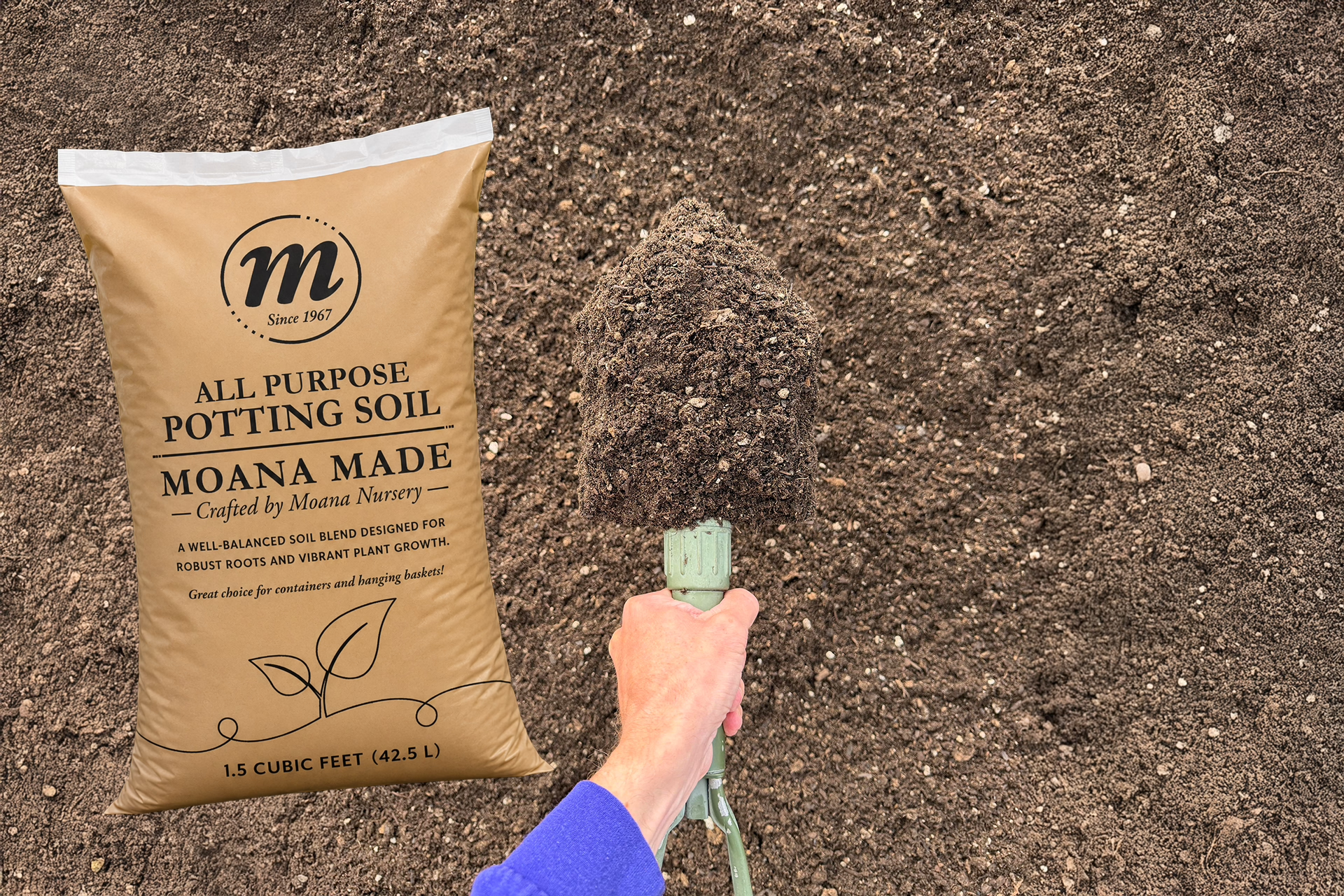
Moana Made All Purpose Potting Soil, a thoughtfully balanced growing blend crafted by Moana Nursery in partnership with Full Circle Compost. More than a product available at our garden centers, Moana Made is the same trusted blend we use at our local farm to grow Moana Grown plants.
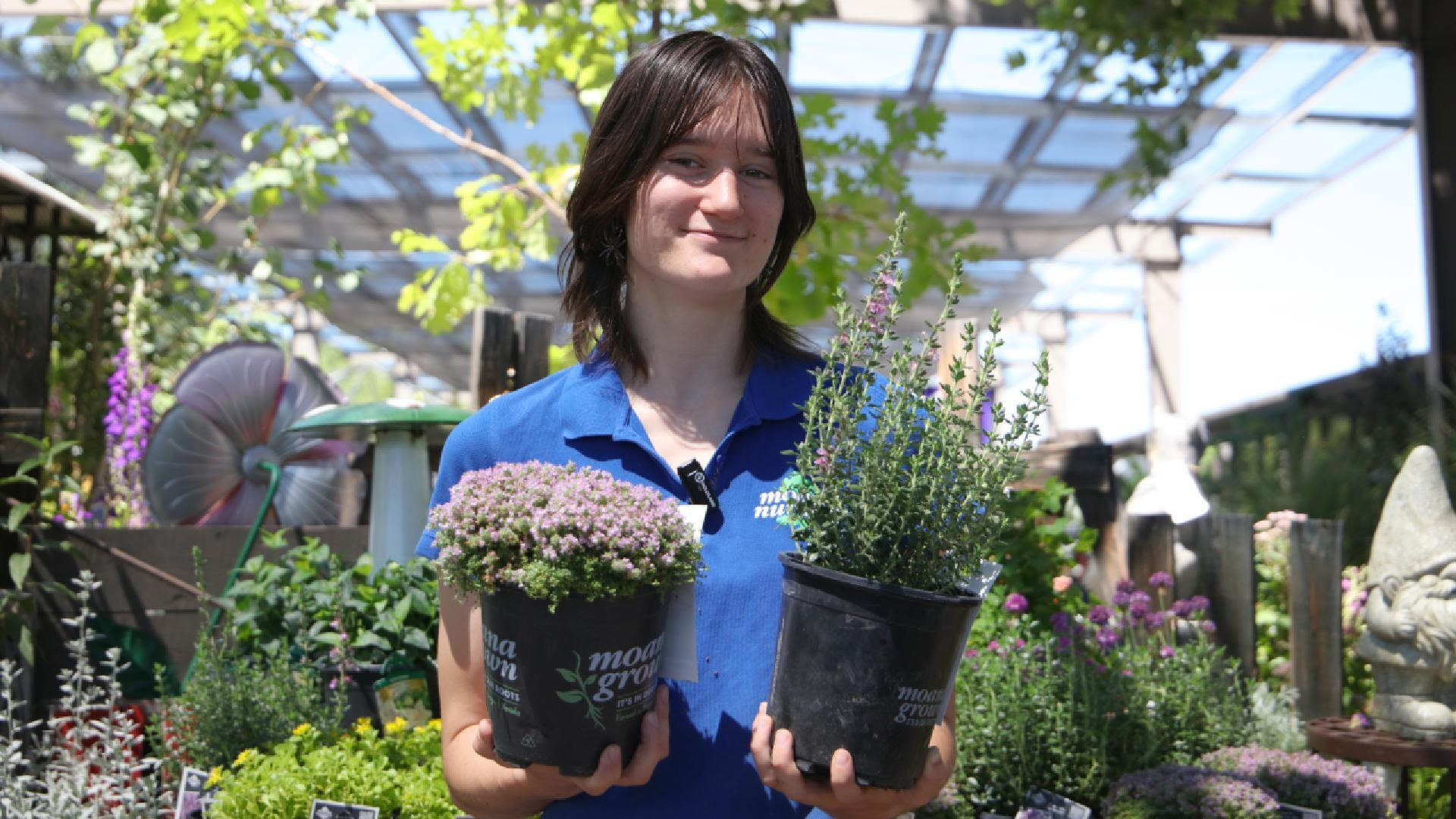
Groundcover perennials are one of the smartest additions to any landscape. Unlike annuals that need to be replanted each year, perennial groundcovers return season after season, filling bare spaces with color and texture while helping suppress weeds, reduce erosion, and conserve moisture.
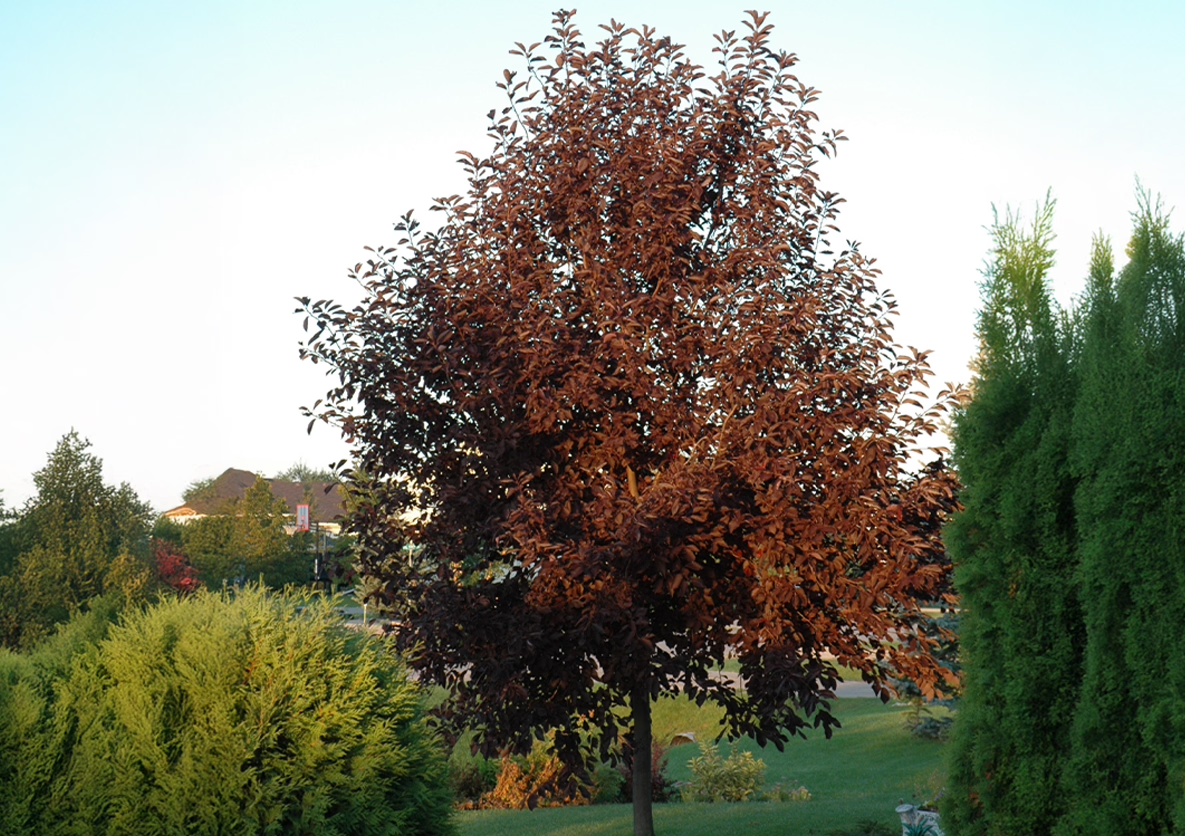
If you're looking for a tree that offers rich purple foliage, fragrant spring flowers, and exceptional hardiness, the Canada Red Chokecherry is an excellent choice. This versatile ornamental tree provides season-long beauty while thriving in challenging climates, making it a favorite for high desert landscapes.