
Share
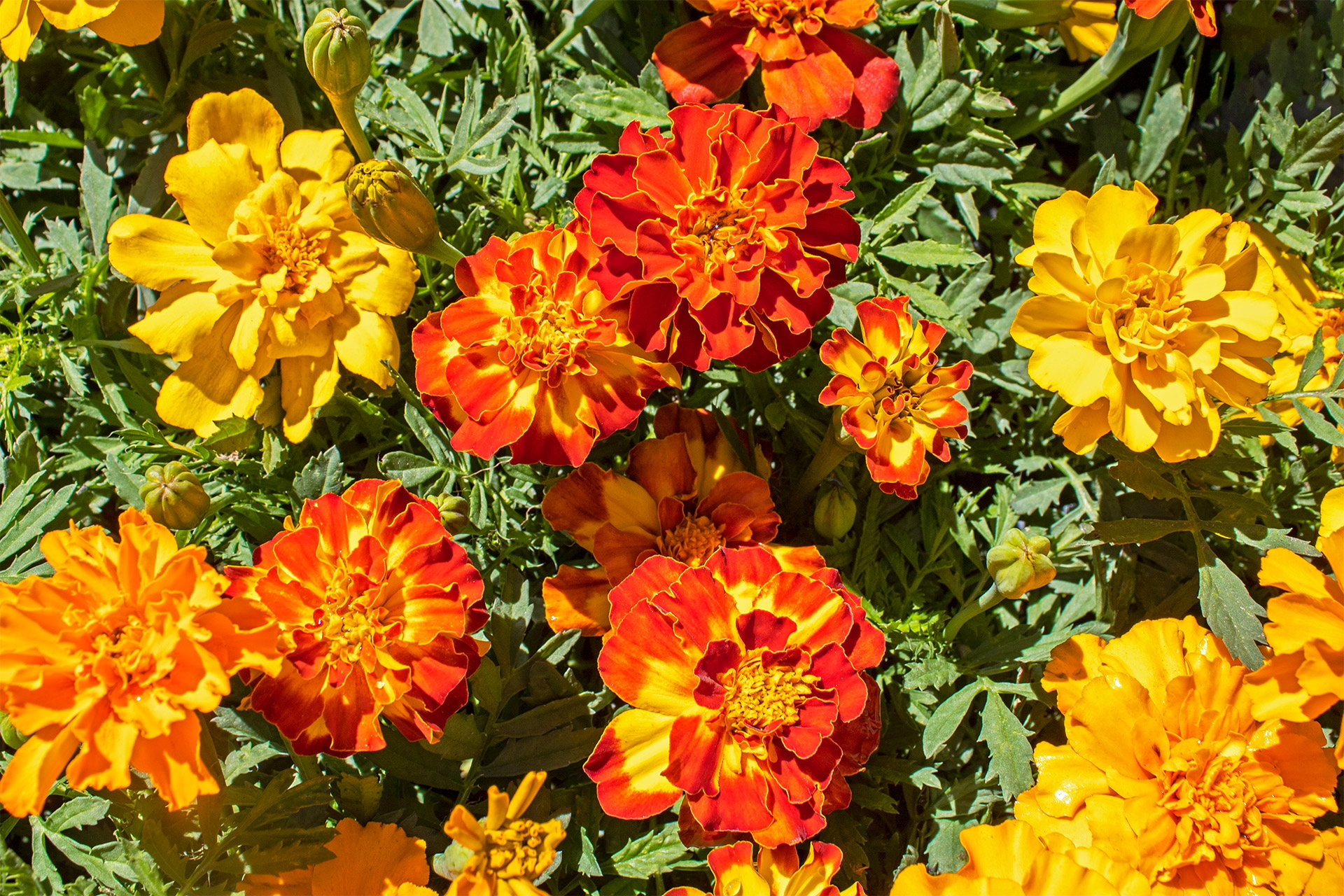
Marigolds are among the most dependable annual flowers for high desert gardens. Their bright yellow, gold, orange, and sometimes red blooms provide months of color while thriving in the sunny, dry conditions common throughout Northern Nevada and other high desert regions.
Easy to grow and relatively low maintenance, marigolds are excellent choices for flower beds, vegetable gardens, patio containers, and landscape borders. With proper care, they can bloom continuously from late spring until the first hard frost.
Why Marigolds Thrive in the High Desert
High desert climates are known for intense sunlight, low humidity, wide temperature swings, and periods of drought. Fortunately, marigolds are well adapted to these conditions.
Once established, they tolerate heat well and continue flowering through the hottest part of summer when many other annuals begin to struggle. Their long bloom season and ability to perform in a variety of garden settings make them a favorite among local gardeners.
Choosing the Right Planting Location
Marigolds perform best in areas that receive at least six to eight hours of direct sunlight each day. More sunlight generally results in stronger plants and more abundant blooms.
Good drainage is equally important. Whether planted in the ground or in containers, marigolds dislike soggy soil and can develop root problems if water sits around their roots for extended periods.
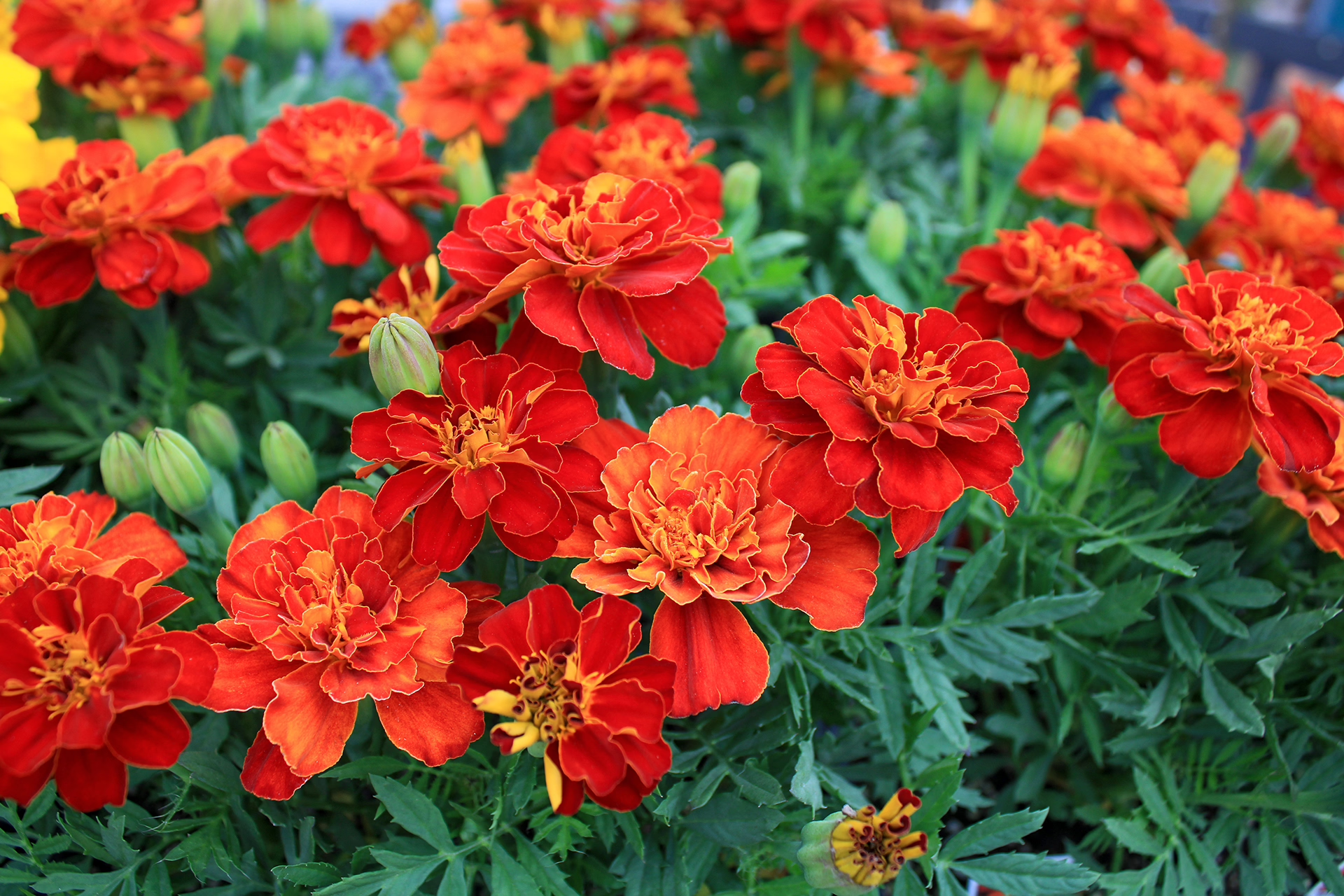
Growing Marigolds in the Ground
Marigolds are excellent additions to flower beds, borders, and vegetable gardens.
Soil Preparation
Before planting, loosen the soil and incorporate compost or soil building conditioner if needed to improve drainage and soil structure. Marigolds are not heavy feeders and do not require highly enriched soil.
Watering
Newly planted marigolds should be watered regularly until their roots become established.
Once established:
- Water deeply rather than frequently.
- Allow the top inch or two of soil to dry between waterings.
- Water early in the day whenever possible.
- Increase watering frequency during periods of extreme heat.
A layer of mulch around plants helps conserve moisture, reduce weeds, and keep root temperatures more consistent during hot summer weather.
Maintenance
Remove spent flowers regularly to encourage additional blooms. This simple practice, known as deadheading, helps plants continue producing flowers throughout the growing season.
Monitor plants during prolonged heat waves and provide supplemental water if signs of stress appear, such as wilting or reduced flowering.
Growing Marigolds in Containers and Pots
Marigolds are outstanding container plants and can brighten patios, porches, balconies, and entryways throughout the season.
Choosing a Container
Select a pot with adequate drainage holes. Containers that retain too much water can lead to root rot and poor plant performance.
Larger containers generally perform better in high desert climates because they hold moisture longer and protect roots from extreme temperature fluctuations.
Potting Mix
Use a high-quality potting mix rather than ground soil. Potting mixes provide better drainage and aeration while helping roots develop properly.
A slow-release fertilizer, like Moana Made All Purpose Organic Granular Slow Release Plant Food, mixed into the potting soil at planting time can provide nutrients throughout the growing season.
Watering Container Marigolds
Container-grown marigolds dry out much faster than plants growing in the ground.
During summer, check soil moisture daily. Water thoroughly when the top inch of potting mix feels dry.
Keep in mind:
- Containers in full sun may require watering every day during peak summer heat.
- Hanging baskets and smaller pots dry out particularly quickly.
- Avoid letting pots sit in standing water.
Consistent moisture promotes healthier plants and more continuous flowering.
Fertilizing Container Plants
Because nutrients gradually wash out of containers with repeated watering, marigolds growing in pots benefit from occasional feeding.
Apply a balanced fertilizer every few weeks according to label directions. Avoid overfertilizing, as excessive nutrients can reduce flower production.
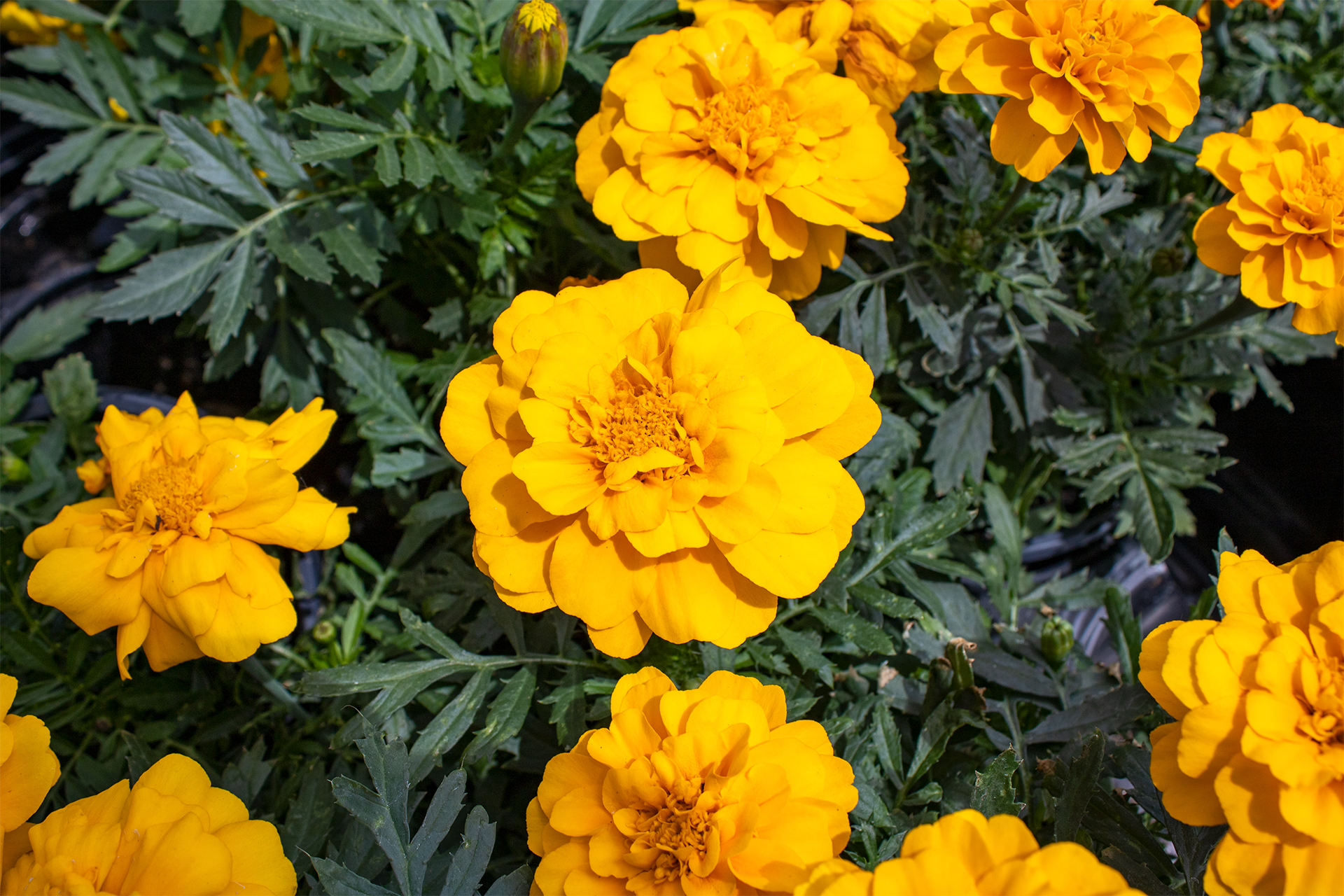
Keeping Marigolds Blooming All Season
Marigolds are naturally prolific bloomers, but a few simple practices can maximize their display.
For the best flower production:
- Remove faded blooms regularly.
- Provide full sun.
- Water consistently, especially during hot weather.
- Remove damaged or diseased foliage promptly.
These small maintenance tasks help keep plants attractive and productive from spring through fall.
Common Challenges
Wilting
Temporary afternoon wilting can occur during extremely hot weather. If plants recover by evening, this is usually normal. Persistent wilting may indicate a need for deeper watering.
Poor Flowering
Insufficient sunlight, overcrowding or watering issues are common causes of reduced bloom production.
Root Problems
Overwatering and poor drainage can lead to root rot. Always plant in well-drained soil and containers with drainage holes.
Marigolds and Vegetable Gardens
Marigolds make excellent companions for vegetable gardens, where they add color and attract pollinators such as bees and butterflies.
They pair especially well with tomatoes, peppers, cucumbers, squash, and beans, creating a vibrant and productive garden environment.
A Colorful High Desert Favorite
For gardeners looking for reliable color and easy care, marigolds remain one of the best annual flowers for the high desert. Whether planted in landscape beds or displayed in containers on a patio, these cheerful blooms provide months of beauty with relatively little effort.
By providing full sun, proper drainage, consistent watering, and occasional deadheading, gardeners can enjoy healthy marigolds and continuous blooms all season long.
Share
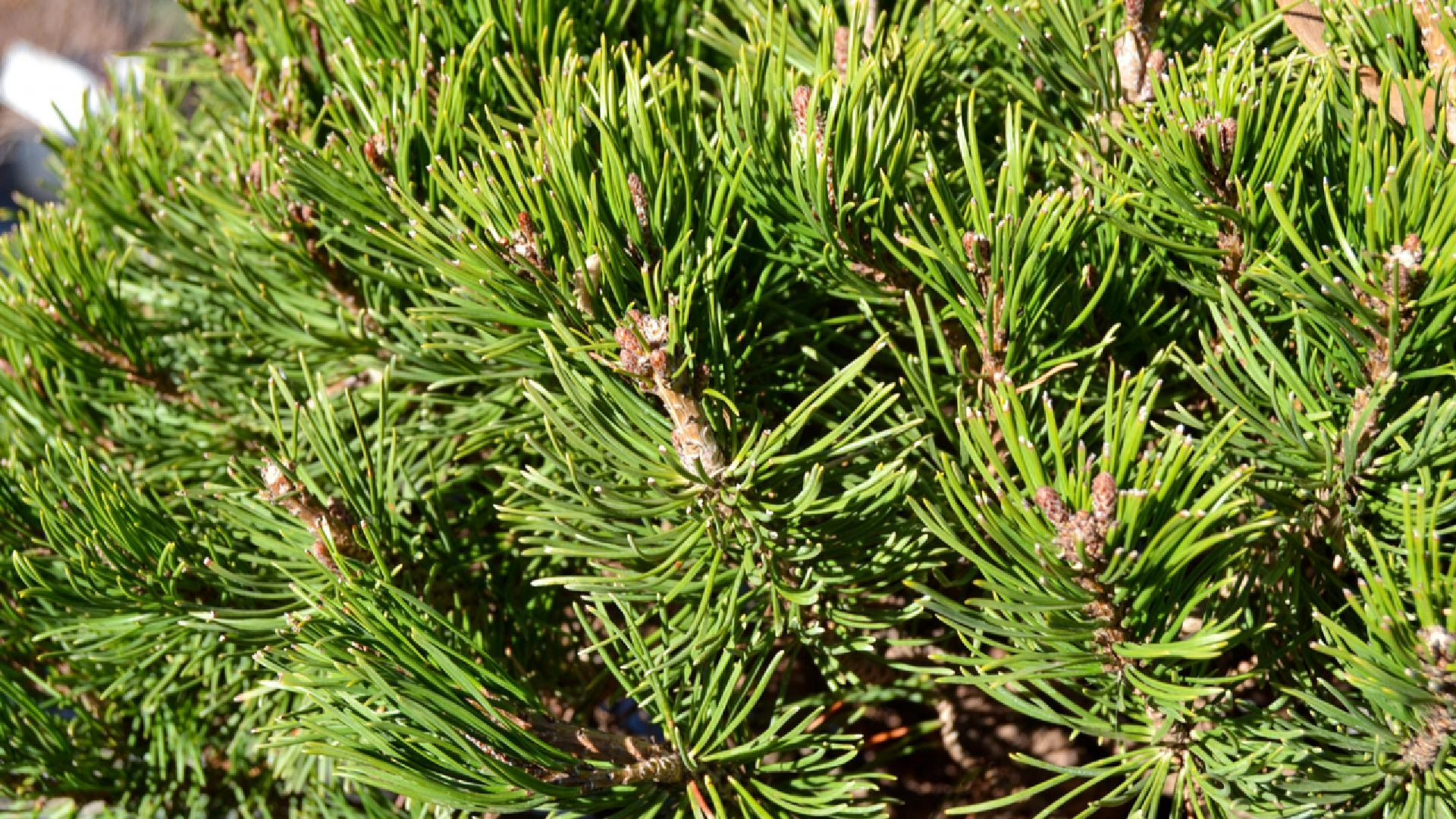
Dwarf mugo pine, known botanically as Pinus mugo var. pumilio, offers a presence that brings texture, provides contrast, and lasts over winter. With dense green needles, sturdy branches, and a naturally low, spreading form, it brings the character of a mountain pine into the home landscape.
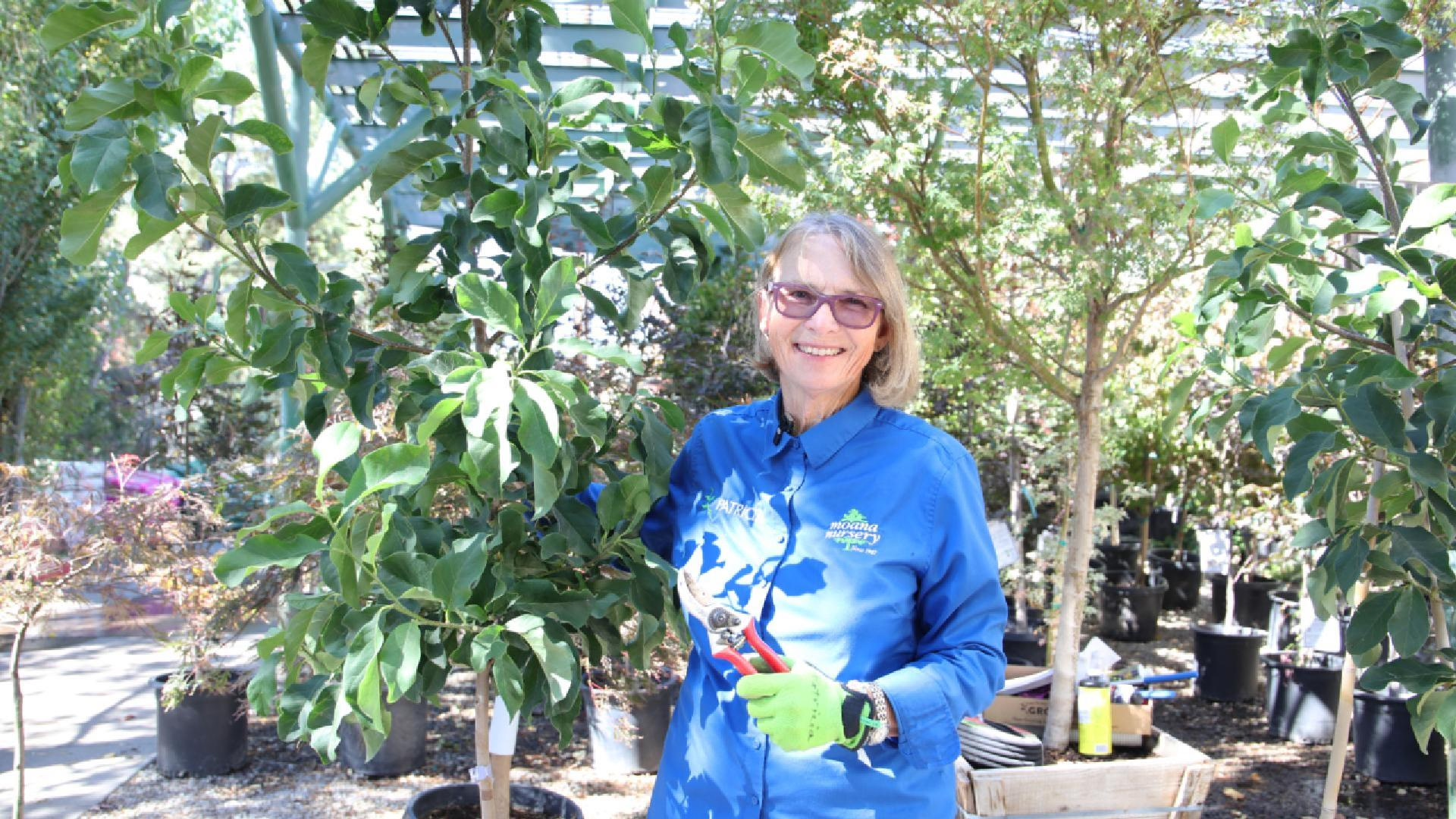
Pruning in fall is important for the health of your trees and shrubs. It might seem complicated, but we’ll make it much simpler to understand!
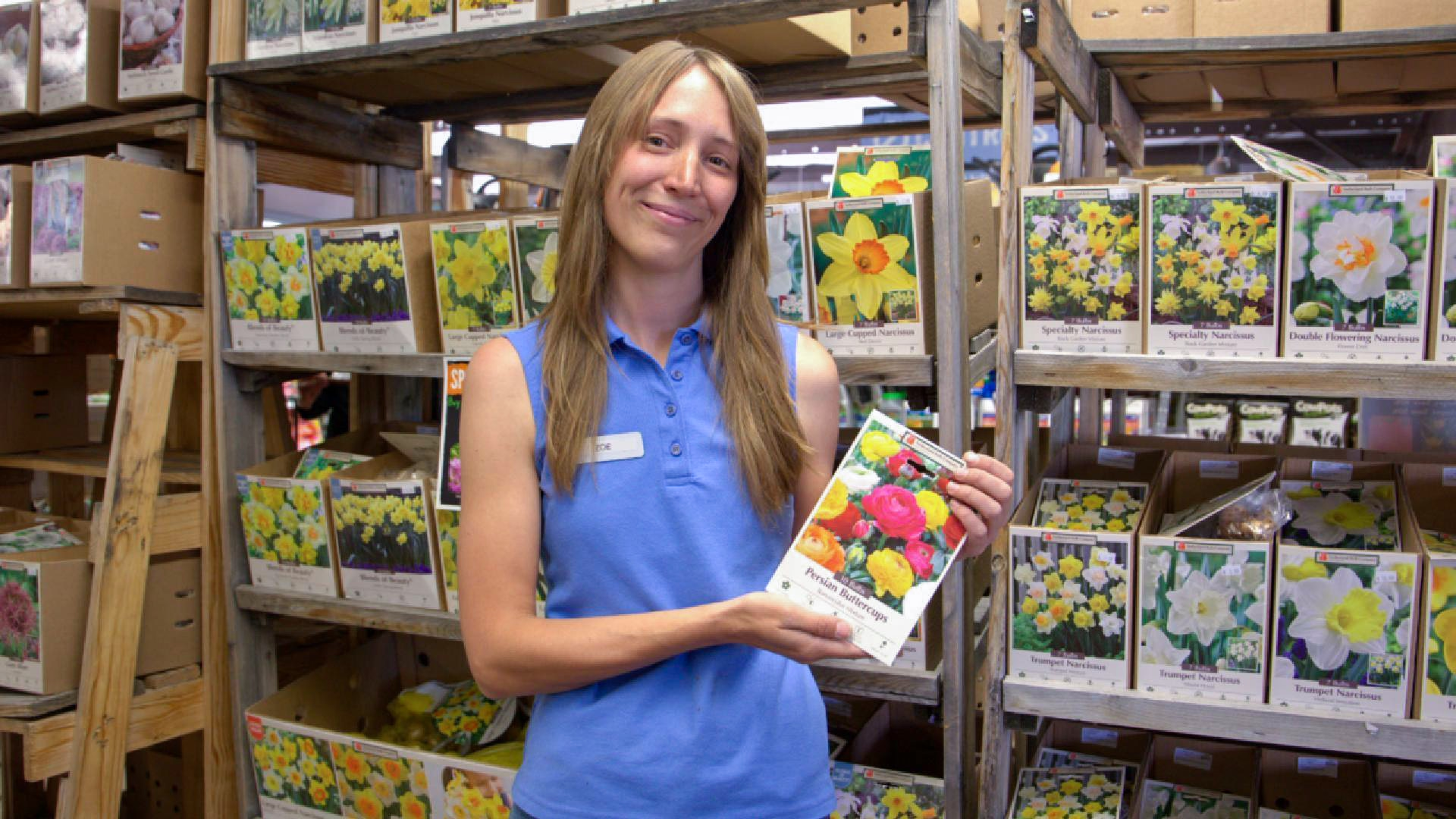
October is the perfect time to be planting your spring blooming bulbs. Planting now gives your bulbs time to grow nice strong roots before they bloom in the spring. Let’s get started!
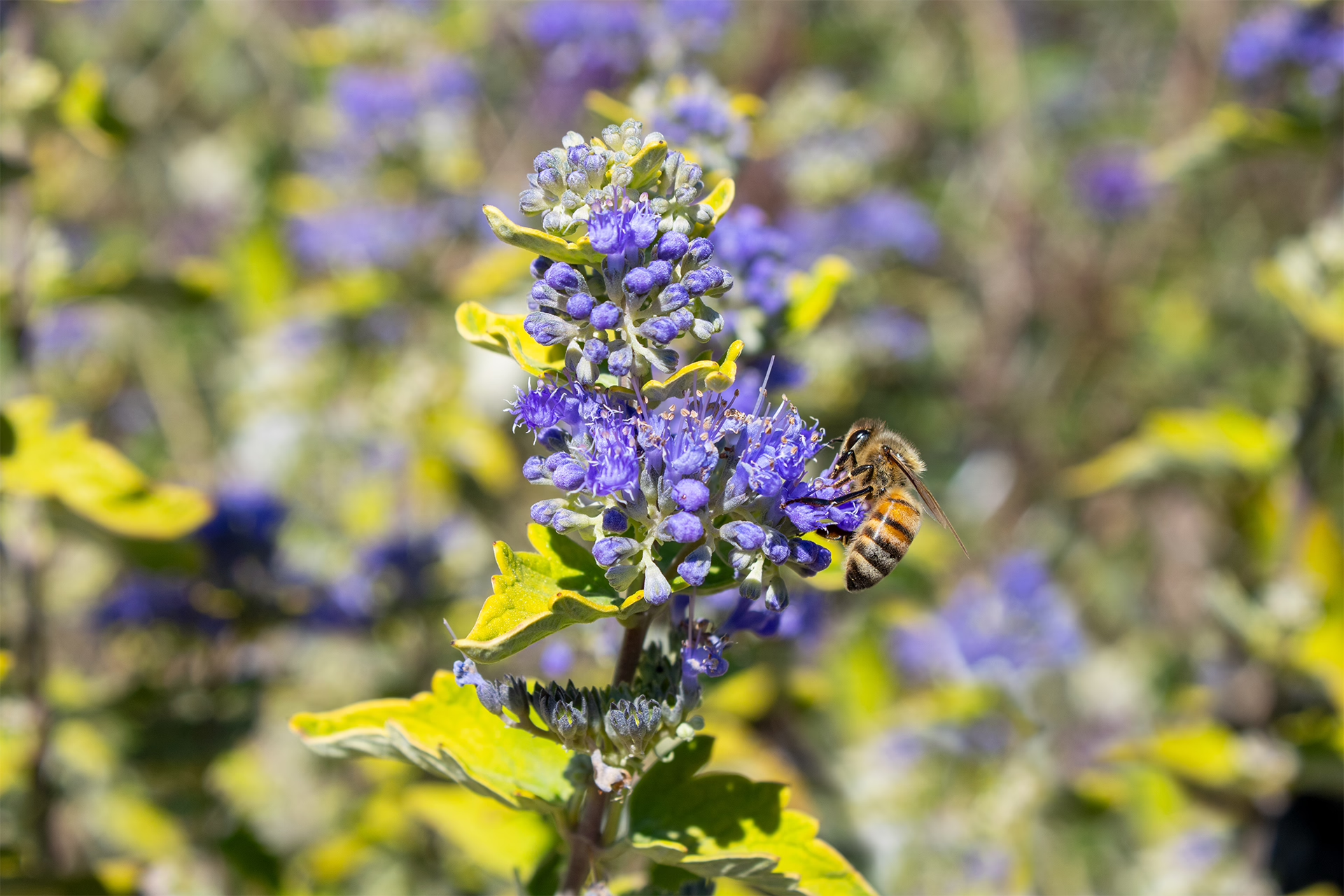
High desert gardeners ask a lot of their plants. A successful shrub must tolerate intense sunlight, dry air, temperature swings, alkaline soil and winter cold, while still bringing color and life to the landscape. Caryopteris meets that challenge beautifully.