Share
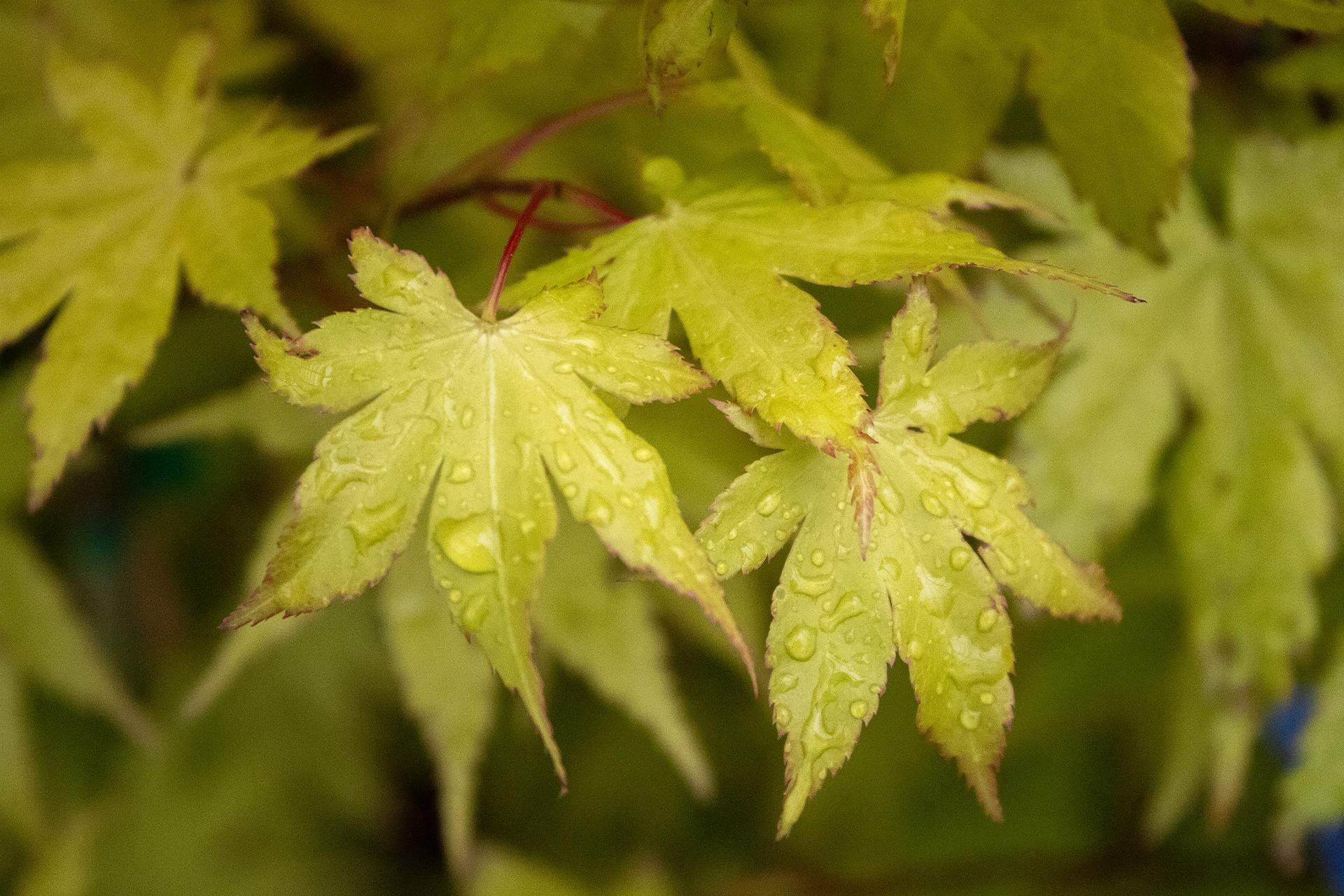
There is something almost magical about a Japanese maple. Their delicate leaves, graceful branching, and glowing fall color make them one of the most beautiful ornamental trees you can plant. But in the high desert, growing Japanese maples can feel intimidating. Our dry air, intense afternoon sun, alkaline soil, and fluctuating temperatures are very different from the cool, humid forests these trees naturally prefer.
The good news is that Japanese maples can absolutely thrive in the high desert when they are planted thoughtfully and cared for correctly. Success comes down to choosing the right variety, giving them protection from harsh conditions, and understanding how they grow. One of the biggest mistakes people make is choosing a Japanese maple based only on leaf color or shape. In cooler climates, nearly any variety can perform well, but in the high desert, some cultivars are much more resilient than others. Red-leaf varieties tend to handle sun exposure better than many of the finely dissected laceleaf types, which can scorch quickly in hot afternoon heat. Varieties like Bloodgood, Emperor I, and Fireglow are often more forgiving because they have thicker leaves and stronger branching structure. Laceleaf maples are stunning, but they usually need extra protection and should never be planted in harsh western exposure.
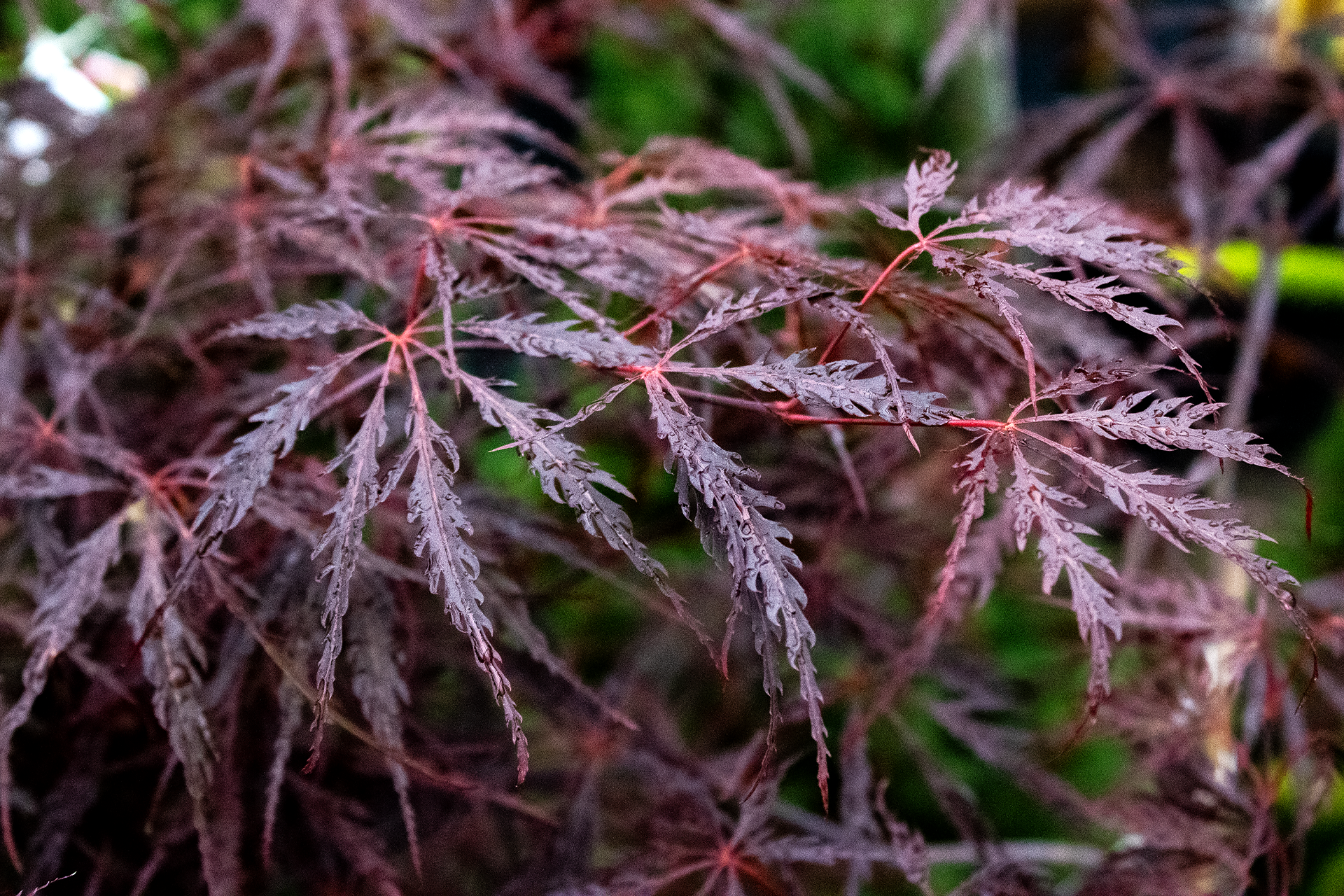
Placement is everything when it comes to preventing leaf burn. Japanese maples love morning sun and afternoon shade. In the high desert, that combination is critical. East-facing exposures are ideal because they allow the tree to receive gentle morning light while avoiding the punishing heat of late afternoon. A location near taller trees, a wall, or even a patio cover can provide the filtered protection these trees crave. Reflected heat from concrete, rock mulch, stucco walls, or driveways can dramatically increase scorching, even if the tree technically receives shade. The leaves are delicate and thin, so once temperatures climb and dry winds arrive, the edges can crisp quickly.
Many people assume burned leaves mean the tree is dying, but that is rarely the case. Leaf scorch is often cosmetic. Japanese maples are surprisingly resilient trees once established. Even when leaves brown at the edges during extreme heat, the tree itself is usually healthy underneath. Consistent watering and proper placement matter far more than occasional summer scorch.
Planting correctly is another key to long-term success. Japanese maples dislike being buried too deeply. The root flare, where the trunk widens near the base, should remain slightly above the surrounding soil line. Dig a hole twice as wide as the root ball but no deeper than the container itself. In the high desert, our soils are often compacted clay or decomposed granite, so loosening surrounding soil helps roots establish more easily. Avoid heavily amending the planting hole with rich compost because roots can become confined to the amended pocket instead of spreading naturally into native soil.
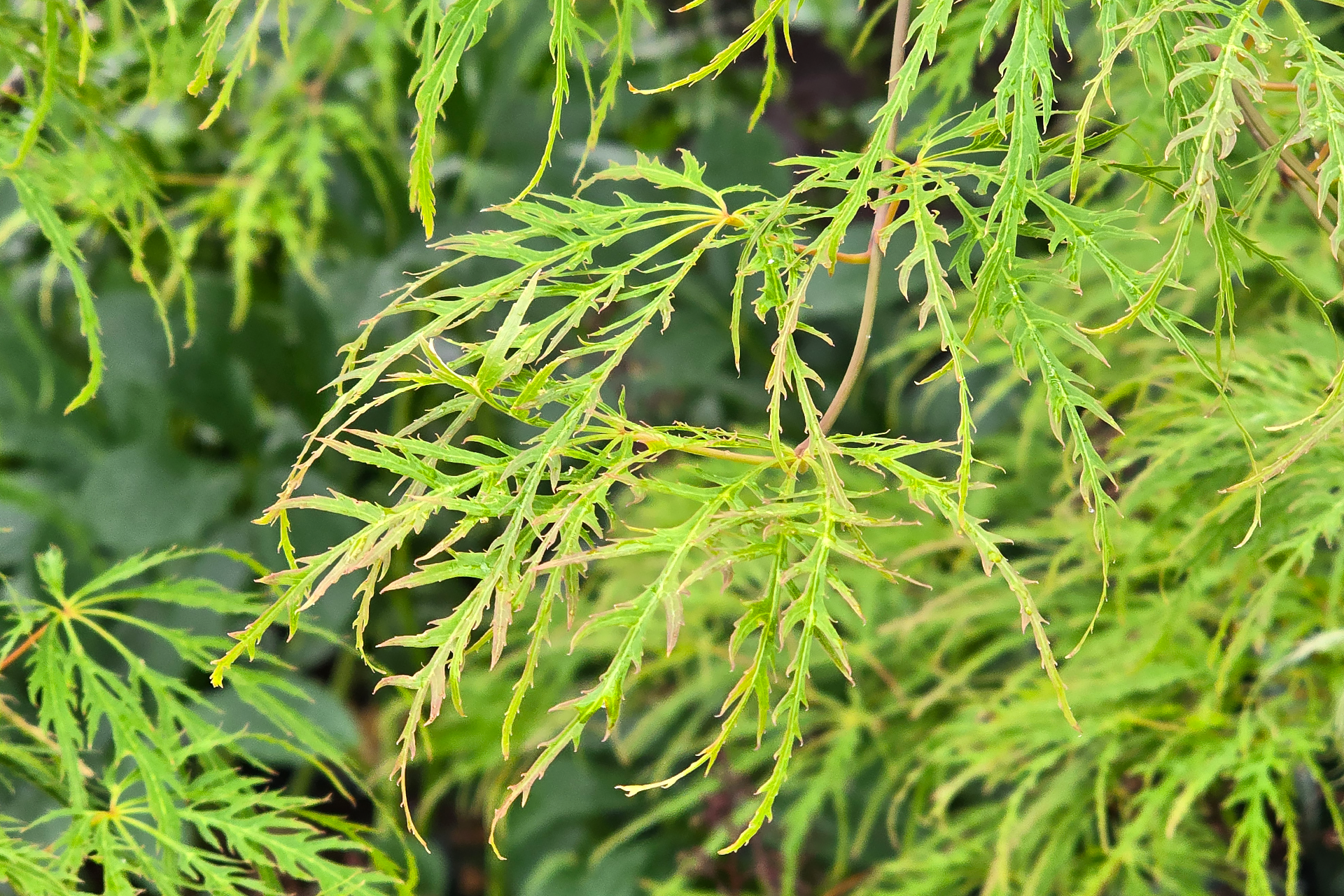
Mulch is one of the best things you can do for a Japanese maple. A layer of organic mulch helps regulate soil temperature, conserve moisture, and protect shallow feeder roots from extreme heat. Wood chips or shredded bark work beautifully. Keep mulch a few inches away from the trunk to prevent rot and pest issues.
Watering is where many homeowners struggle. Japanese maples do not like constantly soggy soil, but they also hate drying out completely. In the high desert, deep and consistent watering is essential. Newly planted trees may need water several times a week during summer until roots establish. Mature trees prefer slower, deeper soakings that encourage roots to grow downward rather than staying near the surface. Shallow daily watering can increase heat stress because it trains roots into the hottest layer of soil.
Wind can also be surprisingly damaging. Dry desert wind pulls moisture from leaves faster than the roots can replace it. Even well-watered trees may show leaf burn after hot windy days. Planting in a protected microclimate makes an enormous difference. Courtyards, fenced yards, and areas shielded from prevailing wind help Japanese maples maintain healthier foliage through summer.
Pruning Japanese maples is often simpler than people expect. These trees naturally develop elegant branching patterns and rarely need aggressive shaping. Over-pruning can ruin their graceful form. The best approach is selective pruning during dormancy in late winter or very early spring. Remove dead branches, crossing limbs, or congested growth that blocks airflow through the canopy. A properly pruned Japanese maple should look airy and balanced, never tightly sheared.
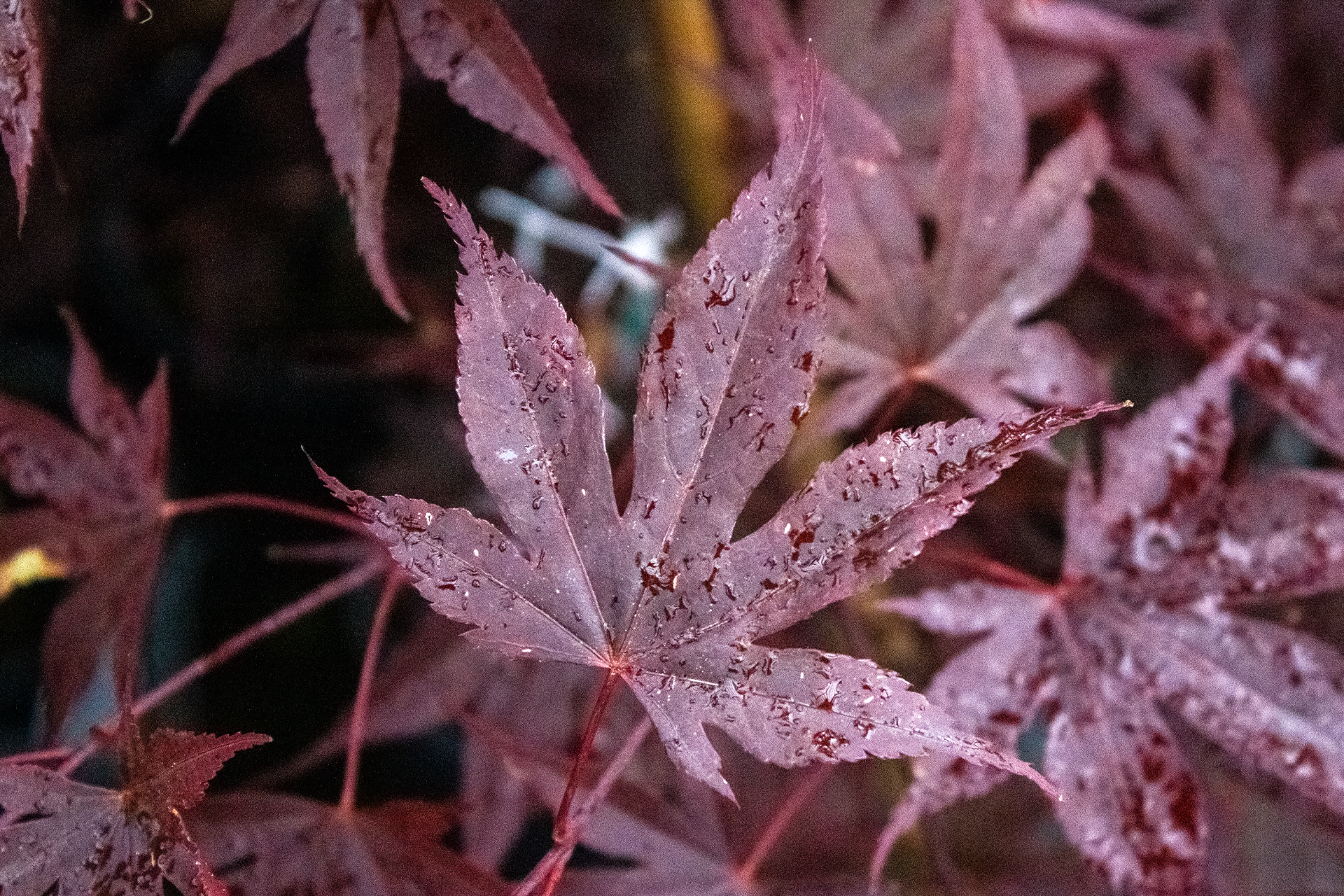
One fascinating aspect of Japanese maples is how slowly and deliberately they grow. Some cultivars may only grow a few inches each year, while others can eventually become small trees twenty feet tall. Their growth habit is part of their beauty. They are not meant to become fast-growing shade trees. Instead, they serve as living sculptures that evolve over decades.
Japanese maples also carry deep symbolism in Japanese culture. They represent peace, balance, and the beauty of seasonal change. In Japan, viewing autumn maple foliage is considered a cherished tradition similar to spring cherry blossom viewing. The word “momiji” refers both to maple trees and the changing colors of fall leaves.
Perhaps the most rewarding part of growing Japanese maples in the high desert is that they become even more special because they require intention. When thoughtfully placed and properly cared for, they create a softness and elegance that beautifully contrasts with our rugged desert landscape. Their delicate leaves dancing against stone, pine, or sagebrush create a striking balance that feels both refined and natural.
Growing Japanese maples here is not about forcing a tree into the wrong environment. It is about understanding how to recreate the conditions they love in small, protected spaces within our landscape. When you do that successfully, few plants reward you with more beauty throughout the seasons.
Share
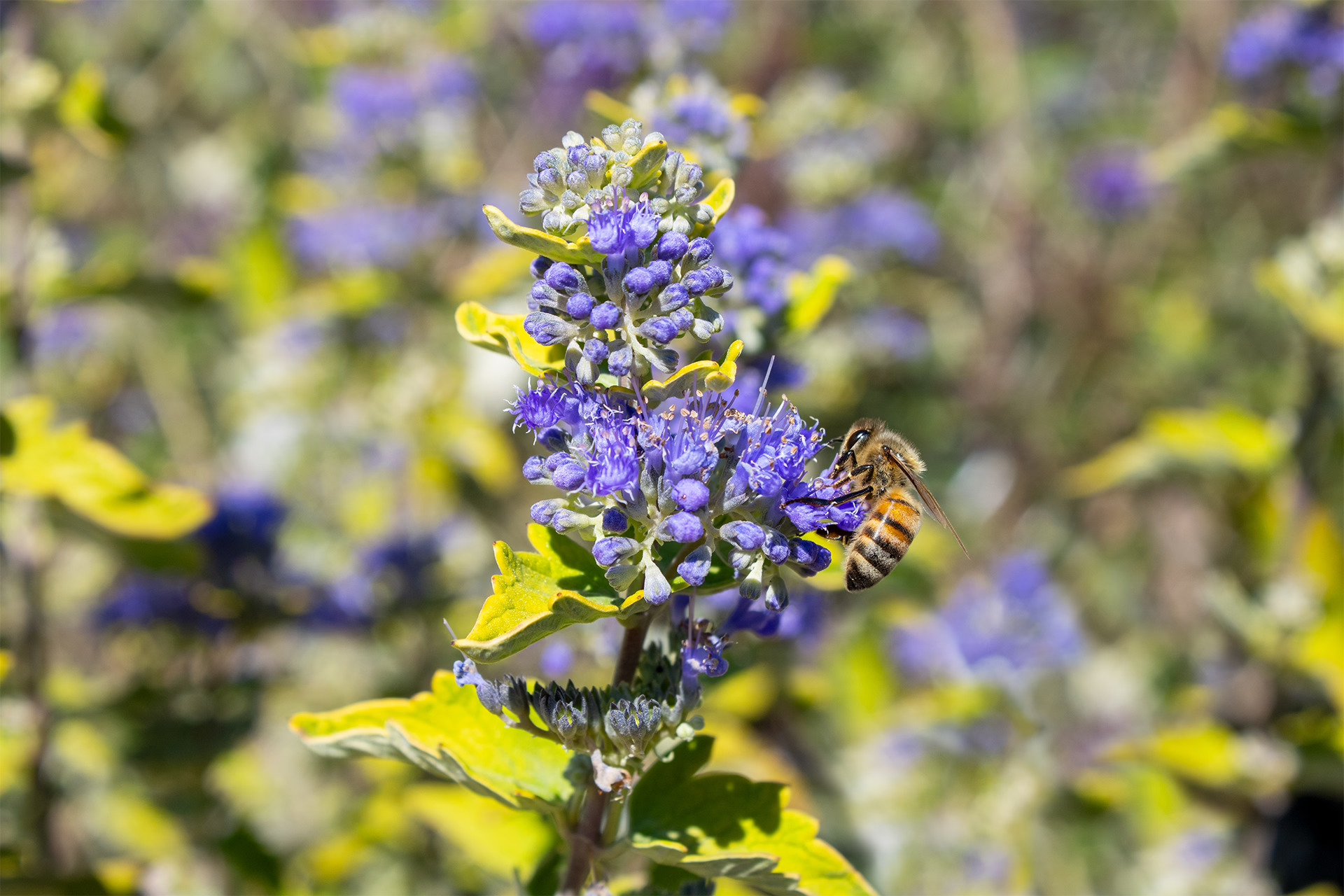
High desert gardeners ask a lot of their plants. A successful shrub must tolerate intense sunlight, dry air, temperature swings, alkaline soil and winter cold, while still bringing color and life to the landscape. Caryopteris meets that challenge beautifully.
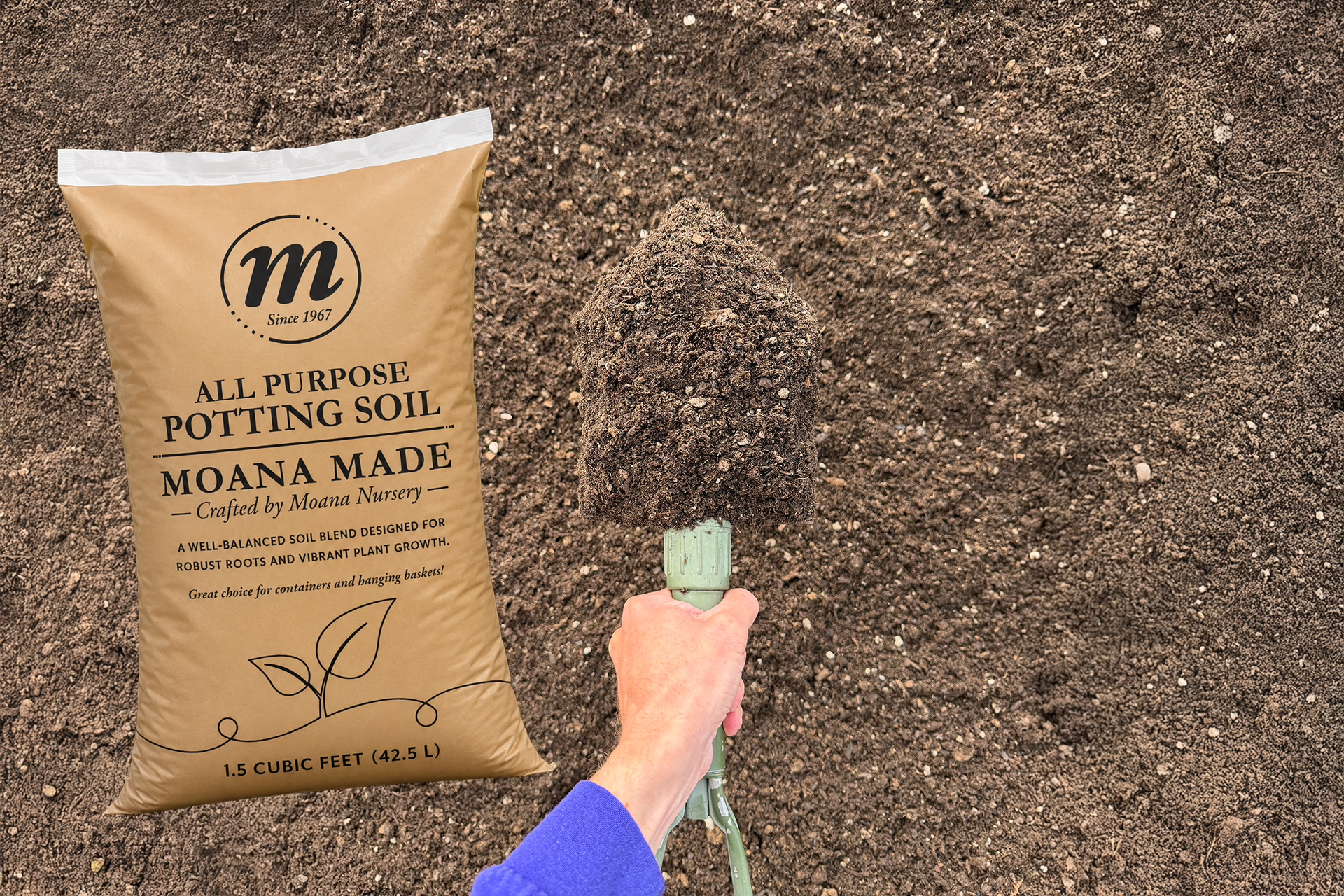
Moana Made All Purpose Potting Soil, a thoughtfully balanced growing blend crafted by Moana Nursery in partnership with Full Circle Compost. More than a product available at our garden centers, Moana Made is the same trusted blend we use at our local farm to grow Moana Grown plants.
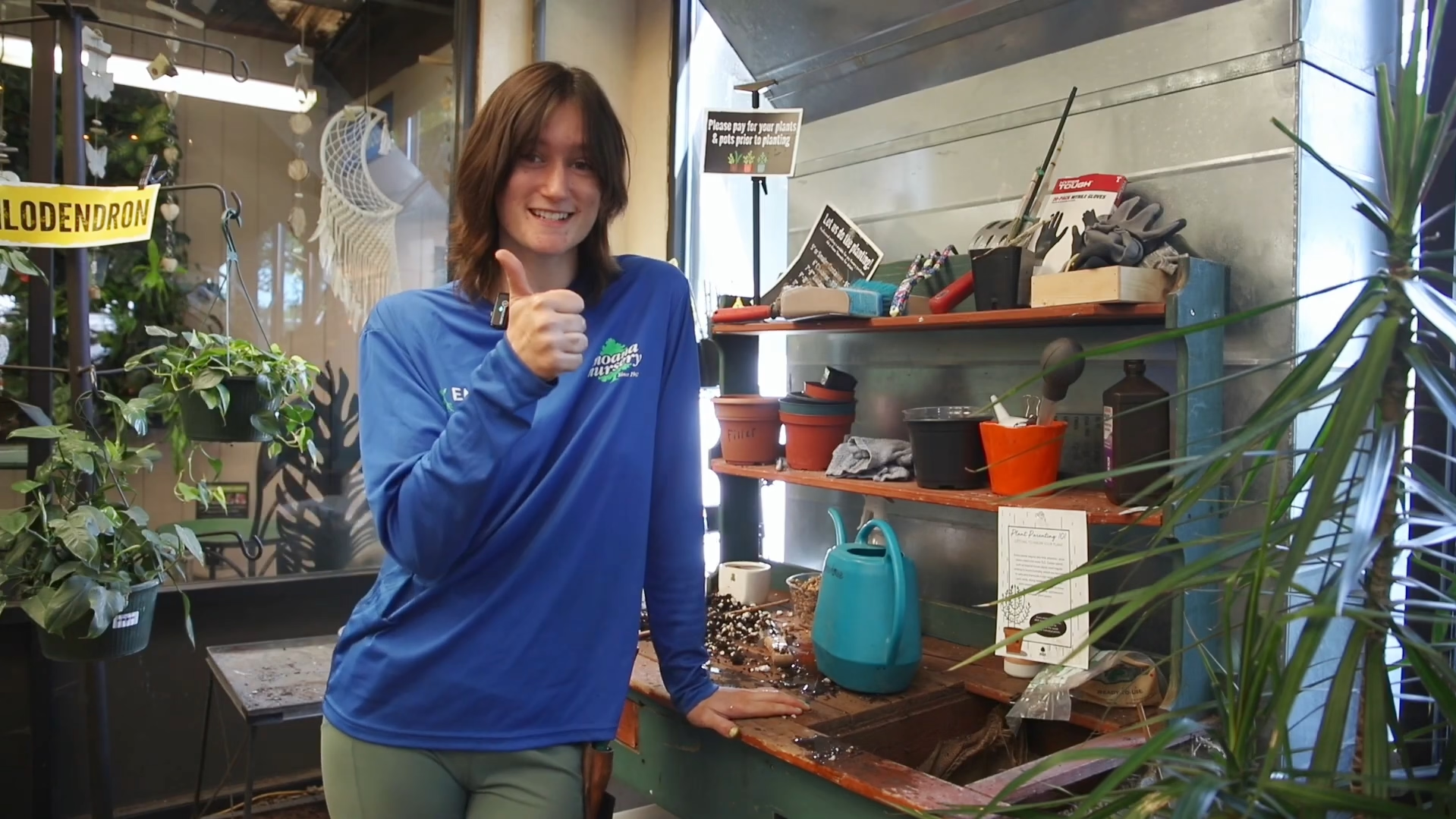
You have to be very careful when repotting a cactus but if your spiky friend is in need of a bigger home, here are some tips and tricks to help you do it safely.
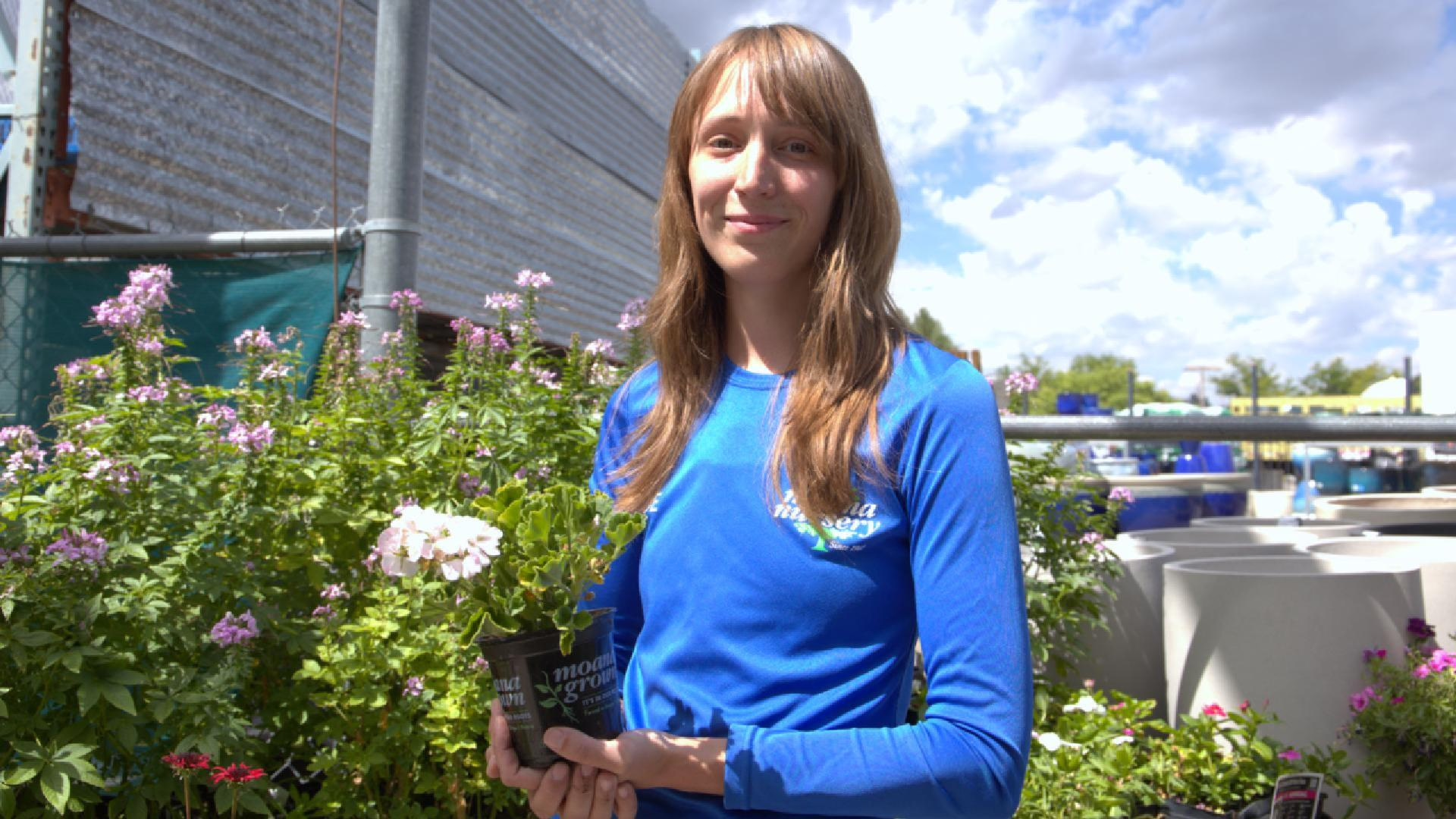
Summer in Reno can be tough on a garden. The good news is that most summer stress can be managed with a few consistent habits. Small adjustments can keep your garden growing, flowering and thriving through the hottest part of the season and into fall.