Share
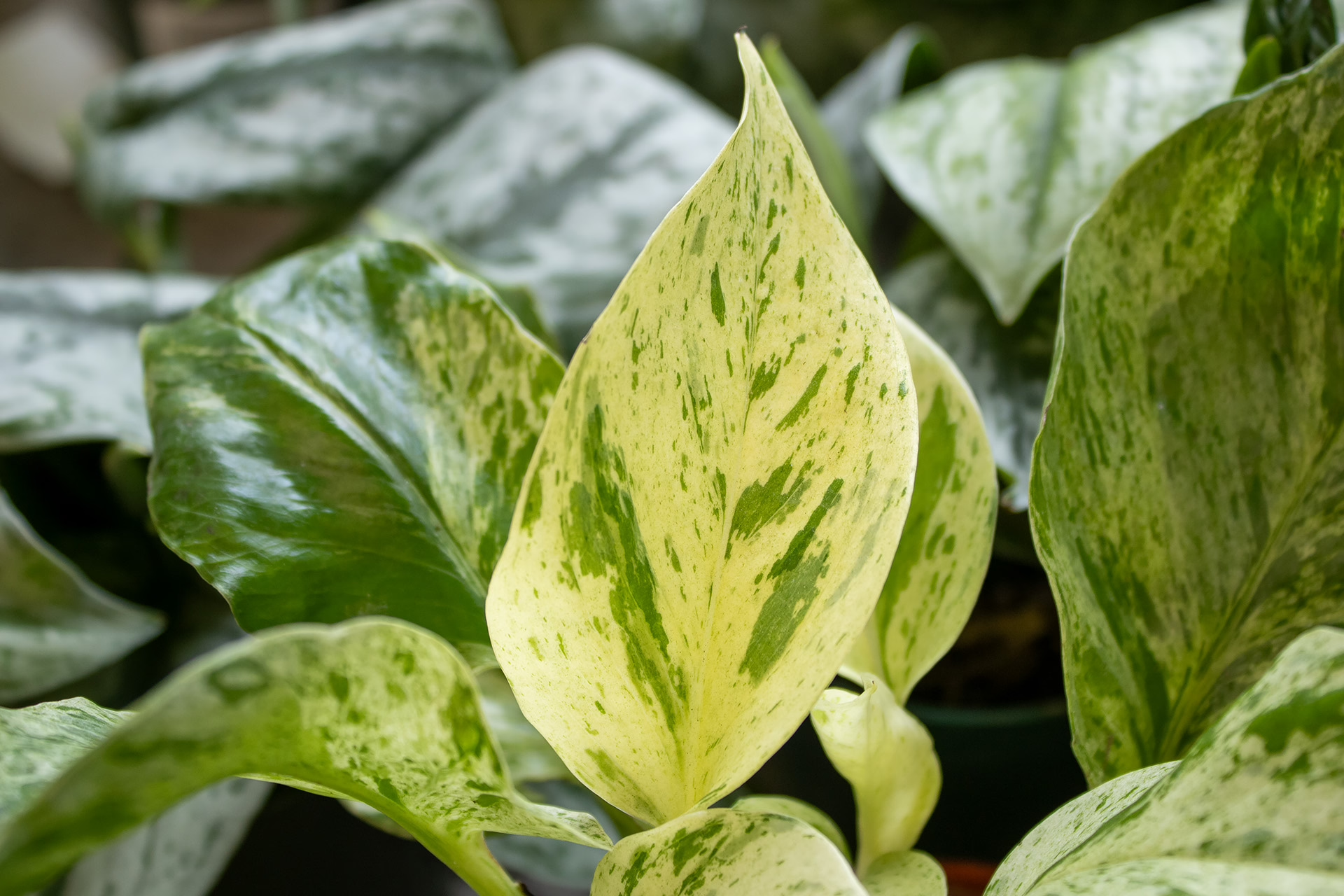
Walk through any houseplant collection and chances are your eyes will be drawn to the plants splashed with creamy whites, soft yellows, silvery streaks, pink blushes, or marbled patterns. These striking markings are known as variegation, and they transform ordinary leaves into living works of art. From the dramatic white sectors of a variegated Monstera to the speckled leaves of a Pothos or the pink splashes of a Philodendron, variegation is truly nature’s paintbrush at work.
While variegated plants have become highly sought after among collectors, their beauty is more than just a trend. Understanding what causes variegation and how it affects plant growth can help gardeners appreciate these unique plants even more.

What Is Variegation?
Variegation refers to the appearance of different colors on a plant’s leaves, stems, or other tissues. Most commonly, variegated leaves display a mix of green and white, cream, yellow, silver, or pink.
The green portions of a leaf contain chlorophyll, the pigment responsible for photosynthesis. The lighter-colored sections contain reduced amounts of chlorophyll—or none at all—which creates the beautiful patterns we admire.
Variegation can appear in many forms:
- Bold white sectors
- Fine speckling or mottling
- Marbled patterns
- Stripes along leaf margins
- Random splashes and flecks
- Pink, yellow, or cream coloration
Popular indoor plants that showcase variegation include Monstera, Pothos, Philodendron, Hoya, Syngonium, Aglaonema, Ficus, and many varieties of Snake Plants.
Stable vs. Unstable Variegation
Not all variegation behaves the same way.
Stable Variegation
Stable variegation is genetically fixed and tends to remain consistent as the plant grows. Plants with stable variegation reliably produce patterned leaves generation after generation.
Examples include many cultivars of Snake Plants, Spider Plants, and certain Aglaonemas, or the beloved Thai Constellation Monstera.
While the amount of variegation may fluctuate slightly depending on growing conditions, the overall pattern remains predictable.
Unstable Variegation
Unstable variegation is much less predictable and is often what makes certain collector plants so exciting, and sometimes frustrating.
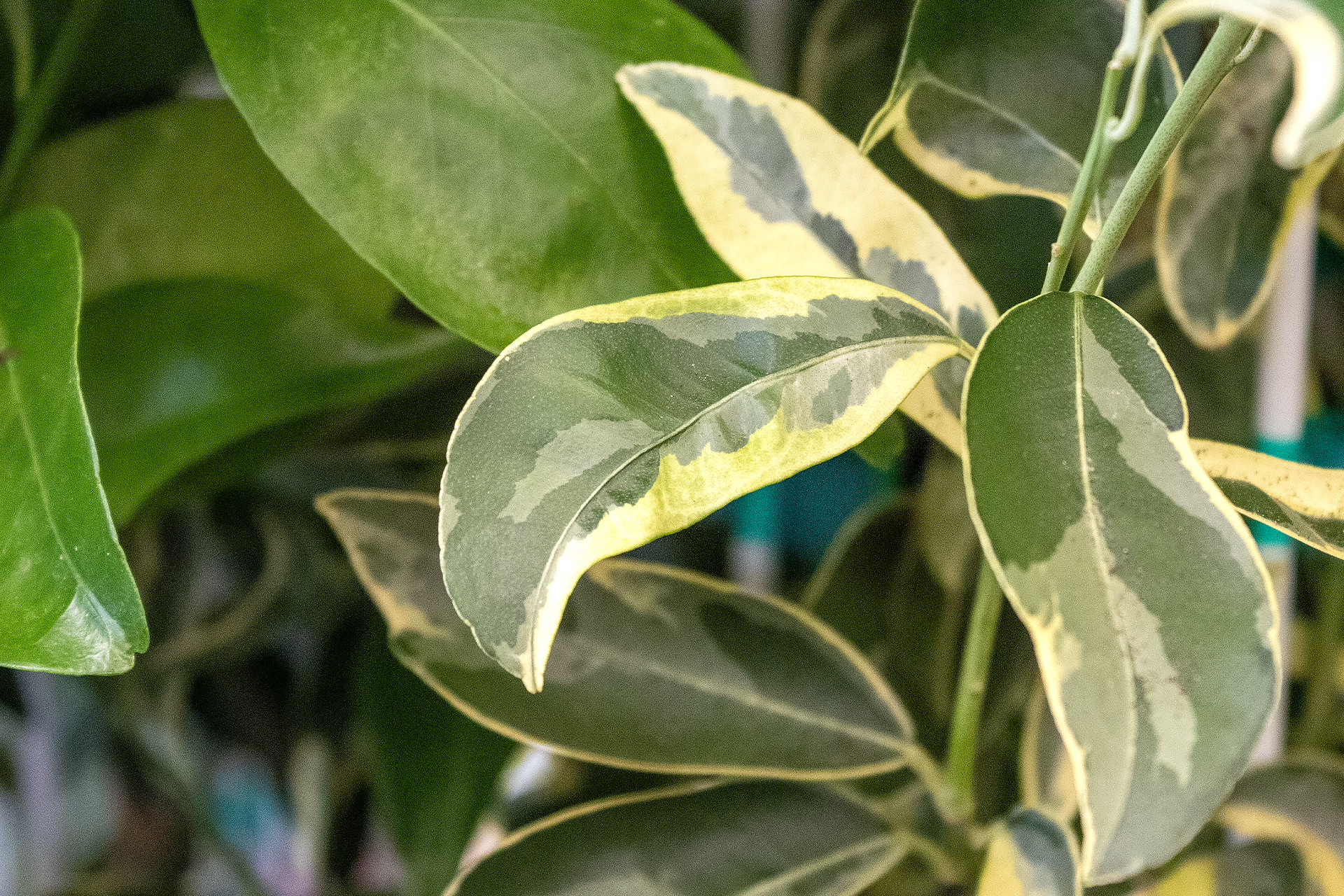
Plants such as variegated Monsteras, Philodendrons, and some Hoyas can produce leaves with dramatically different amounts of variegation from one leaf to the next. A plant may create a perfectly marbled leaf one month and a nearly all-green leaf the next.
Because the variegation isn’t always genetically locked in, these plants can sometimes revert back to solid green growth.
Why Do Variegated Plants Revert?
Reversion occurs when a variegated plant begins producing growth with less variegation or loses it entirely.
In many cases, the plant is simply trying to survive.
Since green tissue contains chlorophyll, it is more efficient at producing energy. When a plant experiences stress or insufficient light, it may favor greener growth to increase photosynthesis.
Common causes of reversion include:
- Low light conditions
- Environmental stress
- Improper pruning
- Natural genetic instability
- Temperature fluctuations
- Plant maturity
If a stem begins producing entirely green growth on a plant known for unstable variegation, many growers choose to prune that stem back to a node that previously displayed variegation. Doing so can encourage future growth to maintain the desired pattern.
Can a Plant Have Too Much Variegation?
Surprisingly, yes.
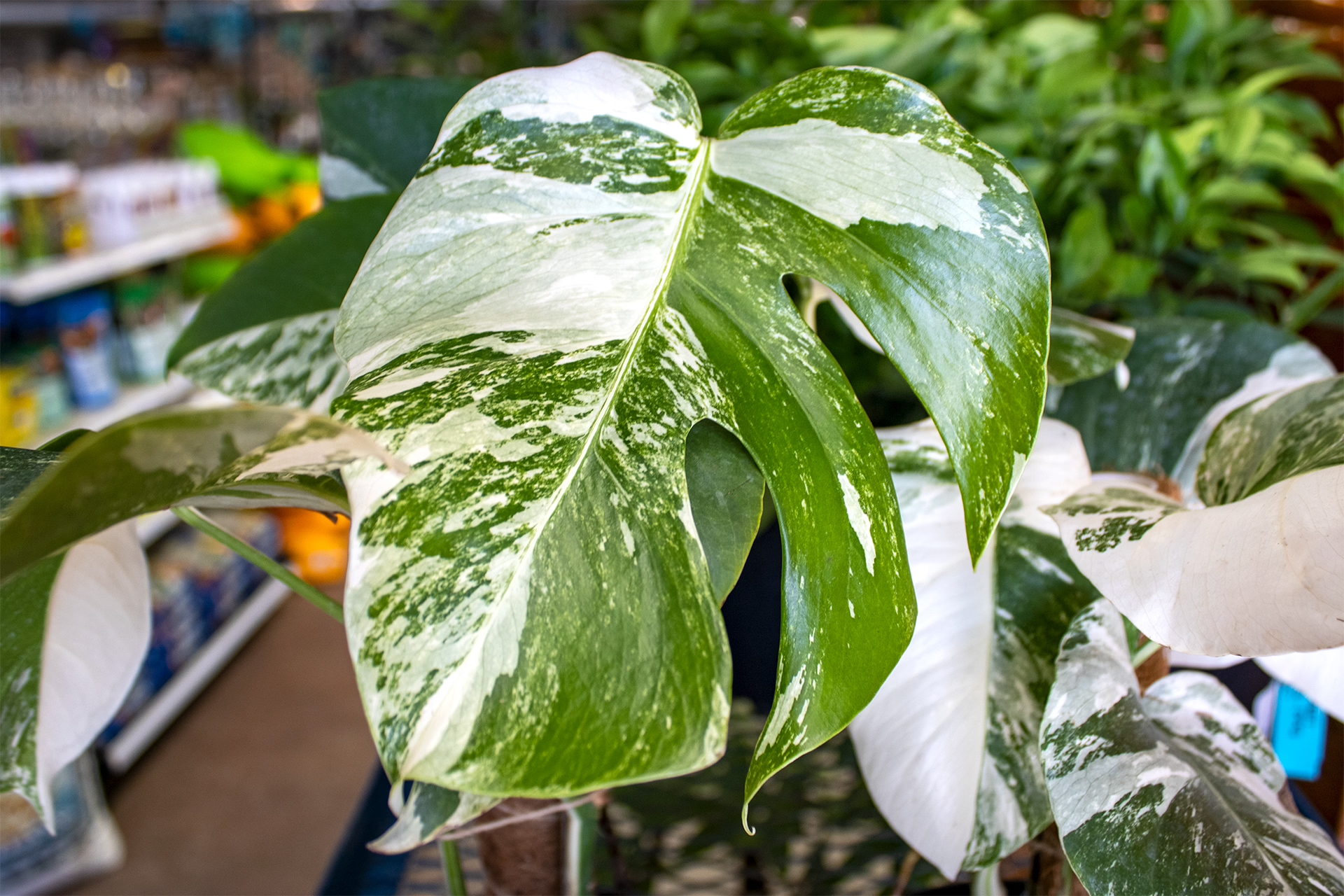
While highly variegated leaves are often prized, a plant still needs chlorophyll to survive. Leaves with large white or cream sections have less capacity to photosynthesize and therefore produce less energy.
In extreme cases, plants may produce leaves that are nearly all white, cream, or pink. Although these leaves can be breathtakingly beautiful, they contribute very little to the plant’s energy production.
An entirely white leaf contains virtually no chlorophyll and is unable to sustain itself long-term. Over time, such leaves often brown and decline.
If a plant begins producing multiple leaves with little or no green tissue, it may struggle to grow and can eventually weaken.
How to Manage Excessive Variegation
If your plant starts producing mostly white or otherwise chlorophyll-free leaves:
- Ensure the plant receives bright, indirect light.
- Monitor overall plant vigor.
- Consider pruning back to a node that produced balanced variegation.
- Avoid overwatering, as weakened plants are more susceptible to root problems.
- Be patient, future growth may naturally return to a healthier balance.
The goal is not necessarily maximum variegation, but sustainable variegation.
A healthy mix of green and variegated tissue allows the plant to remain both beautiful and vigorous.
Variegated Plants and Sun Damage
One important thing every plant owner should know is that variegated tissue is more sensitive to sunlight.
Because white, cream, yellow, and pink areas contain less chlorophyll, they have fewer natural defenses against intense light and heat.
As a result, variegated leaves are more prone to:
- Sunburn
- Browning leaf edges
- Scorching
- Dry patches
- Premature aging
This doesn’t mean variegated plants need dark conditions. In fact, many require bright light to maintain their patterns. The key is providing bright, indirect light rather than prolonged exposure to harsh afternoon sun.
Finding that balance helps preserve both the plant’s health and its stunning coloration.
Do Variegated Plants Grow More Slowly?
Generally, yes.
Because portions of their leaves are not contributing fully to photosynthesis, variegated plants often grow more slowly than their all-green counterparts.
This slower growth is completely normal. It is simply the trade-off for carrying nature’s artwork on every leaf.
Patience is often rewarded with uniquely patterned foliage that no two leaves can replicate exactly.
Celebrating Nature’s Artwork
Variegation reminds us that perfection in nature isn’t always uniform. Every streak, splash, marble, and fleck tells a story of genetics, chance, and adaptation.
Some leaves emerge with delicate brushstrokes of cream. Others arrive boldly painted in white, yellow, or pink. No two are exactly alike, making each new leaf an event worth celebrating.
While variegated plants may require a little extra attention, they reward us with living art that changes and evolves over time. Their patterns capture the imagination, turning everyday houseplants into conversation pieces and treasured collection highlights.
Whether you’re growing a simple variegated Pothos on a bookshelf or caring for a prized collector Monstera, variegation offers a daily reminder of nature’s creativity, a beautiful expression of nature’s ability to paint outside the lines.
Share
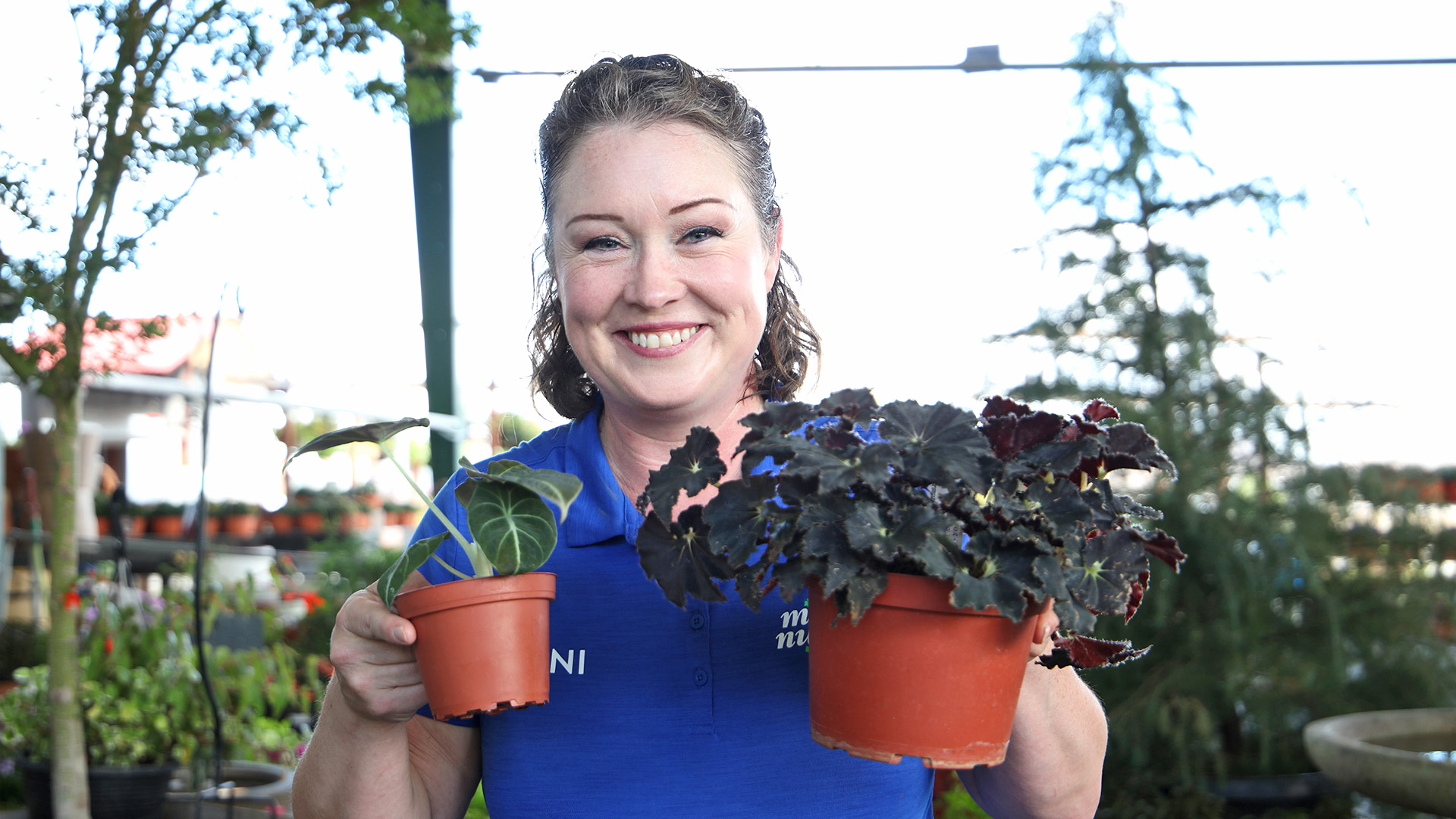
Have you ever wanted to add a beautiful dark houseplant to your collection? Here is a quick guide of some of the stunning options to bring a little goth spirit into your home.
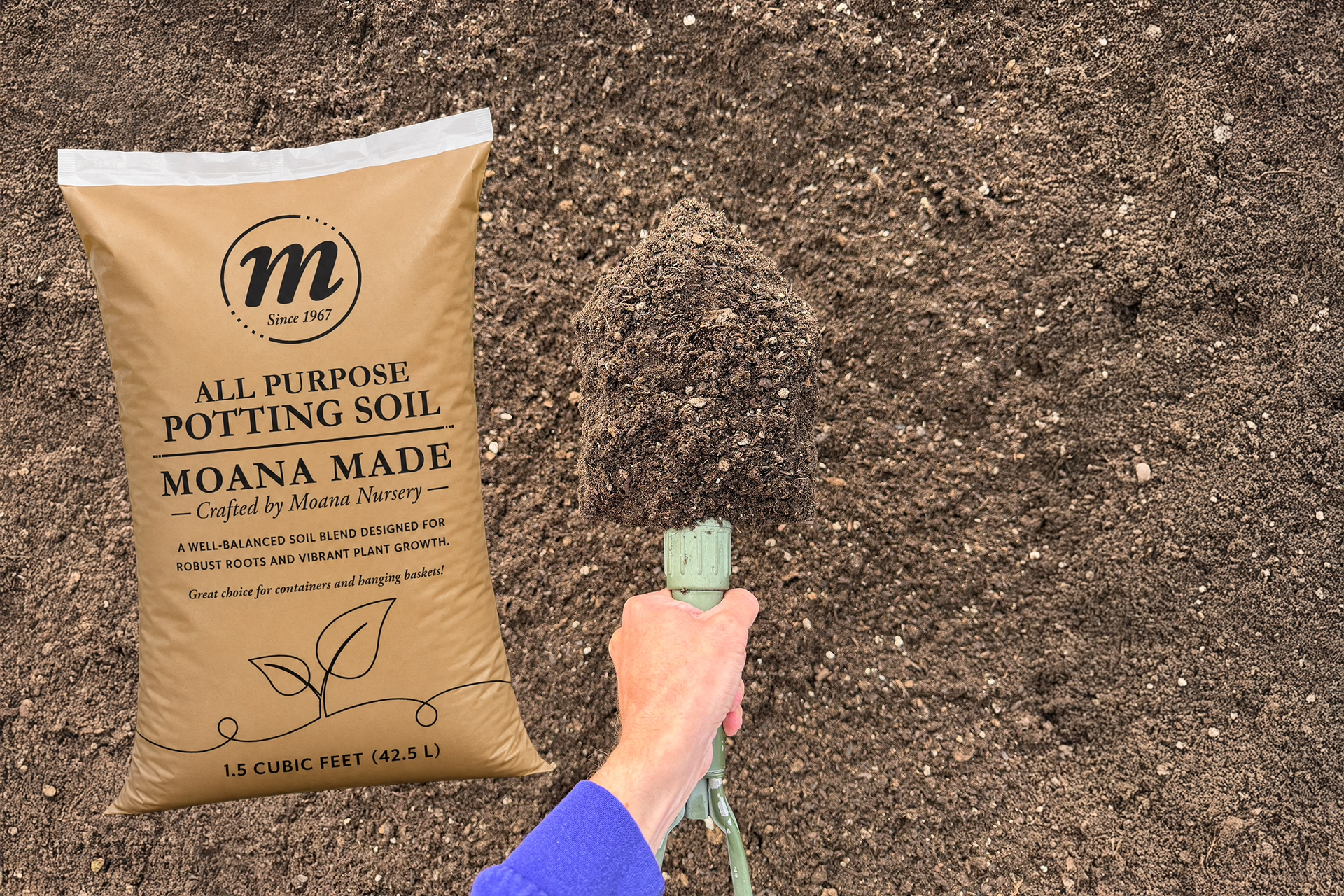
Moana Made All Purpose Potting Soil, a thoughtfully balanced growing blend crafted by Moana Nursery in partnership with Full Circle Compost. More than a product available at our garden centers, Moana Made is the same trusted blend we use at our local farm to grow Moana Grown plants.
You have to be very careful when repotting a cactus but if your spiky friend is in need of a bigger home, here are some tips and tricks to help you do it safely.
Summer in Reno can be tough on a garden. The good news is that most summer stress can be managed with a few consistent habits. Small adjustments can keep your garden growing, flowering and thriving through the hottest part of the season and into fall.