Share
Dark Foliage Is the Secret to a More Dramatic Garden
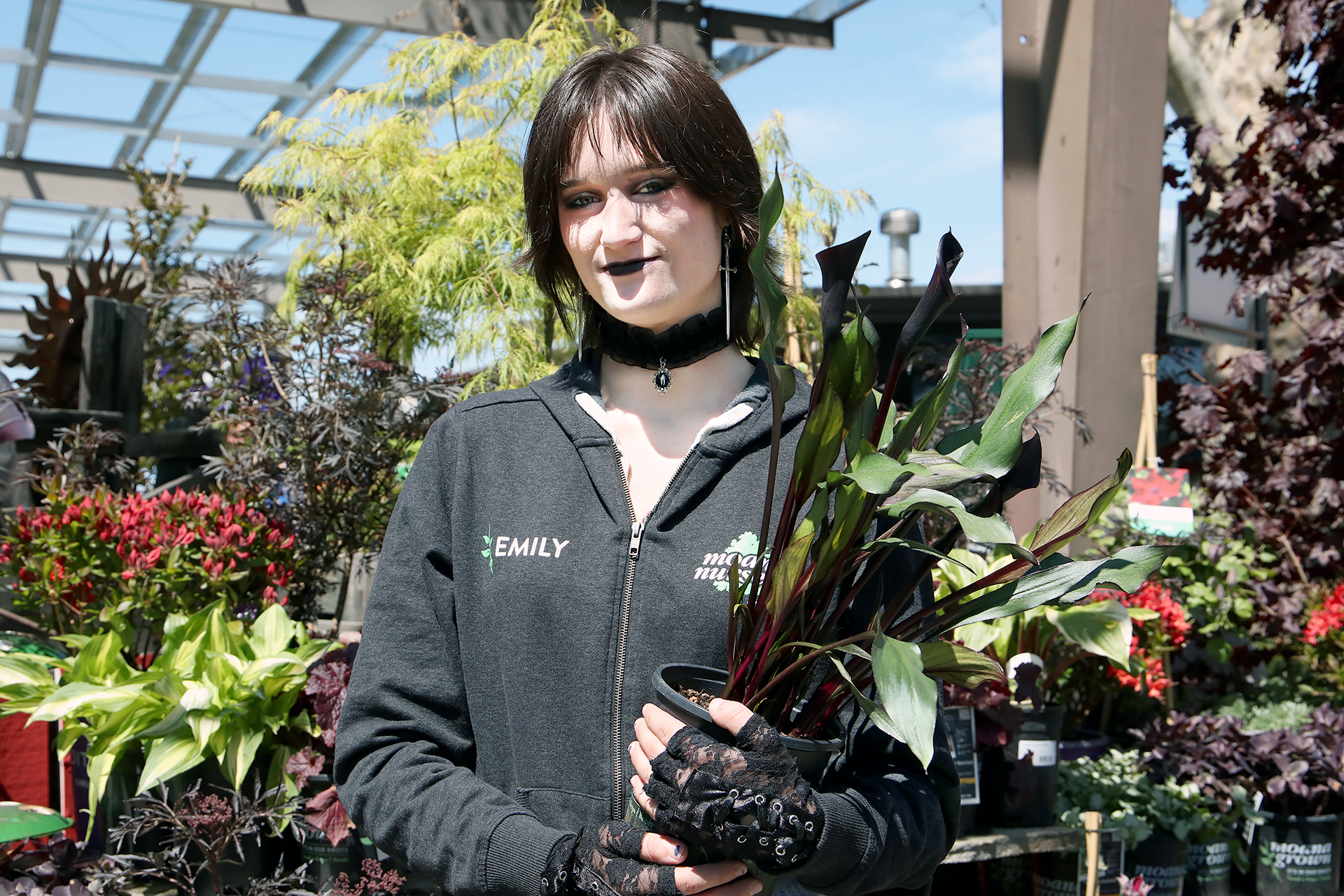
For years, bright blooms and vibrant greenery dominated garden design trends, but darker foliage has quietly become one of the most impactful ways to create a more elevated outdoor space. Deep plum leaves, blackened stems, rich burgundy textures, and smoky purple tones instantly add sophistication and contrast to a landscape. These plants create a sense of drama without feeling overly formal, bringing richness and depth that traditional green-only gardens often lack.
Dark foliage has a way of making a garden feel intentional. It draws the eye naturally through the space and creates visual layers that feel lush, curated, and balanced. Whether incorporated into container gardens, flower beds, or larger landscape designs, these darker tones add an architectural quality that transforms even simple plantings into something striking.
What makes this style especially appealing is its versatility. Dark foliage works beautifully in tropical gardens, modern landscapes, cottage gardens, and even minimalist outdoor spaces. Instead of acting as the main attraction, these plants often serve as the perfect backdrop, like a garden vampire: they don’t sparkle, they just make everything else look alive.
Why Dark Plants Create More Visual Impact
The secret behind dark foliage lies in contrast. Gardens become more visually dynamic when light and dark elements are layered together. Rich burgundy leaves beside lime-green foliage create instant energy. Bright pink flowers become more vivid against nearly black plants. White blooms appear cleaner and more luminous when framed by darker tones.
This contrast creates movement throughout the garden. Instead of the eye seeing one continuous wash of green, darker plants break up the landscape and create focal points. They anchor brighter colors while giving the entire garden a more polished appearance.
Dark plants also introduce a sense of depth. Lighter foliage tends to visually move forward, while darker tones recede slightly into the background. This layering effect can make smaller gardens feel larger and more dimensional. Even compact patios or balcony gardens can feel more luxurious simply by incorporating a few dark-leaf varieties among brighter plantings.
Adding Pops of Color That Truly Stand Out
One of the most beautiful aspects of dark foliage is how easily it allows brighter colors to shine. Instead of competing with flowers, darker leaves enhance them. This makes colorful accents feel more intentional and impactful throughout the space.
Chartreuse foliage is one of the most effective pairings for dark plants because of the strong contrast between bright yellow-green tones and deep purples or blacks. The combination feels modern, vibrant, and energetic without becoming overwhelming. Bright coral flowers, fiery oranges, vivid magentas, and clean whites also create stunning combinations alongside darker foliage.
Even containers and garden accessories can help brighten the mood. Colored ceramic pots, warm terracotta, or painted planters can soften the moodiness of darker plant palettes while still maintaining a sophisticated feel. The balance between dark structure and bright accents creates a garden that feels dramatic but still inviting.
Texture Matters Just as Much as Color
A successful garden is rarely about color alone. Texture plays an enormous role in creating visual interest, especially when working with darker foliage. Large glossy leaves bring boldness and tropical energy, while feathery grasses or delicate flowers add softness and movement.
Pairing contrasting textures prevents darker gardens from feeling too heavy. Broad leaves mixed with fine-textured plants create rhythm and balance throughout the space. Layering upright plants with trailing varieties also adds depth and movement that keeps the eye engaged.
This combination of texture and color is what gives many professionally designed gardens their lush, layered appearance. Even when flowers are not in bloom, the variation in foliage shape and texture keeps the landscape visually interesting year-round.
The Beauty of Year-Round Interest
Unlike seasonal flowers that may bloom for only a few weeks, dark foliage provides long-lasting beauty throughout much of the year. These plants continue adding structure, contrast, and richness long after flowering plants begin to fade. This creates a garden that still feels designed and intentional during transitional seasons.
Many gardeners are beginning to rely more heavily on foliage for this exact reason. Instead of designing solely around blooms, they are creating gardens built on layers of leaves, color tones, and textures that evolve naturally over time. Flowers then become highlights rather than the only source of beauty.
The result feels more balanced and organic while still delivering visual impact throughout the seasons.
Creating a Garden That Feels Elevated
Incorporating dark foliage is one of the easiest ways to make a garden feel more curated and high-end. Even a few strategically placed plants can transform the mood of an outdoor space. They create contrast, define focal points, and give surrounding colors more intensity and life.
What makes dark foliage especially timeless is its ability to feel both dramatic and natural at the same time. The richness of deep purple leaves, smoky black tones, and burgundy textures brings an artistic quality to the garden while still blending seamlessly into the landscape.
When paired with thoughtful bursts of color, layered textures, and a mix of plant shapes, dark foliage creates gardens that feel immersive, sophisticated, and unforgettable.
Perennials:
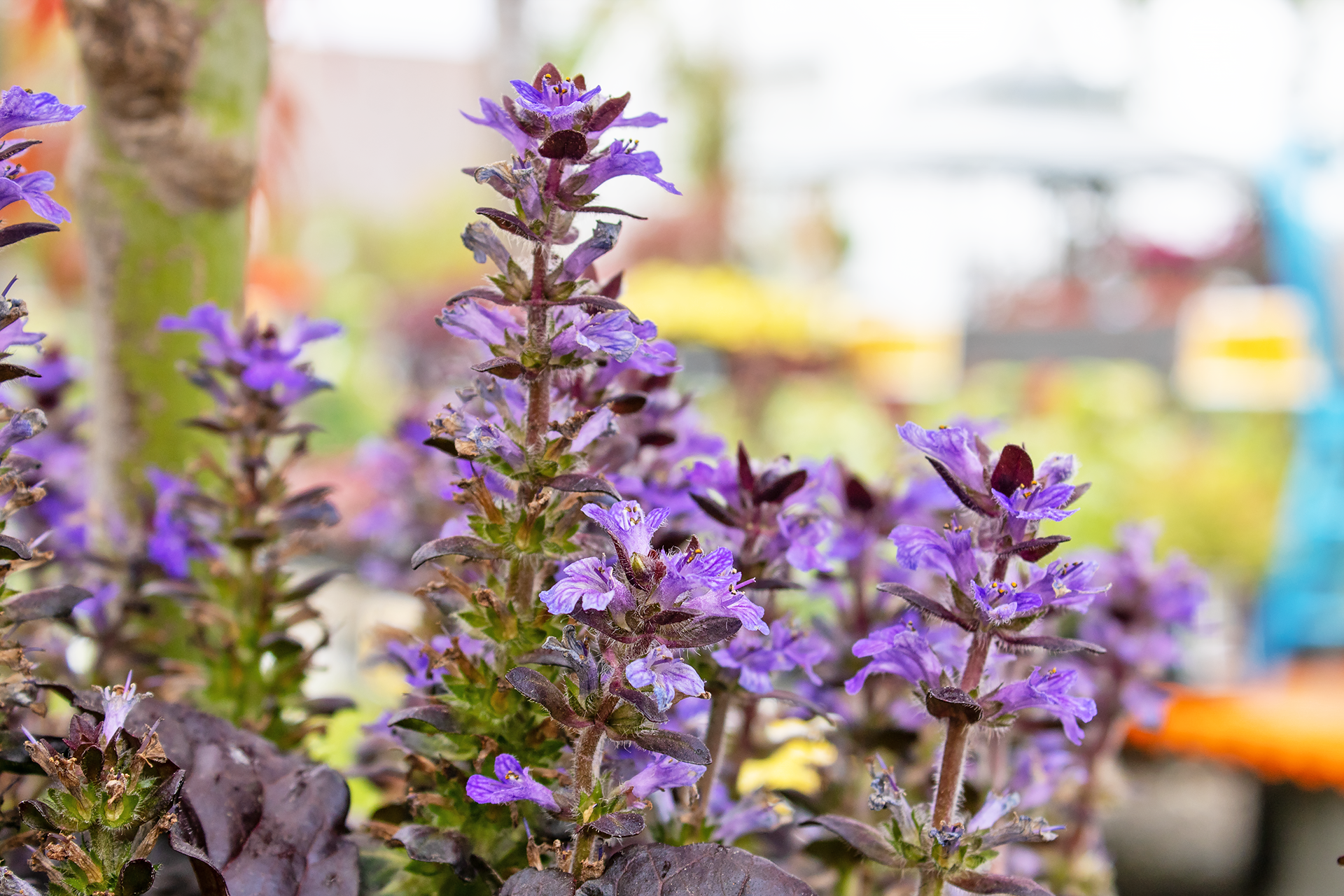
Ajuga ‘Black Scallop’
Alcea ‘Rosea Nigra’ (Blacknight Hollyhock)
Astilbe ‘Dark Side of the Moon’
Dicentra ‘Bleeding Heart’
Euphorbia ‘Miner’s Merlot’
Gaura ‘Belleza Dark Pink’
Helleborus ‘Dark and Handsome’
Heuchera ‘Black Pearl’
Heuchera ‘Midnight Rose’
Heuchera ‘Northern Exposure Black’
Heuchera ‘Northern Exposure Silver’
Iris ‘Cat’s Eye’
Iris ‘Ozark Rebounder’
Leptinella ‘Platt’s Black’
Sedum ‘Back in Black’
Sedum ‘Black Knight’
Sedum ‘Dark Magic’
Sedum ‘Dragon’s Blood’
Sedum ‘Mocha Magic’
Thalictrum ‘Black Stockings’
Viola cornuta ‘Molly Sanderson’
Annuals:
Begonia ‘Adora Velvet’
Calibrachoa ‘Blackcurrant Punch’
Calibrachoa ‘Dracula’
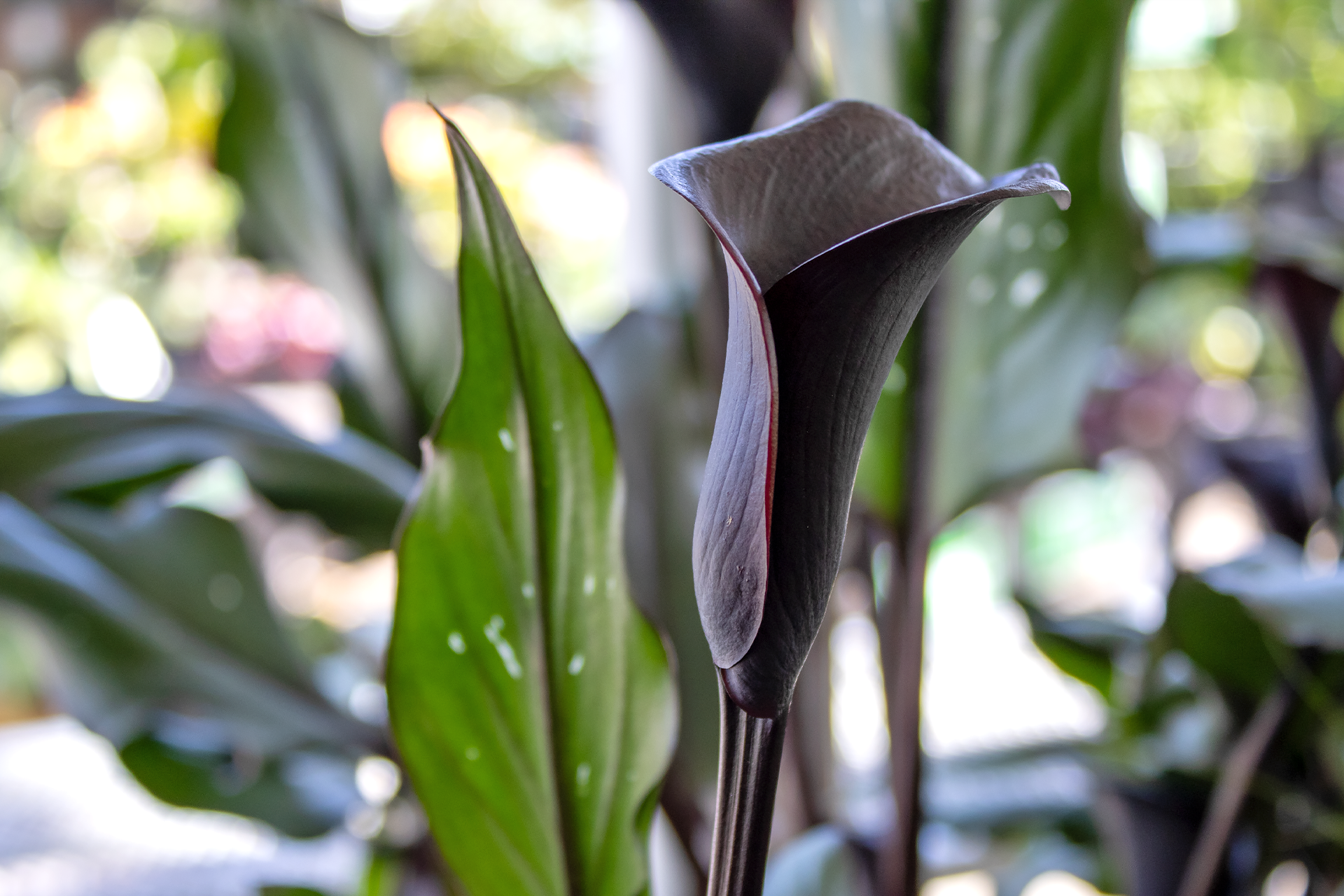
Calla Lily ‘Memories’
Cosmos ‘New Choco’
Dahlia ‘Mystic’
Dahlia ‘Vampire’
Ipomoa batatas ‘Blackie’ (Sweet Potato Vine)
Osteospermum ‘Spider Purple’
Petunia ‘Black Mamba’
Petunia ‘Black Ray’
Petunia ‘Black Velvet’
Viola ‘Penny Black’
Indoor Plants:
Aeonium ‘Zwartkop’
Alocasia ‘Black Velvet’
Anthurium ‘Black Velvet’
Begonia ‘Midnight’
Carnivorous Plants
Ficus ‘Burgundy’
Gynura (Purple Passion Plant)
Philodendron ‘Black Cardinal’
Purple Shamrock Plant
Tacca chantrieri (Black Bat Flower)
Zamioculcas zamiifolia ‘Raven’ (Raven ZZ Plant)
Shrubs/Trees/Grasses:
Elderberry ‘Black Lace’
Harry Lauder’s Walking Stick (Contorted Filbert)
Hydrangea ‘Eclipse’
Japanese Bloodgrass
Japanese Maple ‘Bloodgood’
Japanese Maple ‘Crimson Queen’
Ninebark ‘Diablo’
Ninebark ‘Little Devil’
Norway Maple ‘Crimson Sentry’
Norway Maple ‘Royal Red’
Ophiopogon planiscapus (Black Mondo Grass)
Pennisetum rubrum (Fountain Grass)
Redbud ‘Midnight Express’
Rose ‘Burgundy Iceberg’
Smokebush ‘Royal Purple’
Edible Plants:
Artichoke ‘Violetta’
Basil ‘Dark Opal’
Basil ‘Purple Ruffles’
Beet ‘Bull’s Blood’
Cabbage ‘Ruby’
Lettuce ‘Red Oakleaf’
Mustard ‘Red Giant’
Pea ‘Vining Purple Mist’
Pomegranate ‘Salavatski’
Rhubarb
Tomato ‘Black Krim’
Tomato ‘Cherokee Purple’
Tomato ‘Midnight Snack’
Share
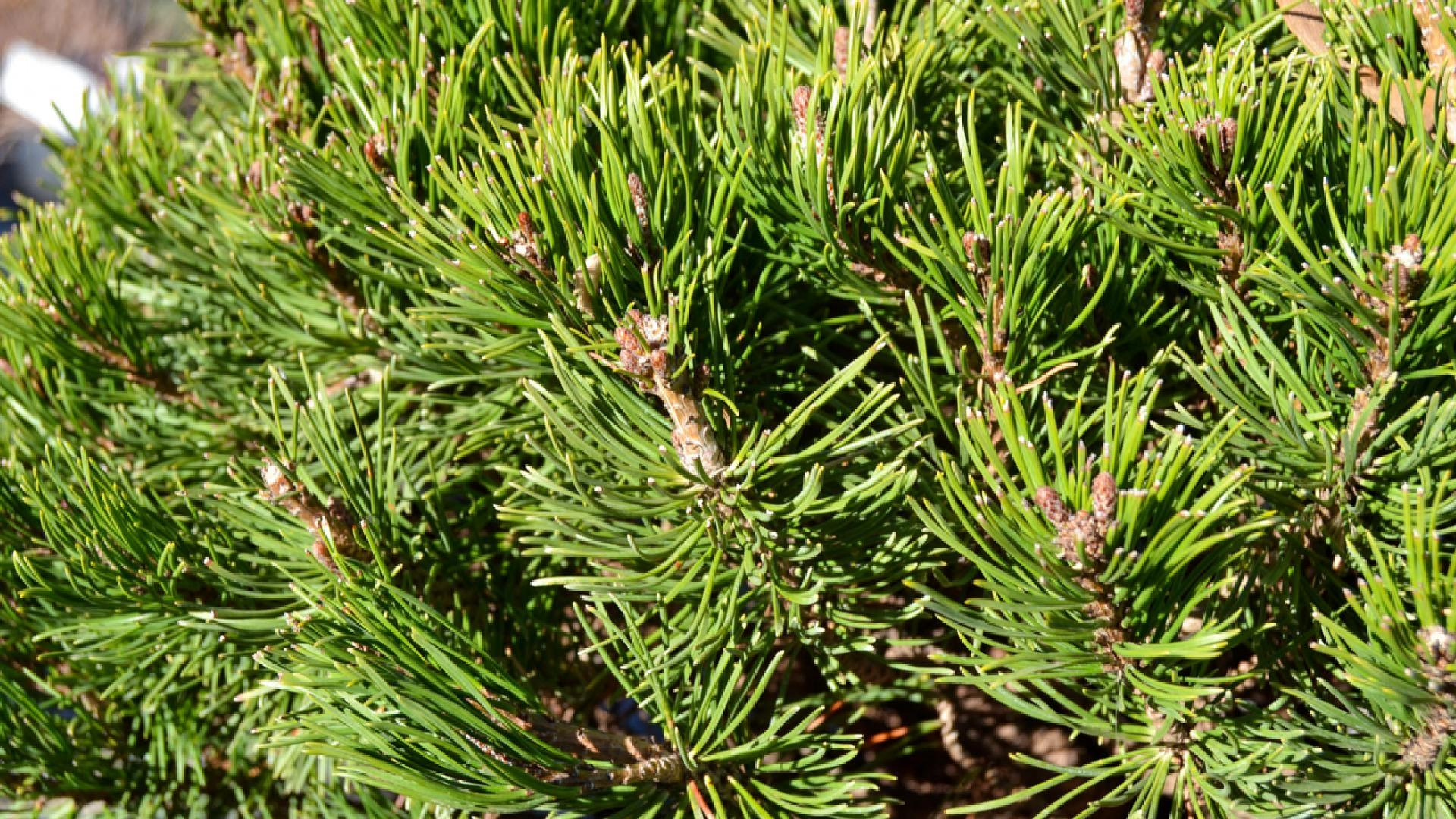
Dwarf mugo pine, known botanically as Pinus mugo var. pumilio, offers a presence that brings texture, provides contrast, and lasts over winter. With dense green needles, sturdy branches, and a naturally low, spreading form, it brings the character of a mountain pine into the home landscape.
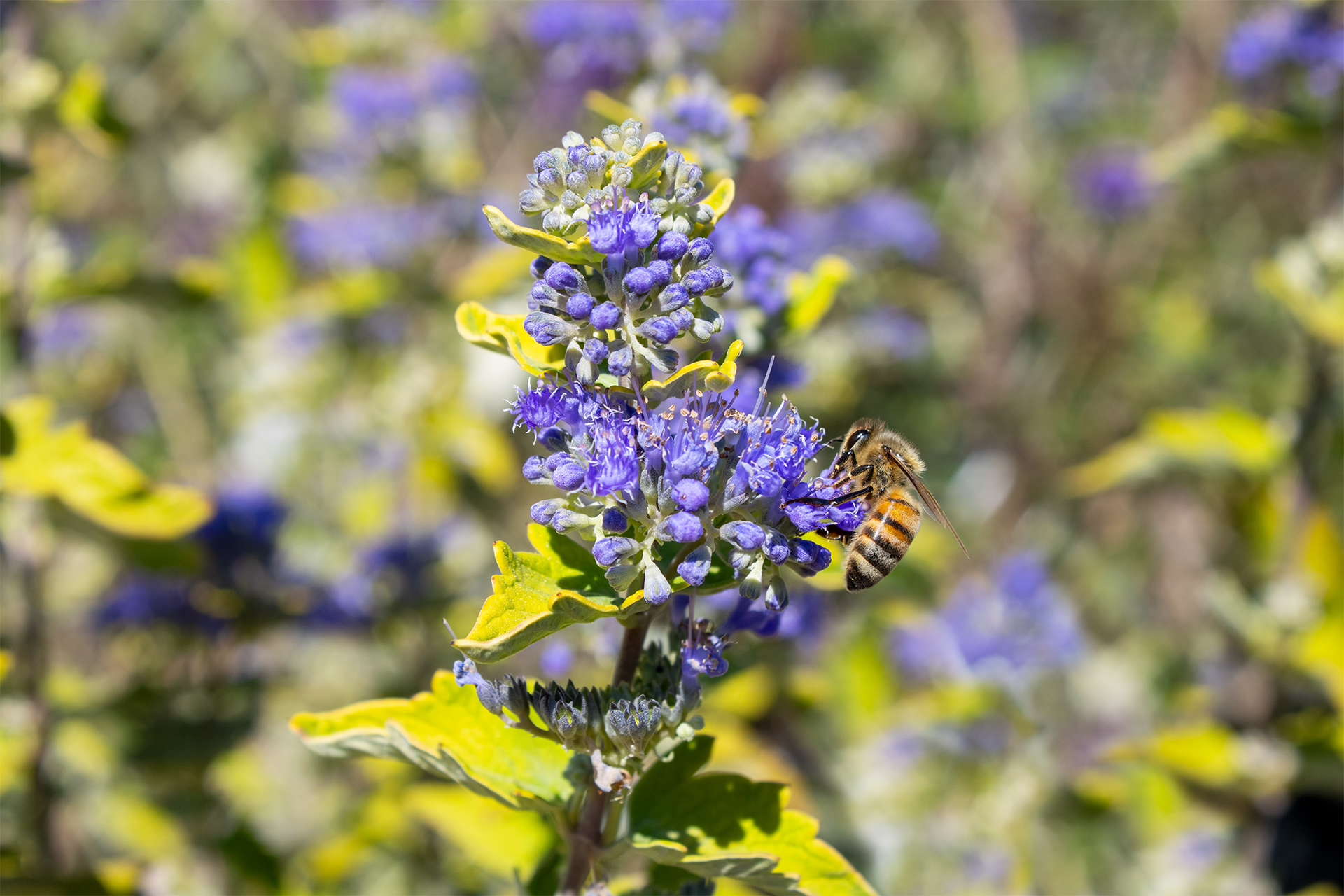
High desert gardeners ask a lot of their plants. A successful shrub must tolerate intense sunlight, dry air, temperature swings, alkaline soil and winter cold, while still bringing color and life to the landscape. Caryopteris meets that challenge beautifully.
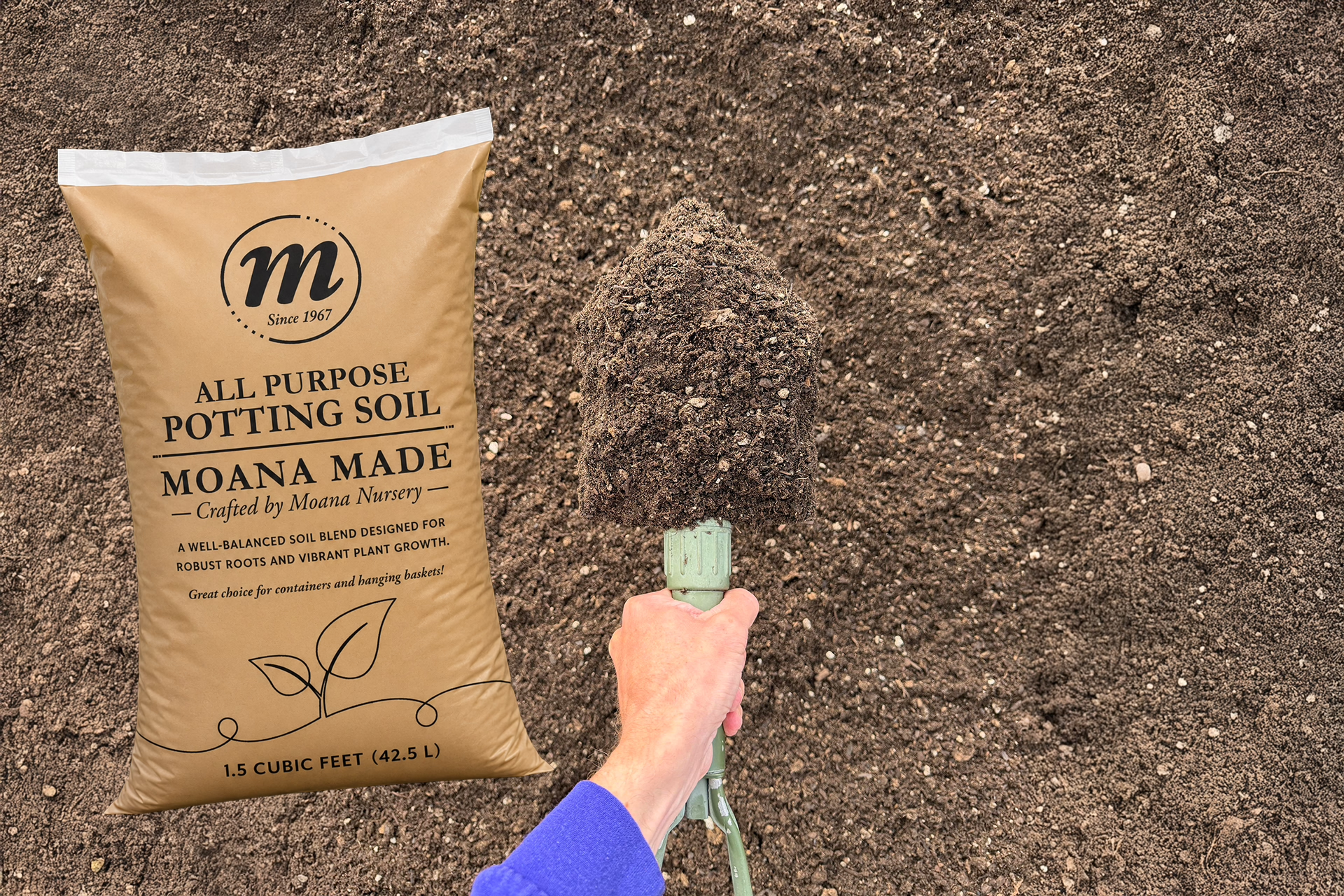
Moana Made All Purpose Potting Soil, a thoughtfully balanced growing blend crafted by Moana Nursery in partnership with Full Circle Compost. More than a product available at our garden centers, Moana Made is the same trusted blend we use at our local farm to grow Moana Grown plants.
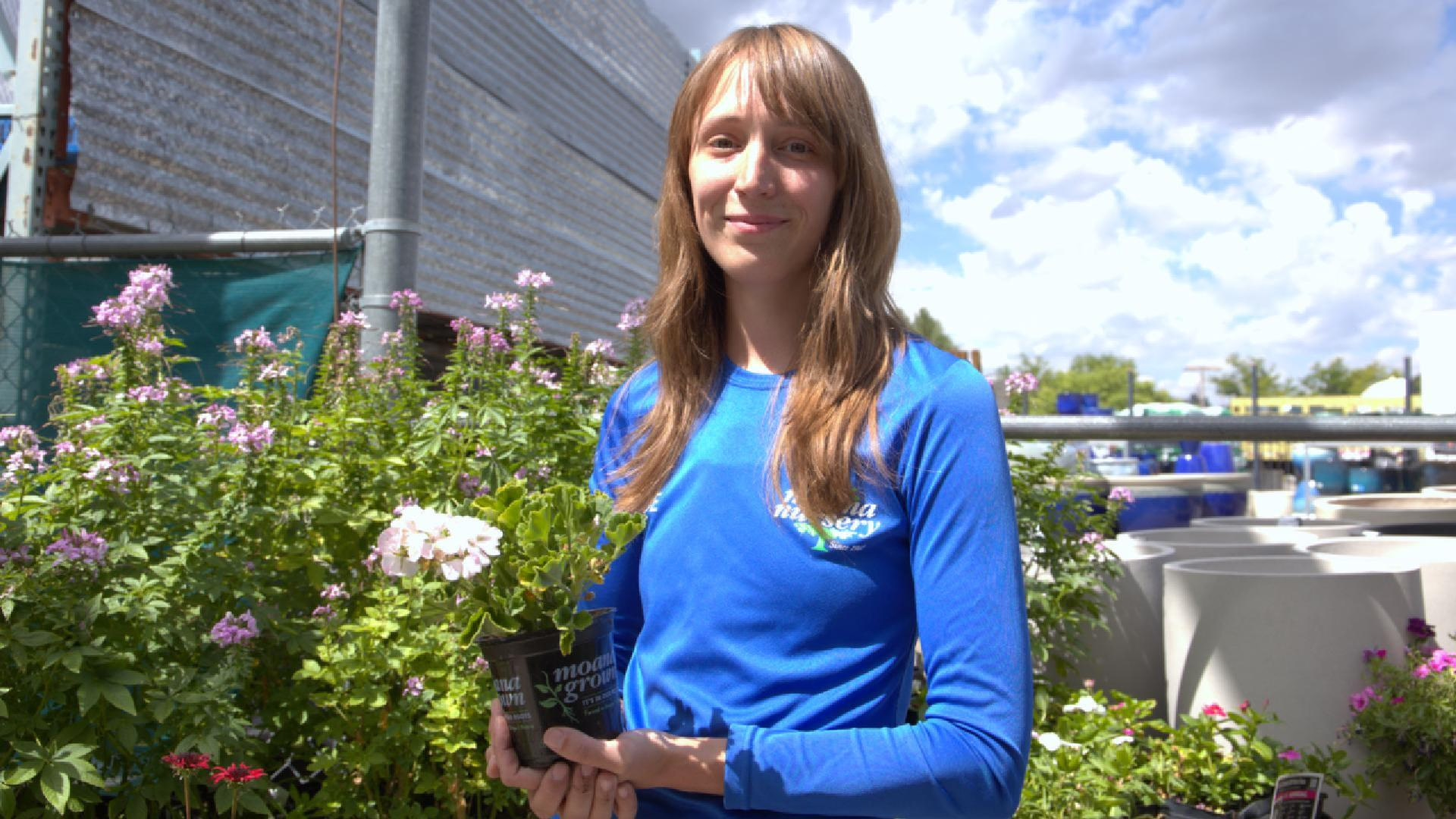
Summer in Reno can be tough on a garden. The good news is that most summer stress can be managed with a few consistent habits. Small adjustments can keep your garden growing, flowering and thriving through the hottest part of the season and into fall.