Share
Growing Roses in the High Desert
Growing roses in the high desert of Northern Nevada means working with extremes. The climate brings intense sun, low humidity, alkaline soil, and wide temperature swings between day and night. While that might sound harsh, roses can do very well here if you focus on soil improvement, deep watering, and consistent seasonal care. Think of it less as difficult and more as intentional gardening, once you get the system right, roses become surprisingly resilient.
Planting for Success
The foundation of healthy roses starts at planting. Early spring, after the danger of hard frost has passed, is a great time to get them in the ground. This gives the plant a full growing season to establish before winter. Choosing the right location is equally important. Roses need plenty of sunlight, at least six to eight hours per day, but in the high desert, a bit of protection from the harshest late-afternoon sun can prevent stress and scorched blooms. Avoid or compensate for exposed, windy areas, as constant dry wind can quickly pull moisture from both soil and leaves.
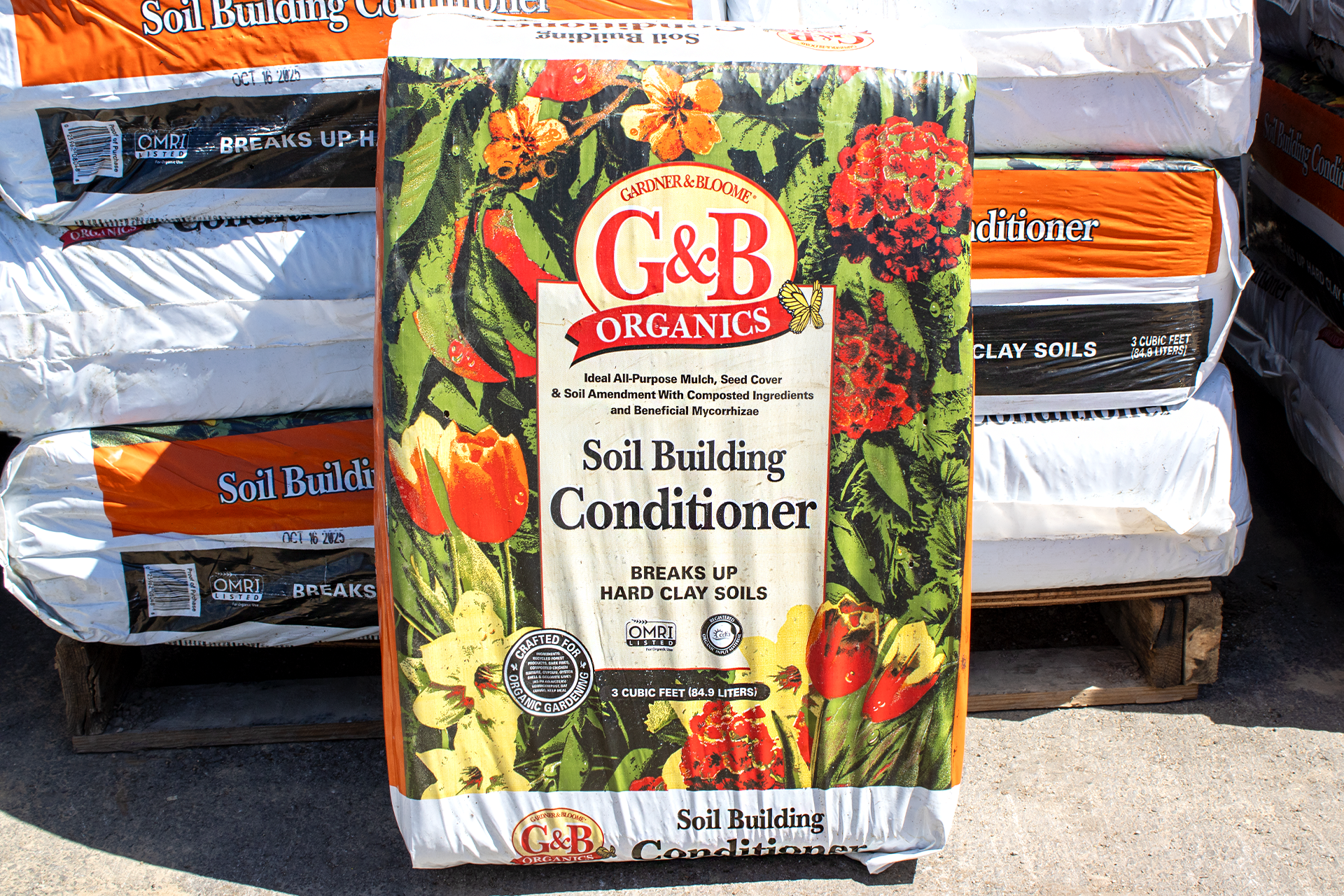
Soil preparation is where you can make the biggest difference. Most high desert soils are alkaline and low in organic matter, which most roses don’t love. Dig a wide planting hole, much larger than the root ball, and amend generously with compost, soil building conditioner. This improves both drainage and moisture retention, which is critical in a climate where water disappears quickly. After planting, water deeply to settle the soil and apply mulch or a top layer of soil building conditioner to lock in moisture.
Watering in a Dry Climate
Watering is the most important ongoing task. In the high desert, the goal is to water deeply enough that moisture reaches well below the surface, encouraging roots to grow downward rather than staying shallow. Shallow watering leads to weaker plants that struggle in extreme temperatures.
During the summer, most roses will need water two to three times per week, though this depends on soil type and temperatures. Sandy soils dry out faster and may require more frequent watering, while amended soils hold moisture longer. Early morning watering is best, and it’s important to water at the base rather than overhead to reduce foliage disease risk. If leaves begin to wilt or develop crispy edges, the plant may need more water. On the other hand, yellowing leaves and poor growth can indicate too much water or poor drainage. (These are good baseline indicators, though not always 100% accurate, if you have questions or are unsure, please come talk to a Plant Doctor, bring photos or leaf samples for the most accurate advice.)
Feeding Through Spring and Summer
Because desert soils are naturally low in nutrients, regular fertilizing is essential for strong growth and good blooms. As new growth begins in spring, apply a balanced fertilizer or an organic rose food, try our new Moana Made All Purpose Liquid Plant Food. Roses benefit from continued feeding every four to six weeks throughout the growing season.
In the heat of summer, avoid over-fertilizing, as this can stress plants. As fall approaches, stop fertilizing about six to eight weeks before the first expected frost. This allows the plant to slow down naturally and prepare for dormancy rather than pushing out tender new growth that could be damaged by cold.
Pruning and Seasonal Maintenance
Pruning helps shape the plant, improve airflow, and encourage more blooms. In the high desert, major pruning is best done in late winter or very early spring, just before new growth begins. At that time, remove any dead or damaged wood, thin out crowded areas, and cut back healthy canes to outward-facing buds to create an open, breathable and aesthetic structure.
Throughout the summer, lighter maintenance keeps the plant productive. Deadheading spent flowers encourages repeat blooming, and removing weak or crossing growth improves overall health. It’s also important to remove suckers, growth that pops up near the rootstock, as these can take energy away from the main plant.
Mulch: Your Best Ally
Mulch is one of the simplest and most effective tools for high desert gardening. A two- to three-inch layer of organic mulch or soil building conditioner around the base of your roses helps regulate soil temperature, retain moisture (save water), and gradually improve soil quality as it breaks down. In extreme heat, mulch can make a noticeable difference in how quickly soil dries out. Just be sure to keep it a few inches away from the base of the plant to prevent rot.
Pests and Disease to Watch For
Even in a dry climate, roses can attract pests. Aphids are common in spring and tend to cluster on new growth, while spider mites thrive in hot, dusty conditions and can cause leaves to look speckled or faded. Thrips may damage buds and flowers. These issues are often manageable with a strong spray of water, insecticidal soap, or neem oil, especially if caught early.
Diseases are generally less severe in the high desert than in humid regions, but they can still appear. Powdery mildew may show up as a white coating on leaves, particularly during temperature swings. Black spot and rust are less common but still possible, especially if leaves remain wet for extended periods. Good airflow, proper spacing, and watering at the base of the plant go a long way in preventing these problems. Remove affected leaves quickly to help stop the spread or treat with fungicide as needed.
Extra Tips for High Desert Roses
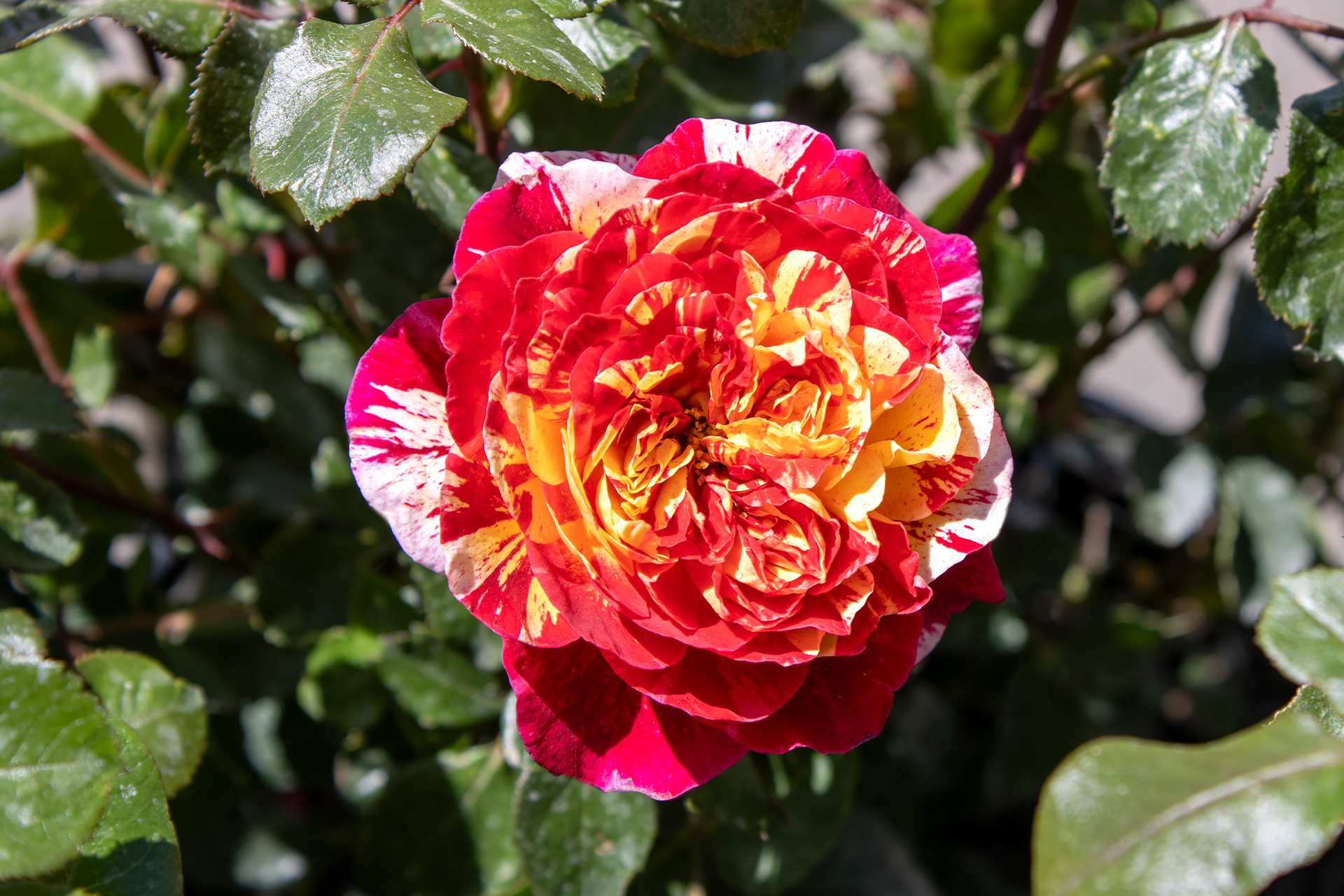
Roses come in all shapes, colors, and sizes, but choosing the right variety can make a big difference in how successful you are. Look for roses labeled as heat-tolerant or disease-resistant, especially in the high desert. At Moana Nursery, we focus on carrying varieties that are proven to perform well in our local conditions, but there are still a few things to keep in mind. For example, if you’re planting drift roses or varieties with more delicate blooms, be sure to place them somewhere with protection from strong winds, which can quickly damage flowers and dry out plants.
During extreme summer heat, even hardy roses may benefit from temporary shade or extra watering. In winter, protecting the base of the plant with soil or mulch can help it survive extreme cold snaps.
Overall, growing roses in the high desert is about consistency. With improved soil, deep watering, regular feeding, and seasonal pruning, roses can thrive in high desert conditions. Once established, they often become one of the most rewarding plants in the garden, producing abundant blooms despite the challenging environment.
Share
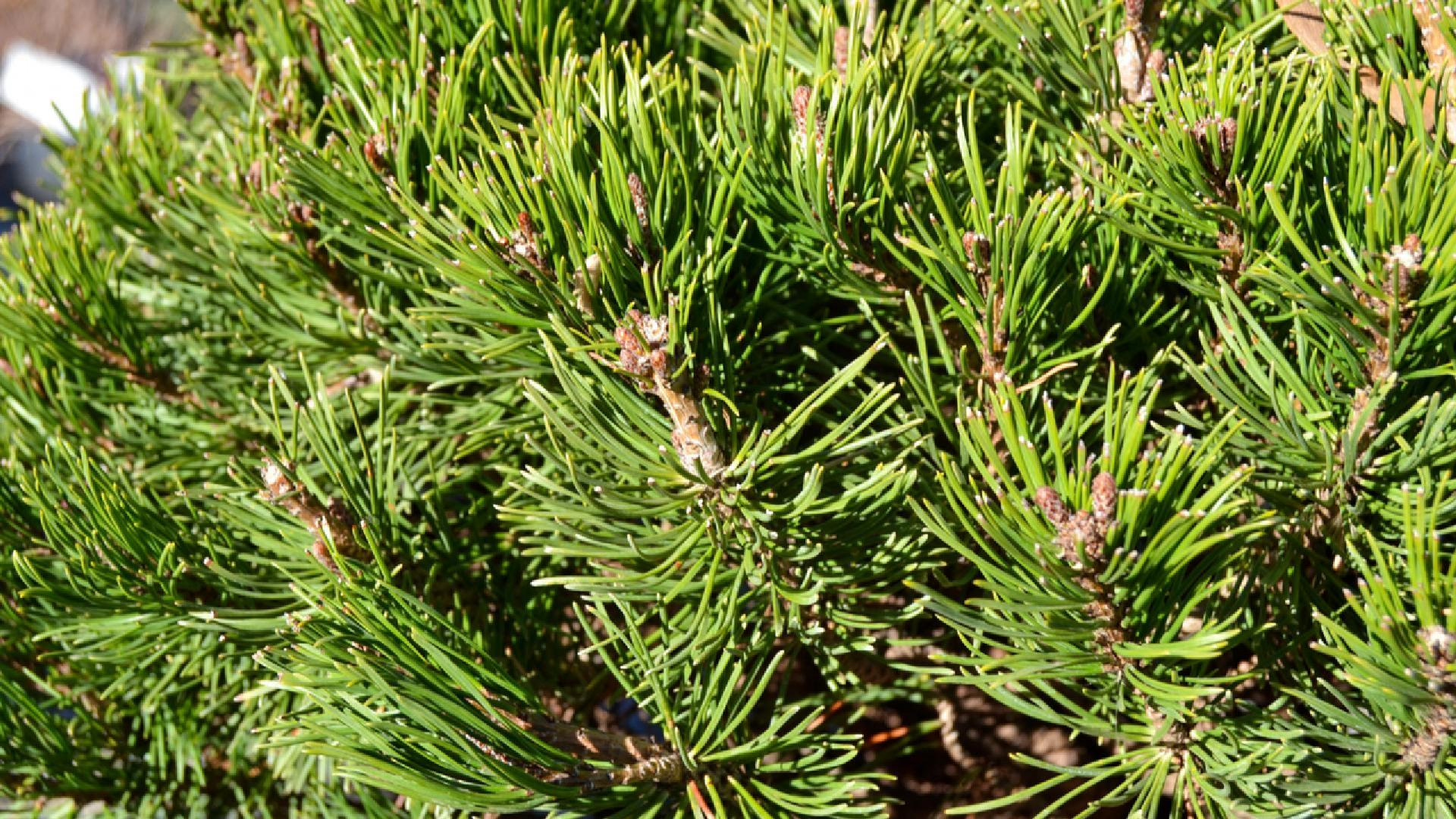
Dwarf mugo pine, known botanically as Pinus mugo var. pumilio, offers a presence that brings texture, provides contrast, and lasts over winter. With dense green needles, sturdy branches, and a naturally low, spreading form, it brings the character of a mountain pine into the home landscape.
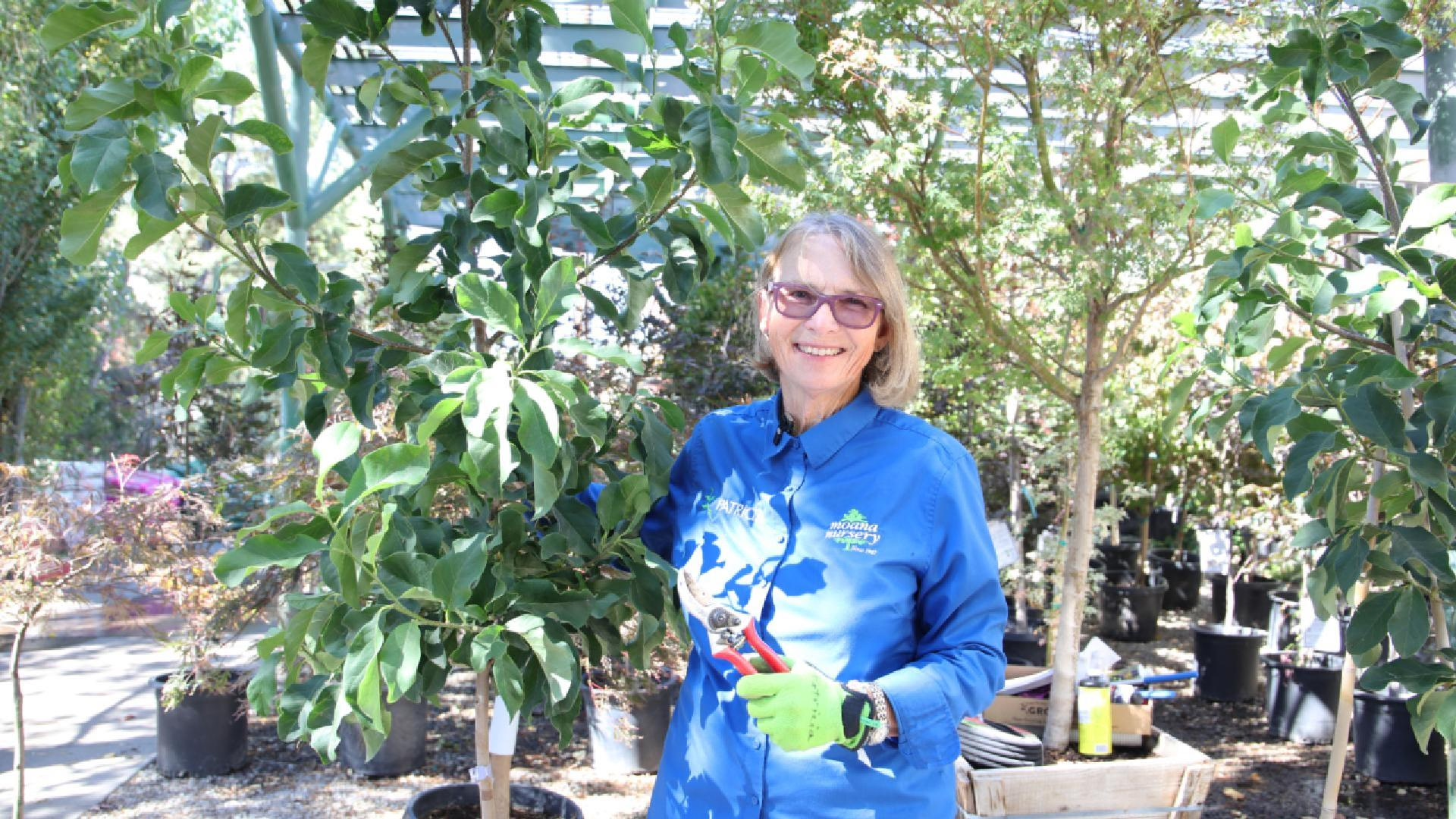
Pruning in fall is important for the health of your trees and shrubs. It might seem complicated, but we’ll make it much simpler to understand!
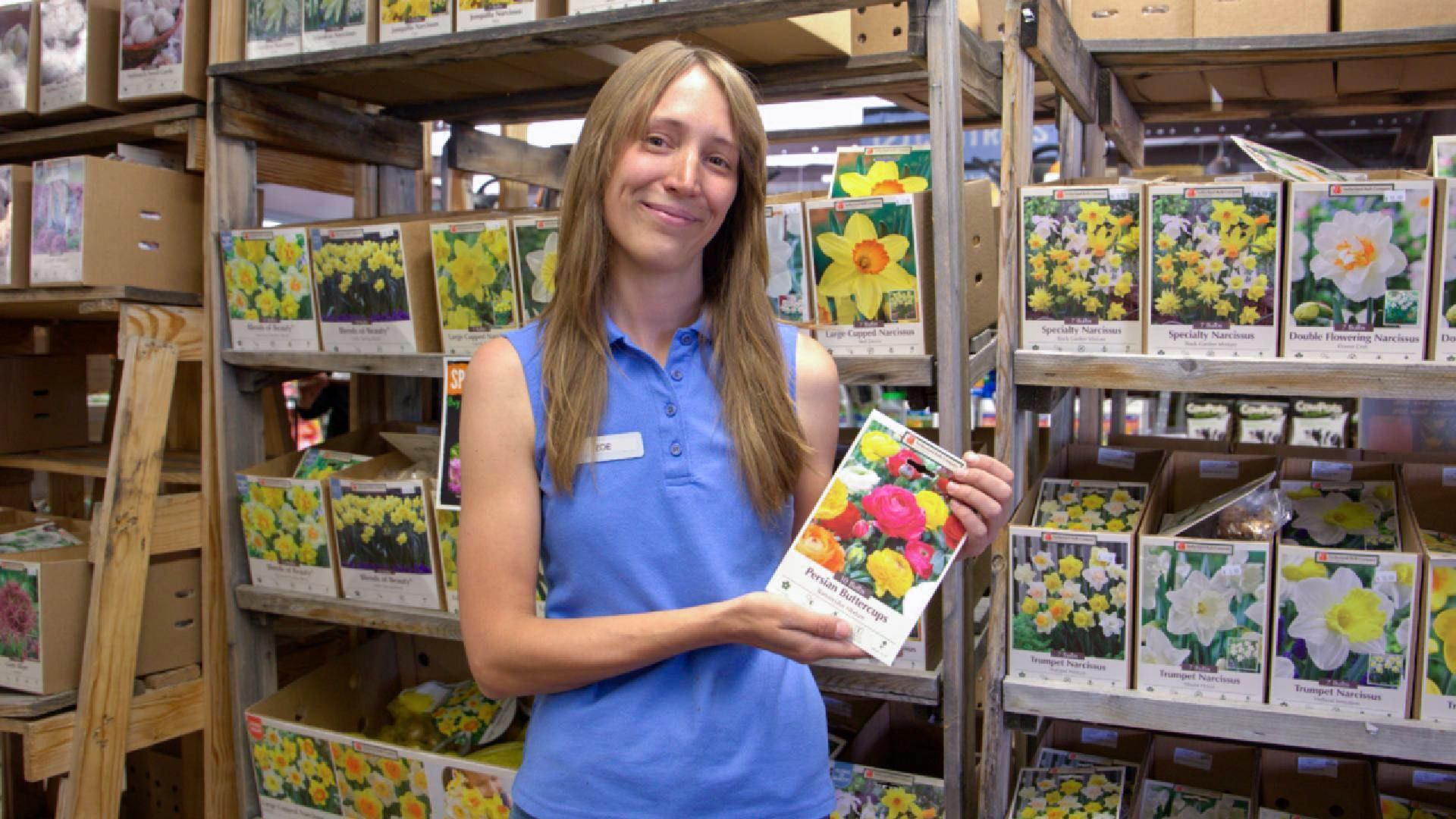
October is the perfect time to be planting your spring blooming bulbs. Planting now gives your bulbs time to grow nice strong roots before they bloom in the spring. Let’s get started!
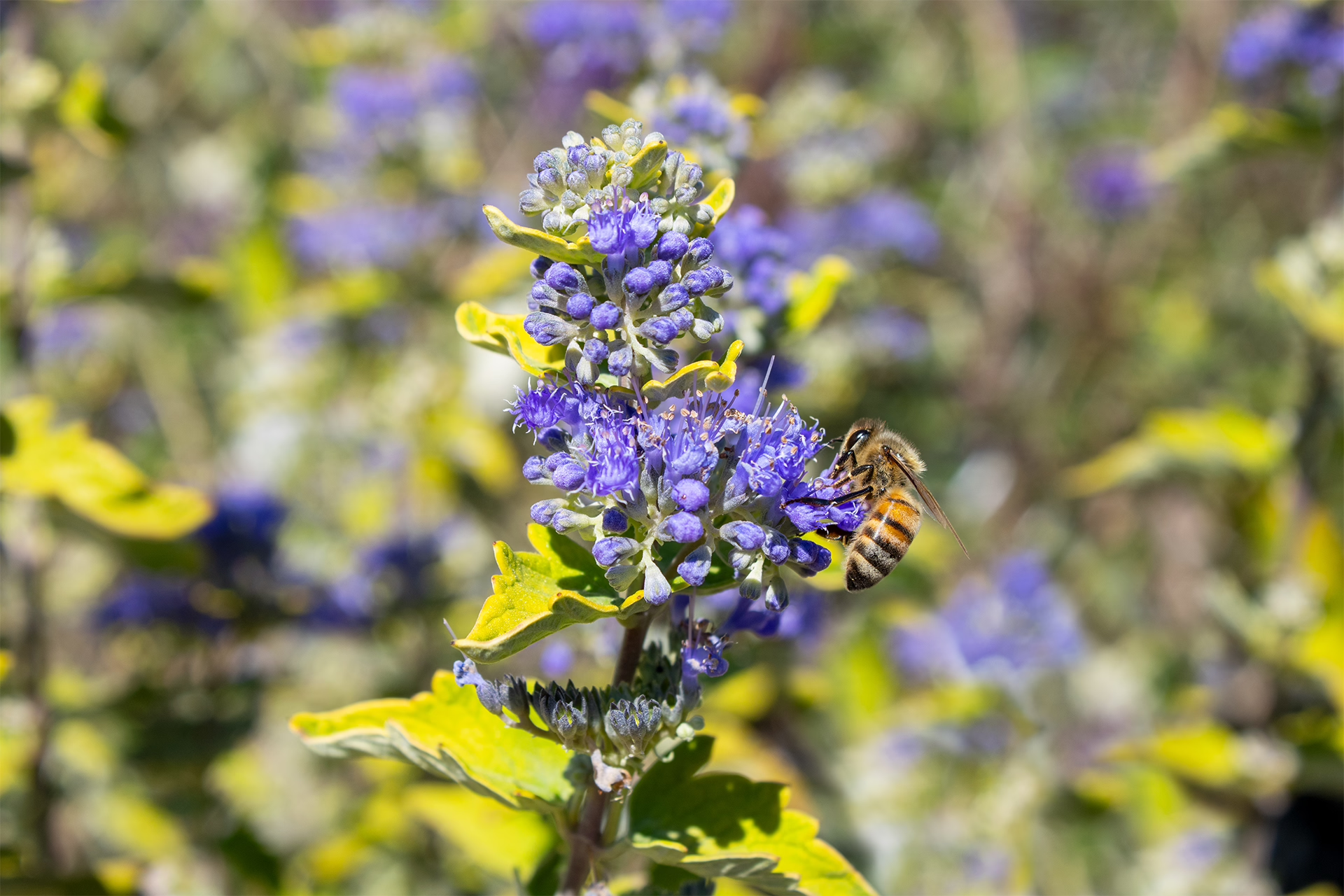
High desert gardeners ask a lot of their plants. A successful shrub must tolerate intense sunlight, dry air, temperature swings, alkaline soil and winter cold, while still bringing color and life to the landscape. Caryopteris meets that challenge beautifully.