Share
One question we get asked a lot is…How deep should I plant this new tree, shrub, etc.?
Our Rule of (the Green) Thumb
Some plants can vary but a good rule of (the green) thumb is to plant your new plant with the top of the root ball at the soil level you’re planting it into (the root ball is what comes out of the container once you remove it). You don’t only want to see the trunk or stem sticking out of the ground. You should see the top of what was in the container flush with or just slightly above the ground you planted it in.
This one’s too shallow, this one’s too deep, this one’s juuusstt right!
Just like Goldilocks, all trees, shrubs and plants have their perfect plant depth.
If a plant is installed too shallow, it will dry out faster, scalding the top of the root ball. You’ll lose some portion of the root system and stress the plant unnecessarily. Many plants have roots that are supposed to grow horizontally to take in air and if your plant is installed too shallow those roots will have nowhere to grow. Your plant may not die but however much of your root-ball is sticking out is about how much root mass you may loose.
On the other hand, installing a plant too deep will also result in the loss of a portion or even the entirety of the root system over time. This is a much more serious mistake than planting too shallow and one that is seen often. Roots need air! If your bury the crown of the roots the plant will eventually develop rot and can potentially die even after a couple of years. This is why when using mulch or rocks around your new plants and trees make sure to leave a little circle at the base to let the roots breathe.
Of course, like everything in life, there are exceptions. Many vegetables and flowers prefer to be planted a little deeper than the root crown. Make sure to check the label or check out specific information here. Still, have questions? Ask us in any of our three locations or online via our customer service line or social! We’re happy to help! Our number one goal is to help you create a thriving garden!
Share

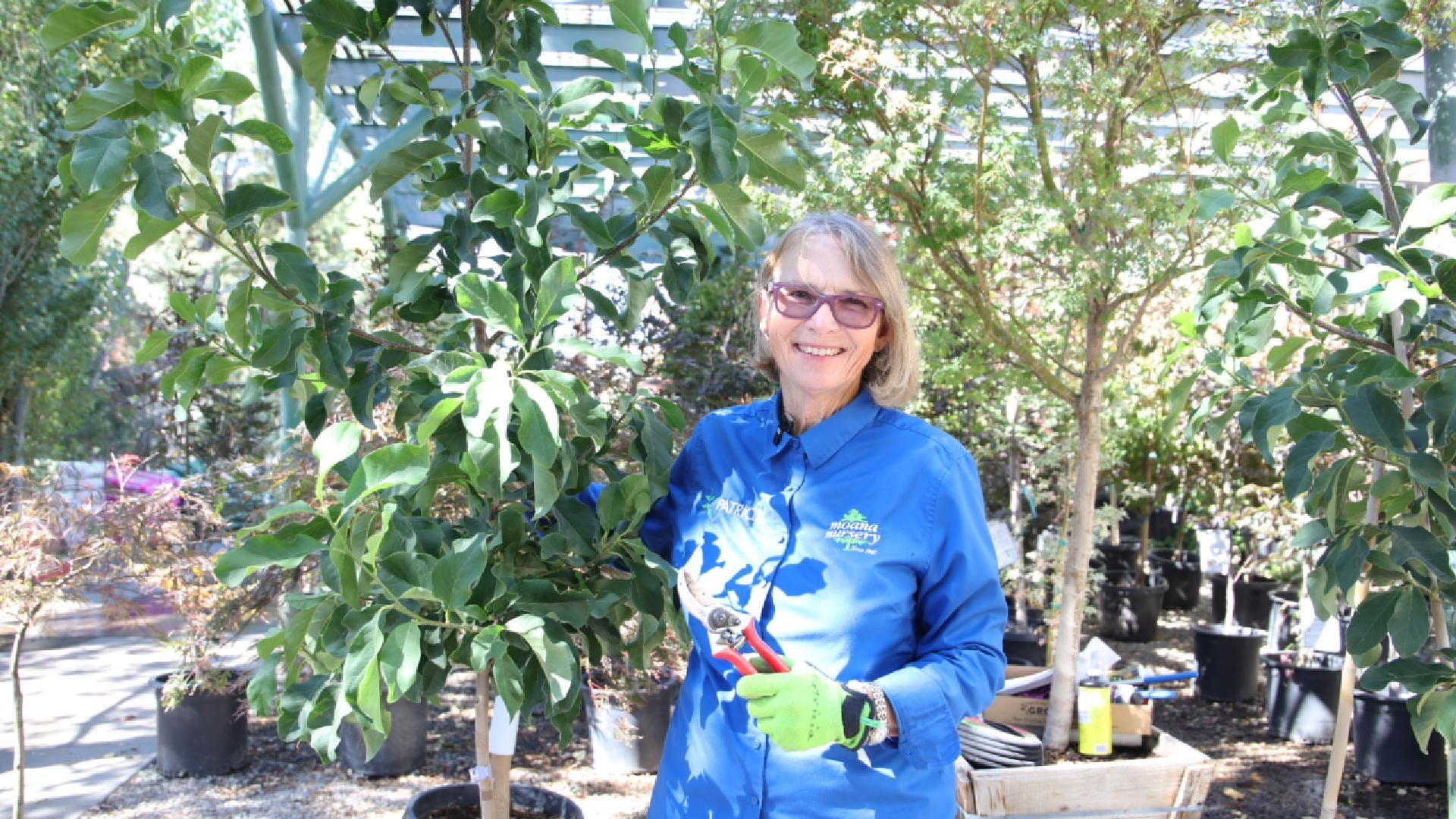
Pruning in fall is important for the health of your trees and shrubs. It might seem complicated, but we’ll make it much simpler to understand!
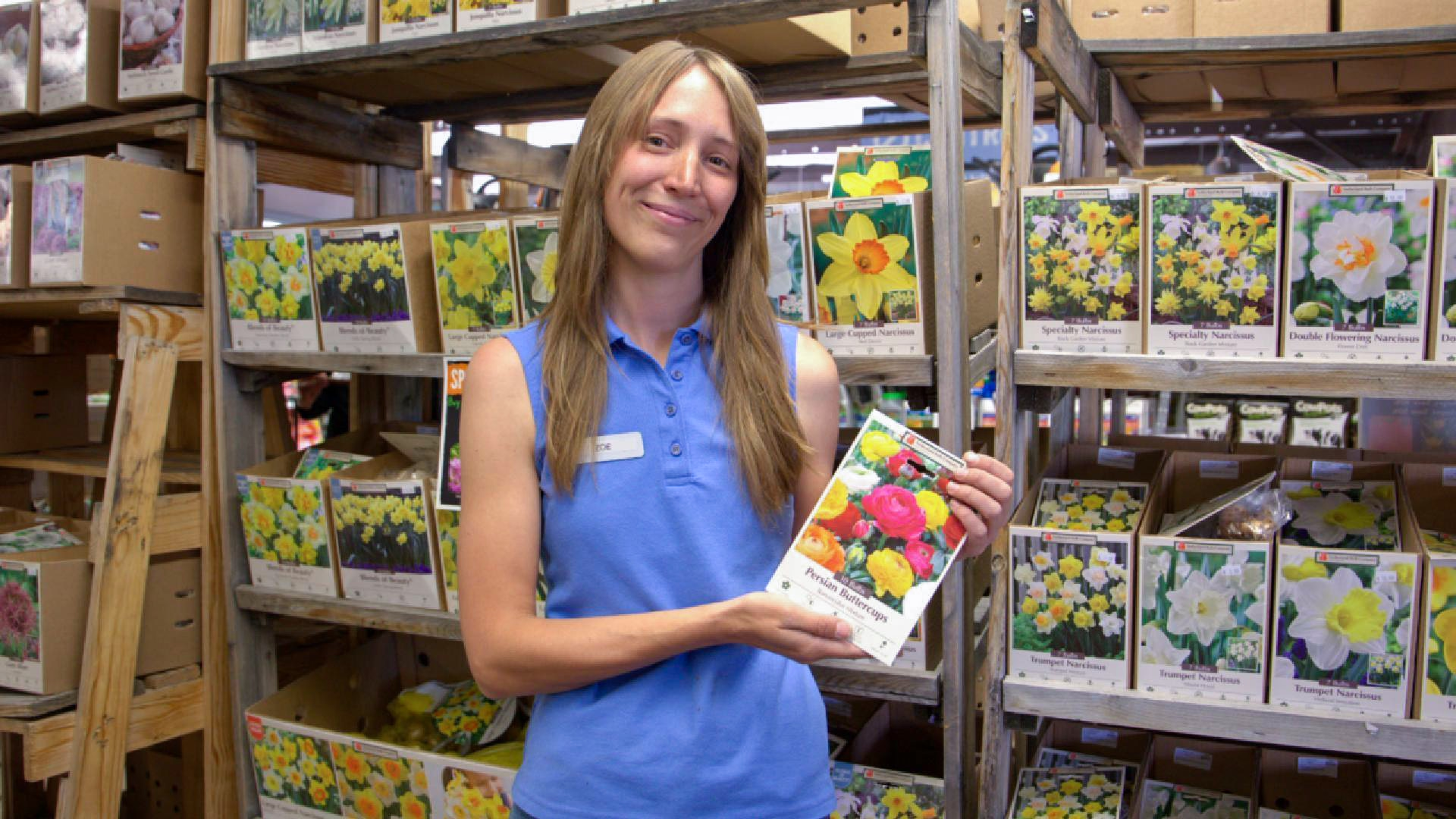
October is the perfect time to be planting your spring blooming bulbs. Planting now gives your bulbs time to grow nice strong roots before they bloom in the spring. Let’s get started!
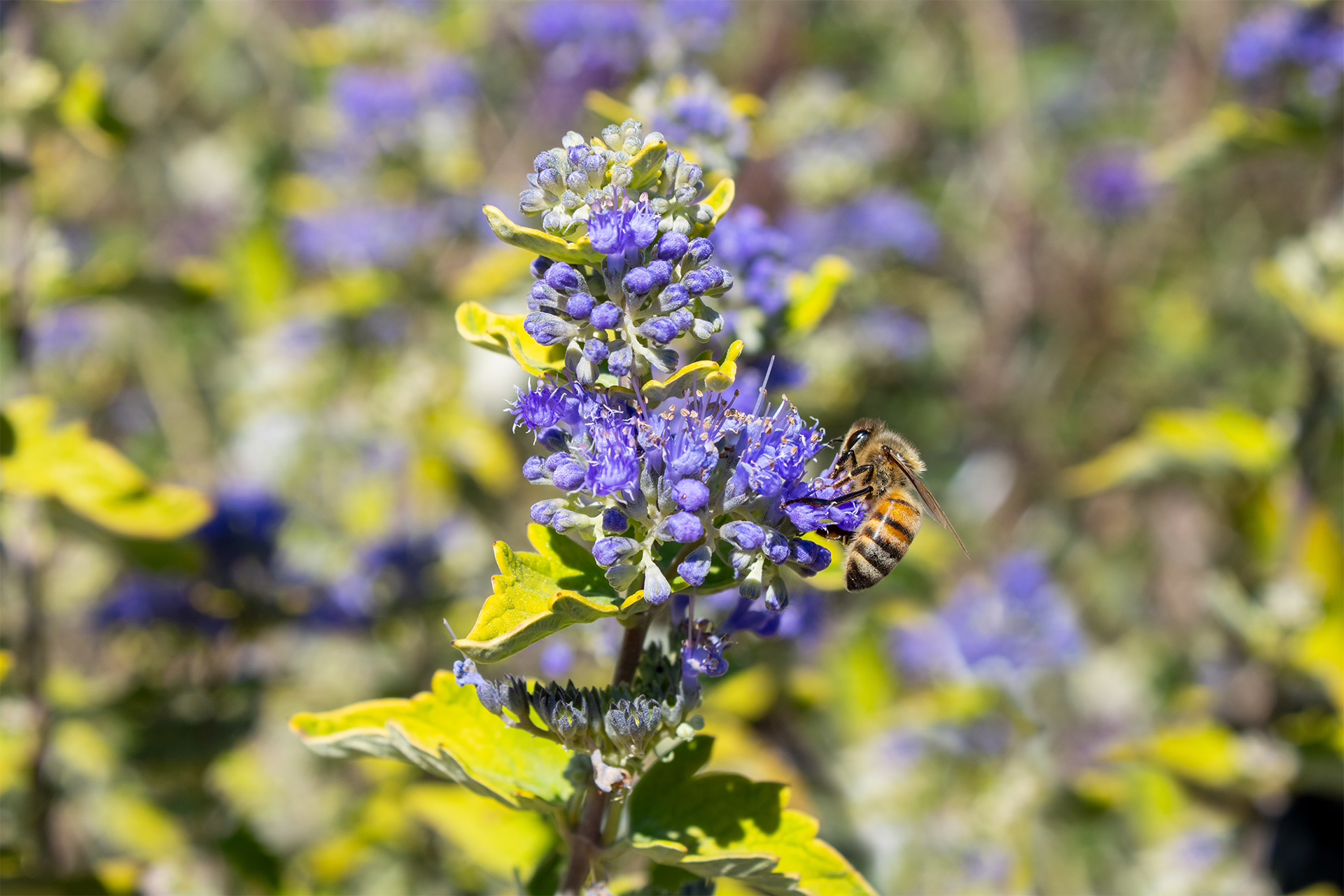
High desert gardeners ask a lot of their plants. A successful shrub must tolerate intense sunlight, dry air, temperature swings, alkaline soil and winter cold, while still bringing color and life to the landscape. Caryopteris meets that challenge beautifully.
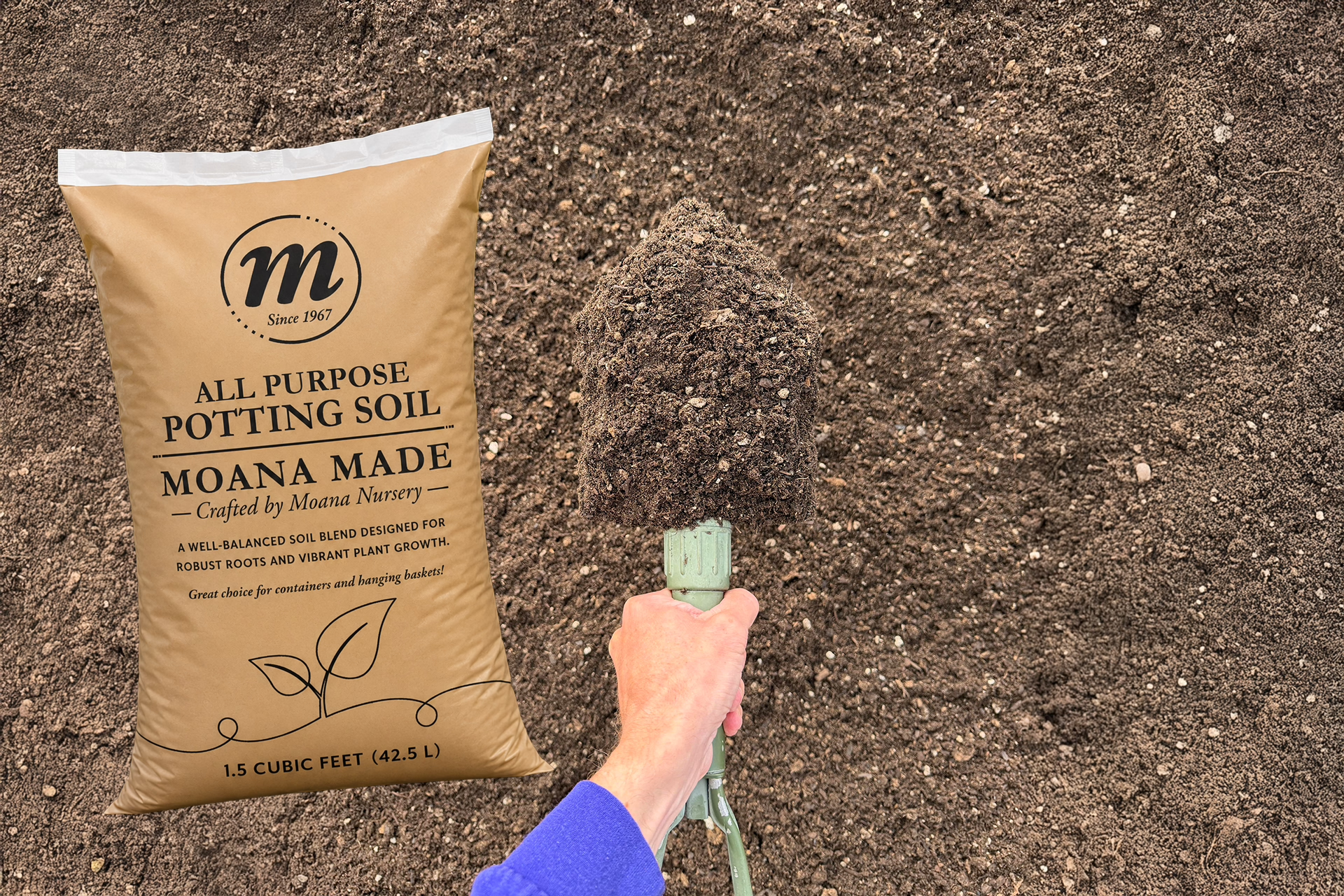
Moana Made All Purpose Potting Soil, a thoughtfully balanced growing blend crafted by Moana Nursery in partnership with Full Circle Compost. More than a product available at our garden centers, Moana Made is the same trusted blend we use at our local farm to grow Moana Grown plants.