
Share
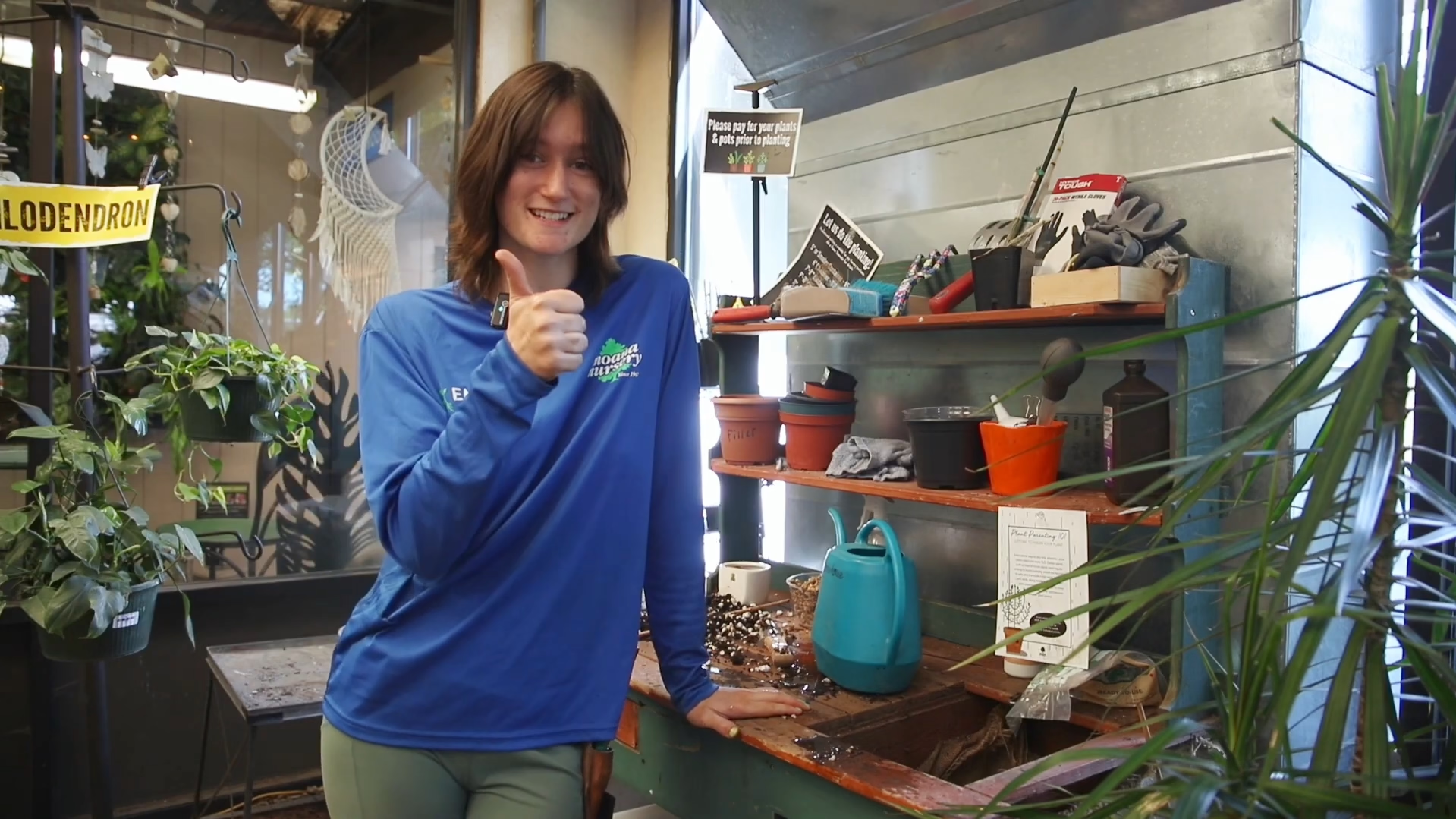
You have to be very careful when repotting a cactus but if your spiky friend is in need of a bigger home, here are some tips and tricks to help you do it safely.
Choosing a Pot
For cacti and succulents, terracotta or pots made of other porous materials are ideal because they will wick away excess moisture. This is especially helpful if you are prone to overwatering your plants.
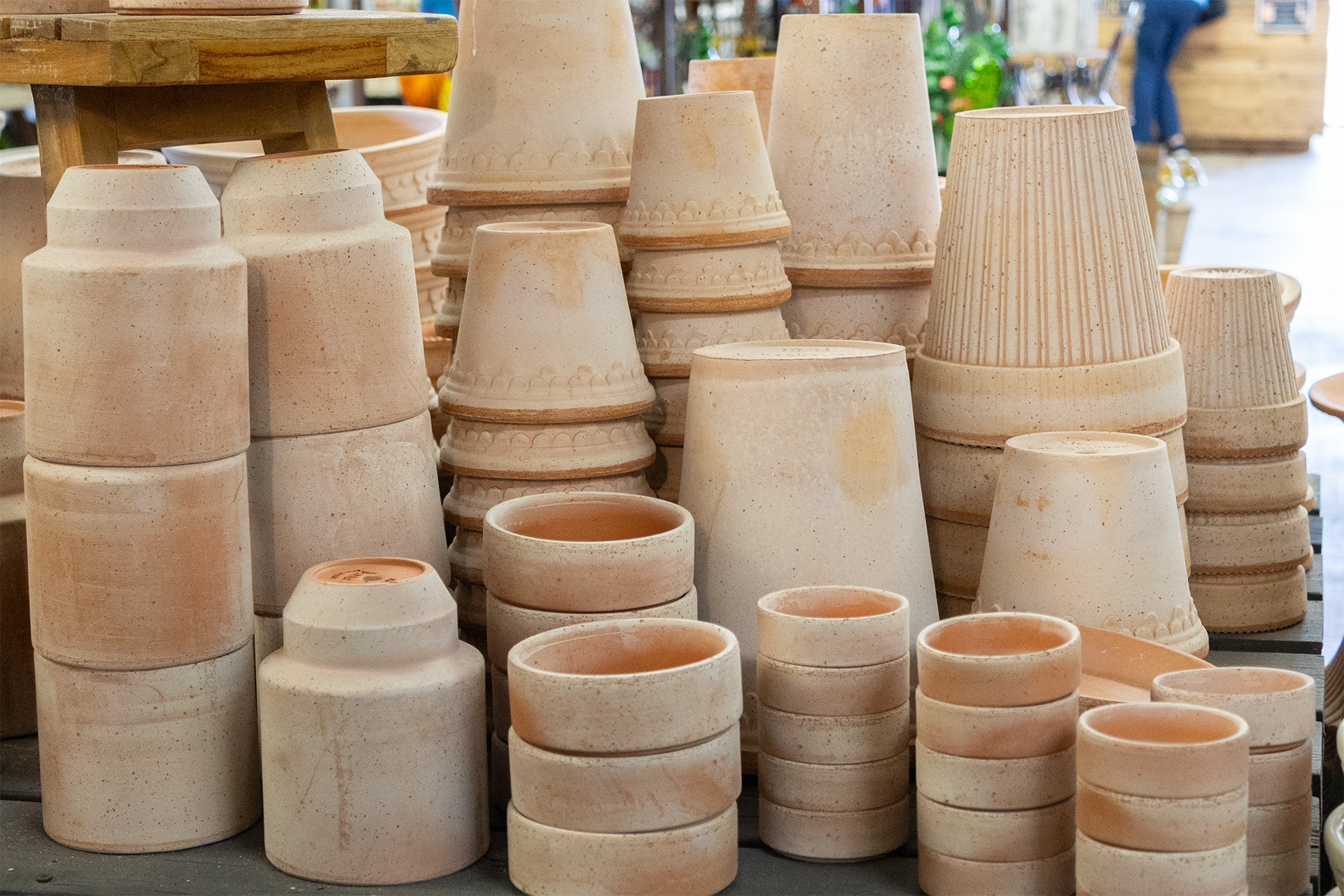
When choosing a new pot to move your cacti or succulent to, you’ll want to choose one that is only a little bit bigger than the current, about an inch wider in diameter. This is because cacti have small, shallow root systems and leaving too much room can lead to issues like fungus gnats. The extra space can also contribute to overwatering.
Removing the Cacti
There are lots of ways to remove a cactus safely from a pot. Gloves are always the best option, but you can also use tongs or even bubble wrap. Grab the plant by the base, close to the soil, then tip the plant about 120 degrees so the pot is above the plant and gently begin to wiggle it out.
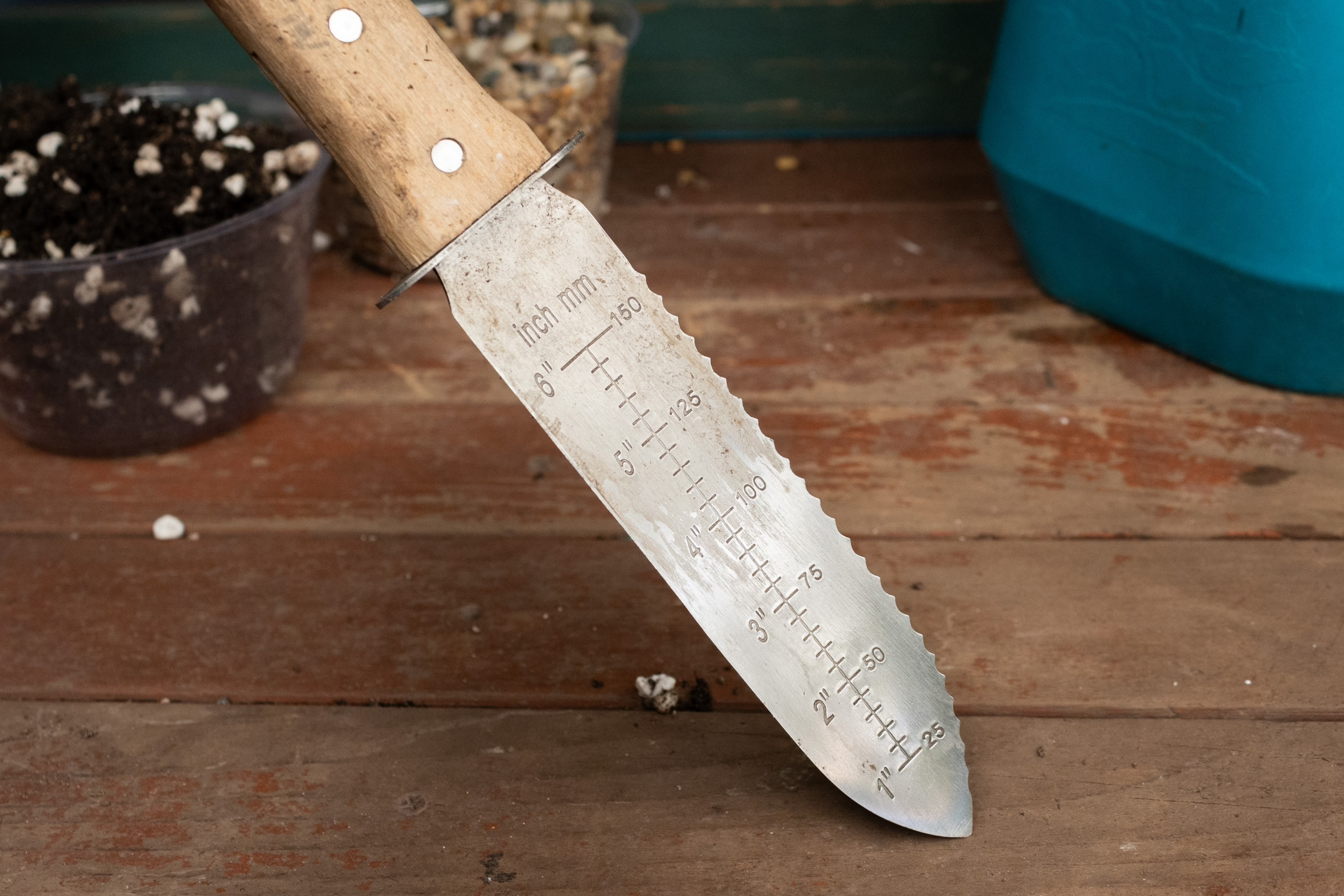
If it doesn’t come out easily, don’t force it. There are a few tricks you can use to avoid breaking. The first is to water: make sure the soil is damp and then you can manipulate it into a shape that’s easier to pull out. Another option is to use a Hori knife: these are wide, flat bladed knives with a serrated edge on one side. To use it, you want to push it into the soil as close to the edge of the pot as possible to avoid roots and gently begin to pry the cactus out while moving the knife around the outer edge: don’t focus only on one side. In a worst case scenario, if you aren’t partial to the original pot, you can always break it.
Dealing with Roots
Once your cactus is free, you can loosen the root ball just a little bit at the bottom. You want to leave it mostly intact, however, because of how small a cactus’ roots are. If your cactus is root bound, however, you will want to loosen it up more.
Soil
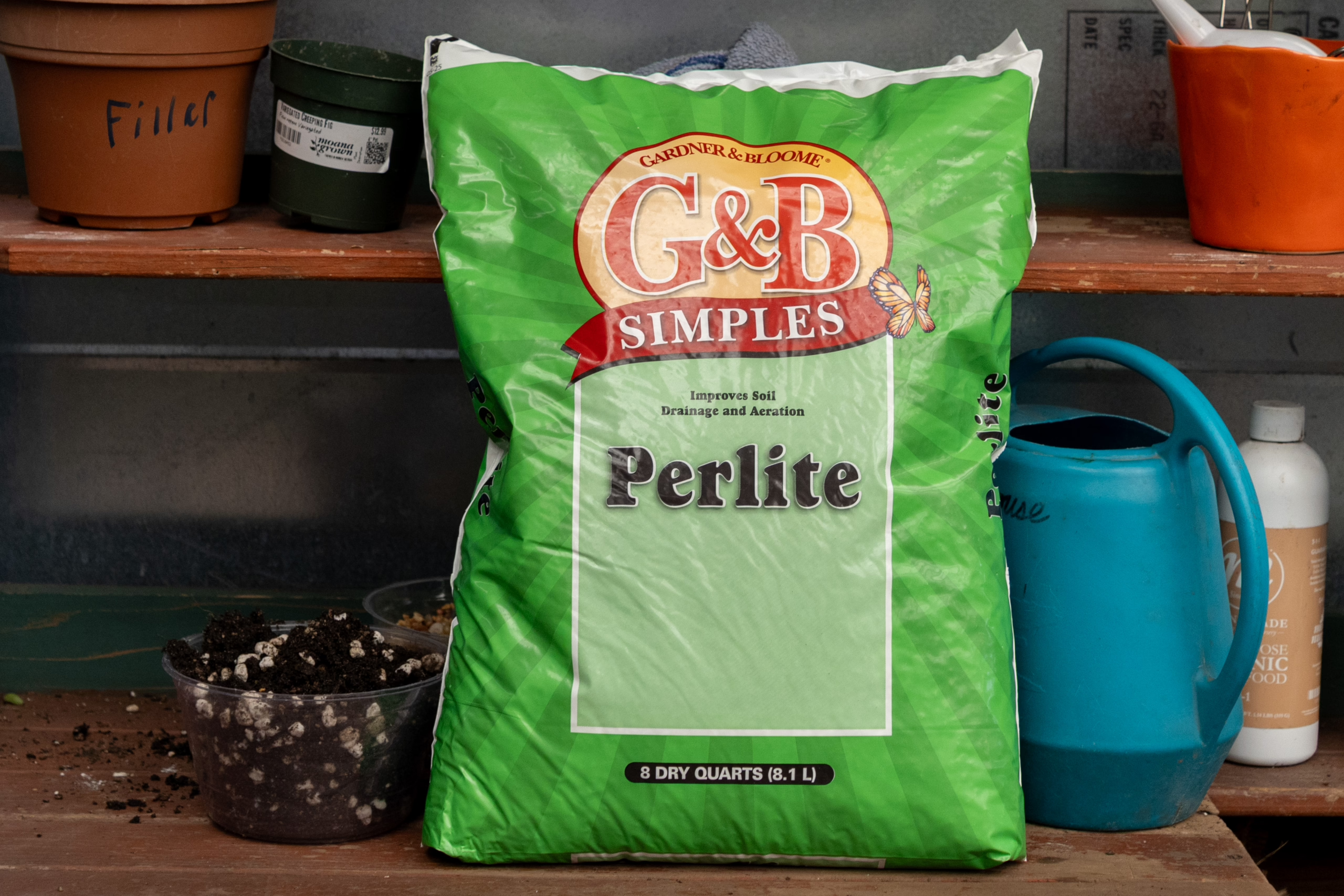
For cacti, you want to use a chunky desert soil mix. Start with your soil mixture: moist soil is easier to work with. Then you’ll want to mix in Pearlite: jumbo Pearlite is ideal for making a nice dry soil blend. Mix until the Pearlite is evenly distributed throughout the soil.
Always line the bottom of the new pot with soil first to give your plant room for its roots to grow down and not just sideways. Keeping a moderate amount of soil underneath, create a divot in the middle or partially line the sides with soil and gently place your cactus in the center.
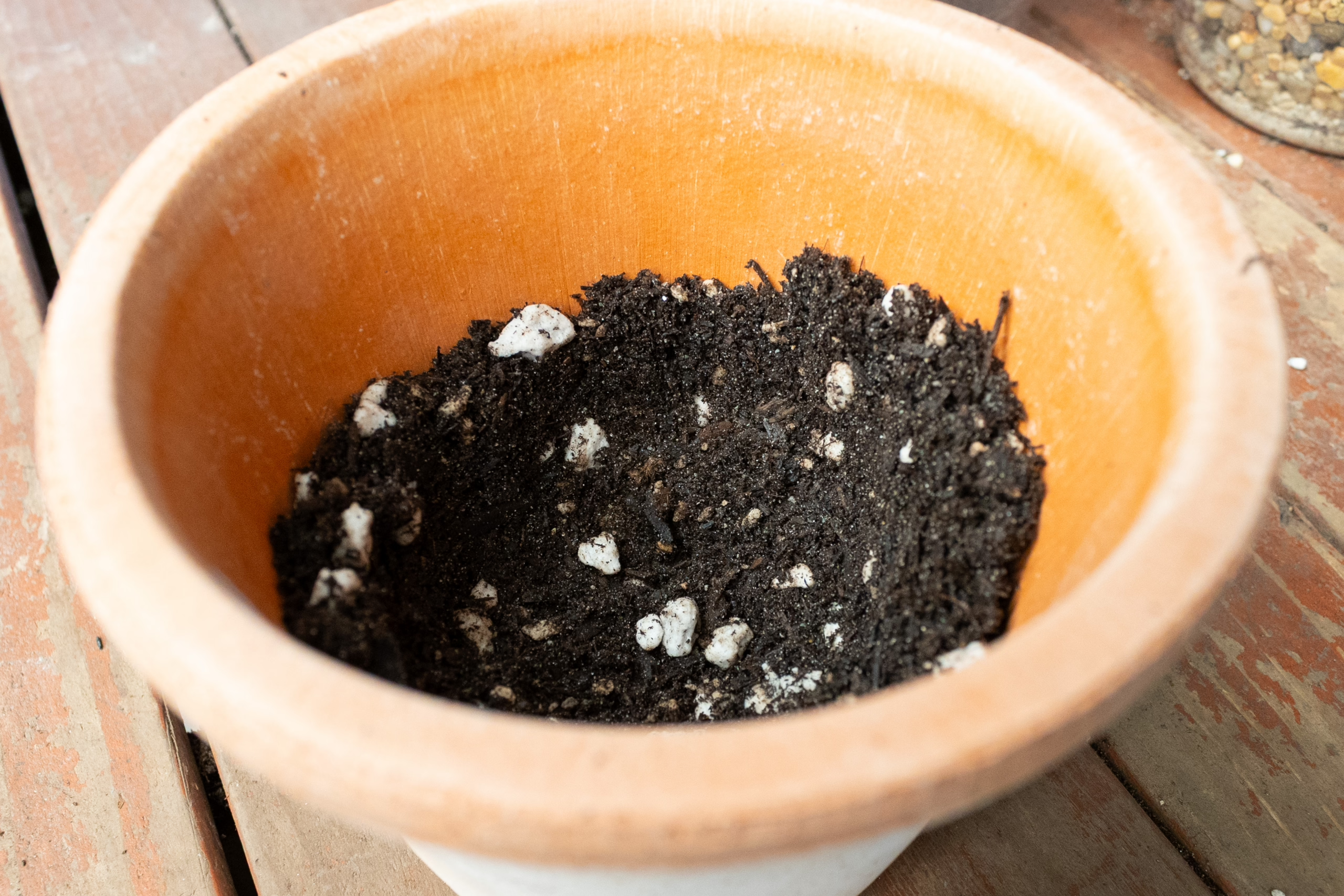
Fill in the outside edges of the pot with soil. You want to fill in all the way around before compressing the soil or you will push your cactus and its’ roots to one side of the pot instead of allowing it to grow from the middle. Once it’s filled in, you can gently compress the new soil. You should still be able to see the top of the old soil: if you can’t, you’ve buried the plant too deeply. For succulents and cacti, this can be especially problematic as it will cause the plant to hang onto too much water and can lead to rot.
After compressing with your fingers, you should water your plant in. This is something you should do regardless of what plant you are repotting, with the exception of if you are trying to recover a plant from root rot, because it fills in air pockets in the soil that can cause desiccation in the plant’s roots.
Decoration
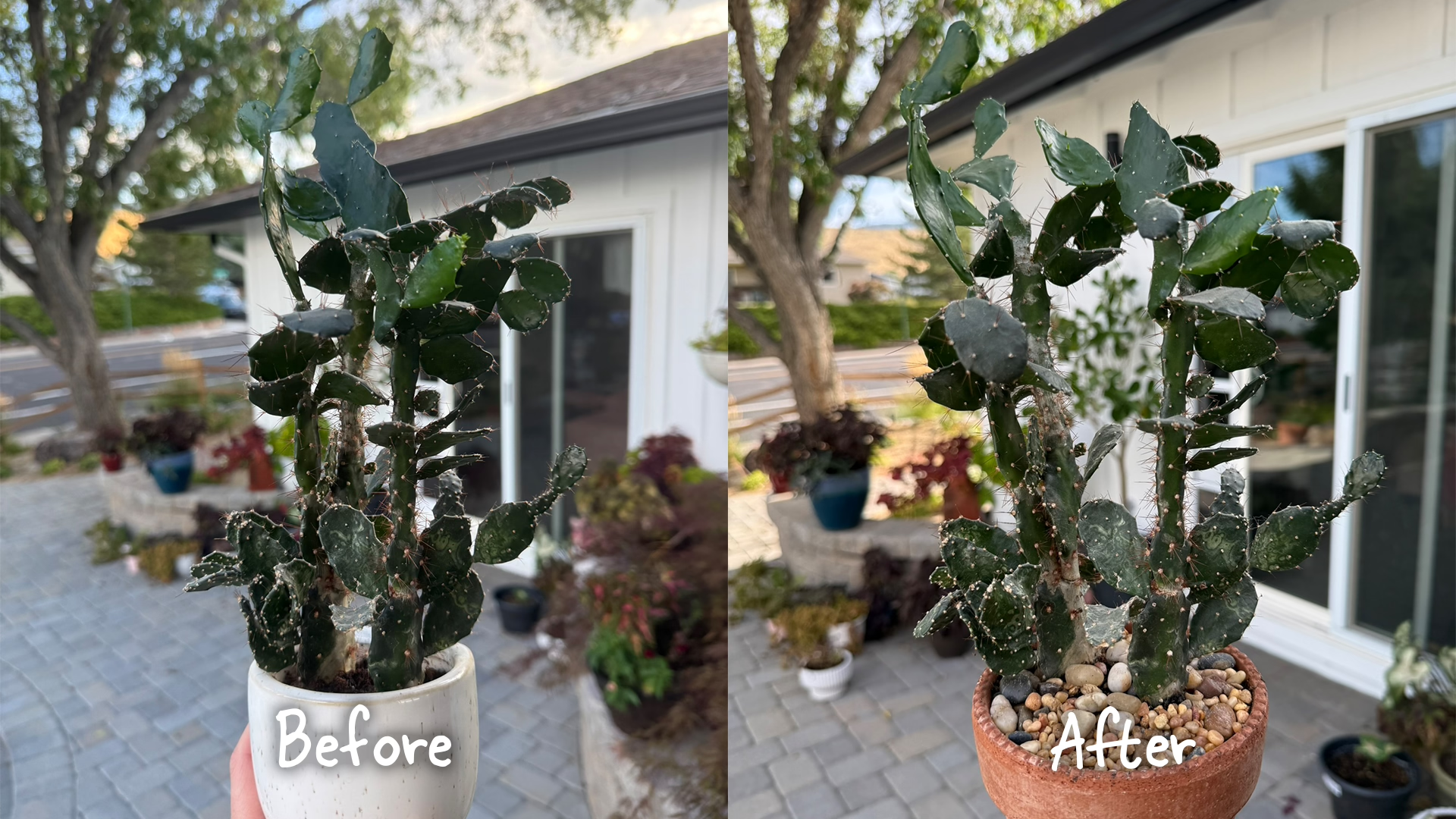
If you want to give your cactus an extra special look, you can decorate the soil. A desert rock mix looks especially nice with cacti and succulents, but there are plenty of other decorative rock mixes like rose quartz pebbles and river stones that will look great with almost any pot or plant. Decorative rocks are also great for terrariums and can especially elevate the look of a gifted potted plant.
Now that you’ve safely repotted a cactus, any other plant will feel easy. So let your spiky friend enjoy their new home and feel confident knowing that when the time comes for its next repot, you’ll be ready!
Share
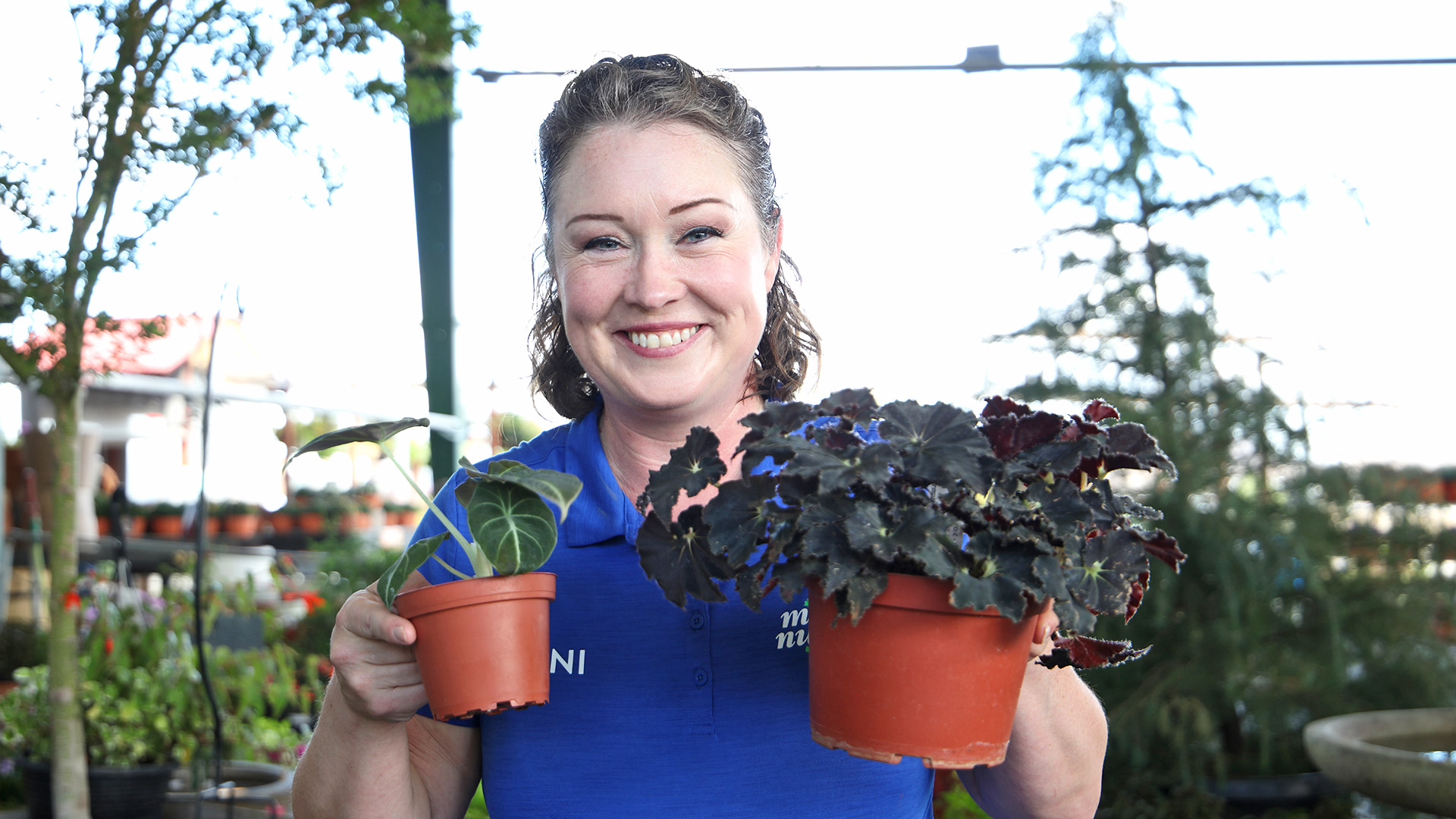
Have you ever wanted to add a beautiful dark houseplant to your collection? Here is a quick guide of some of the stunning options to bring a little goth spirit into your home.
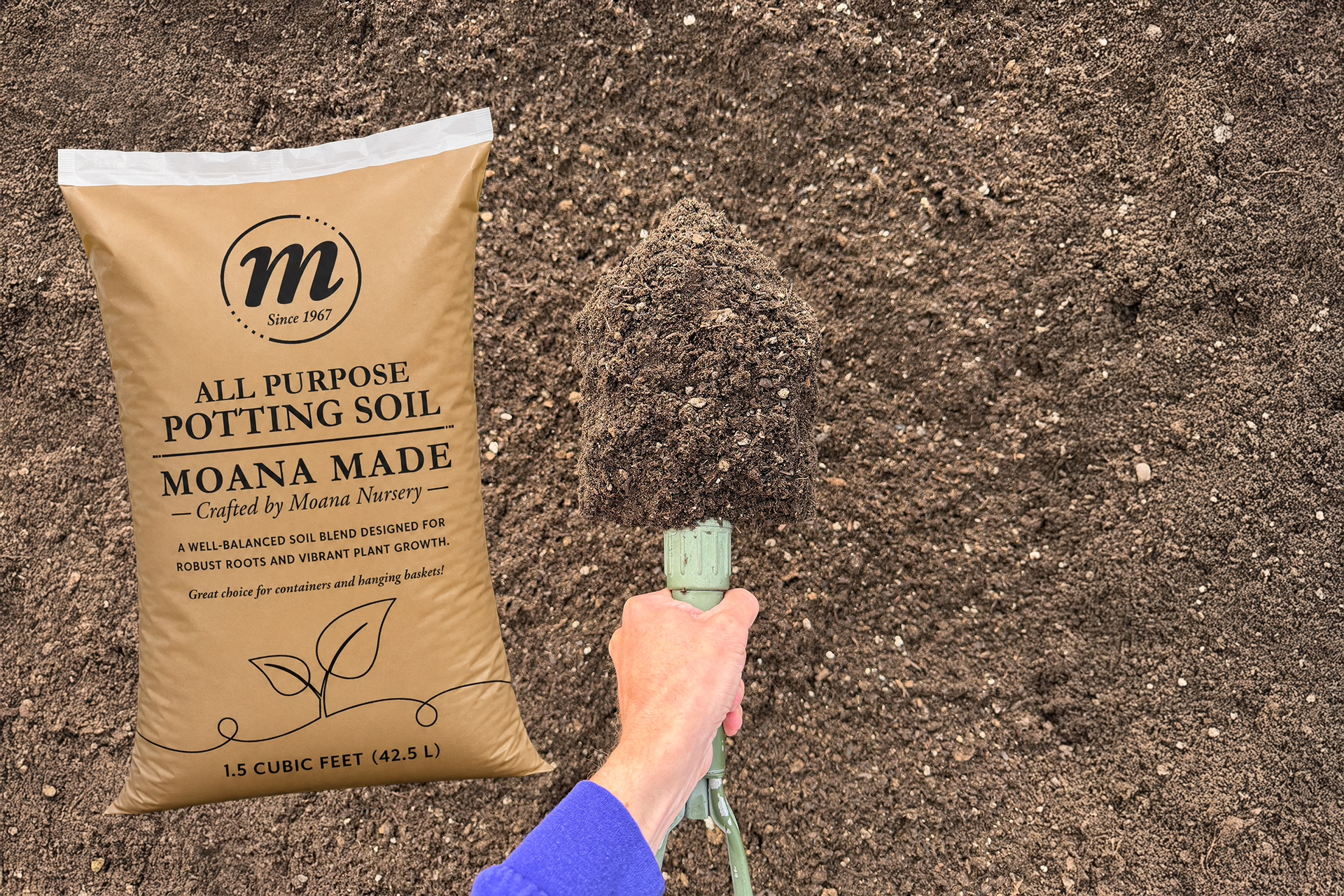
Moana Made All Purpose Potting Soil, a thoughtfully balanced growing blend crafted by Moana Nursery in partnership with Full Circle Compost. More than a product available at our garden centers, Moana Made is the same trusted blend we use at our local farm to grow Moana Grown plants.
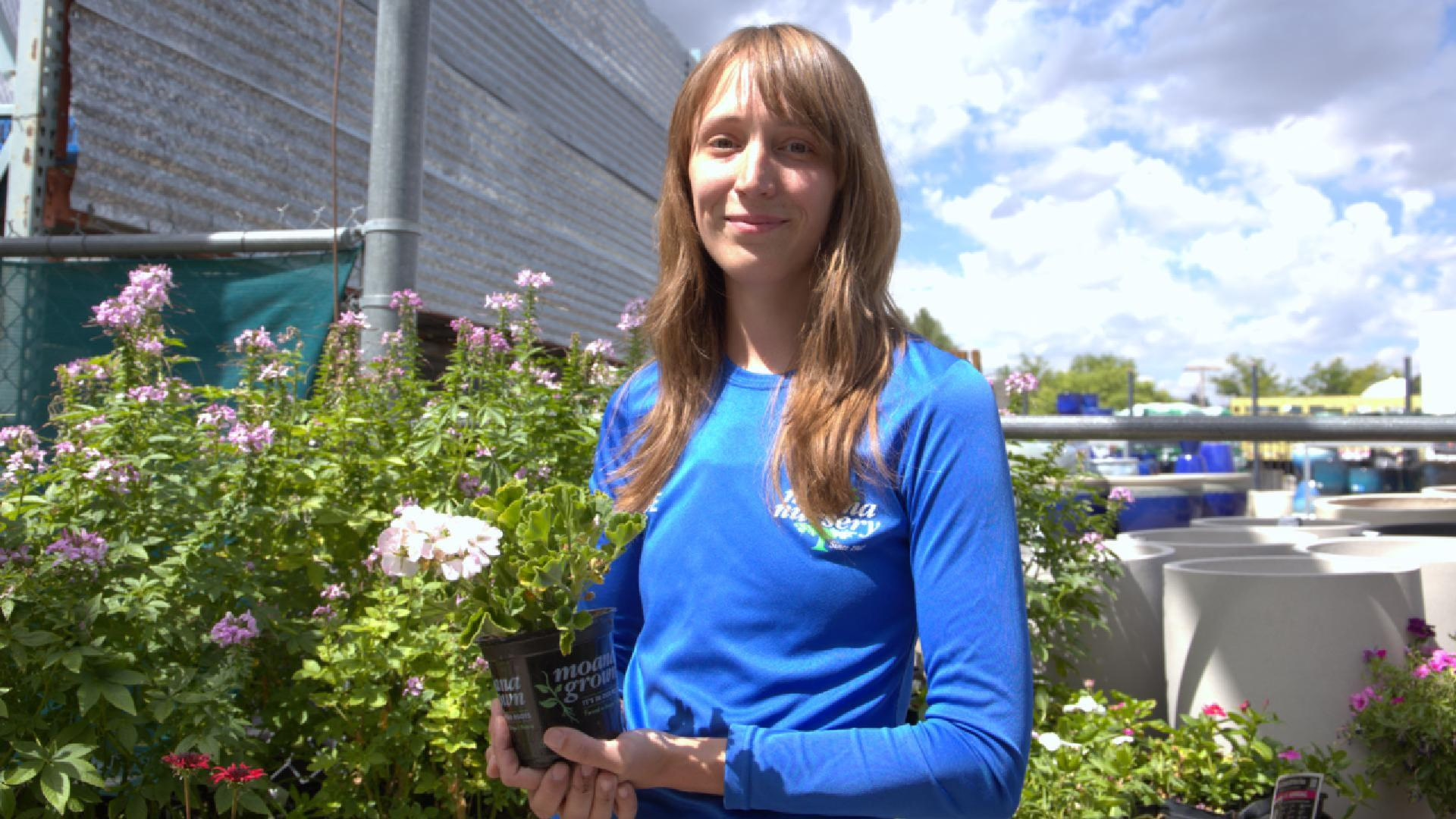
Summer in Reno can be tough on a garden. The good news is that most summer stress can be managed with a few consistent habits. Small adjustments can keep your garden growing, flowering and thriving through the hottest part of the season and into fall.
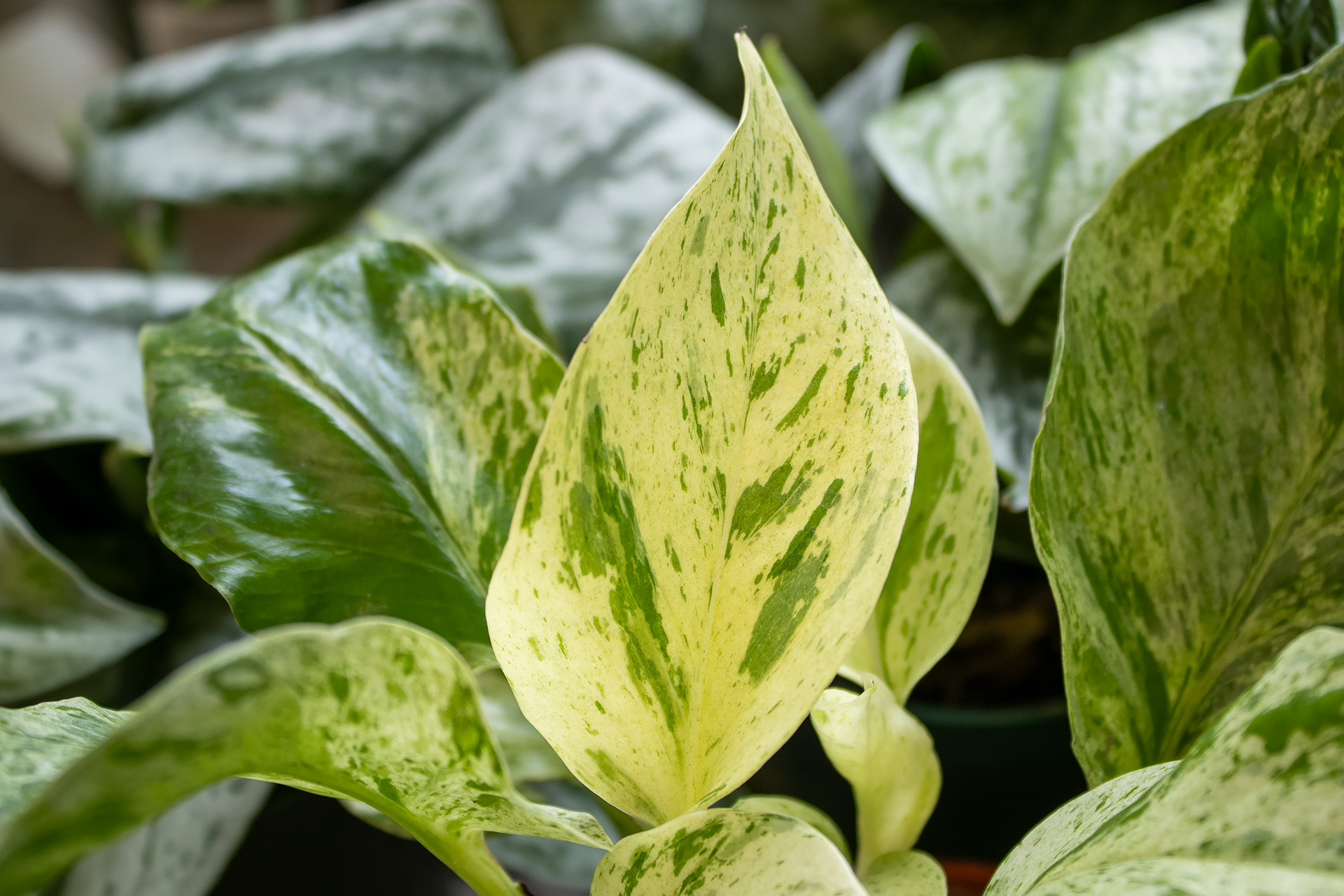
Walk through any houseplant collection and chances are your eyes will be drawn to the plants splashed with creamy whites, soft yellows, silvery streaks, pink blushes, or marbled patterns. These striking markings are known as variegation, and they transform ordinary leaves into living works of art.