Share
How to Keep Your Reno Garden Thriving Through the Heat of Summer
Summer in Reno can be tough on a garden. Intense sun, low humidity, drying winds and reflected heat from walls and pavement can pull moisture from plants faster than their roots can replace it. And with our challenging high desert soils, even a well-planned landscape may need extra attention during a heat wave.
The good news is that most summer stress can be managed with a few consistent habits. Protect the soil, water thoroughly, feed wisely and check your plants often. Small adjustments can keep your garden growing, flowering and thriving through the hottest part of the season.
Start with the soil: mulch generously
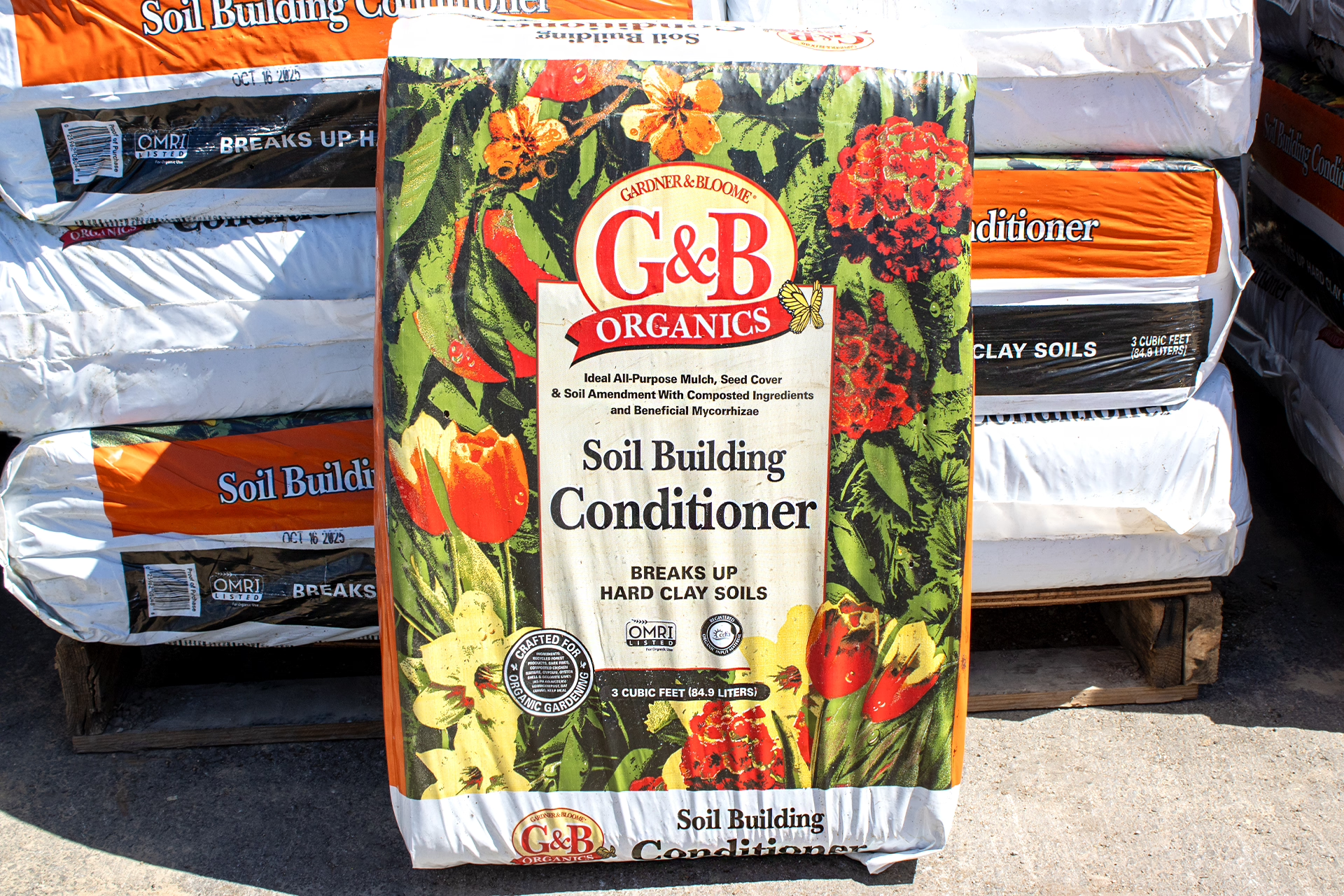
One of the best things you can do for a high desert garden is cover bare soil with an organic mulch such as Soil Building Conditioner. A 2 – 3 inch layer helps shade the root zone, slow evaporation, moderate soil temperature and reduce weeds that compete with your plants for water. As the material breaks down, it also adds organic matter to the soil and supports better soil structure over time.
Spread Soil Building Conditioner beneath the plant canopy and across the root zone, but leave a few inches of breathing room around trunks, crowns, and main stems. Piling mulch directly against a plant can trap moisture where it is not wanted and cause rot or pest problems.
Check the depth several times during the season. Organic material settles and decomposes, so thin areas may need to be refreshed. After mulching, make sure your irrigation runs long enough for water to travel through the mulch and into the soil below. Wet mulch over dry soil does not help the roots.
Water the root zone, not just the surface
Effective summer watering is less about following a rigid calendar and more about learning how quickly each part of your garden dries. Trees, shrubs, vegetables, annual flowers and containers do not all need water at the same interval. New plantings and pots usually dry much faster than established landscape plants.
Water early in the morning whenever possible. Apply water slowly and deeply at the base of the plant so it soaks into the active root zone instead of running across the surface. Drip irrigation and soaker hoses are especially useful because they place water where plants can use it while limiting evaporation.
Do not assume the irrigation system is doing its job simply because the timer turned on. During hot weather, check each zone regularly and look for clogged emitters, split tubing, blocked spray heads, leaks or emitters that have shifted away from the root ball. A single plugged emitter can cause one plant to wilt while everything around it looks fine.
Use a finger, trowel or moisture meter to check moisture below the surface. If the soil is dry a few inches down, it may be time to water. If it is still cool and moist, wait and check again later.
When an irrigation cycle is not reaching deeply enough, increase the run time or split the watering into two shorter cycles with a soaking period between them. If the soil is drying sooner during extreme heat, increase watering frequency as needed, but always confirm moisture first so you do not turn heat stress into root rot.
Skip midday overhead watering
Avoid top watering in the middle of the day. Reno’s intense midday sun and dry air can evaporate a surprising amount of water before it reaches the root zone, and wet foliage may develop mineral spotting or damage on sensitive leaves. Water droplets are not guaranteed to scorch every leaf, but overhead watering at peak heat is still an inefficient way to relieve a thirsty plant.
If overhead watering is your only option, use it early in the morning so the leaves can dry and the water has time to soak into the soil.
When a plant wilts on a hot afternoon, check the soil before reaching for the hose. Some plants wilt temporarily to conserve moisture and recover in the evening. A plant that is still wilted the following morning, however, needs immediate attention.
Build the soil with free Moana Made Compost Tea
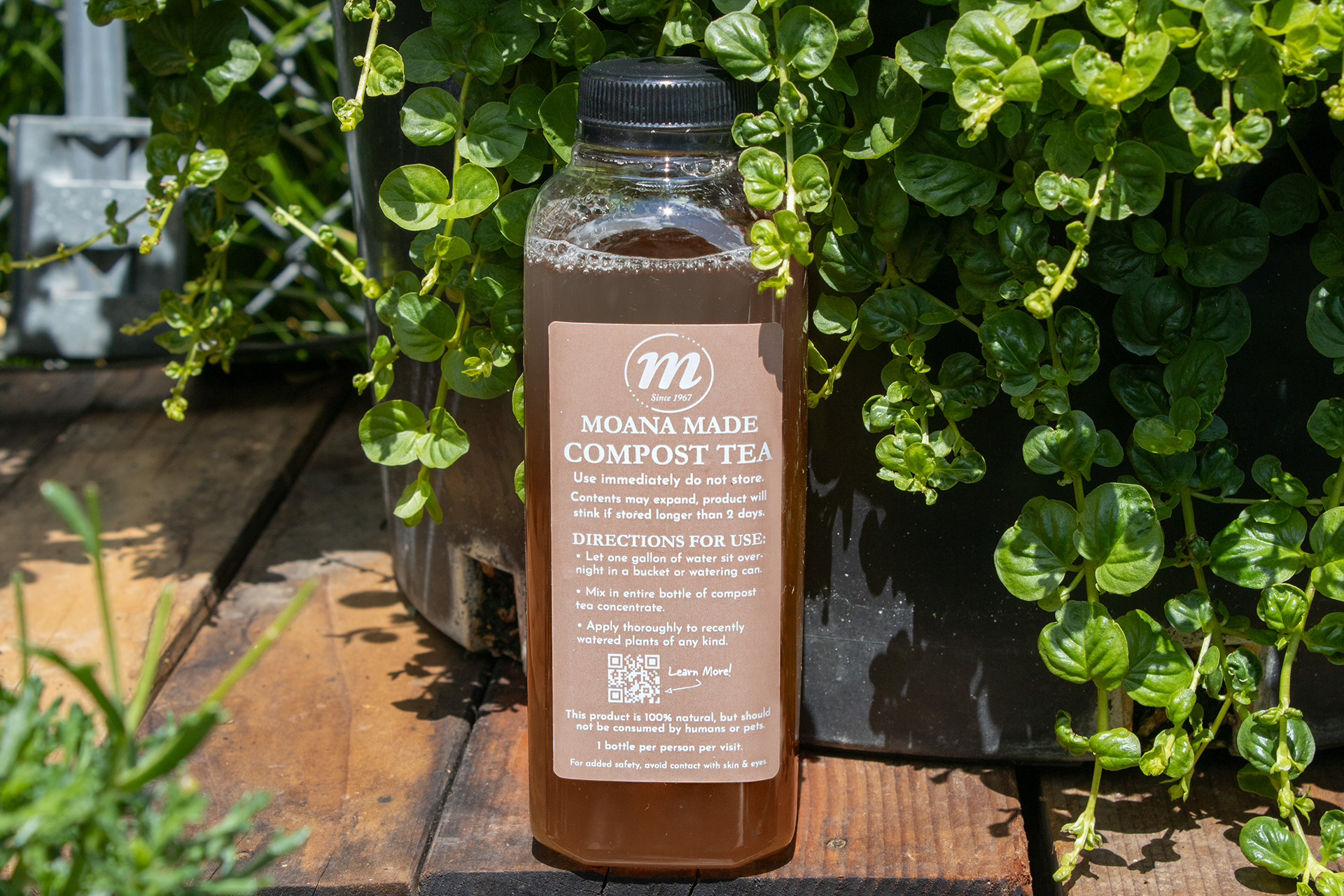
Healthy plants begin with living, well-supported soil. Moana Made Compost Tea adds beneficial microbes, mycorrhizae, amino acids and other nutrients that support the soil around plant roots and help plants make better use of available nutrients.
Stop by any Moana Nursery location from March through October for a free bottle of freshly brewed Moana Made Compost Tea, no purchase necessary, and return for complimentary refills throughout the season.
Use the tea according to the instructions provided with your bottle. When diluting, be sure to use dechlorinated water. Filtered water works, or you can let chlorinated tap water stand uncovered for at least 24 hours before mixing. Chlorine kills mycorrhizae, so skipping this step will remove most added value of the compost tea.
Think of compost tea as part of a soil-care routine rather than a complete replacement for fertilizer. Regular applications support the soil, while fertilizer supplies a more predictable dose of the nutrients plants need for healthy growth.
Pair compost tea with Moana Made fertilizer
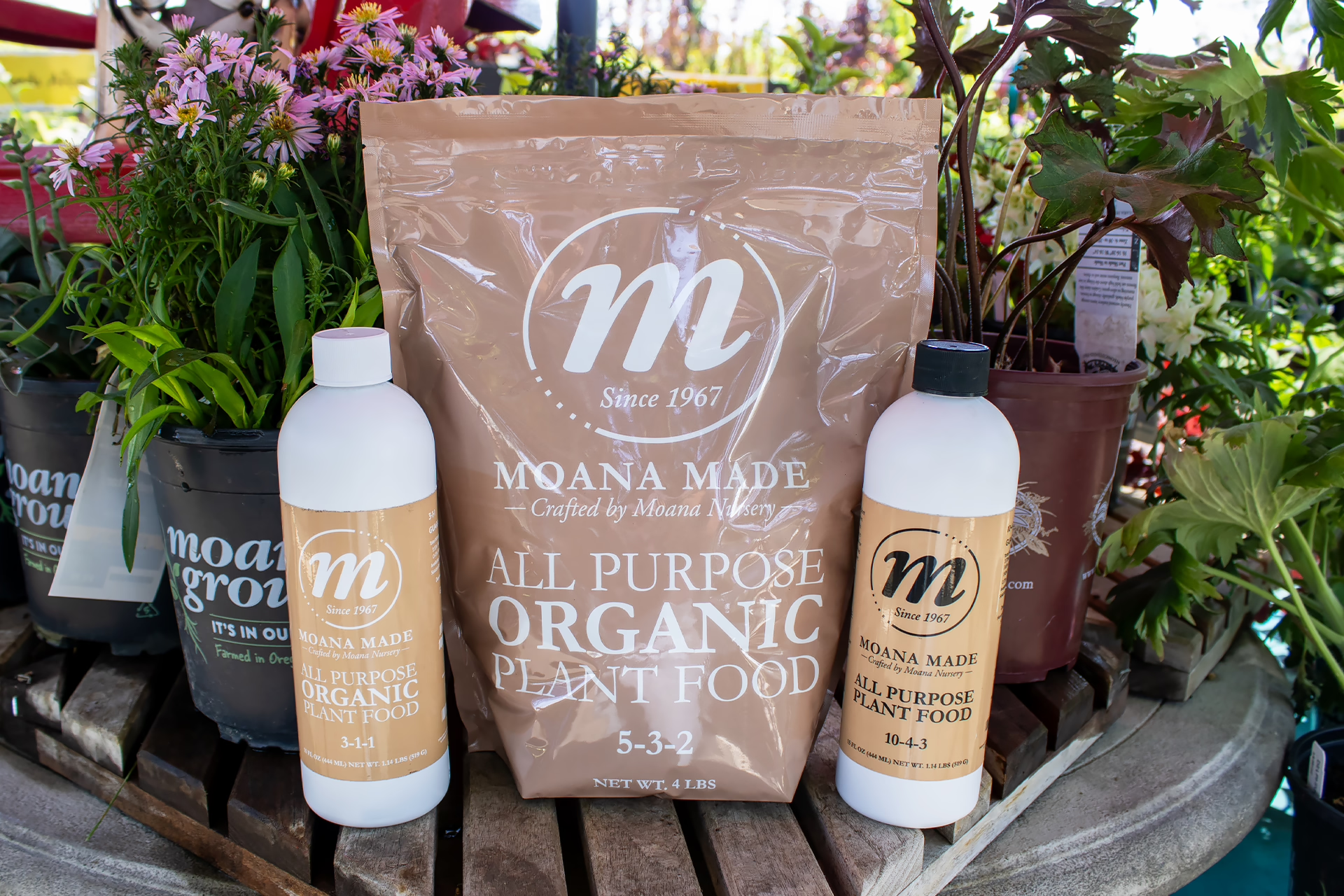
For a strong root-to-leaf routine, pair Moana Made Compost Tea with regular applications of Moana Made fertilizer. Choose the formula that fits your gardening approach and apply it at the label rate and interval.
Never apply fertilizer to bone-dry soil or a severely wilted plant. Water first, allow the plant to rehydrate and feed when it is actively growing again. Moana Made soils are derived from nature and when used regularly they are very effective, they also have almost no risk of over-use, so if you prefer pouring over measuring, these plant foods are right for you!
Compost tea supports the soil, fertilizer supplies dependable nutrition and consistent irrigation helps the plant use both.
Create temporary afternoon shade
Even plants that say the love ‘full sun’ can struggle when temperatures spike, particularly if they were planted recently or are growing in containers. Temporary afternoon shade can lower leaf and soil temperatures enough to help them recover.
Patio umbrellas, shade sails and securely anchored shade cloth are all useful short-term tools. Position the shade to block the harshest late-day sun while preserving morning light and air movement.
Do not drape plastic or heavy fabric directly over foliage. It can trap heat and cause more damage. Reno’s gusty winds can also turn an umbrella or shade sail into a hazard, so anchor every shade structure securely.
If a plant needs emergency shade every summer, make a note to move it during the appropriate transplanting season or replace it with a variety better suited to that exposure.
Watch for reflected heat around containers
Container plants need special attention because their roots are surrounded by a relatively small volume of soil that can heat and dry quickly.
A pot sitting beside a south- or west-facing wall, window, metal fence, stucco surface or glass door may receive direct sun plus reflected light and radiant heat. The temperature around the plant can be dramatically higher than the weather report suggests.
Move vulnerable containers away from reflective walls and windows during heat waves, or place them where they receive morning sun and afternoon shade. Larger, light-colored pots usually stay cooler and hold moisture longer than small, dark containers.
Check pots at least once a day in hot weather, and twice a day during extreme heat or wind. Some small hanging baskets and thirsty annuals may need morning and late-afternoon watering, but containers should still drain freely and should not sit in stagnant water.
Grouping pots can reduce exposure but be sure to leave enough space for airflow. A layer of Soil Building Conditioner on top of the potting mix can also slow moisture loss. Keep it clear of the plant’s crown and stems.
Prune as needed, but do not overdo it
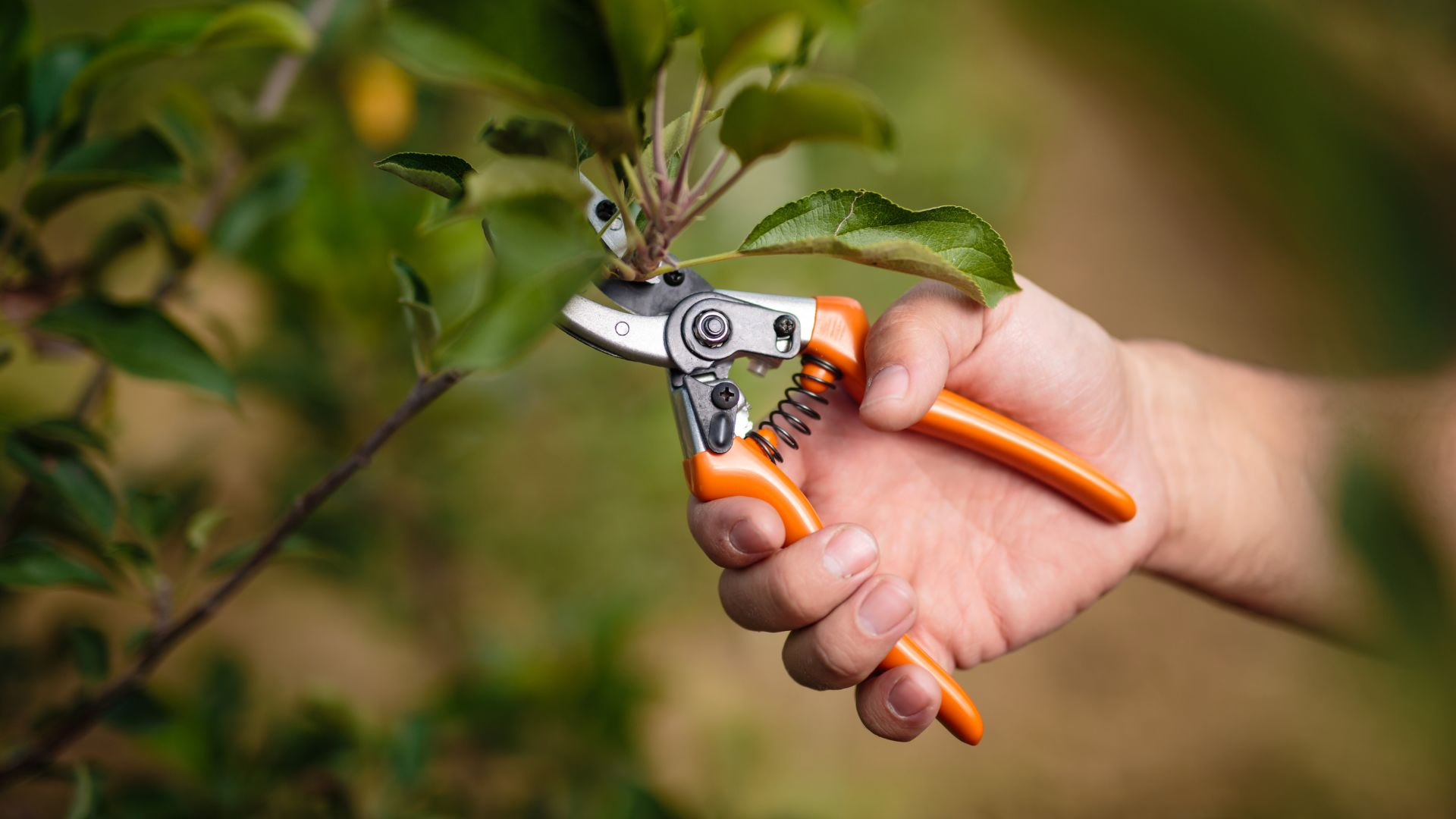
Remove dead, broken or diseased growth as you notice it. Deadhead flowering plants when appropriate to reduce the energy spent on seed production. Selective pruning can improve airflow and help you spot pests early.
Avoid aggressive pruning or shearing during a heat wave. A plant’s existing canopy shades its stems, branches, and root zone. Removing too much foliage suddenly can expose previously protected tissue to sunburn and increase stress.
Save major reshaping for the proper season for that plant. Always use clean, sharp tools, and sanitize the blades when moving between diseased plants.
Learn the early signs of heat stress
A quick daily walk through the garden is one of the most useful summer habits. Look for:
- Leaves that remain wilted in the morning
- Curling, cupping, crispy edges or bleached patches
- Premature yellowing or leaf drop
- Bud, blossom or young-fruit drop
- Dry soil pulling away from the side of a container
- Pale, stippled or dusty-looking leaves, which can signal pests or fungus
- A sour smell, persistently soggy soil or yellowing lower leaves, which may indicate overwatering
- One stressed plant in an otherwise healthy irrigation zone, which often points to a blocked or misplaced emitter
Before adding more water, check the soil and irrigation system. Drought stress, root damage, fertilizer burn and waterlogged soil can produce similar symptoms. Correct diagnosis matters.
A simple high-desert heat-wave routine
When the forecast calls for several very hot days:
- Water deeply in the morning before the hottest weather arrives.
- Check mulch depth and cover exposed soil with Soil Building Conditioner.
- Inspect every irrigation zone and emitter.
- Move containers away from reflective walls, windows and hot pavement.
- Add securely anchored afternoon shade for sensitive plants.
- Check soil moisture daily and increase watering frequency only where needed.
- Hold off on major pruning, transplanting and heavy fertilizing until severely stressed plants recover.
- Watch closely for spider mites and other pests that multiply quickly in hot, dusty conditions.
- Pull weeds before they steal moisture and nutrients from your garden.
- Continue Moana Made Compost Tea and fertilizer on a sensible, label-directed schedule once plants are hydrated and actively growing.
Reno’s high desert summer is demanding, but it does not have to bring your garden to a standstill. A cool, mulched root zone; deep and responsive watering; steady soil support from Moana Made Compost Tea; regular, properly measured fertilizer; thoughtful pruning; and temporary protection from reflected heat can carry plants through the toughest weeks.
Pay attention, adjust early and let the condition of the soil, not just the temperature on the weather report, guide your next move.
Share
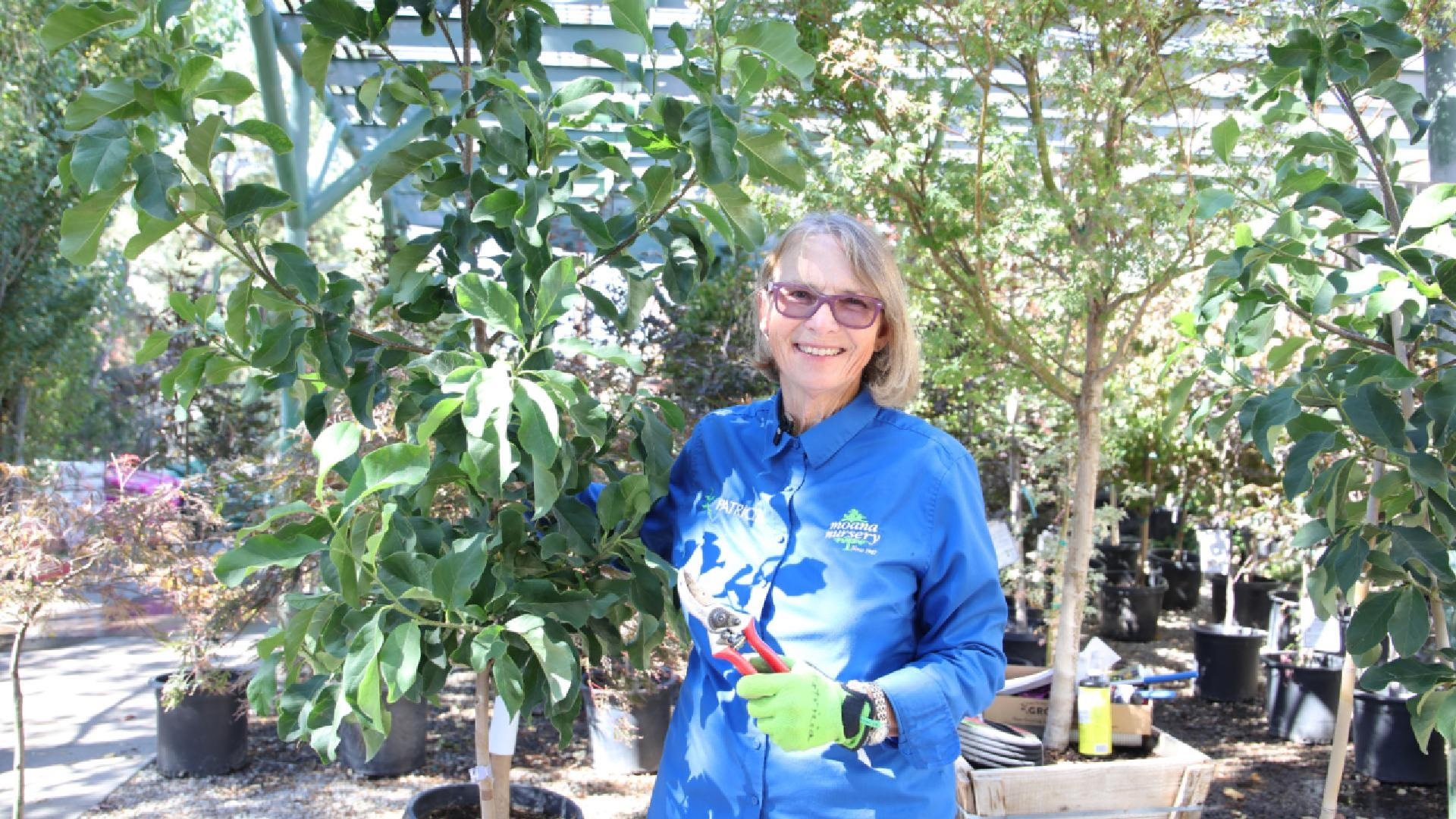
Pruning in fall is important for the health of your trees and shrubs. It might seem complicated, but we’ll make it much simpler to understand!
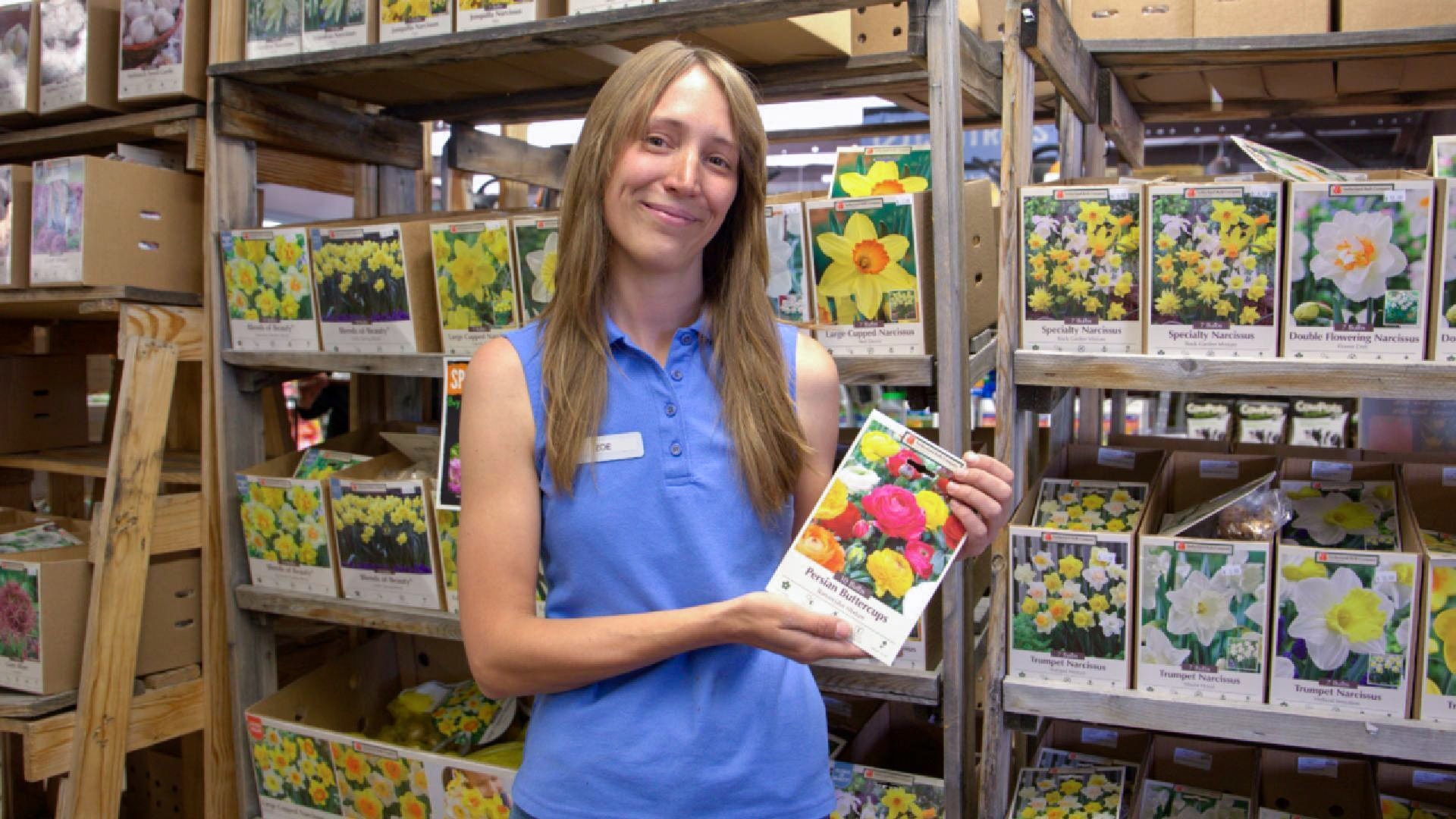
October is the perfect time to be planting your spring blooming bulbs. Planting now gives your bulbs time to grow nice strong roots before they bloom in the spring. Let’s get started!
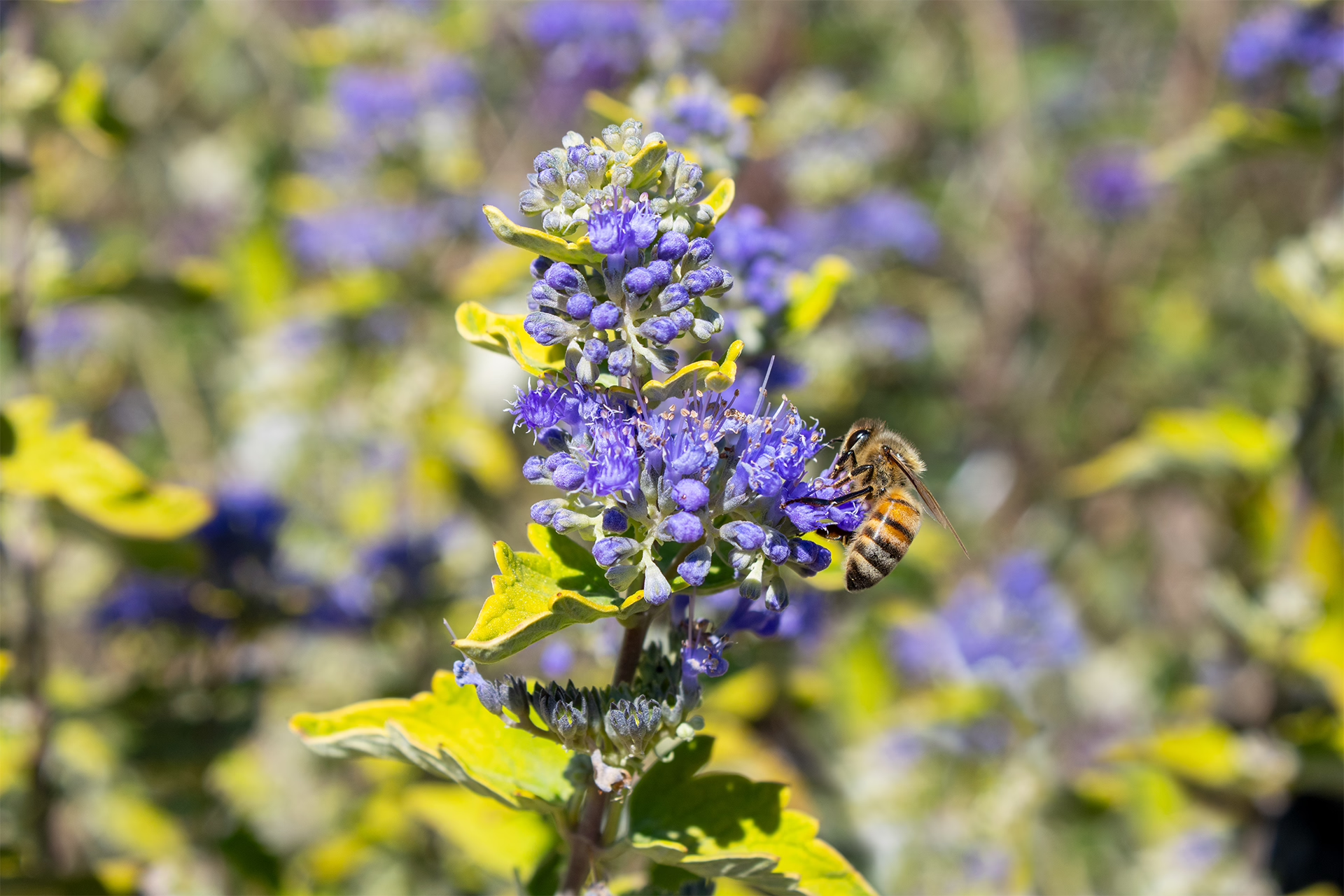
High desert gardeners ask a lot of their plants. A successful shrub must tolerate intense sunlight, dry air, temperature swings, alkaline soil and winter cold, while still bringing color and life to the landscape. Caryopteris meets that challenge beautifully.
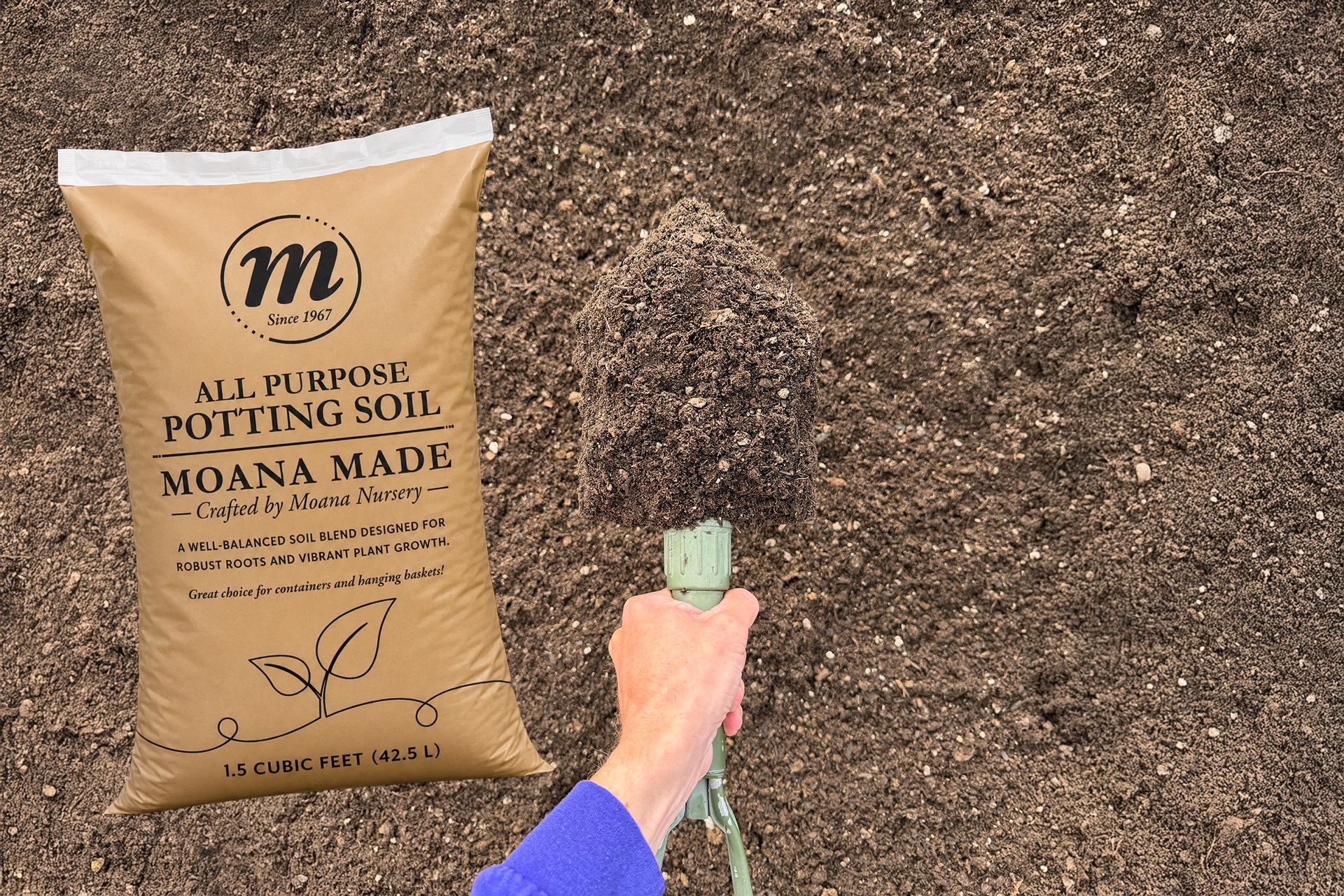
Moana Made All Purpose Potting Soil, a thoughtfully balanced growing blend crafted by Moana Nursery in partnership with Full Circle Compost. More than a product available at our garden centers, Moana Made is the same trusted blend we use at our local farm to grow Moana Grown plants.