Share
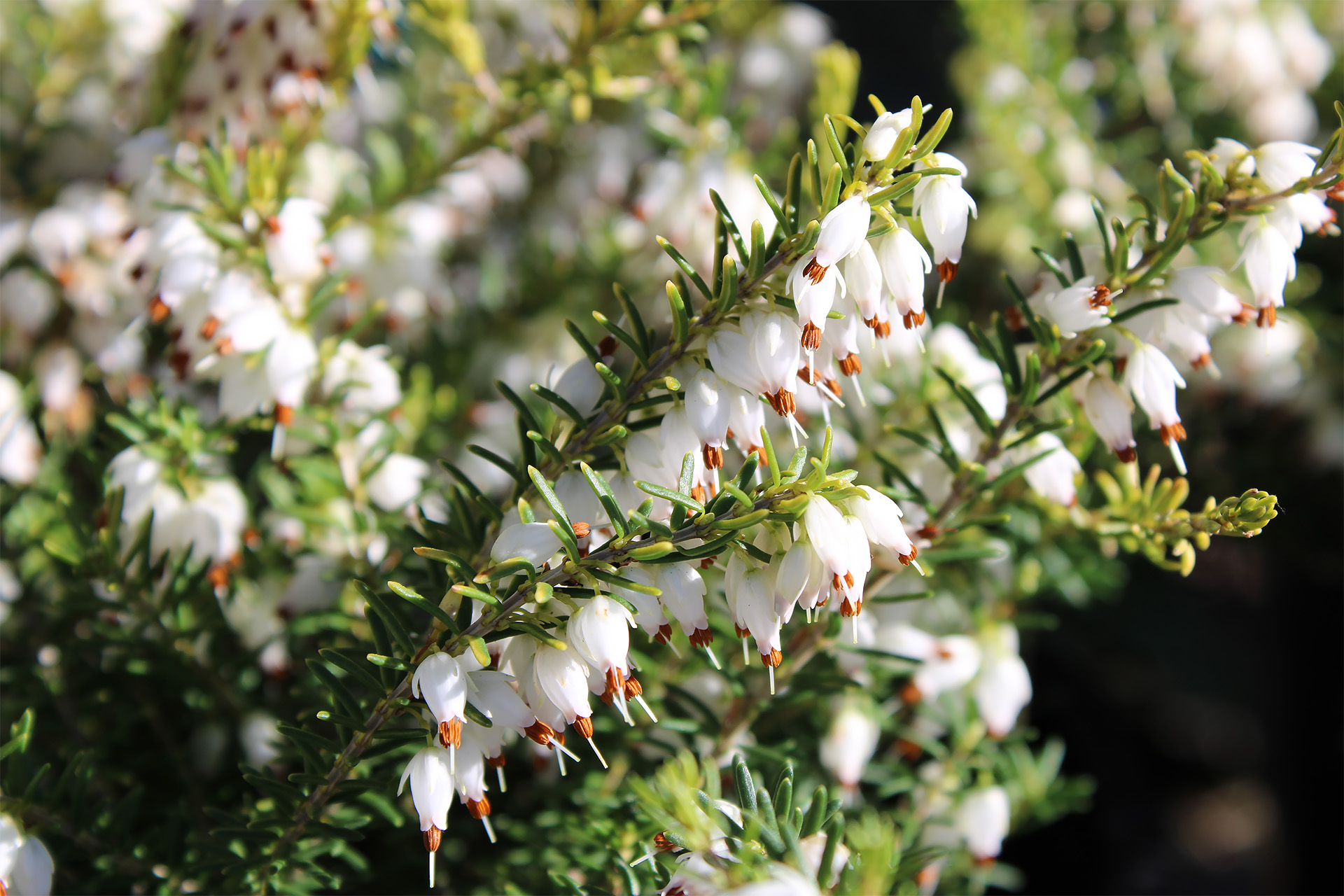
Winter-Blooming Heath (Erica): A cold-hardy “hidden gem” for early color in the high desert
If you crave color when the rest of the garden is still half-asleep, winter-blooming heaths (often sold as winter heath, spring heath, or botanically ‘Erica’) are one of the best-kept secrets in cold-climate gardening. These evergreen plants bloom when most landscapes are still dormant, often starting in midwinter and carrying color well into spring. In the Reno high desert, that timing alone makes them invaluable. Add to that their impressive cold hardiness, and it’s easy to see why Erica deserves more attention as a true hidden gem!
Winter-blooming heaths are typically rated hardy to USDA Zone 5, meaning they can tolerate temperatures down to about –10°F. While that sounds extreme, those lows are rarely reached in the Reno area. Because of this, Erica performs extremely well here, offering reliable winter structure and flowers without the stress that less hardy plants often experience. Although they are sometimes labeled as perennials, they are also frequently described as perennial shrubs due to their woody base and tidy, shrub-like growth habit.
In terms of form, Erica plants are generally low-growing and spreading, forming dense mats or gently mounded shapes over time. Some varieties hug the ground and work beautifully as evergreen groundcovers, while others grow slightly taller and fuller, making them useful as small shrubs at the front of beds or along pathways. Regardless of variety, they provide year-round interest thanks to their fine, needle-like foliage, which remains attractive even when the plants are not in bloom.
What truly sets winter heath apart is its bloom cycle. Depending on the variety and winter conditions, flowering can begin as early as December and continue through March or even into April and May. In a high desert climate where spring color can feel delayed, Erica fills that gap perfectly. These early blooms bring life to the garden at a time when very little else is flowering, making them especially valuable for gardeners who want seasonal continuity rather than long stretches of visual dormancy.
Another important benefit of winter-blooming heath is its early-season value to our pollinators, especially bees. When Erica begins flowering there are few other nectar sources available, making these blooms a critical lifeline. On mild winter days or during those first warm spells of spring, bees emerge in search of food, and winter heath is often one of the only plants ready to meet that need. The flowers are produced in abundance and over a long period, providing consistent nectar and pollen at a time when pollinators are vulnerable and resources are scarce. In a high desert garden, planting winter-blooming heath isn’t just about adding early color, it’s a simple, meaningful way to support local bee populations when they need it most.
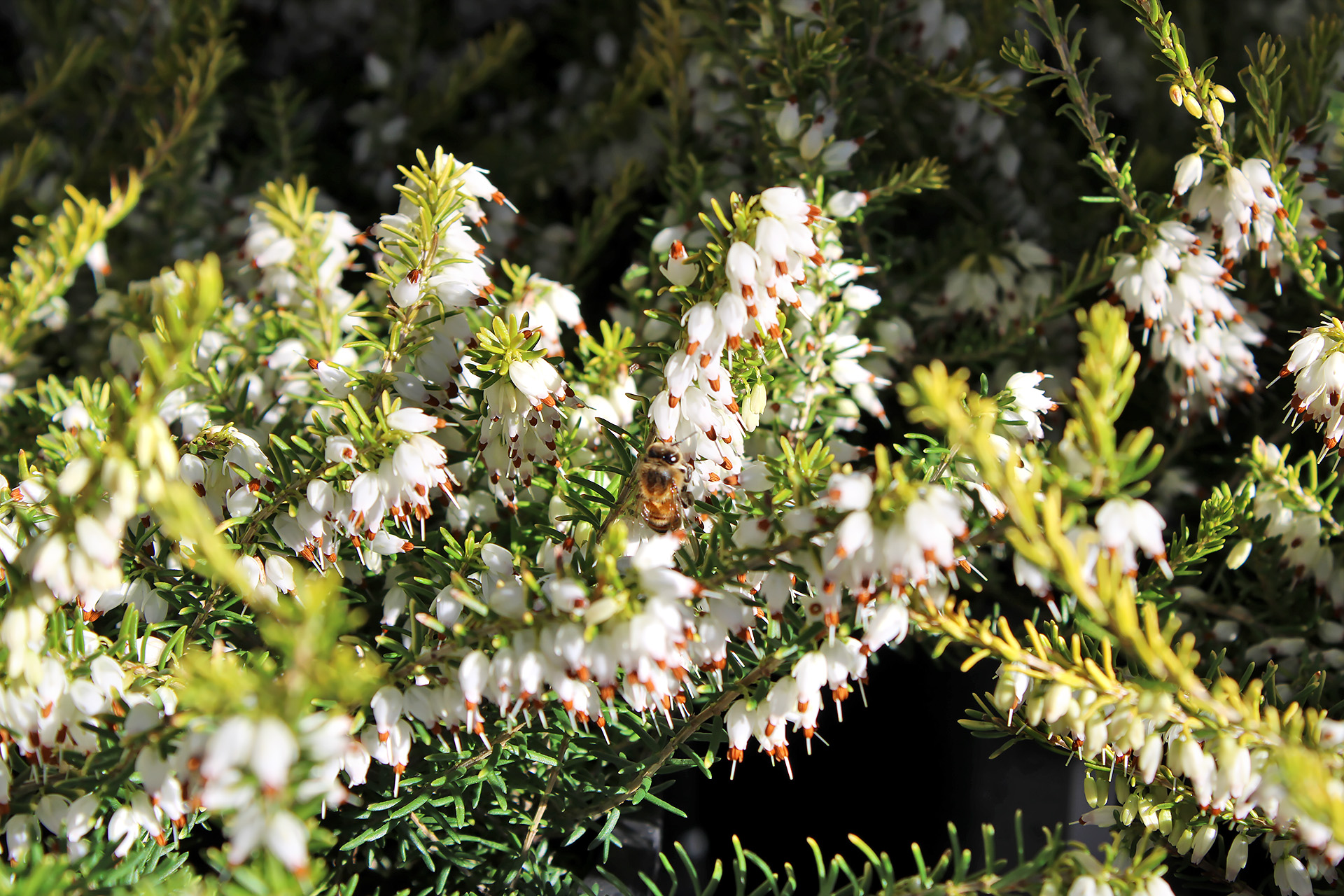
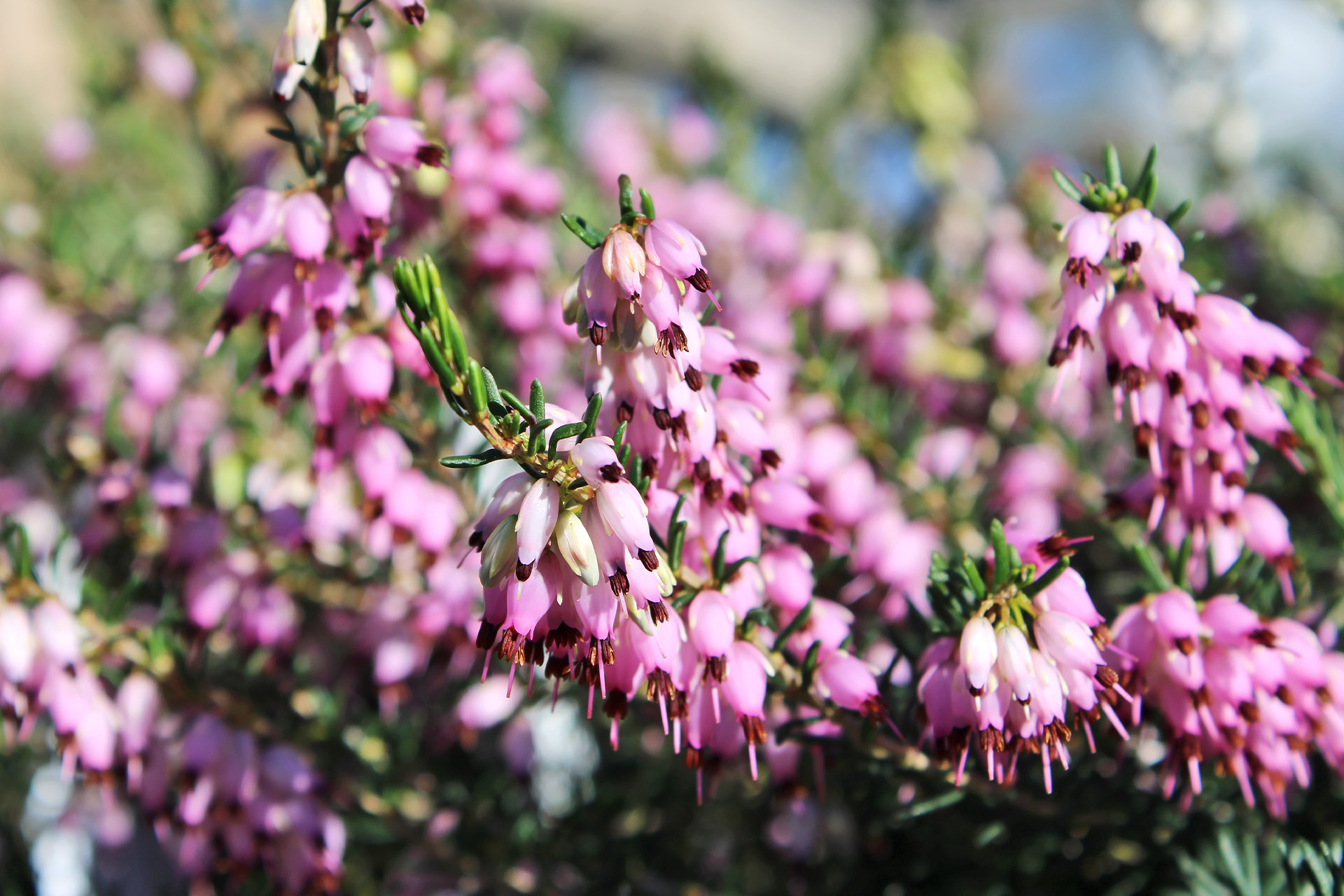
Several standout varieties illustrate the range and versatility of winter-blooming heath. ‘Golden Starlet’ is prized as much for its foliage as its flowers, featuring golden-yellow needles that brighten the garden even before its white blooms appear. ‘Porter’s Red’ is a classic selection known for its rich magenta-red flowers and long bloom season, spreading low and wide to create ribbons of winter color. ‘Rosalie’ offers vivid pink to rose-pink flowers and a dependable evergreen form that works well in both mass plantings and smaller garden spaces.
‘Springwood Pink’ is one of the most widely used winter heaths, valued for its low, trailing habit and soft pink flowers that typically appear from midwinter into early spring. For gardeners wanting a slightly larger plant with extended flowering, ‘Darley Dale’ is an excellent option. This variety, part of the Erica × darleyensis group, is known for its vigor and exceptionally long bloom window that can stretch from late fall well into spring. ‘White Perfection’, another darleyensis variety, produces clean white flowers that stand out beautifully against dark winter soil and pair well with pink and red cultivars for contrast.
Successfully growing Erica in the Reno high desert comes down to a few key considerations, with drainage being the most important. Winter heath does not like soggy soil, especially during cold weather. Raised beds, berms, or rock-garden-style plantings are ideal, as they allow excess moisture to drain away from the roots. Soil chemistry also matters. Erica generally prefers acidic to neutral soil, which can be a challenge in an area like ours known for alkaline conditions. Amending planting areas with organic matter such as Soil Building Conditioner or Acid Planting Mix can go a long way toward improving long-term performance.
Sun exposure is another factor to keep in mind. Winter heath blooms best with plenty of light, but in the high desert, winter wind and sun together can cause drying stress. Planting Erica where it receives some protection from high winds like near a wall, fence, or other structure helps prevent winter stress and keeps foliage looking fresh. While established plants are relatively drought-tolerant, consistent watering during the first year is essential, and even mature plants benefit from occasional winter watering during extended dry spells.
Care and maintenance are refreshingly simple. After flowering finishes in spring, a light trim helps keep them compact and encourages fresh growth, but heavy pruning into old wood should be avoided. Fertilizing is not always necessary, though a gentle, acid-friendly fertilizer in spring can help if growth appears weak. A thin organic mulch, like Soil Building Conditioner can also help moderate soil temperature and conserve moisture, both of which are especially helpful in high desert conditions.
From a design perspective, Erica works beautifully in rock gardens, along pathways, and at the front of borders. It pairs well with early bulbs, dwarf conifers, and ornamental grasses, creating layered interest from winter through spring. Massing several varieties together, like combining white, pink, and red blooms, can create a striking effect, even in the coldest months of the year.
Overall, winter-blooming heath offers something rare: dependable, early-season color that thrives in cold climates without demanding constant attention. For High Desert gardeners looking to extend their bloom season, add evergreen structure, and discover a truly cold-hardy plant that still feels special, Erica is an outstanding, and often overlooked, choice.
Share

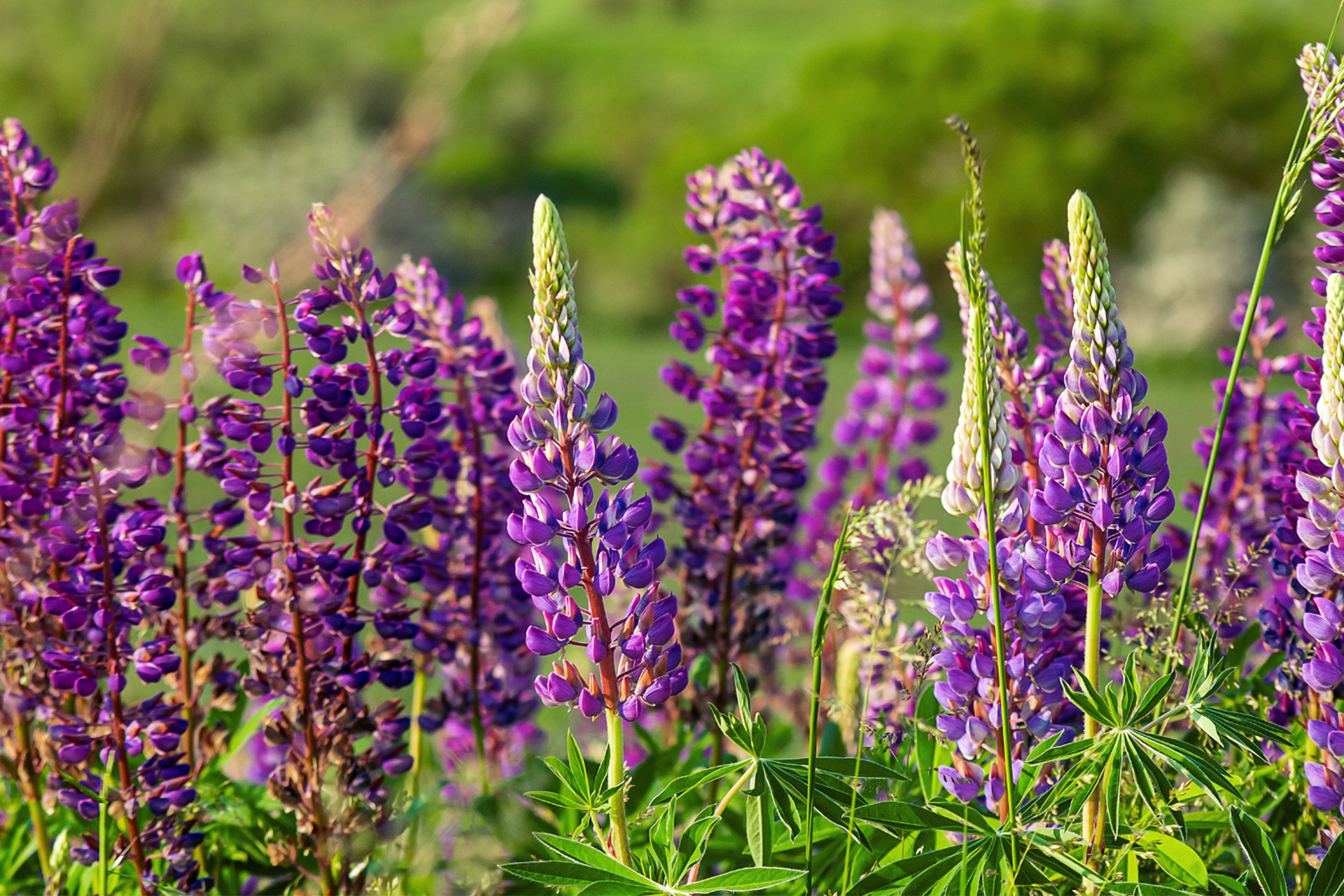
One of the most effective ways to create a successful, low-maintenance landscape in this region is to use native plants or native-derived varieties that are already adapted to the Great Basin environment.
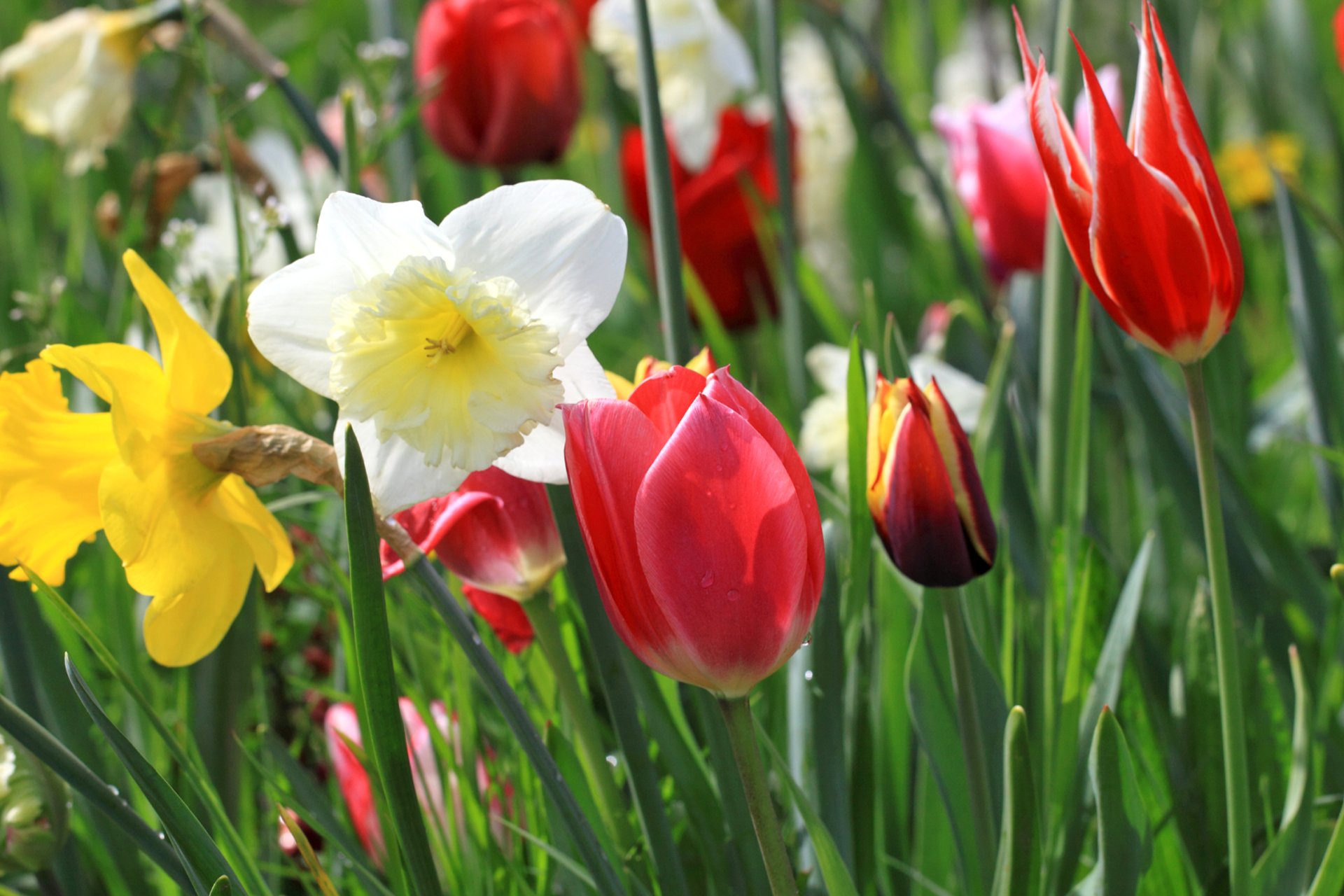
Introducing our Bloom With Me Bulbs: a hand-planted, ready-to-grow collection of spring-blooming bulbs designed to bring long-lasting color, ease, and a little daily delight into your life.
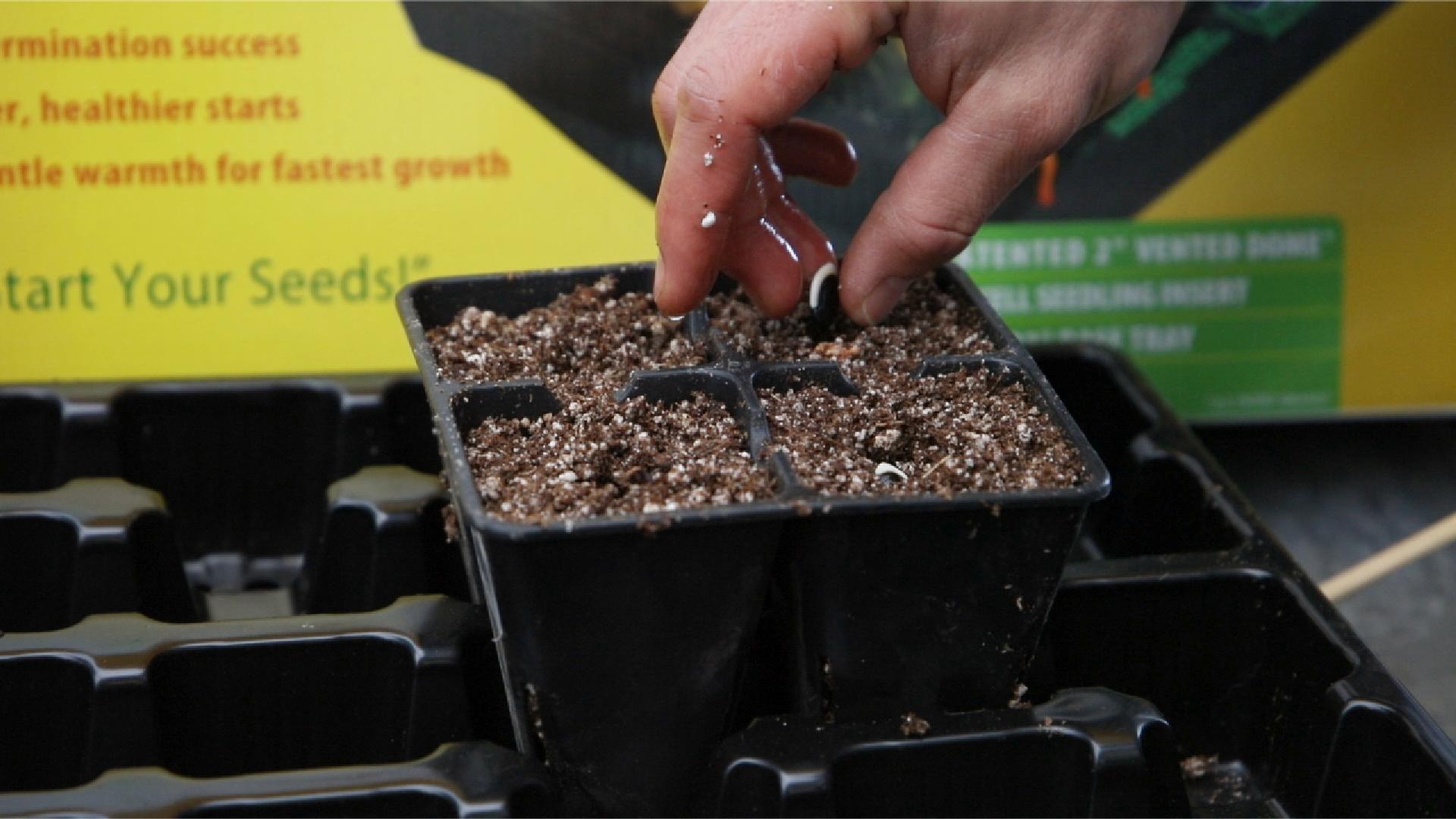
Starting seeds indoors allows gardeners to work around these challenges by giving plants a strong, controlled beginning.
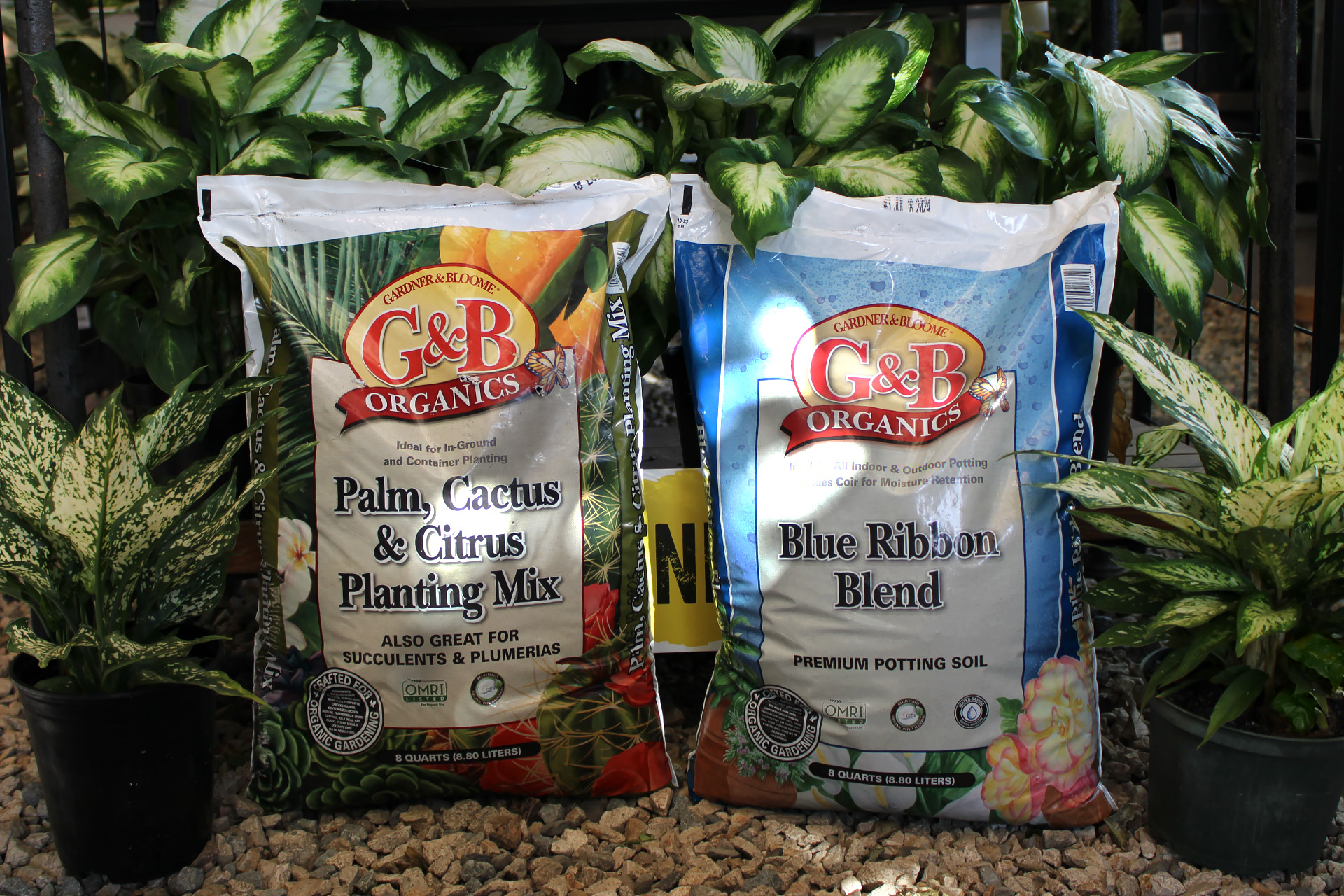
The soil you choose determines how well your plant’s roots can breathe, how water drains or is retained, and how nutrients become available.