Share
The Secret to Thriving Houseplants: Understanding Soil & How It Shapes Plant Success
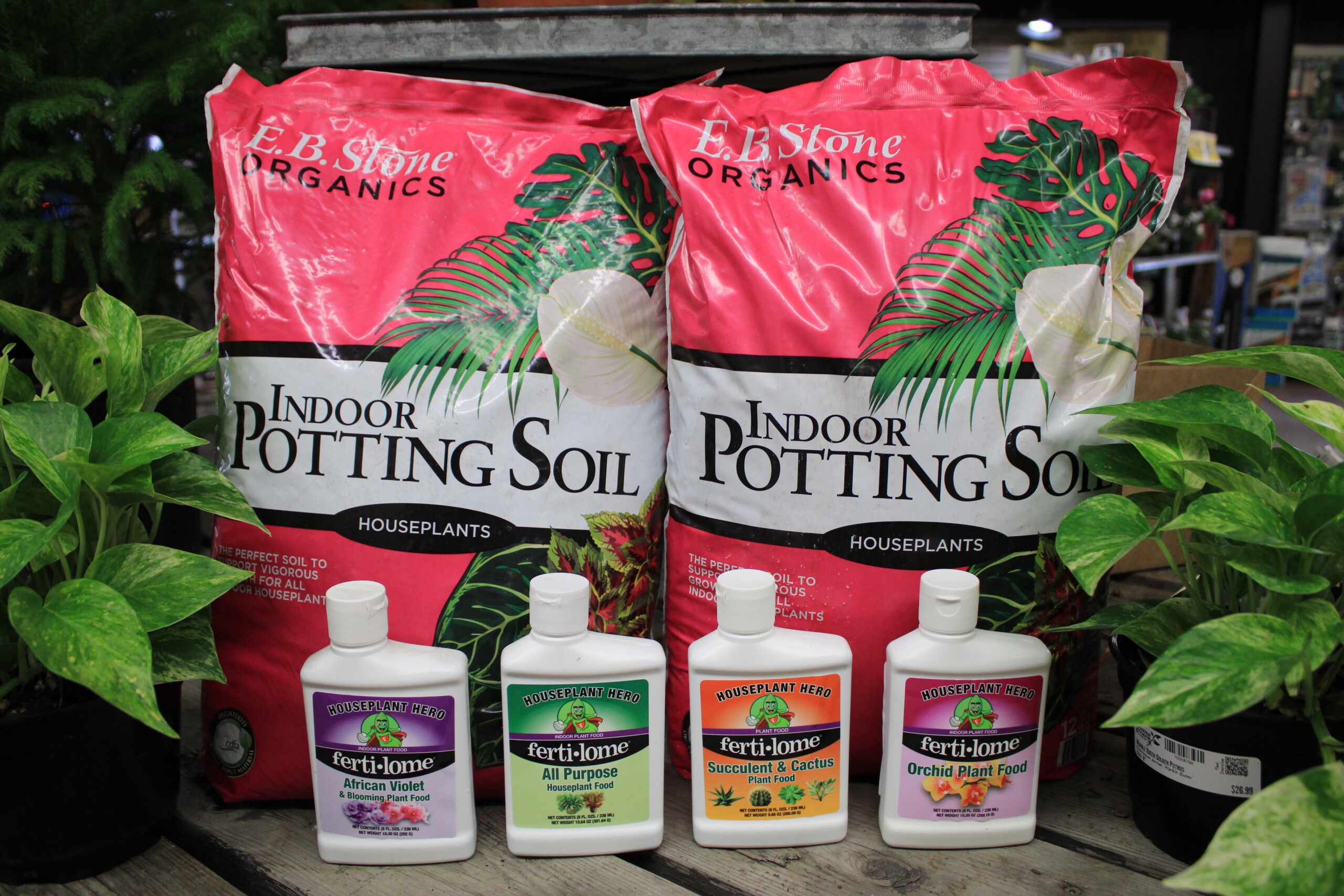
Healthy houseplants begin with choosing the right soil. The soil you choose determines how well your plant’s roots can breathe, how efficiently water drains or is retained, and how nutrients become available. Because indoor plants come from a wide range of natural habitats, the soil that works beautifully for one species can be completely wrong for another. At Moana Nursery, a great universal starting point is E.B. Stone Indoor Potting Soil, a balanced and high-quality base. From there, you can tailor the mix with amendments like perlite, orchid bark, sand, pumice, or lava rock to create the exact conditions your plant needs.
Soil affects plant success in four major ways: aeration, drainage, moisture retention, and nutrient delivery. Roots require oxygen to function, and soil that is too dense can suffocate them, while soil that is too loose may dry out too quickly. Some plants, such as calatheas and peace lilies, evolved in rainforest understories where soil stays consistently damp. Others, like succulents or orchids, come from environments where water runs off immediately or where roots cling to bark rather than sitting in soil at all. By understanding these natural habitats, you can recreate ideal conditions right inside your home.
Many popular houseplants fall into the tropical aroid category, including philodendrons, monsteras, pothos, ZZ plants, and anthuriums. These plants originate from forest floors and climbing environments where roots wrap around decaying wood, leaf litter, and moss. They thrive in airy, chunky soil that holds some moisture but dries predictably. A basic blend of E.B. Stone Indoor Potting Soil combined with generous amounts of perlite or pumice and a substantial portion of orchid bark works beautifully, creating a loose, breathable structure that allows roots to expand without becoming waterlogged.
Orchids, unlike most houseplants, are true epiphytes. Their roots cling to tree branches and absorb moisture from the humid air rather than from soil. For these plants, a traditional potting mix is suffocating. They require a bark-based medium that mimics their natural environment. A combination of chunky orchid bark, a small amount of perlite or pumice, and a bit of sphagnum moss for light moisture retention provides the airflow orchids need to stay healthy and keep producing flowers.
Peace lilies, calatheas, alocasias, and ferns prefer a completely different world—one of rich, moisture-retentive soil similar to the rainforest floor. These plants thrive in denser blends that stay evenly moist without becoming swampy. Starting with E.B. Stone Indoor Potting Soil and enriching it with coco coir or peat moss helps maintain steady moisture levels, while a modest amount of perlite prevents the mix from compacting or turning anaerobic. Peace lilies in particular flourish when their soil dries only slightly between waterings, relying on that consistent moisture to fuel lush foliage and frequent blooms.
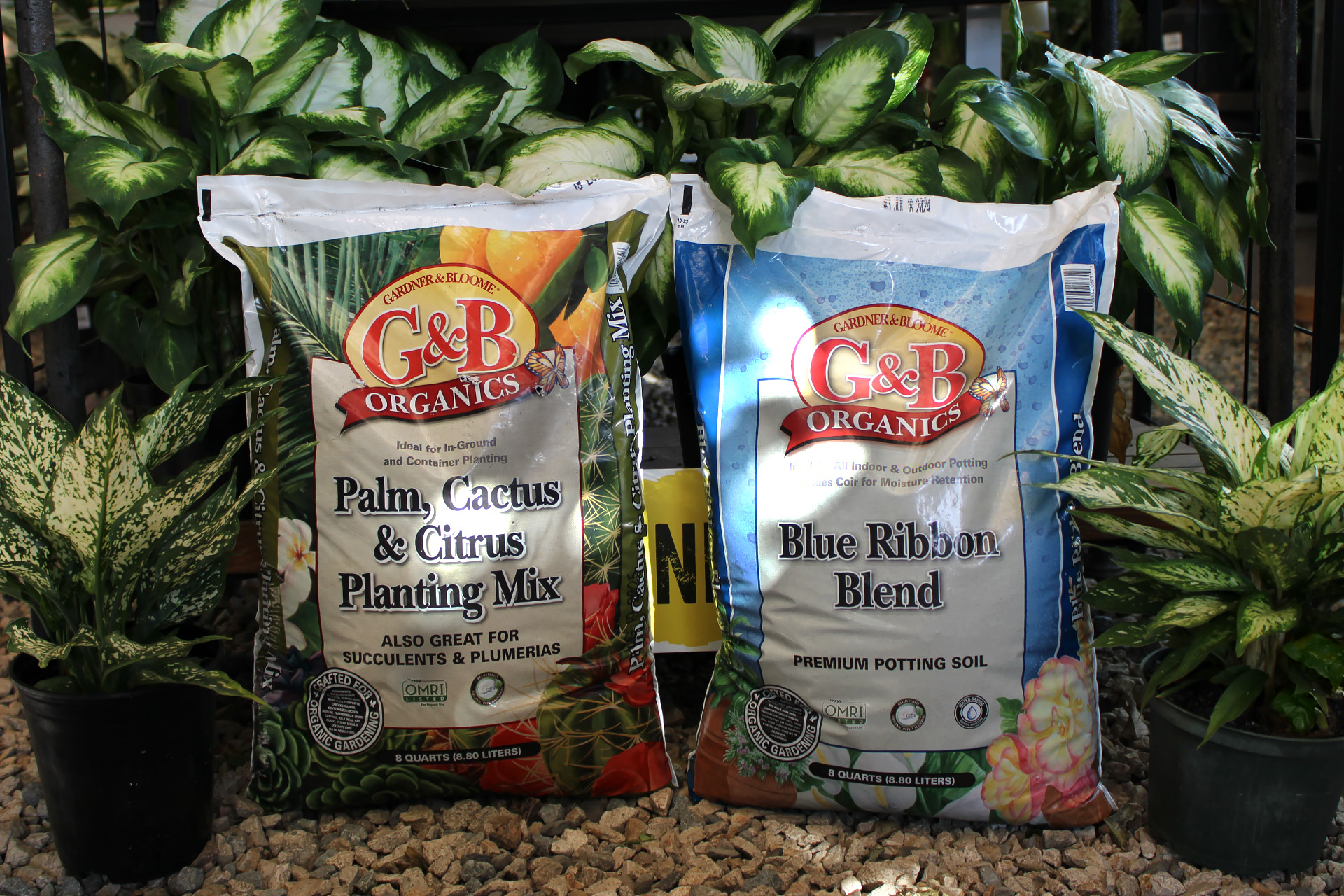
Succulents and cacti, on the other hand, evolved in environments where soil drains instantly and roots rarely encounter standing water. For these plants, a gritty, fast-drying mix is essential. You can achieve this by using a G&B Organics Palm Cactus & Citrus blend or by combining E.B. Stone Indoor Potting Soil with coarse horticultural sand and mineral amendments such as pumice, lava rock, or perlite. This type of soil prevents the prolonged dampness that leads to root rot, while encouraging strong, drought-tolerant root systems.
Ficus plants, including fiddle leaf figs, rubber plants, and weeping figs, appreciate a balanced soil that retains moisture yet drains efficiently. They grow best in a mix that remains structured over time, which can be achieved by blending the Indoor Potting Soil with a combination of perlite and bark or pumice. This keeps the soil from compacting while ensuring ficus roots receive both moisture and oxygen.
Hoyas, known for their waxy leaves and fragrant blooms, behave like semi-epiphytes. They prefer airy soils similar to aroids but with slightly less density. A mix of the Indoor Potting Soil with orchid bark, perlite, and a touch of coco coir supports both healthy roots and steady growth, while reducing the risk of rot, a common issue when hoyas are grown in overly heavy soil.
African violets and other delicate gesneriads require soft, fluffy soil that retains moisture but never becomes soggy. They thrive when their root systems are surrounded by a light, breathable mixture of potting soil, coir or peat, and perlite.
Snake plants and other drought-tolerant foliage species prefer something closer to a succulent mix—quick-draining and slightly mineral—but they can tolerate a bit more organic material. Adding sand or lava rock to the Indoor Potting Soil gives them the structure they need.

Soil amendments available at Moana Nursery make it easy to craft the perfect environment for each plant category. Perlite creates aeration and helps prevent compaction. Pumice and lava rock provide durable, long-lasting drainage and stimulate strong root growth. Orchid bark adds the chunkiness prized by aroids, hoyas, and orchids. Horticultural sand offers rapid drainage for desert species, while coco coir and peat moss improve moisture retention for rainforest plants. Even charcoal can play a role by freshening the soil and enhancing its structure.
Ultimately, understanding soil is one of the most powerful tools for plant success. When you match your soil mix to your plant’s natural habitat, you eliminate many of the most common indoor-plant problems, from root rot to stunted growth. Whether you’re potting a moisture-loving peace lily or a chunky-mix philodendron, tailoring your soil with the right amendments from Moana Nursery ensures your plants have exactly what they need to grow stronger, healthier, and more beautiful.
Share

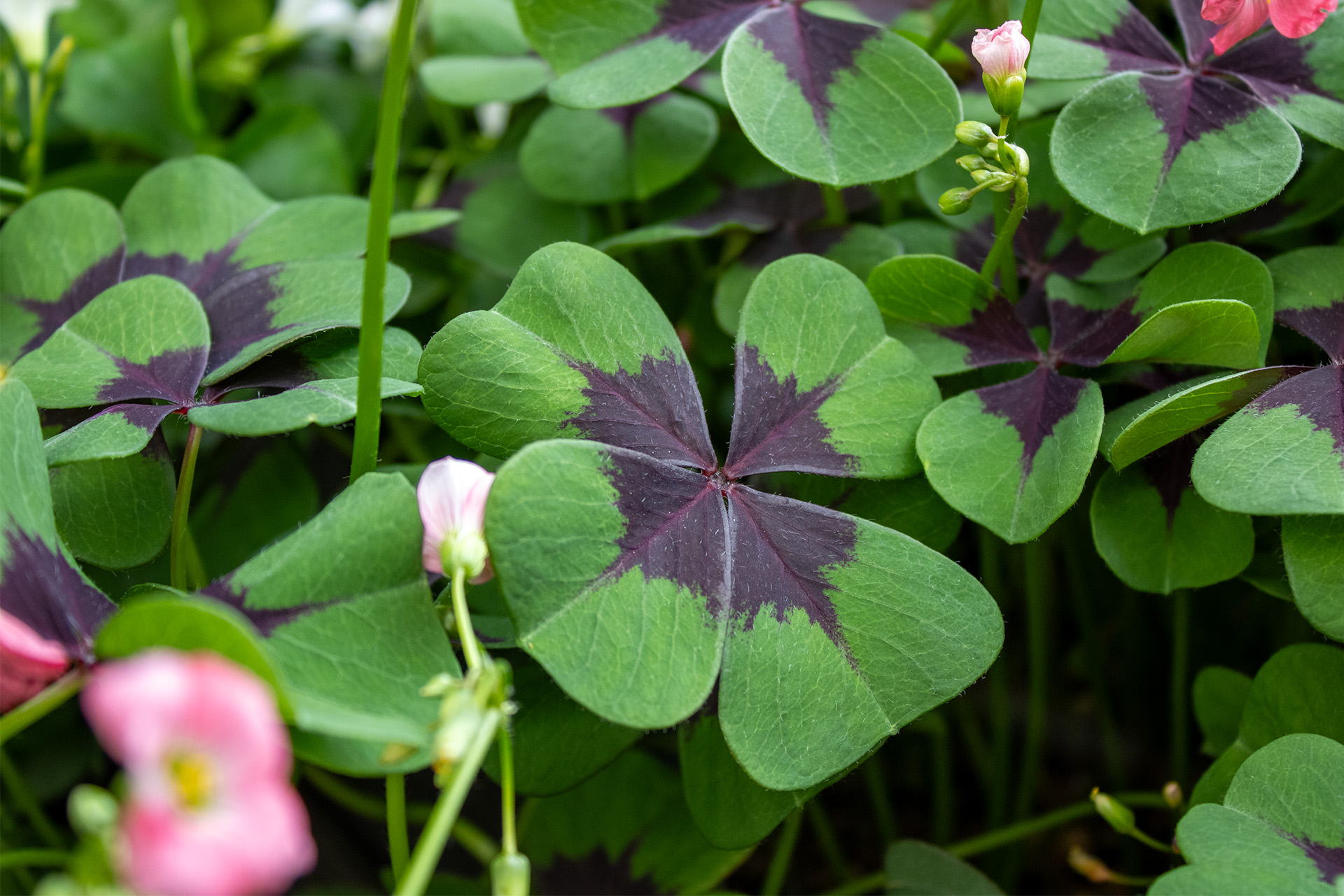
Whether you choose a bright green Shamrock Plant for luck, a dramatic purple variety for bold beauty, or the distinctive Iron Cross for its lucky four-leaf pattern, Oxalis offers history, meaning, and gentle movement in one compact, resilient plant.
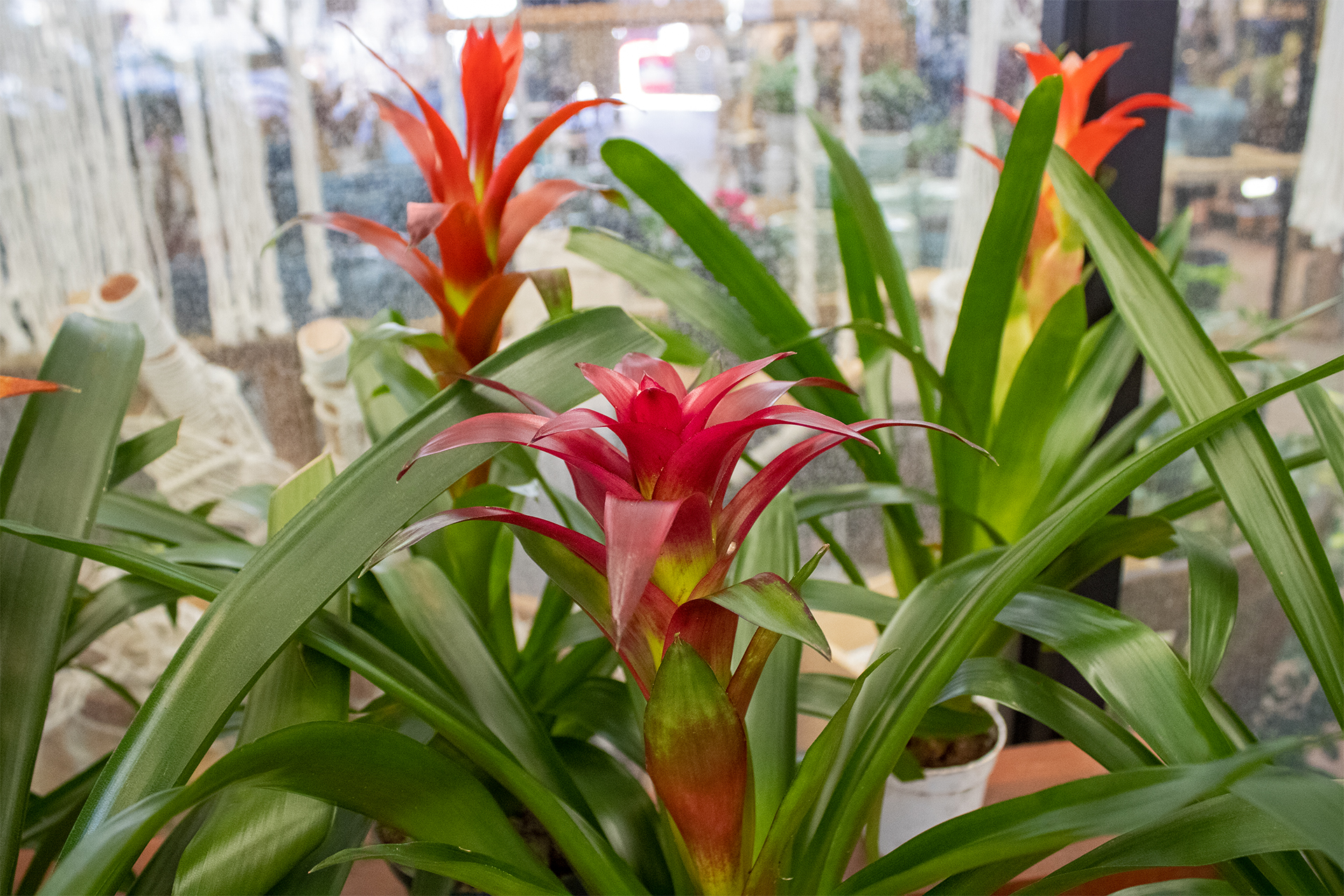
Bromeliads are some of the most striking and versatile plants a gardener can grow. With their architectural rosettes, vivid bracts, and surprising adaptability, they bring bold texture and color to windowsills, patios, greenhouses, and tropical landscapes alike.
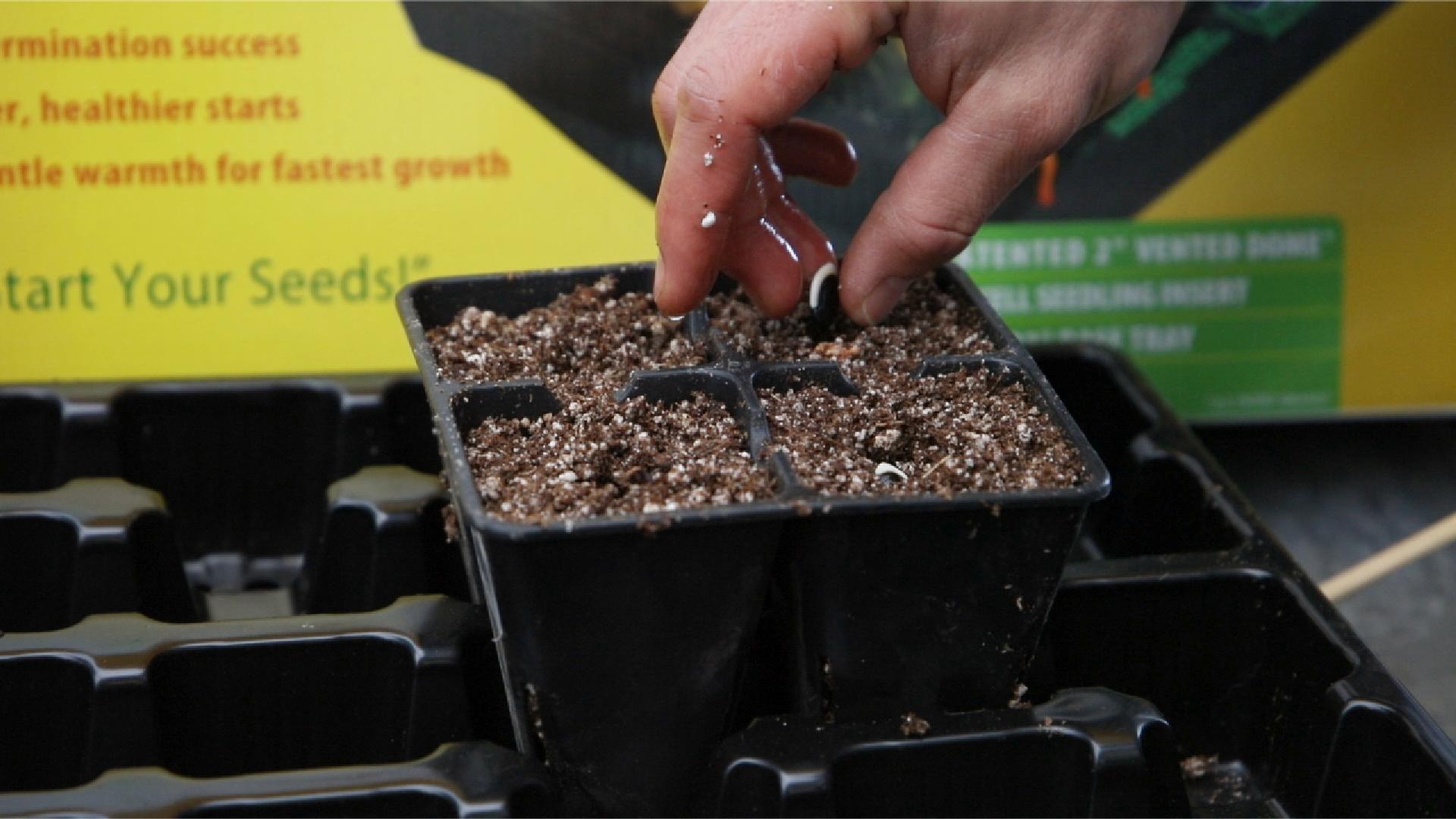
Starting seeds indoors allows gardeners to work around these challenges by giving plants a strong, controlled beginning.
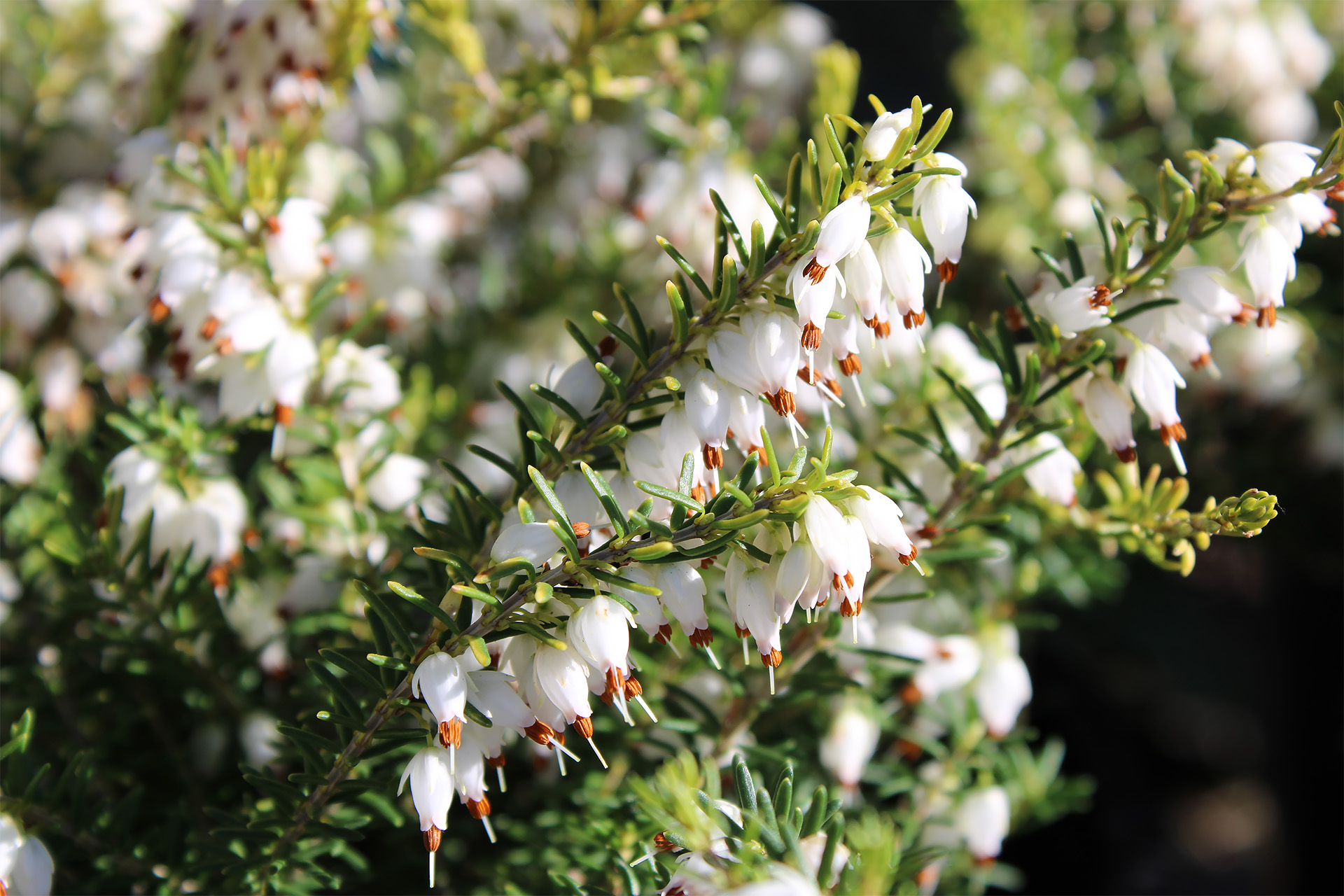
If you crave color when the rest of the garden is still half-asleep, winter-blooming heaths are one of the best-kept secrets in cold-climate gardening.