
Share
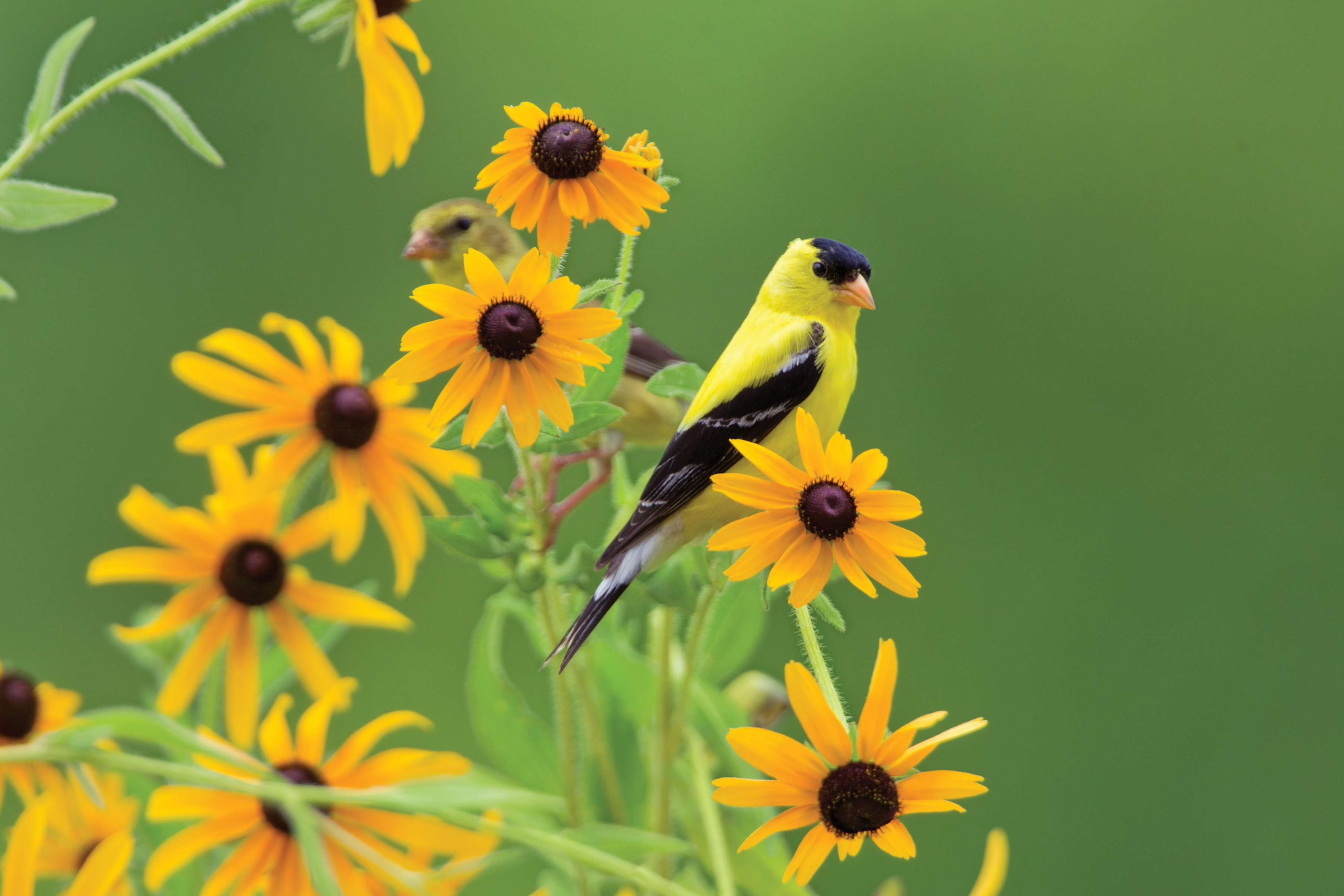
The American Goldfinch is one of the most cheerful and recognizable birds found in Northern Nevada. Its bright yellow summer plumage stands in striking contrast to the muted browns and grays of the high desert. Despite the region’s dry climate, wide temperature swings, and limited natural vegetation, goldfinches have adapted remarkably well. They are commonly seen near rivers like the Truckee, in irrigated neighborhoods, and in backyards where food and water are available.
Life in Northern Nevada requires flexibility, and goldfinches meet this challenge by staying close to reliable resources. They are often found where water supports plant growth, since their survival is closely tied to seeds. Some individuals remain year-round if conditions allow, while others shift locally depending on seasonal food availability. Their presence tends to increase wherever human landscaping introduces seed-producing plants and consistent water sources.
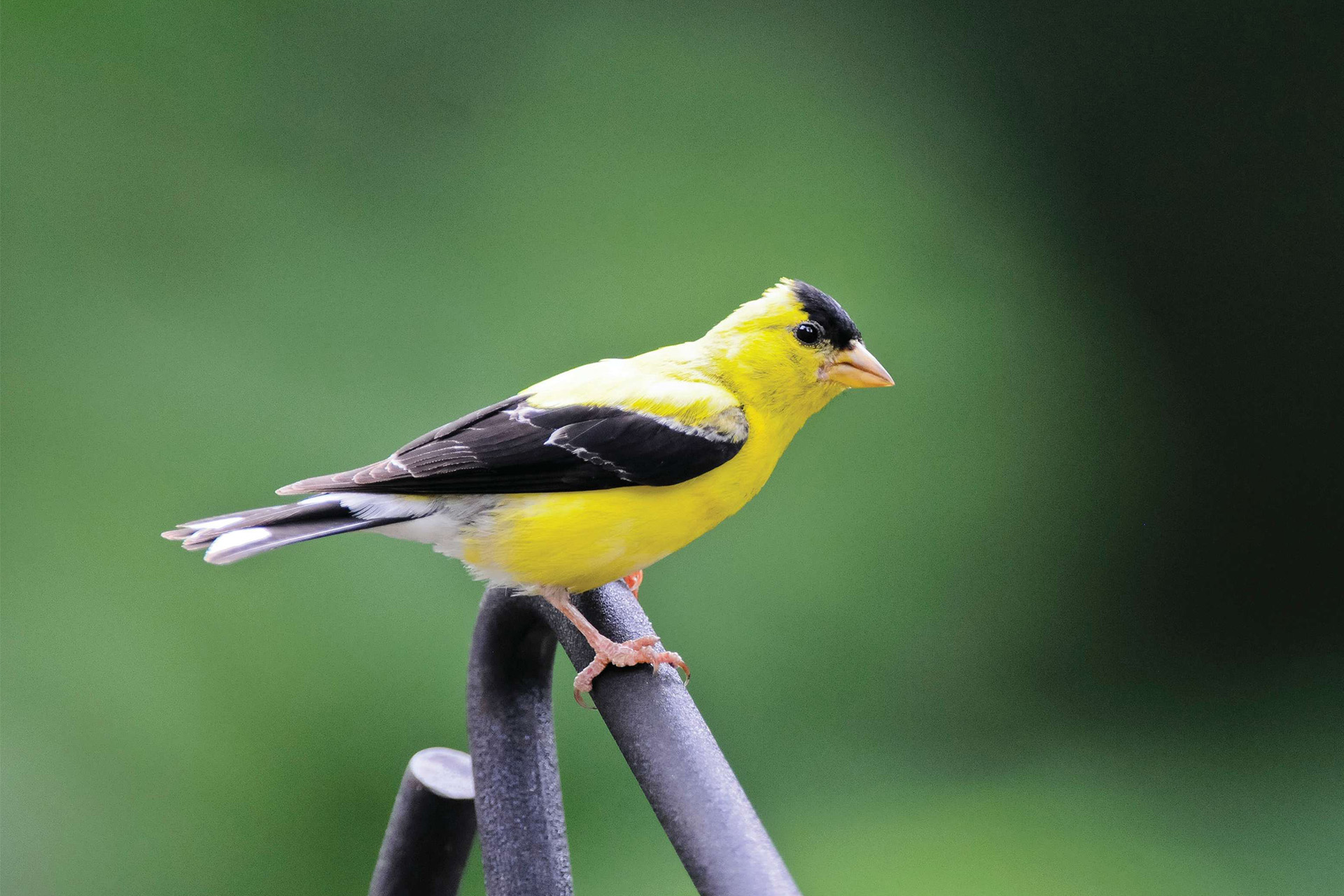
One of the most distinctive aspects of the American goldfinch is its diet. Unlike many birds that rely heavily on insects, goldfinches are almost entirely vegetarian. They feed primarily on small seeds, showing a strong preference for sunflower and nyjer (thistle) seed. In Northern Nevada, they also take advantage of dandelions, grass, and other hardy plants that thrive in disturbed soils or irrigated areas. Even their young are fed regurgitated seeds rather than insects, which is unusual among songbirds. Their feeding style is equally distinctive, as they often cling acrobatically to seed heads, sometimes hanging upside down to extract food.
Goldfinches are strongly attracted to environments that provide a steady supply of seeds, access to water, and some level of protective cover. In a region like Northern Nevada, water becomes especially important, and even a simple birdbath can make a yard far more appealing. They are also drawn to naturalistic or slightly untidy spaces where plants are allowed to go to seed. Yards that include shrubs or small trees offer the added benefit of safety, giving them quick places to retreat from predators.
At the same time, goldfinches can be surprisingly selective. They tend to avoid areas where food is stale or of poor quality, and they are not interested in large, hard seeds that are difficult to handle. They also shy away from environments that feel too exposed or heavily disturbed. Loud, high-traffic areas and overly manicured yards with little cover are less appealing to them. Unlike many backyard birds, they show little interest in suet or insect-based foods.
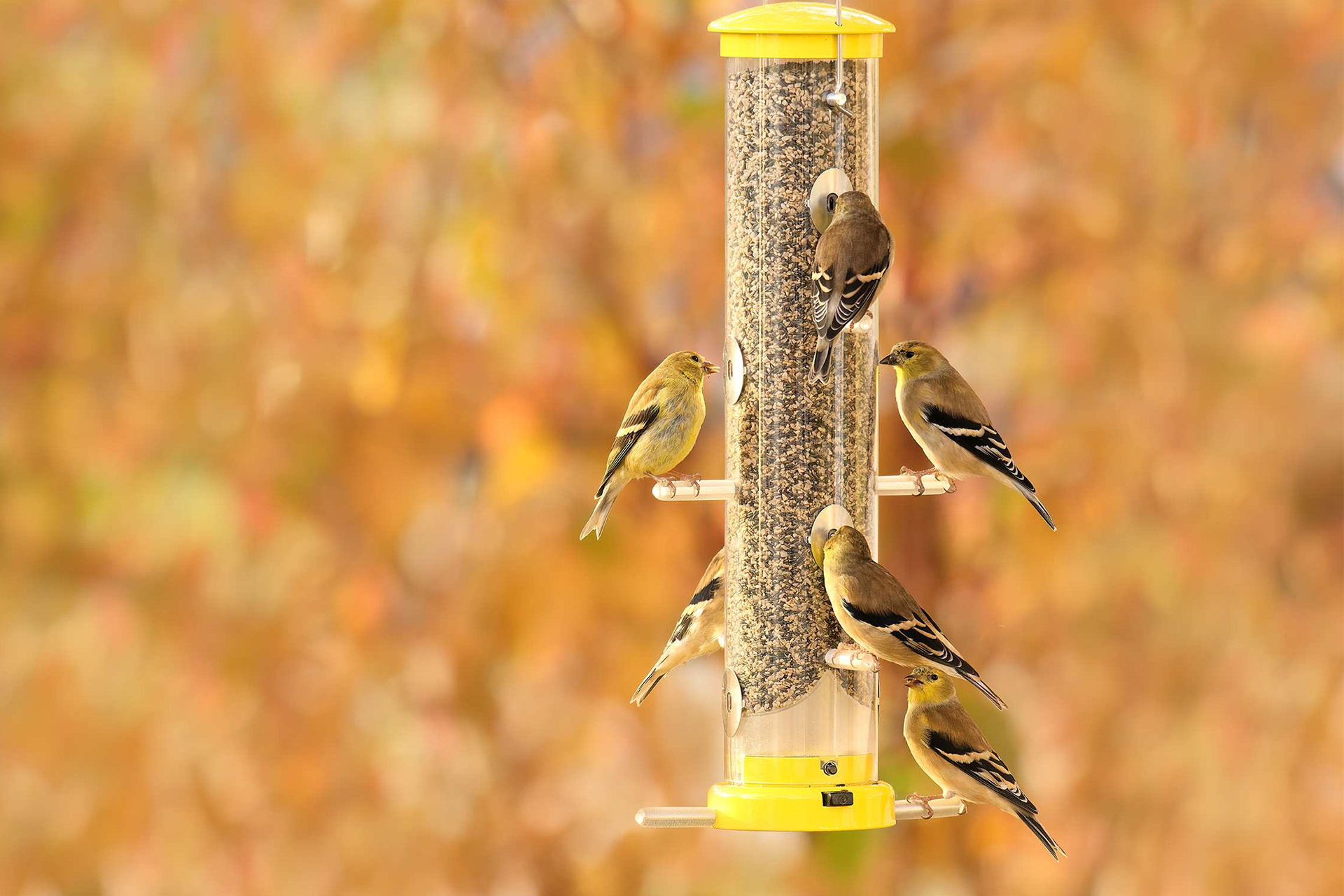
Their breeding behavior is one of their most unusual traits. American goldfinches nest later than most birds, typically waiting until mid-to-late summer in Northern Nevada. This timing is not accidental. It aligns with the peak availability of seeds, especially from plants like thistle, ensuring that there is enough food to raise their young. During courtship, males perform undulating flight displays, rising and falling in a wave-like pattern while singing. Their bright yellow plumage, at its most vivid during this season, plays an important role in attracting mates.
Nesting is a careful and delicate process. The female chooses a well-hidden location, usually in a shrub or small tree, and constructs a tightly woven cup-shaped nest. She uses plant fibers, grasses, and spider silk to bind the structure together, lining it with soft plant down for insulation. The result is a nest that is both flexible and durable. After laying a small clutch of eggs, the female handles incubation while the male provides food. Once the chicks hatch, both parents participate in feeding them, continuing their seed-based diet. In most cases, only one brood is raised each year.
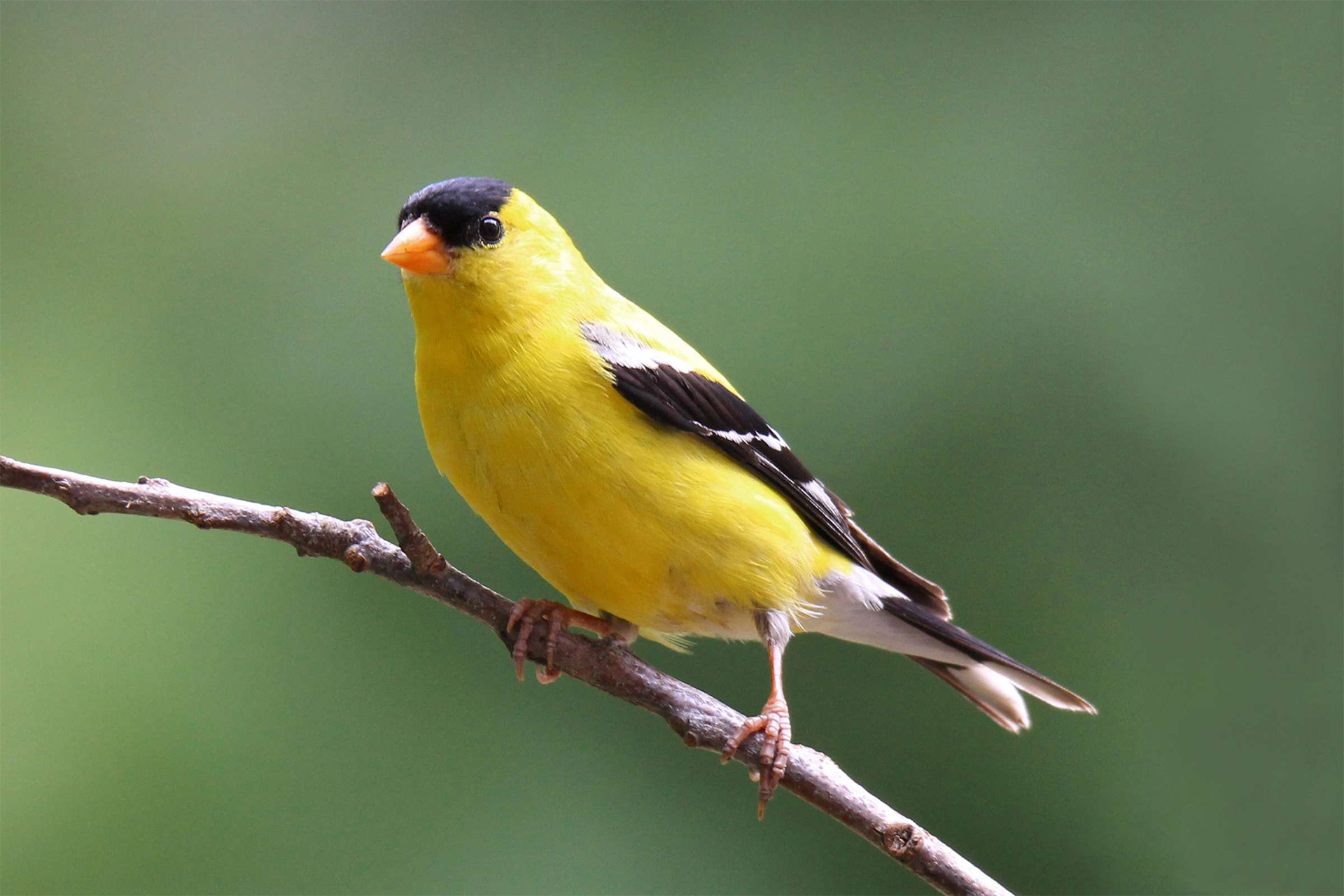
For those hoping to attract goldfinches to their yard in Northern Nevada, the key lies in mimicking the conditions they naturally seek. Fresh seed, particularly nyjer or sunflower, is essential, and it must be kept clean and dry in the region’s variable weather. Providing water can make a dramatic difference, especially during the hot summer months when natural resources may be scarce. Try adding a Finch tube feeder with our WBU Finch Blend Birdseed or WBU Nyjer Birdseed to attract Finches to your yard. Planting flowers and grass that produce seeds and allowing those seeds to remain available rather than trimming them away creates a natural feeding environment. Adding shrubs or small trees helps provide the sense of security these birds prefer.
Goldfinches undergo two molts each year, changing from their subdued winter coloration to their brilliant summer appearance. Their flight is light and buoyant, often described as a series of gentle dips, accompanied by a musical call that many people recognize even before spotting the bird. Outside of the breeding season, they are highly social and often gather in small flocks, bringing lively movement and sound to otherwise quiet landscapes. Perhaps most interesting of all is their deep connection to plant cycles, as their entire breeding strategy is timed to match the availability of seeds rather than simply responding to temperature or daylight.
In Northern Nevada, where conditions can seem harsh and unforgiving, the American goldfinch is a reminder that even delicate-looking wildlife can thrive with the right adaptations. By understanding their needs and making small adjustments to the environment, it is entirely possible to invite these bright, energetic birds into everyday life, where they add color, motion, and song to the high desert surroundings.
Share
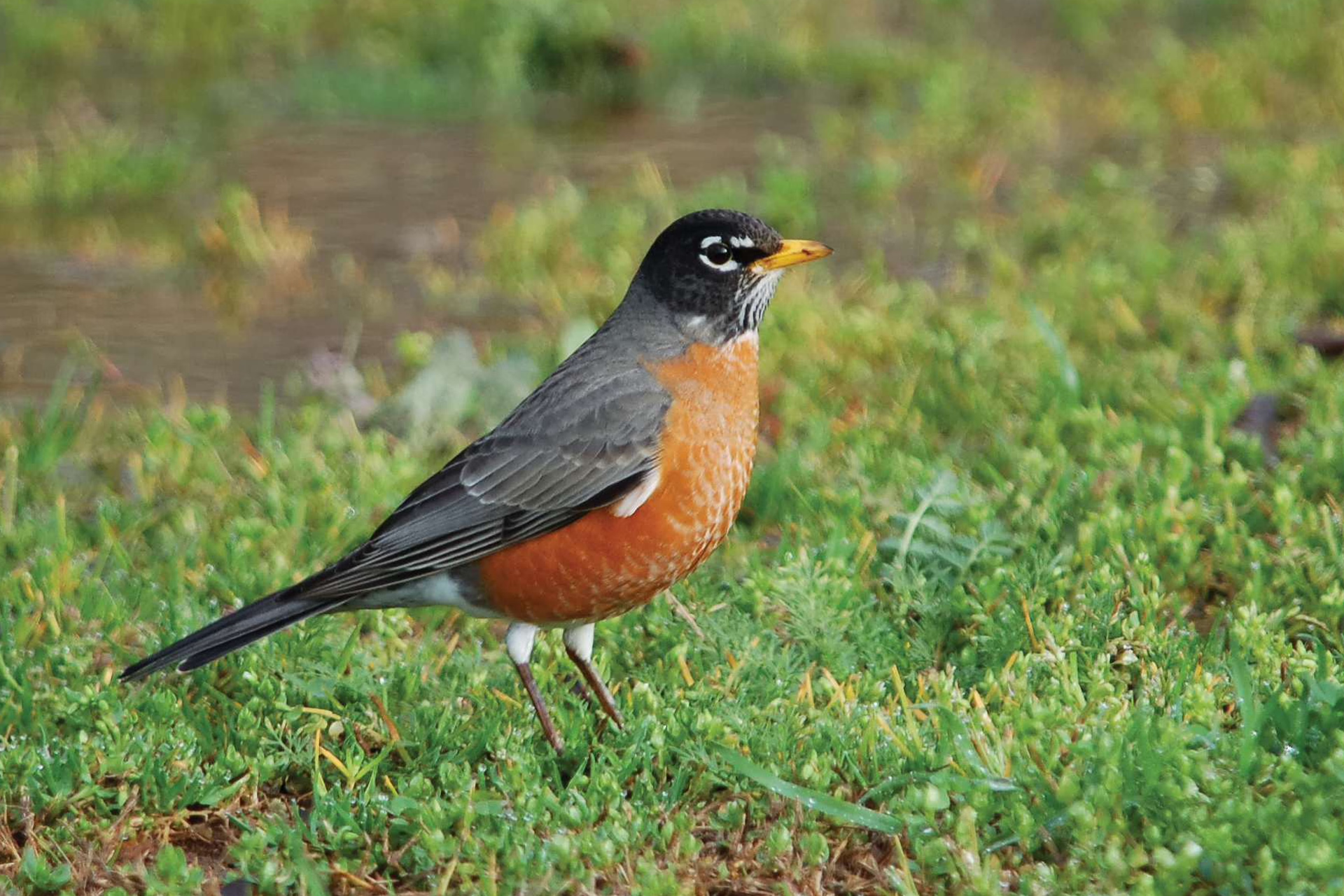
The American Robin is one of the most recognizable and beloved birds in Northern Nevada. With its warm reddish-orange breast, charcoal-gray back, bright white eye ring, and cheerful personality, the robin is often considered a symbol of spring.
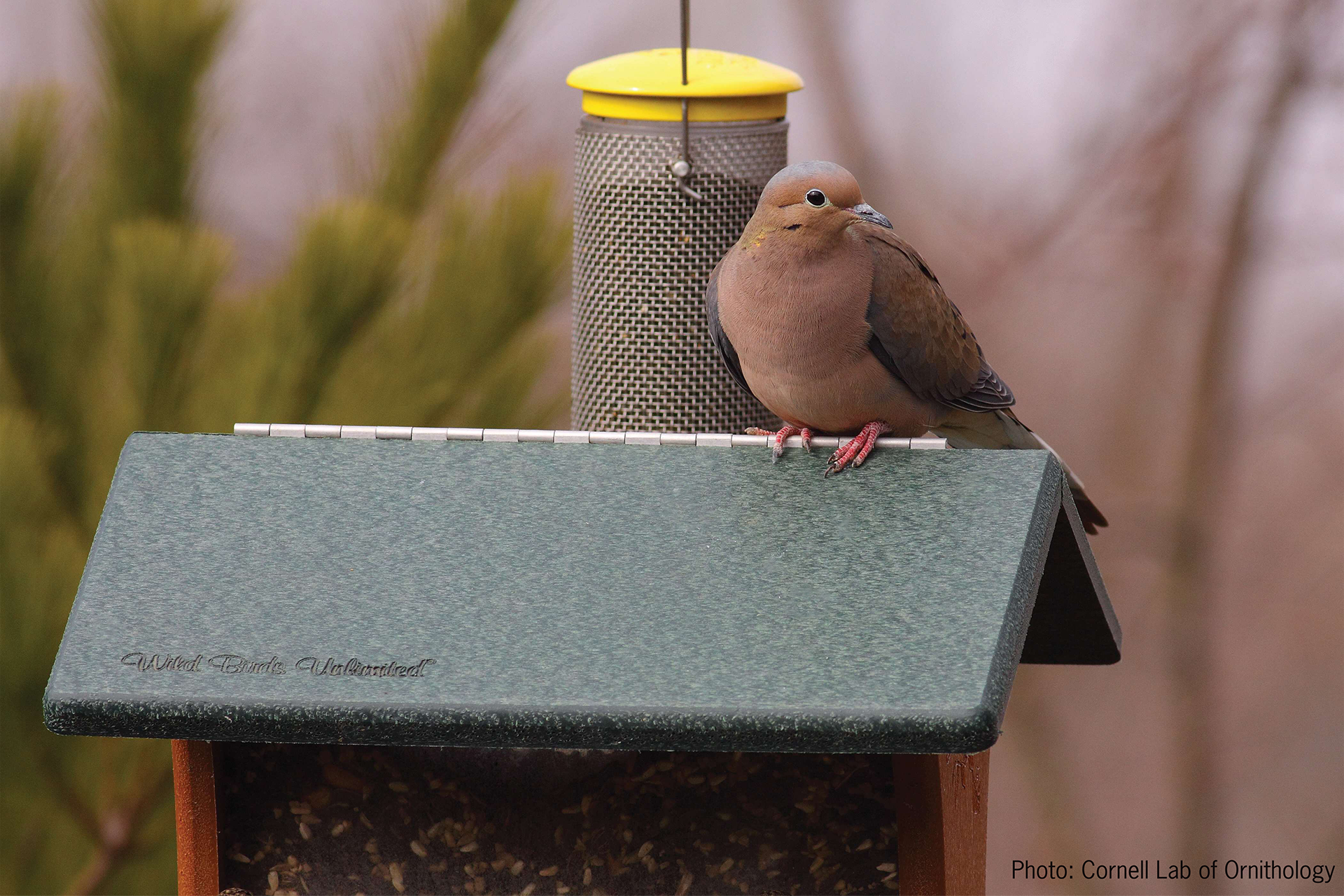
Across Northern Nevada’s open valleys, ranchlands, suburban neighborhoods, and high desert landscapes, the soft cooing of the mourning dove is one of the region’s most familiar bird songs.
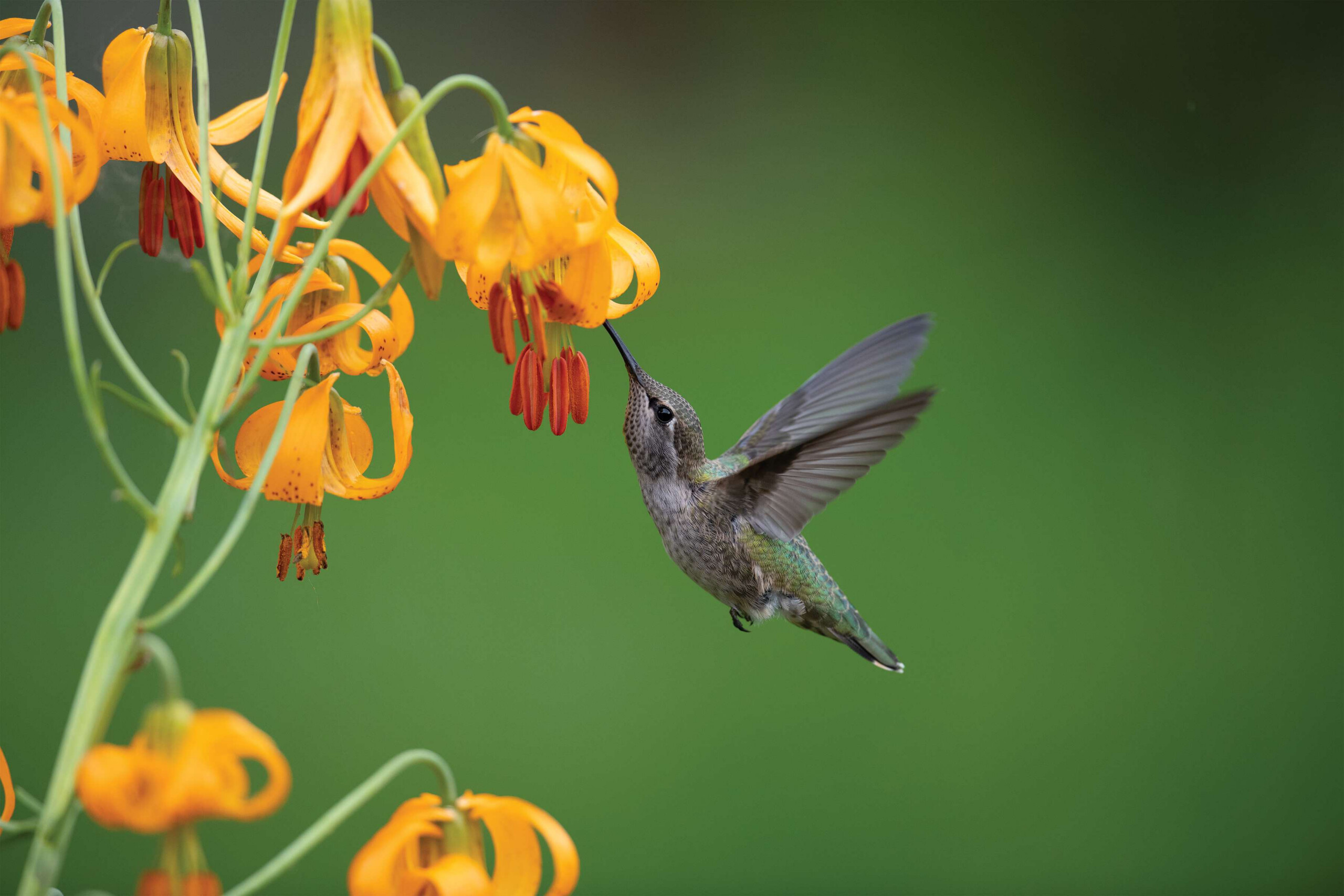
Among the many birds that inhabit Northern Nevada, few capture attention quite like the Anna’s hummingbird. Tiny, fast, and brilliantly colored, these remarkable birds have become increasingly common throughout the Reno–Sparks area and surrounding high desert communities.
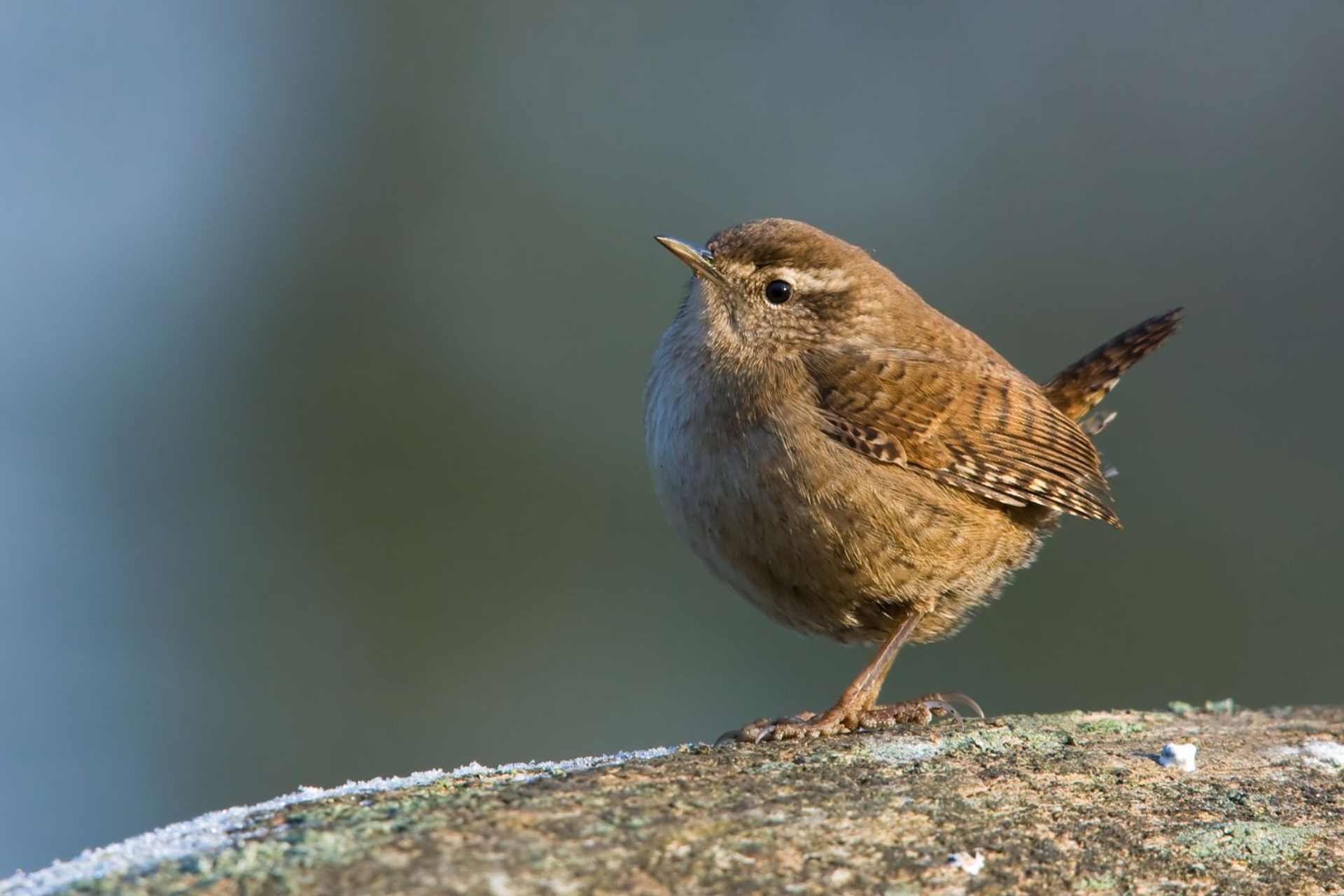
The Northern House Wren (Troglodytes aedon) is one of the most energetic and charismatic small birds found across North America, including the high desert landscapes of the western United States.