
Share
Brilliant Bromeliads
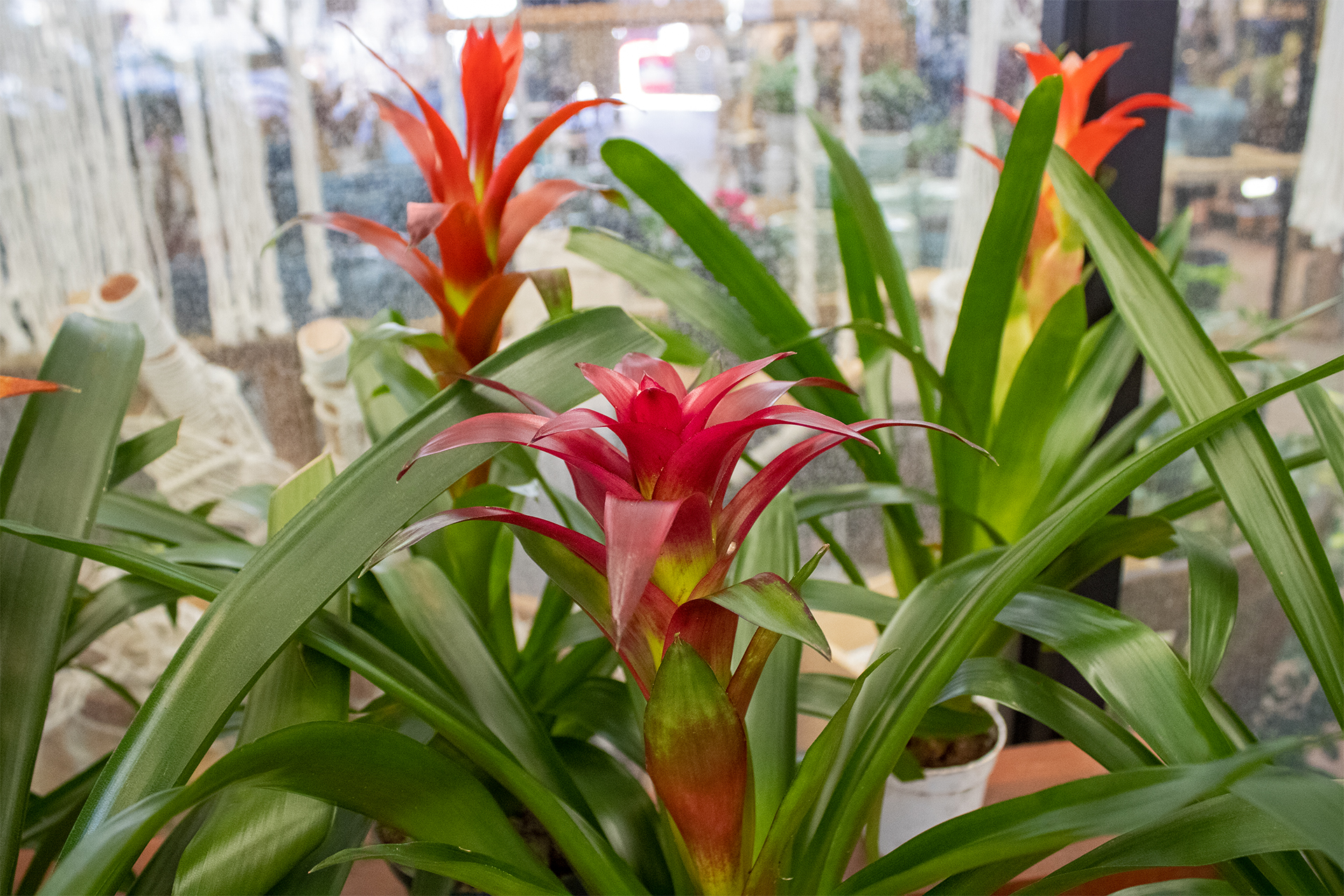
Bromeliads are some of the most striking and versatile plants a gardener can grow. With their architectural rosettes, vivid bracts, and surprising adaptability, they bring bold texture and color to windowsills, patios, greenhouses, and tropical landscapes alike. While many people recognize bromeliads for their dramatic blooms, few realize how diverse this plant family truly is, or that the whimsical air plants like tillandsia are bromeliads too.
The bromeliad family (Bromeliaceae) includes more than 3,000 species native primarily to Central and South America. From rainforest canopies to arid cliffs, they have evolved remarkable survival strategies. Understanding these natural adaptations is the key to growing them successfully at home.
One of the most fascinating aspects of bromeliads is their epiphytic nature. Technically, many bromeliads are epiphytes, meaning they grow on other plants or surfaces in nature rather than rooting in the ground. This does not make them parasites; they simply use trees or rocks as support while absorbing moisture and nutrients from rain, air, and organic debris. Because of this adaptation, their roots are designed more for anchoring than for heavy nutrient uptake. That’s why a chunky, well-aerated growing medium is so important when potting them. A bark-heavy orchid blend is ideal, allowing the roots to breathe freely and preventing rot. Dense potting soils that stay wet too long can suffocate the roots and lead to problems.
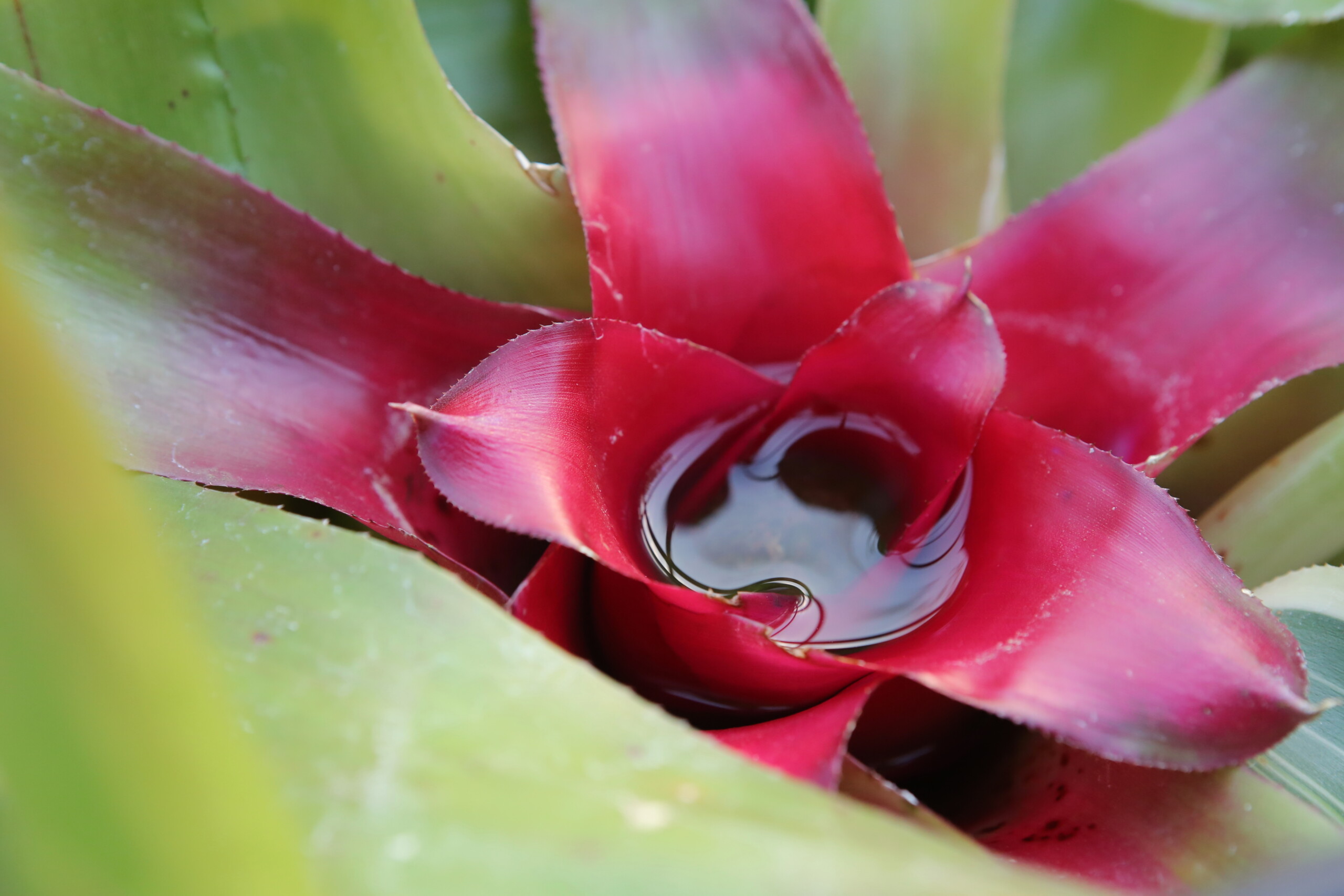
Bromeliads are often divided into two broad groups: tank bromeliads and atmospheric bromeliads. Tank bromeliads form a central cup or “tank” with their overlapping leaves. This cup holds water, which the plant absorbs through specialized leaf structures. Popular genera such as Aechmea, Guzmania, and Vriesea fall into this category. When growing tank types, it’s important to keep the central cup filled with fresh water and to flush it regularly to prevent stagnation. The potting mix should be kept lightly moist but never soggy.
Atmospheric bromeliads, on the other hand, rely primarily on their leaves to absorb moisture from the air. The most recognizable of these are air plants in the genus Tillandsia. These plants may have minimal or no functional root systems and are often mounted on wood, stone, or decorative supports. Their silvery appearance comes from trichomes, tiny scales that capture water and nutrients. Air plants prefer bright, indirect light and benefit from regular soaking or thorough misting, depending on humidity levels. After watering, they should dry relatively quickly to prevent rot.
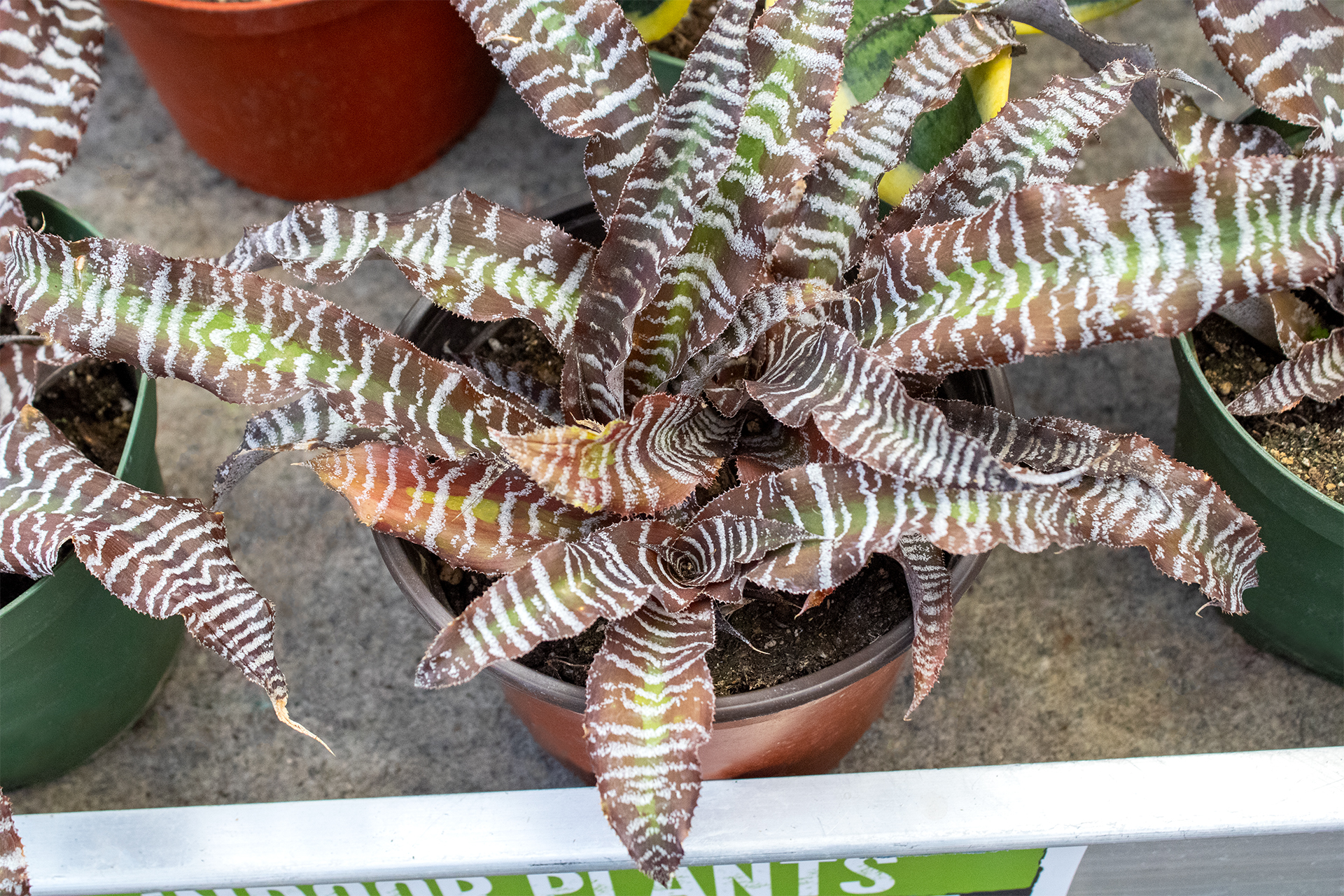
Within the bromeliad family, diversity in foliage is just as exciting as diversity in bloom. The genus Cryptanthus, commonly called earth stars, offers a completely different look. Unlike many epiphytic relatives, Cryptanthus are terrestrial and grow in soil, forming low, star-shaped rosettes often marked with dramatic striping and vibrant colors. They appreciate slightly more consistent moisture than many other bromeliads but still require excellent drainage and aeration. Their compact size makes them exceptional houseplants and terrarium specimens.
Light is one of the most important factors in bromeliad success. Most varieties thrive in bright, indirect light. Too little light can reduce coloration and inhibit blooming, while too much direct sun can scorch leaves, especially in softer-leaved tank types. As a general guideline, thicker, gray, or silvery leaves indicate a plant that tolerates brighter conditions, while softer green leaves prefer gentler light.
Fertilization should be gentle and consistent. Bromeliads are not heavy feeders, but they do benefit from supplemental nutrients during active growth. A diluted mixture of Fertilome All Purpose Plant Food works beautifully. Applying it at quarter strength once a month during the growing season is typically sufficient. For tank bromeliads, the diluted solution can be poured into both the soil and the central cup occasionally, though it’s important to flush the cup with plain water regularly to prevent salt buildup. Air plants can be soaked in a diluted fertilizer solution periodically, especially during warm months.
One of the most misunderstood traits of bromeliads is that they are monocarpic, meaning each individual rosette flowers once. Rather than viewing this as a drawback, it helps to see it as part of their natural rhythm. After blooming, the mother plant channels its energy into producing offsets known as pups. These pups emerge from the base and gradually develop into full-sized plants. In many cases, a single plant will produce multiple pups, creating a fuller, more dramatic display over time. Once the pups reach about one-third to one-half the size of the mother, they can be separated and potted individually, or left in place to form a clumping colony. What begins as one plant often turns into a thriving family.
Humidity plays a role in bromeliad health as well. While many adapt well to average indoor conditions, they appreciate moderate humidity and good air circulation. In drier climates, grouping plants together or placing them near a humidifier can make a noticeable difference. Outdoors in warm regions, they excel in shaded patios or mounted on trees where rainfall and airflow mimic their native habitats.
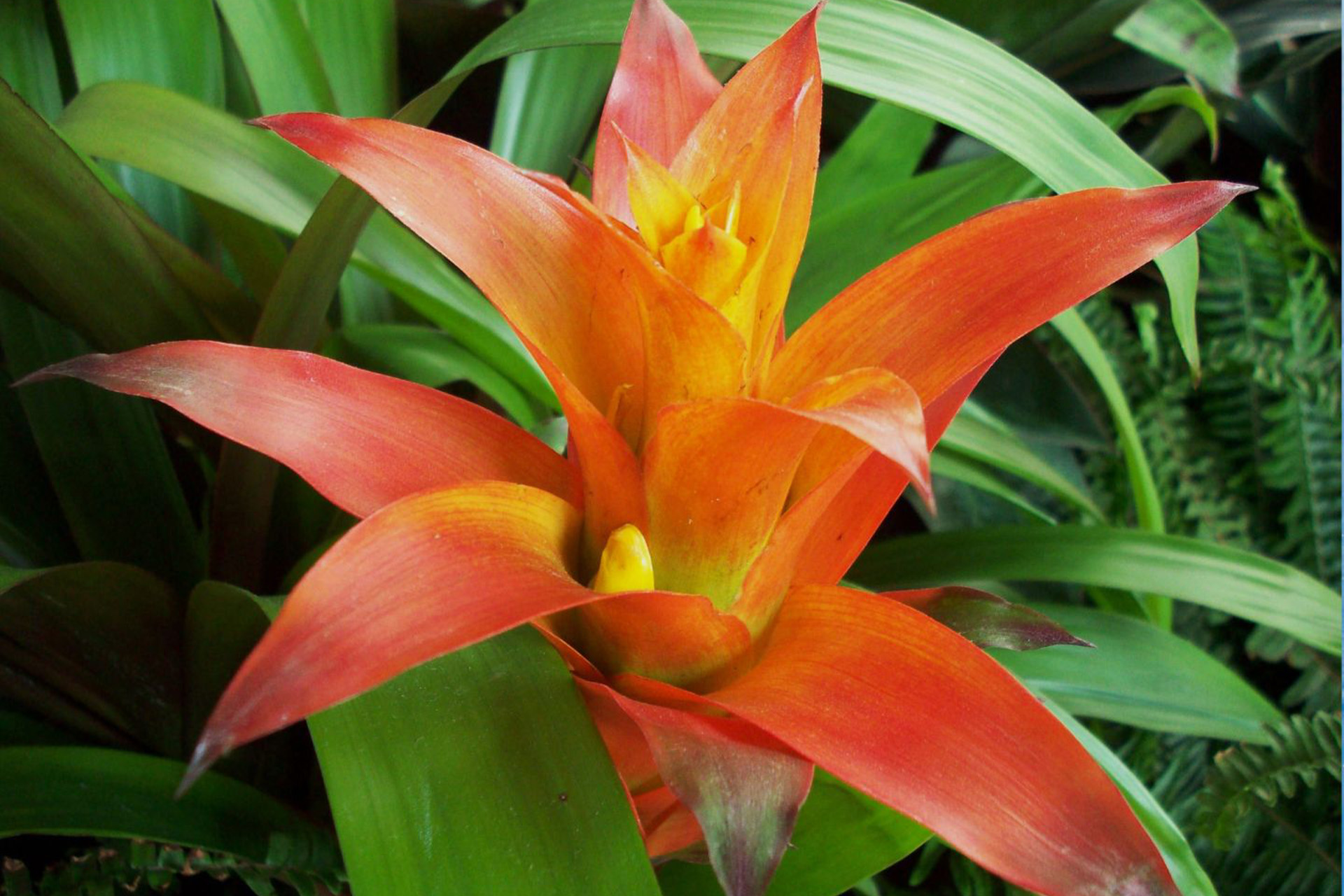
For gardeners at any stage, bromeliads offer a unique combination of ease and drama. They are generally resistant to pests, tolerant of occasional neglect, and forgiving as long as drainage and light are appropriate. Their sculptural forms complement modern interiors just as beautifully as they enhance tropical garden beds. Mounted specimens create living art, while potted varieties bring long-lasting color that can rival traditional flowering plants.
Perhaps the greatest joy of growing bromeliads is learning to appreciate their quiet resilience. They are masters of adaptation, thriving where other plants might struggle. With the right airy soil, thoughtful watering, diluted feeding, and an understanding of their growth cycle, bromeliads reward growers with bold foliage, luminous blooms, and generations of pups that continue the display. In every sense, they truly are brilliant.
Share
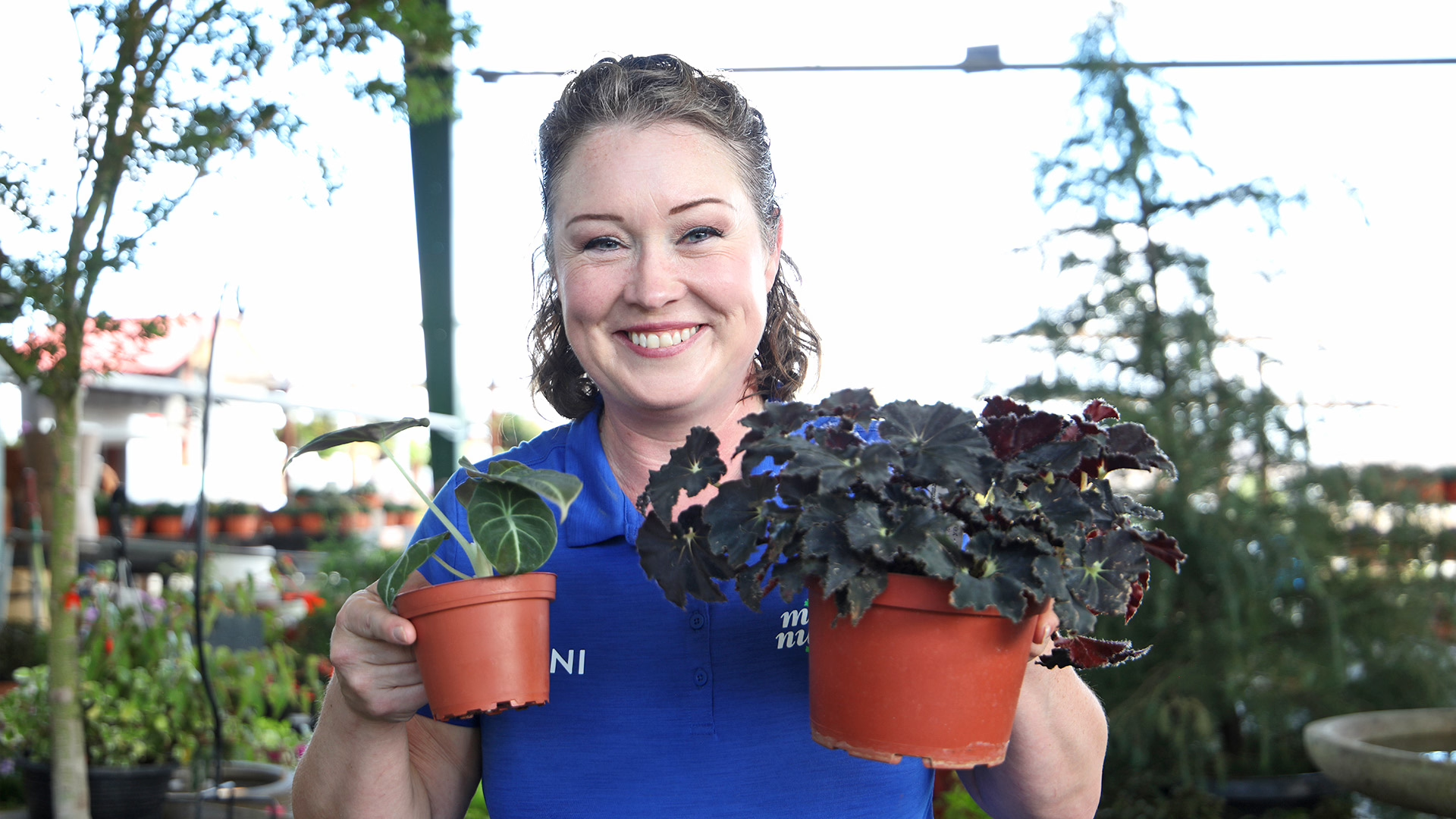
Have you ever wanted to add a beautiful dark houseplant to your collection? Here is a quick guide of some of the stunning options to bring a little goth spirit into your home.
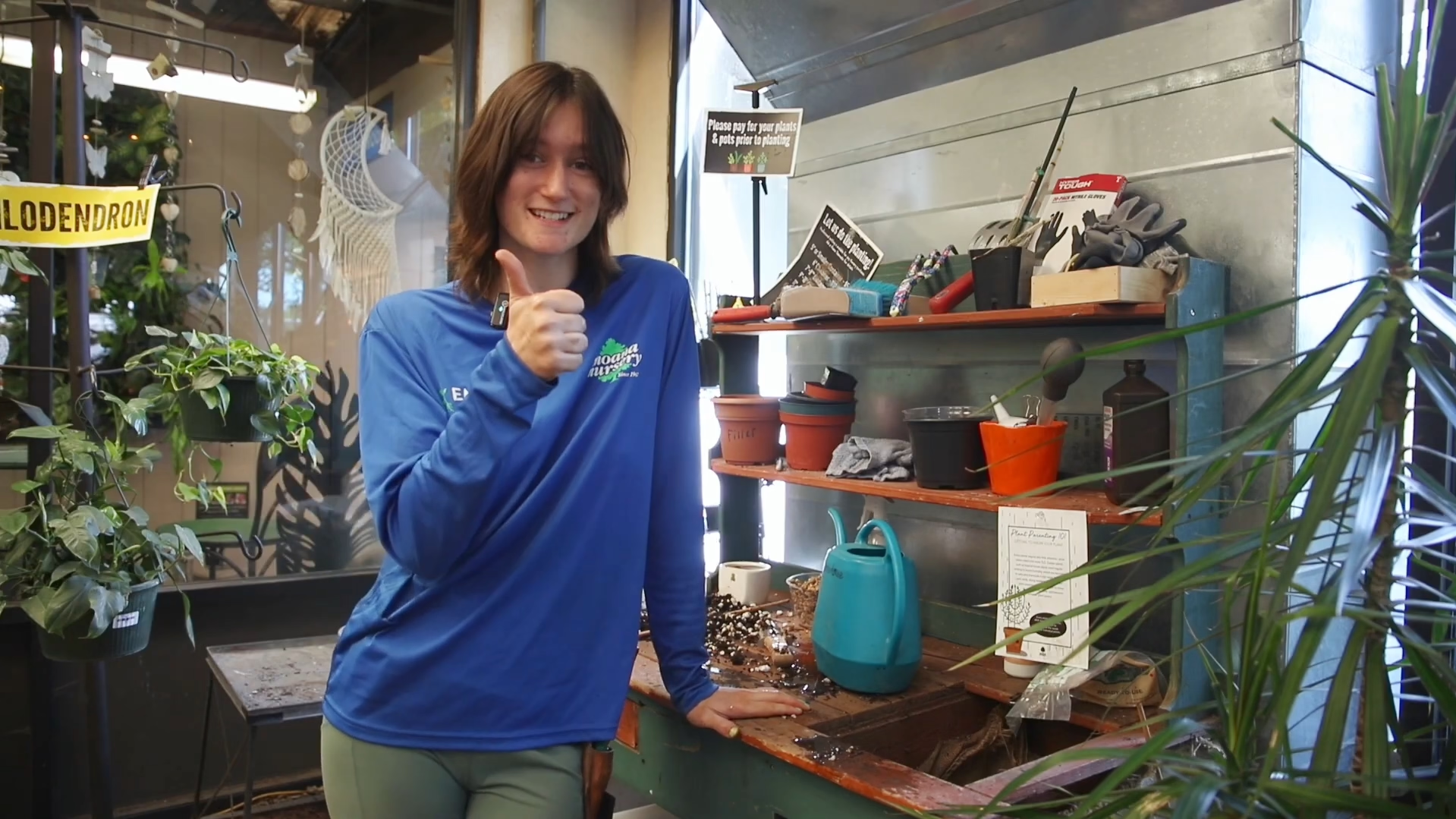
You have to be very careful when repotting a cactus but if your spiky friend is in need of a bigger home, here are some tips and tricks to help you do it safely.
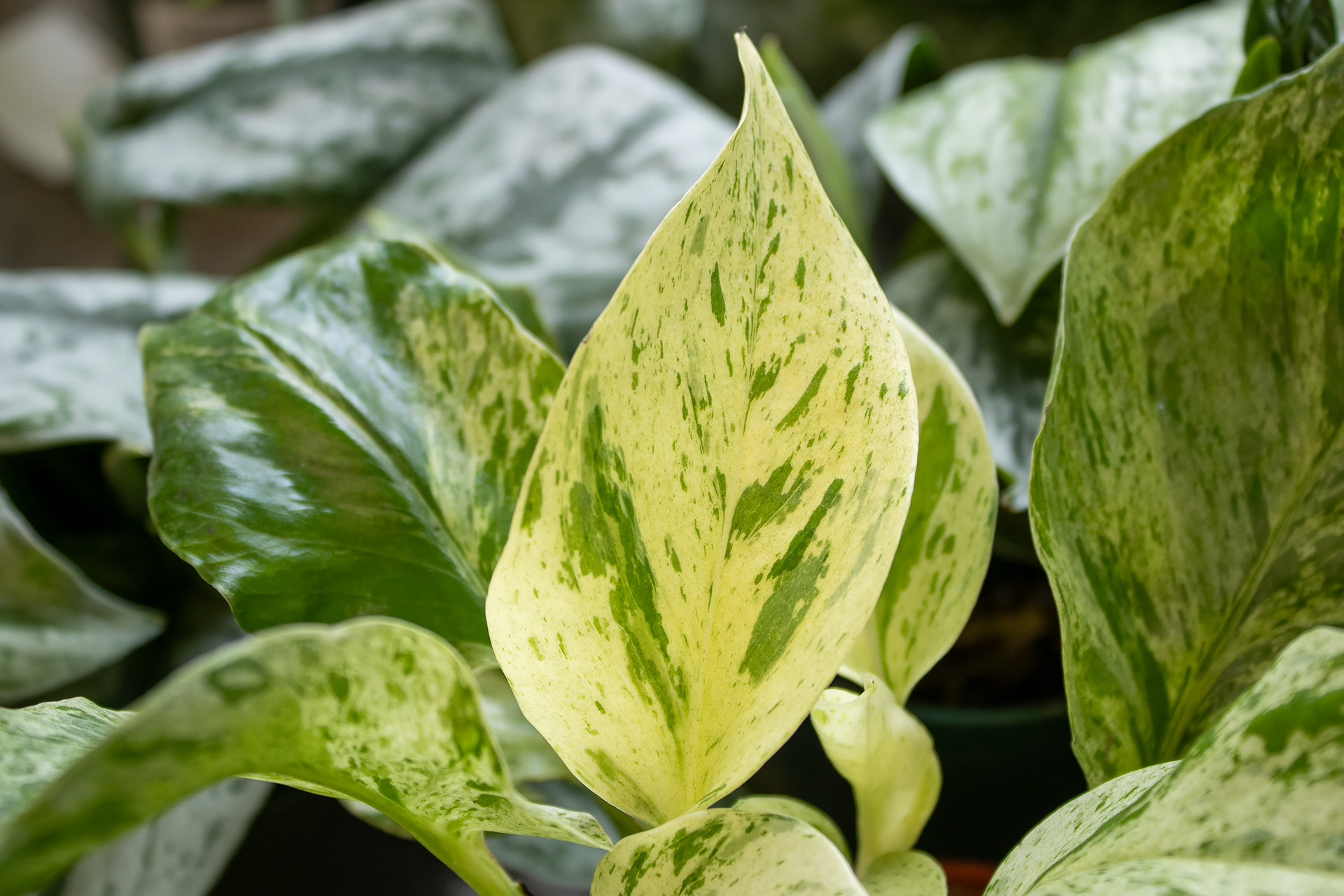
Walk through any houseplant collection and chances are your eyes will be drawn to the plants splashed with creamy whites, soft yellows, silvery streaks, pink blushes, or marbled patterns. These striking markings are known as variegation, and they transform ordinary leaves into living works of art.

Shelves are packed with endless options, different ratios, formulas, and promises. But more choice doesn’t always mean better results. At Moana Nursery, we believe growing healthy plants should be simple, effective, and trusted.