Share
Holly is A Timeless Holiday Favorite and a Year-Round Garden Gem for the High Desert
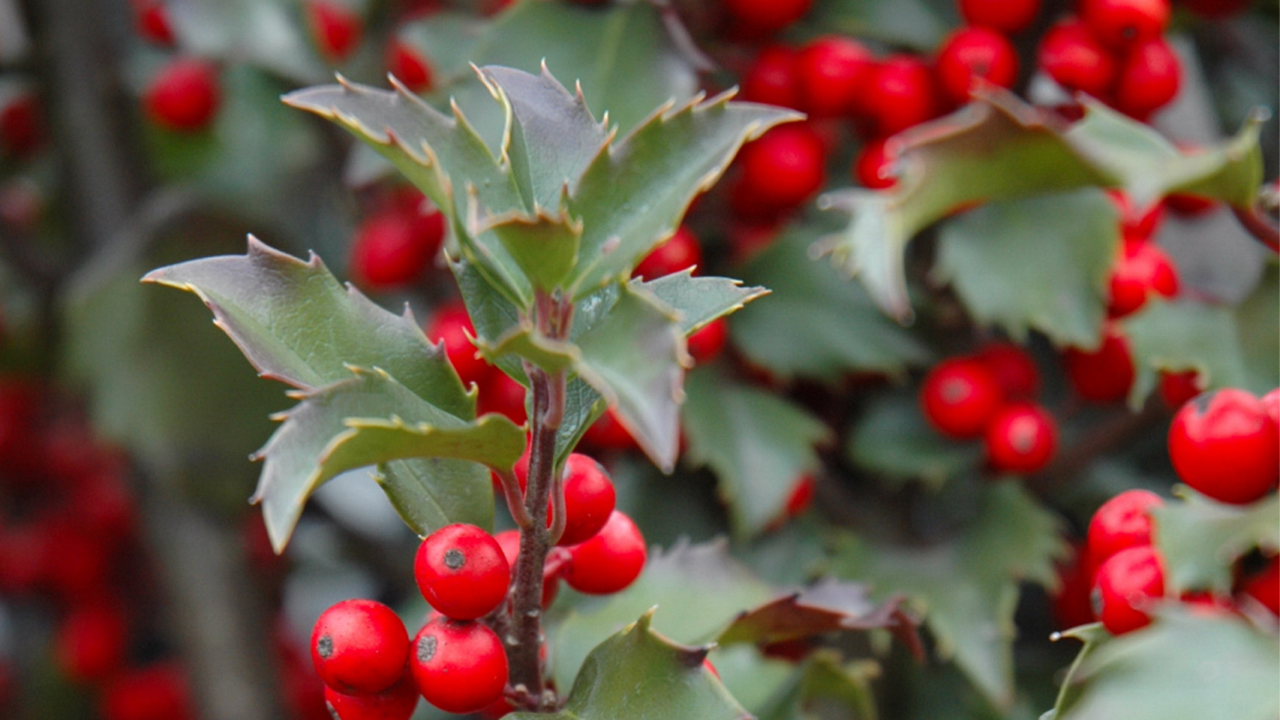
Few plants capture the holiday spirit as beautifully as holly. With its glossy green leaves and bright red berries, holly evokes centuries of festive tradition, symbolizing hope, renewal, and resilience through winter. But beyond its classic seasonal charm, holly can be a hardy, attractive addition to high desert landscapes when cared for thoughtfully. Here’s how to make the most of this iconic plant, from holiday décor to year-round enjoyment.
The Allure of Holly
Holly’s beauty is unmistakable. Its evergreen foliage brings lush color to winter gardens, while the scarlet berries offer vibrant contrast and provide food for birds in colder months. Holly’s dense, glossy leaves make it an excellent ornamental shrub or small tree, perfect for hedges, screens, or standalone focal points.
During the holidays, potted holly plants make stunning natural decorations indoors, adding a living touch of green and red that no plastic substitute can match. Its association with Christmas dates back to ancient winter festivals, where it symbolized life enduring through the darkest days of the year.
The Secret to Berries: Male and Female Plants
One of holly’s unique features is its dioecious nature, meaning that individual plants are either male or female. Only female holly plants produce berries, and they’ll only do so if a male plant is nearby to provide pollen. For a fruitful display, you’ll need to plant at least one male holly for every five to ten females, depending on proximity and wind direction.
When purchasing, check the labels or ask one of our Plant Doctors for assistance if you’re unsure of which varieties are which. For the 2025 Holly-day season we are offering ‘Blue Prince’ and ‘Blue Princess’ varieties, which as the names suggest, the prince is the male and the princess is the female. Also note that only the females will have berries, that makes them easy to spot!

Caring for Holly in the High Desert
Holly can thrive in high desert regions with the right care, though it requires more attention to soil and water than native xeric plants. Here are some key tips:
Soil and Planting
Holly prefers slightly acidic, well-drained soil rich in organic matter. Since high desert soils tend to be alkaline, amend the planting area with peat moss, compost, and a bit of sulfur to lower pH. Dig a wide hole, twice the width of the root ball, but just as deep, and mix in some G&B Organics Soil Building Conditioner (SBC) and starter fertilizer thoroughly before planting.
Watering
Though established holly plants are somewhat drought-tolerant, they do best with regular deep watering, especially during the first year. Avoid letting the soil dry completely and add a generous layer of mulch (SBC also works great for this!) to retain moisture and protect roots from extreme temperatures. Be sure to water throughout the winter if we don’t get a lot of natural precipitation.
Sun and Shelter
Holly enjoys partial shade in hotter climates. Here in the high desert, we recommend you give it some protection from the harsh afternoon sun in the summer, planting near a building or larger tree/shrub can help.
Fertilizing
Feed holly in spring with an acid-loving plant fertilizer (like those made for azaleas or rhododendrons). Avoid over-fertilizing late in the year, as it can encourage tender new growth that might be damaged by frost.
Enjoying Holly Indoors for the Holidays
Bringing holly indoors for the season is a lovely tradition. Potted holly can serve as a natural holiday centerpiece or sit beautifully by a sunny window. When kept indoors temporarily:
- Limit indoor time to a few weeks to prevent stress.
- Keep soil moist but not soggy, holly dislikes drying out completely.
- Place it in a cool, bright spot away from heat vents or fireplaces.
After the holidays, gradually reintroduce the plant outdoors so it can ‘harden off’ or acclimate to cooler temperatures, before planting it permanently outdoors.
With proper care, your holly will gradually establish itself and begin producing berries within two to three years (assuming both male and female plants are present).
What to Expect Throughout the Year
- Winter: Holly is at its most striking with glossy green leaves and red berries that stand out against the muted winter landscape.
- Spring: New growth emerges; prune lightly to shape and remove any winter damage.
- Summer: The plant thickens with foliage and may produce small white flowers that attract pollinators.
- Fall: Berries mature and start to show their color, providing a feast for birds and a prelude to winter decoration.
Creative Uses for Holly Berries and Foliage
While holly berries are toxic to humans and pets when ingested, they’re excellent for decorative and wildlife purposes. Use them in holiday wreaths, garlands, or centerpieces, just keep them out of reach of children and animals. Birds, especially cedar waxwings, bluebirds, and robins, will happily enjoy the berries in your garden during winter!
The Lasting Gift of Holly
Planting holly is a beautiful way to celebrate the holidays while investing in your landscape’s long-term beauty. With its year-round greenery, festive appeal, and resilience, holly symbolizes endurance and joy, qualities that shine bright in the high desert’s rugged beauty.
Share
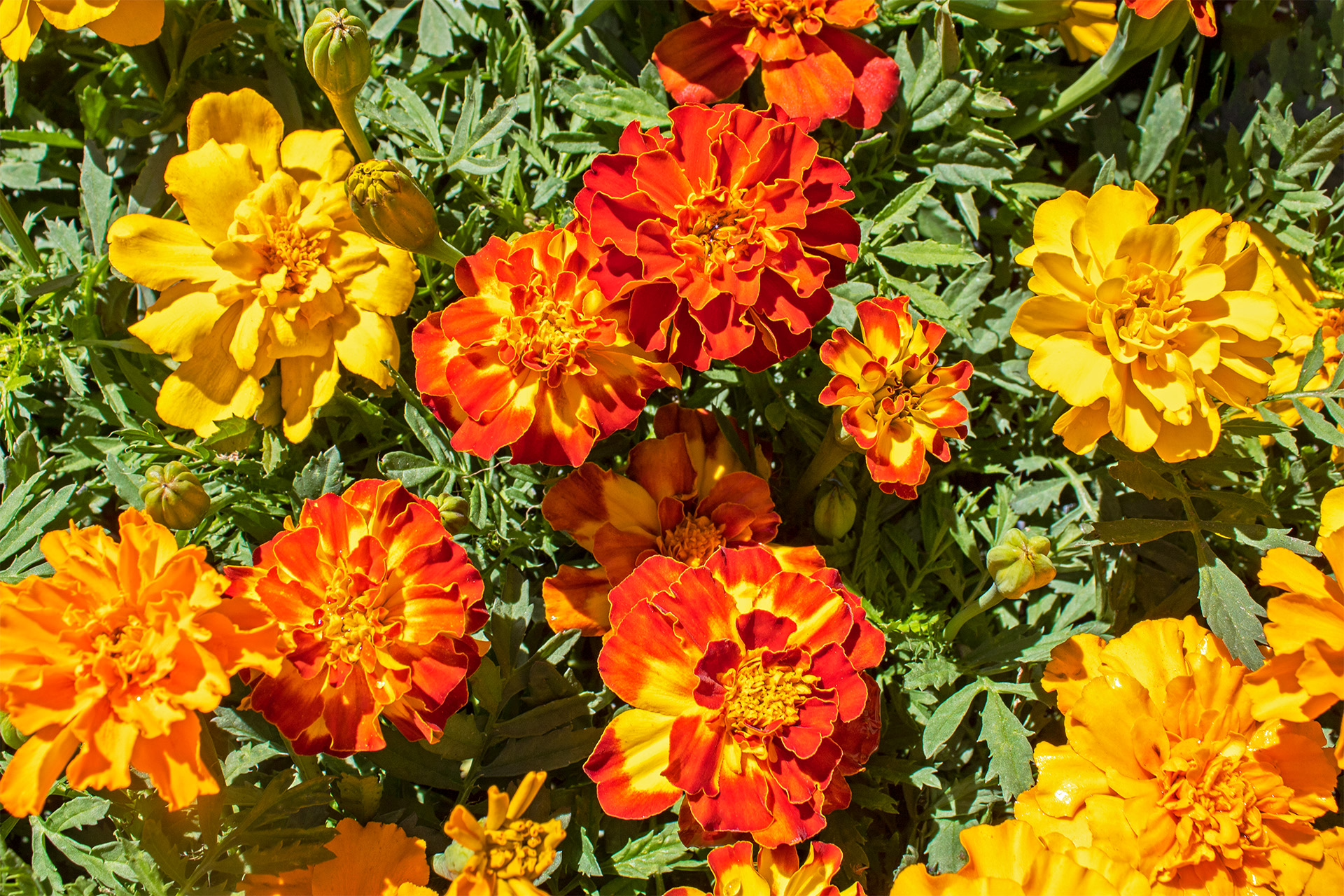
Marigolds are among the most dependable annual flowers for high desert gardens. Their bright yellow, gold, orange, and sometimes red blooms provide months of color while thriving in the sunny, dry conditions common throughout Northern Nevada and other high desert regions.
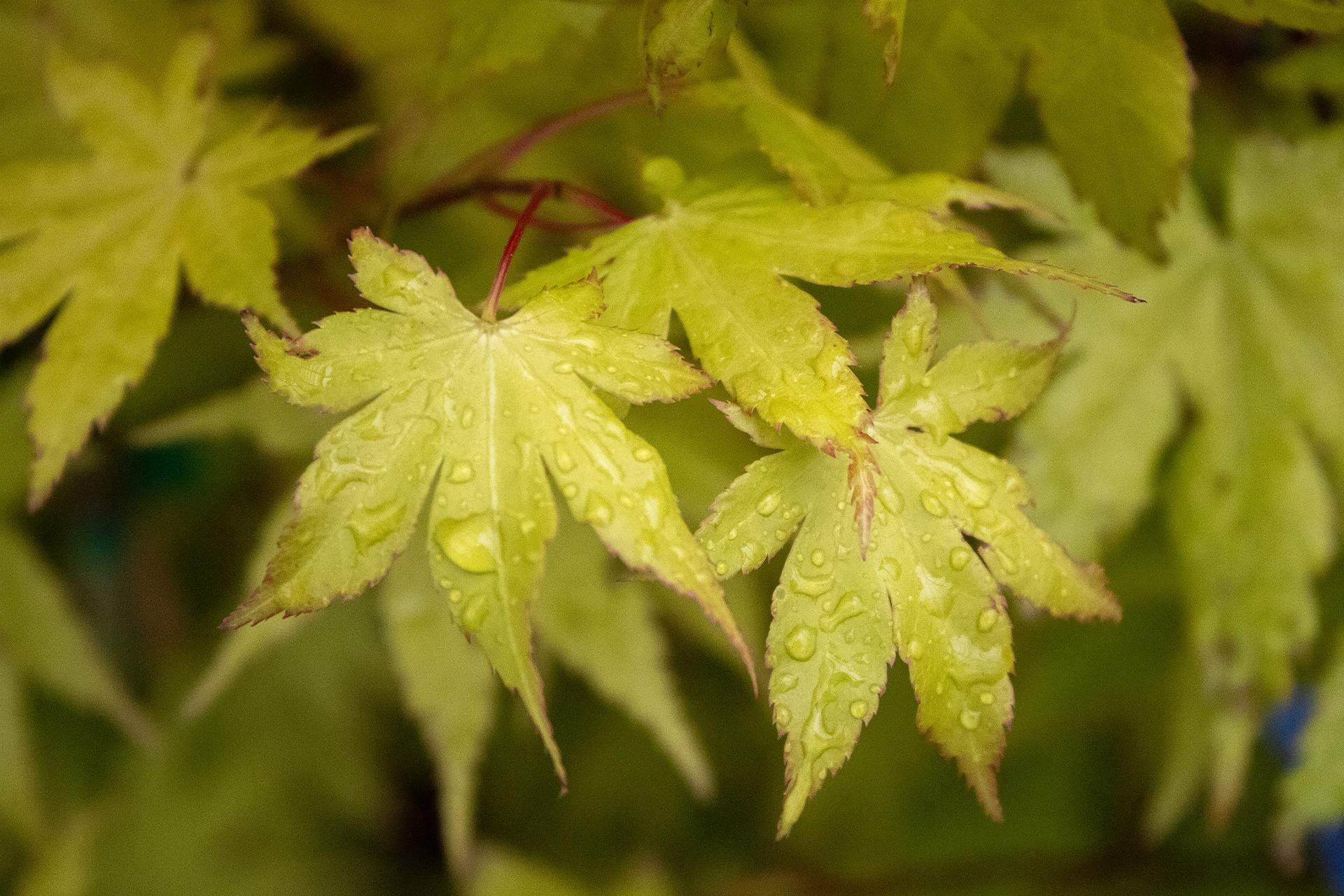
There is something almost magical about a Japanese maple. Their delicate leaves, graceful branching, and glowing fall color make them one of the most beautiful ornamental trees you can plant.
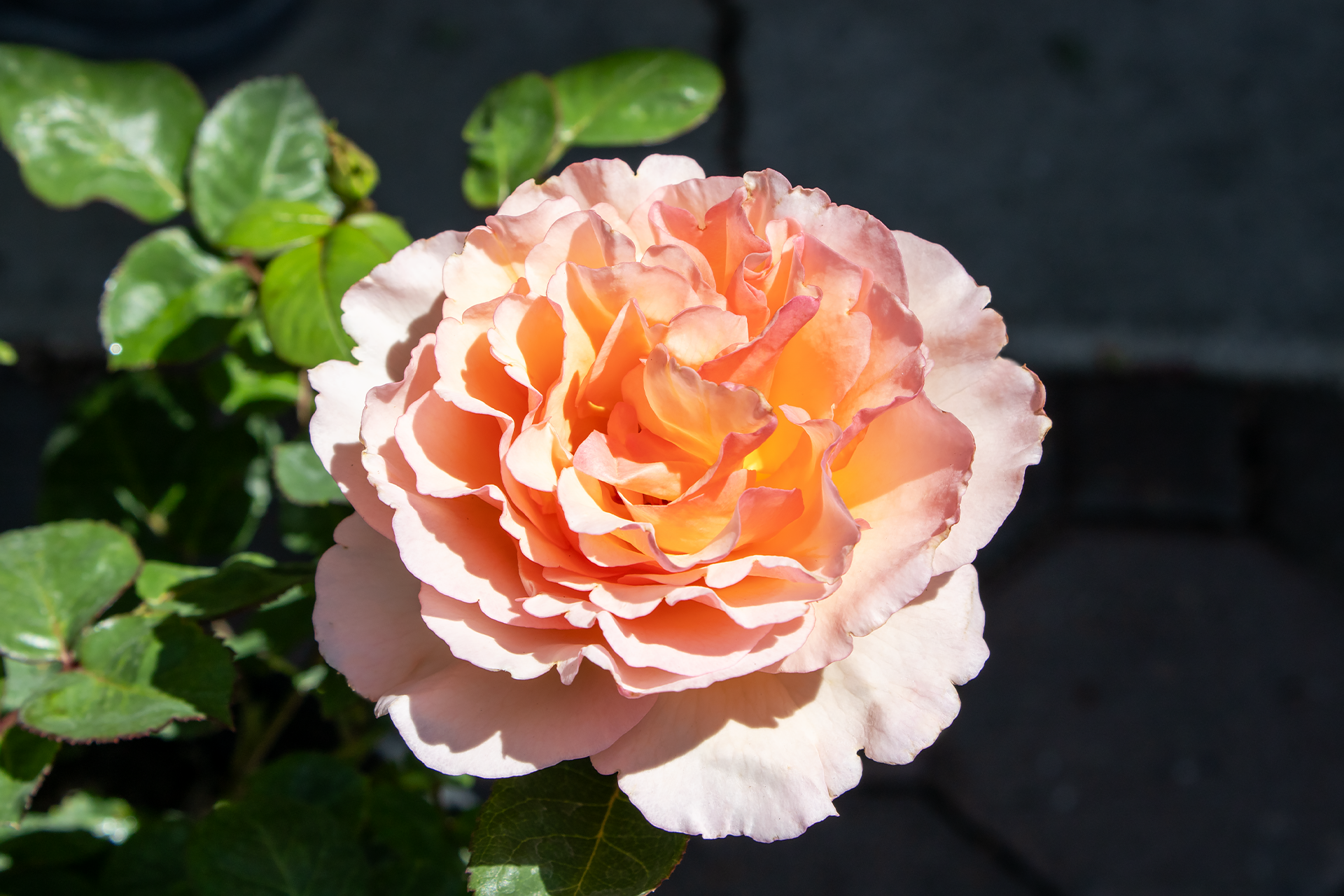
Growing roses in the high desert of Northern Nevada means working with extremes. The climate brings intense sun, low humidity, alkaline soil, and wide temperature swings between day and night. While that might sound harsh, roses can do very well here if you focus on soil improvement, deep watering, and consistent seasonal care.
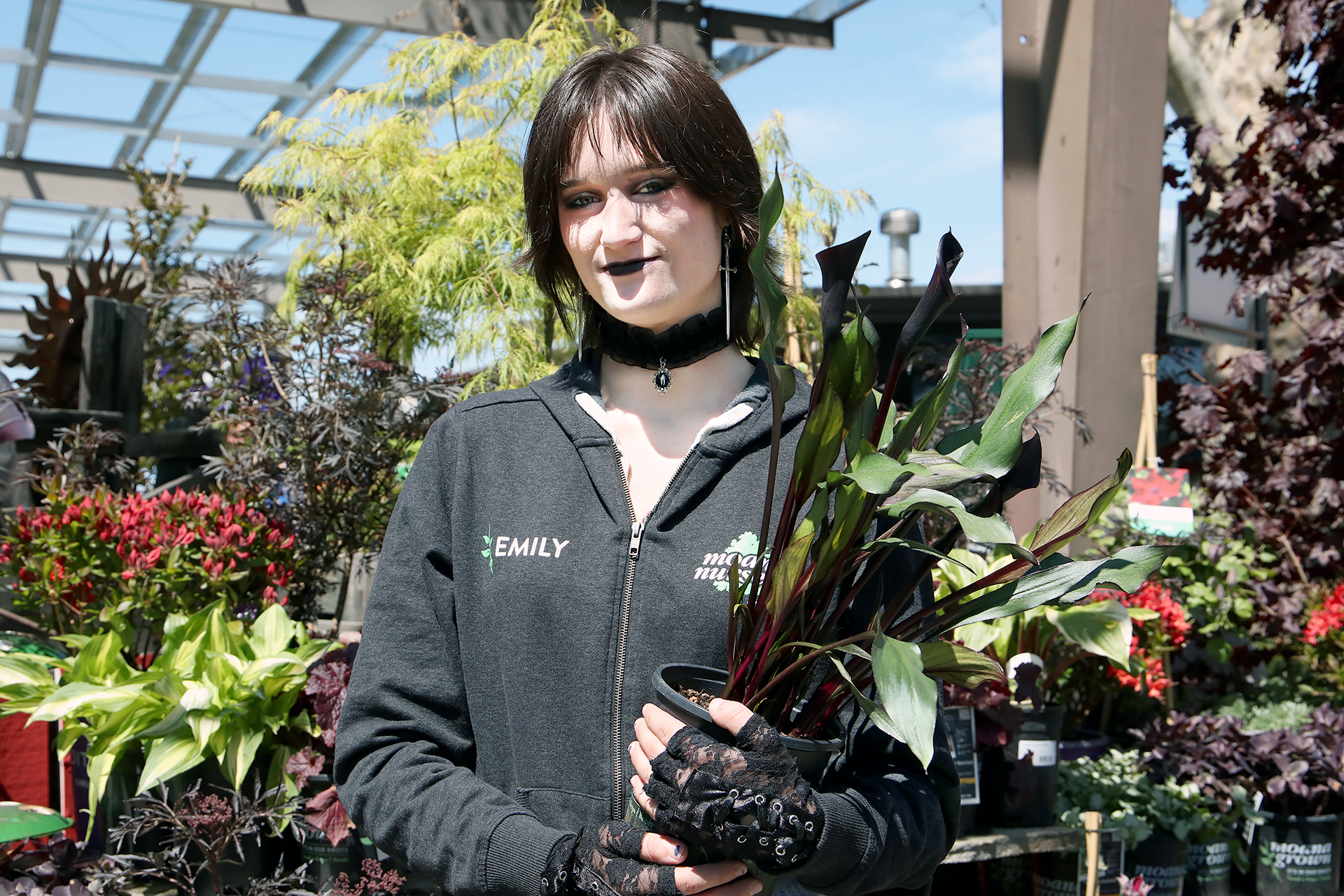
For years, bright blooms and vibrant greenery dominated garden design trends, but darker foliage has quietly become one of the most impactful ways to create a more elevated outdoor space.