Share
Rockin’ Shamrock Plants: All About Oxalis
Oxalis, commonly known as shamrock, is a charming and surprisingly diverse genus of plants that carries deep cultural symbolism and remarkable botanical character. With delicate clover-like leaves that open to the sun and fold at night, oxalis has long captured both the imagination and affection of gardeners around the world. While it is most famously associated with Ireland and St. Patrick’s Day, oxalis is far more than a seasonal novelty, it’s a resilient, fascinating houseplant with a rich heritage and a wide range of stunning varieties.
The story of the shamrock begins in Ireland, where the small three-leafed plant became an enduring national emblem. According to tradition, St. Patrick used the three-part leaf to explain the concept of the Holy Trinity: Father, Son, and Holy Spirit, making the shamrock a symbol of unity and spiritual harmony. Though historians debate which exact species of plant was originally used, oxalis has become one of the most widely cultivated plants representing that symbol today. Over time, shamrock imagery grew to represent Irish identity, luck, renewal, and the arrival of spring.
Symbolically, oxalis carries meanings beyond Ireland. Its trifoliate leaves are associated with balance and good fortune. In Victorian flower language, oxalis represented joy and motherly love. The plant’s daily rhythm, leaves opening in daylight and folding in darkness, has also made it a quiet symbol of resilience and adaptability. Watching an oxalis plant gently close its leaves at dusk feels almost like witnessing a living thing tucking itself in for the night.
Botanically, oxalis belongs to a large genus containing hundreds of species found across South America, Africa, Europe, and North America. The varieties most commonly grown as houseplants tend to originate from Brazil or South Africa, and many grow from small bulbs or tubers. This bulbous nature explains one of oxalis’s unique traits: it goes dormant. When foliage dies back, it may appear the plant is gone, but beneath the soil, the bulb is simply resting and preparing for another cycle of growth.
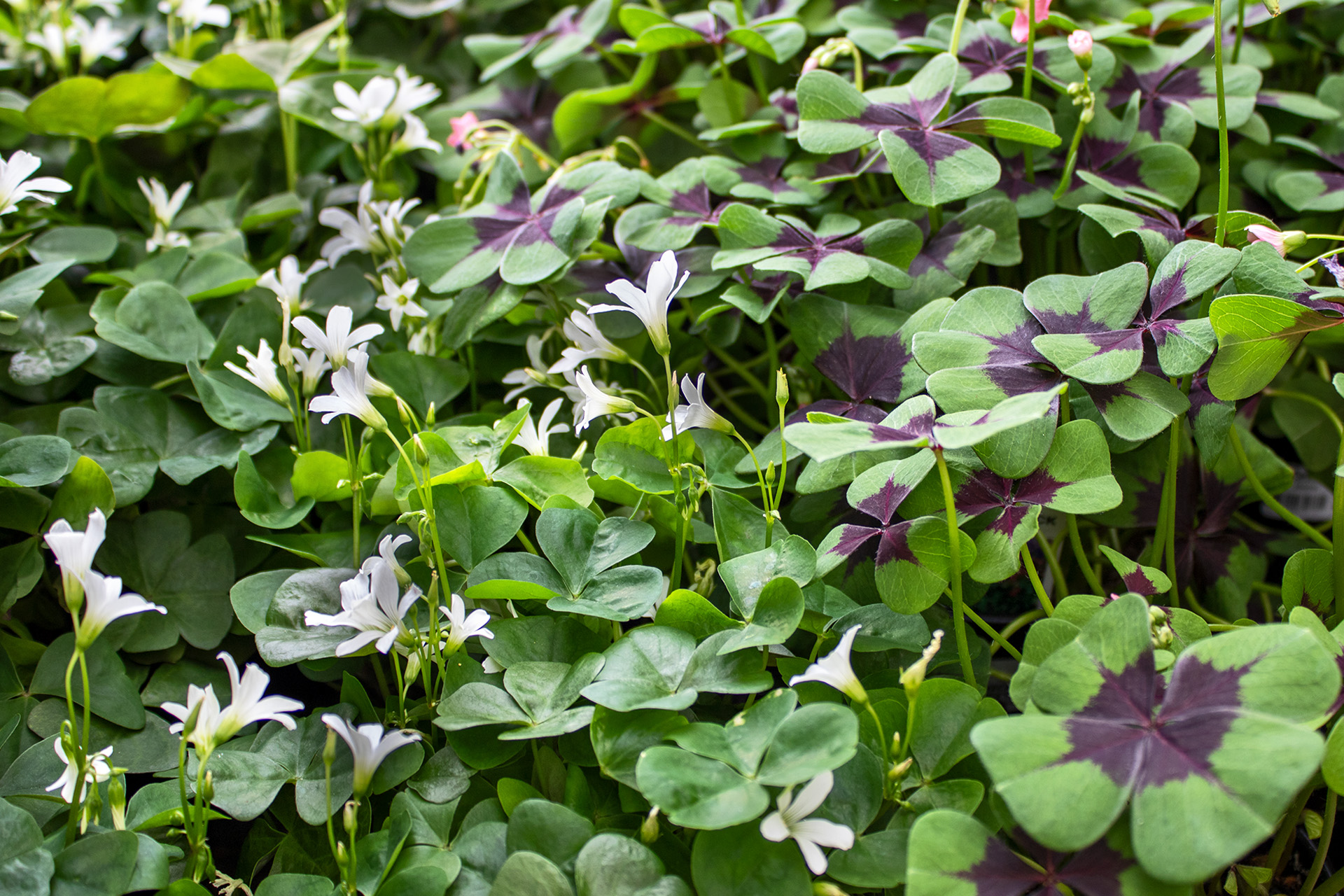
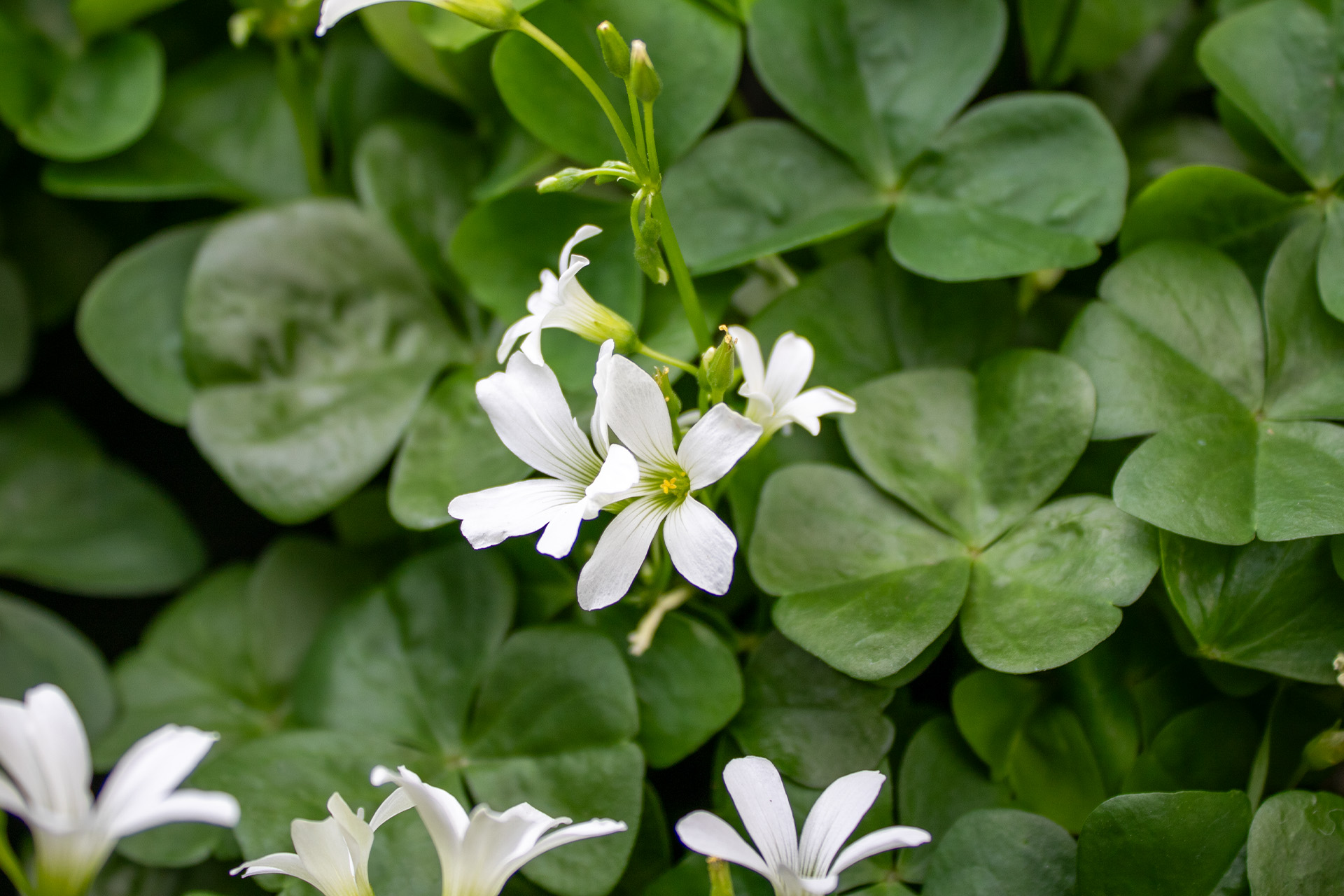
Among the most popular varieties is the classic green shamrock, often favored around St. Patrick’s Day. The “Lucky Green” types typically feature bright green, three-part leaves and delicate white or pale pink flowers. They evoke the traditional shamrock look and are often gifted as symbols of good fortune.
The purple varieties, most commonly Oxalis triangularis, are especially striking. Their deep plum or violet triangular leaves resemble fluttering butterflies perched on slender stems. When sunlight filters through them, the leaves almost glow. Soft pale pink or white blossoms rise above the dramatic foliage, creating a beautiful contrast. Purple oxalis has become a favorite among houseplant enthusiasts because of its bold color and elegant movement.
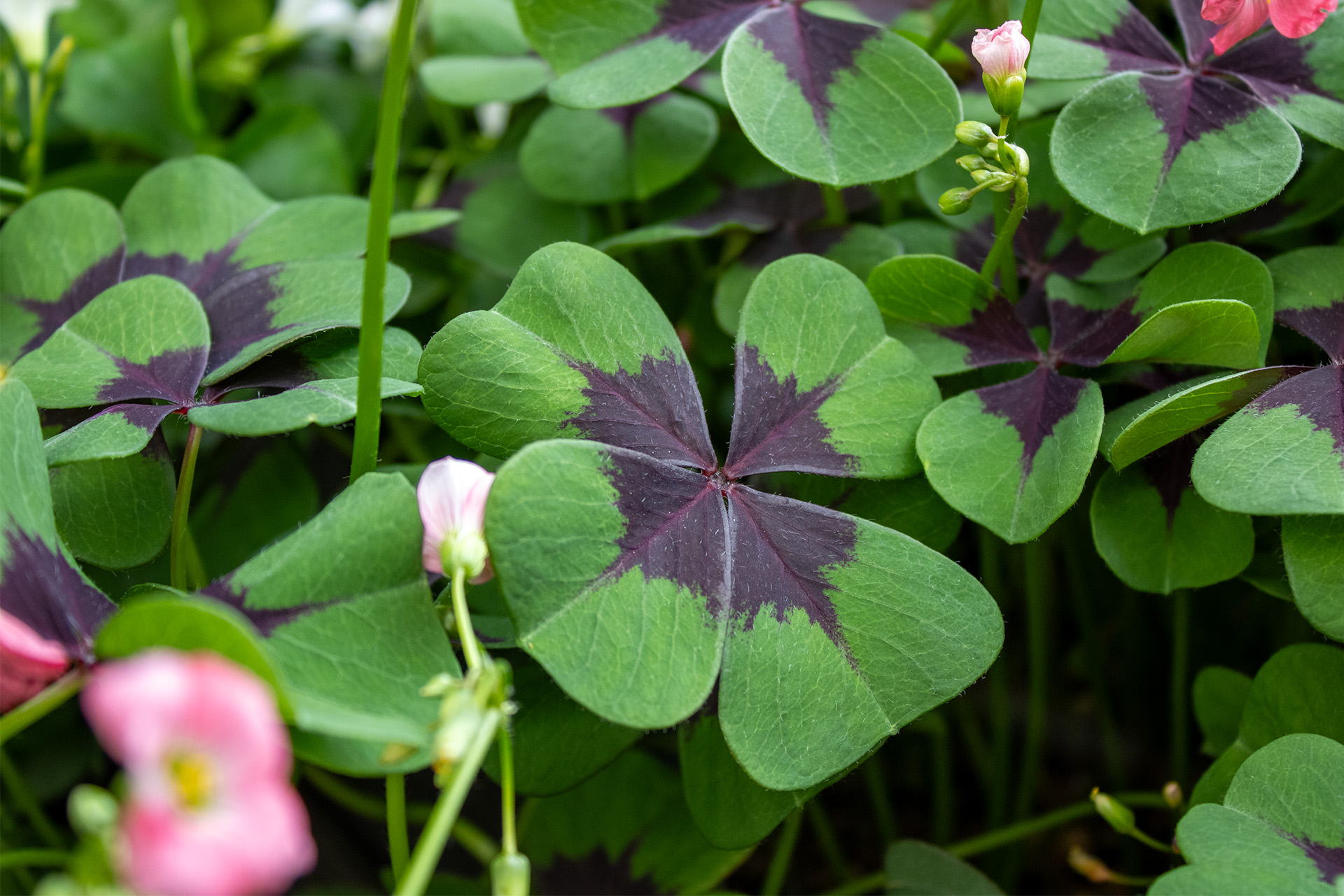
Another eye-catching variety is the “Iron Cross” oxalis (Oxalis tetraphylla), named for the dark burgundy cross-shaped marking at the center of each four-part green leaf. Unlike the traditional three-leaf shamrock, Iron Cross oxalis typically has four leaflets, enhancing its reputation as a “lucky” plant. Bright rosy-pink flowers add even more charm during their blooming season.
Growing oxalis as a houseplant in the high desert presents unique considerations. High desert climates characterized by low humidity, intense sunlight, and significant temperature swings, can actually suit oxalis quite well if managed thoughtfully. Because many oxalis species originate in regions with seasonal dry periods, they are somewhat adapted to cycles of growth and rest. However, indoor desert air can be extremely dry, especially during winter heating months.
Light is one of the most important factors. Oxalis prefers bright, indirect light. In the high desert, south- or west-facing windows can produce very intense afternoon sun, which may scorch the leaves, especially purple varieties. An east-facing window or filtered light through sheer curtains is ideal. If leaves begin to look bleached or crispy at the edges, the light may be too harsh.
Watering requires a balanced approach. Oxalis bulbs dislike sitting in soggy soil, but they also should not remain bone dry during active growth. In the high desert, soil can dry out quickly, so checking moisture regularly is important. Water thoroughly when the top inch of soil feels dry, then allow excess water to drain away completely. During dormancy, when foliage yellows and dies back, reduce watering significantly. Many people mistakenly discard their plant at this stage, but simply allowing the bulbs to rest in barely moist soil for several weeks will encourage regrowth.
Humidity can be a subtle challenge. While oxalis tolerates dry air better than some tropical houseplants, extremely low humidity can cause leaf edges to crisp. Placing the pot on a pebble tray with water (without letting the pot sit directly in water) or grouping plants together can gently increase ambient moisture.
Temperature-wise, oxalis prefer moderate indoor conditions between 60–75°F. High desert nights that drop significantly are not usually a problem indoors, but avoid placing the plant near drafty windows in winter or directly next to heating vents.
A well-draining potting mix is essential. A standard indoor potting soil amended with perlite or coarse sand works well. Because oxalis grows from bulbs, it benefits from being slightly root-bound and does not require frequent repotting. When repotting is needed, it is often an opportunity to divide bulbs and propagate new plants.
One delightful aspect of oxalis is its nyctinasty, the technical term for its leaf-folding behavior in response to light changes. The leaves and flowers open with daylight and close in darkness or heavy cloud cover. This movement is driven by changes in water pressure within specialized cells at the base of each leaflet. It’s a subtle daily performance that gives the plant personality.
In the high desert especially, where landscapes can feel stark and climate conditions are extreme, oxalis brings a touch of softness and symbolism indoors. Whether you choose a bright green shamrock for luck, a dramatic purple variety for bold beauty, or the distinctive Iron Cross for its lucky four-leaf pattern, oxalis offers history, meaning, and gentle movement in one compact, resilient plant. It is a small but powerful reminder that even in harsh environments, growth returns, sometimes quietly, and always beautifully.
Share

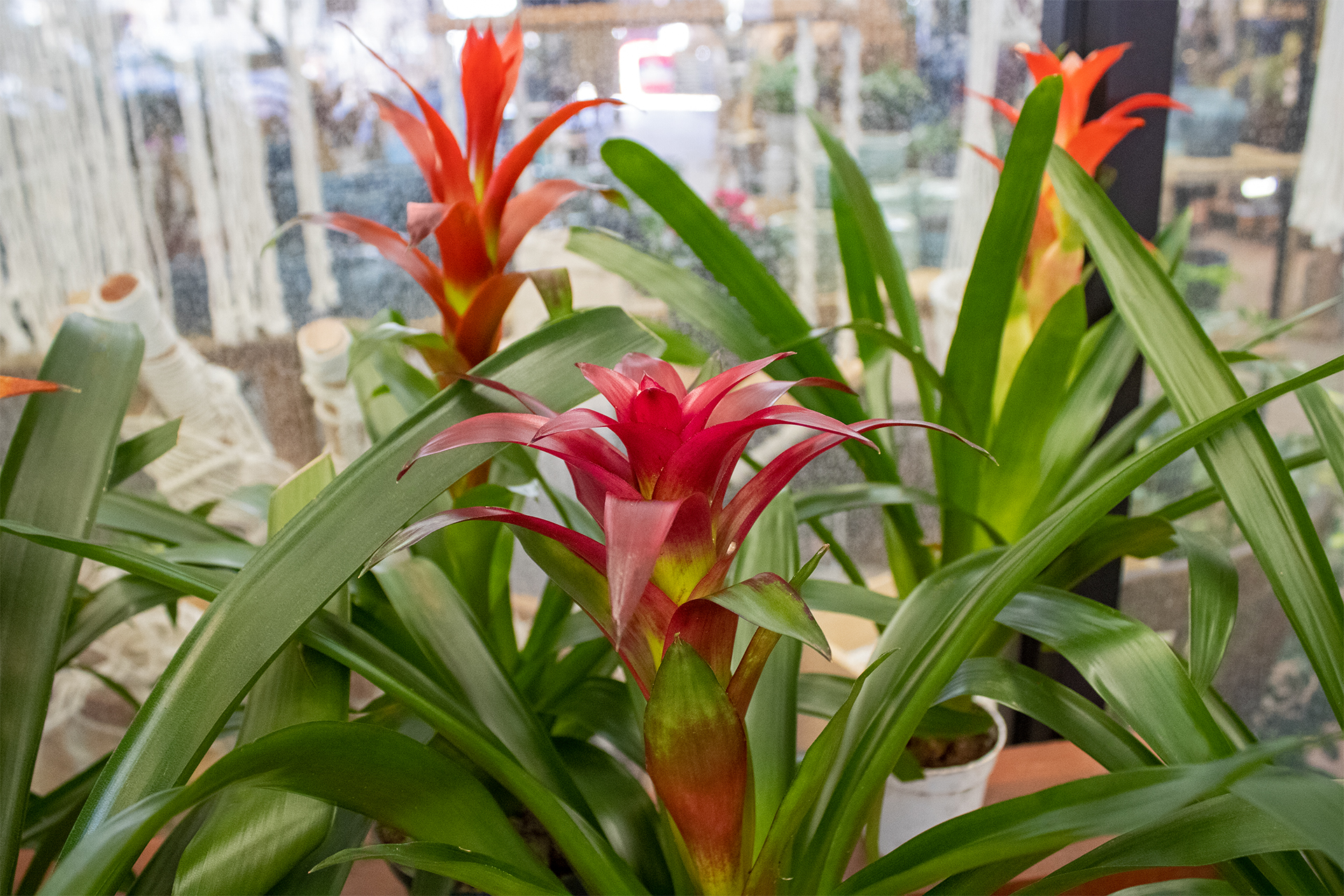
Bromeliads are some of the most striking and versatile plants a gardener can grow. With their architectural rosettes, vivid bracts, and surprising adaptability, they bring bold texture and color to windowsills, patios, greenhouses, and tropical landscapes alike.
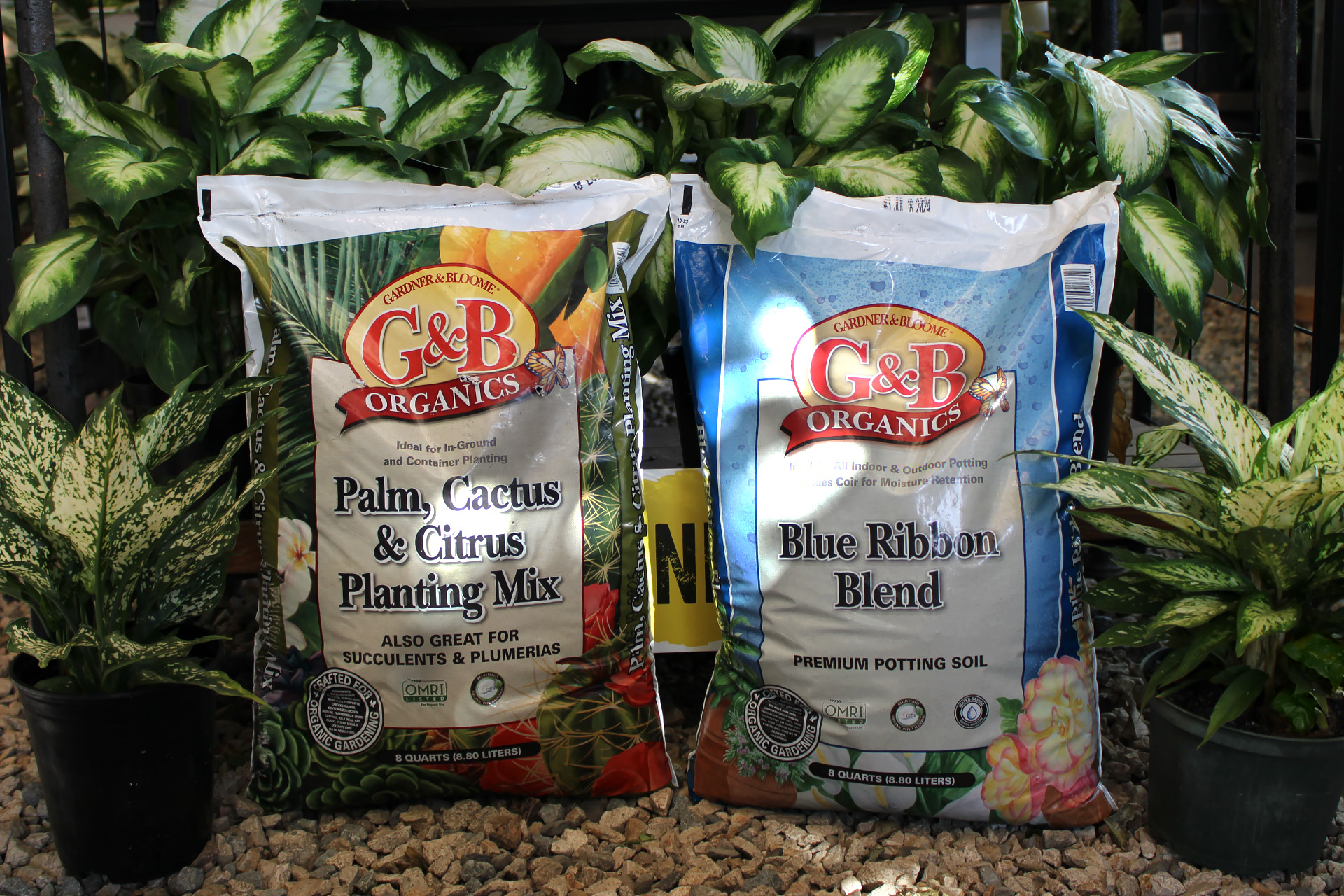
The soil you choose determines how well your plant’s roots can breathe, how water drains or is retained, and how nutrients become available.
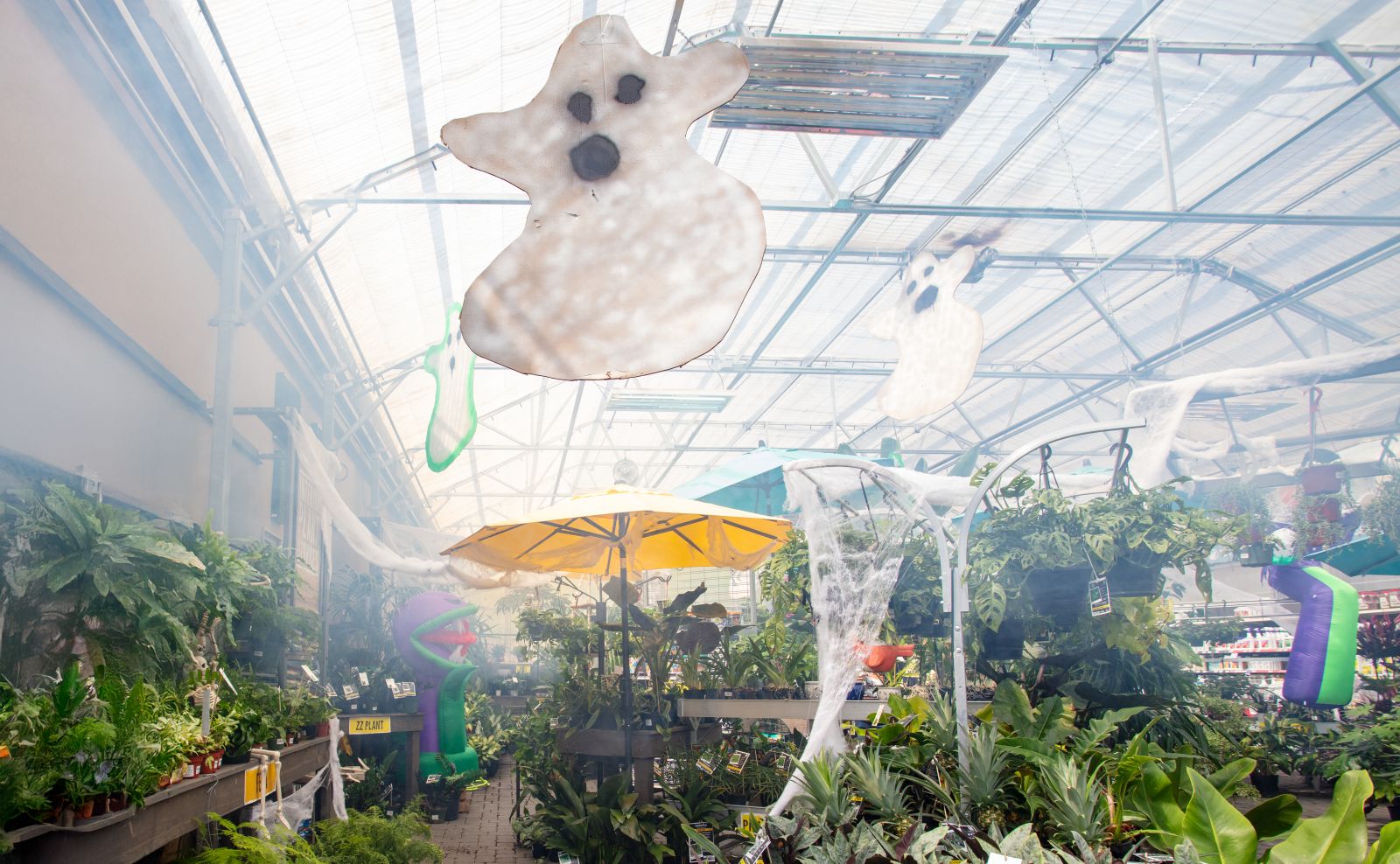
This Halloween season, Pyramid Way Moana Nursery is turning up the fright factor in a way you’ve never seen before.
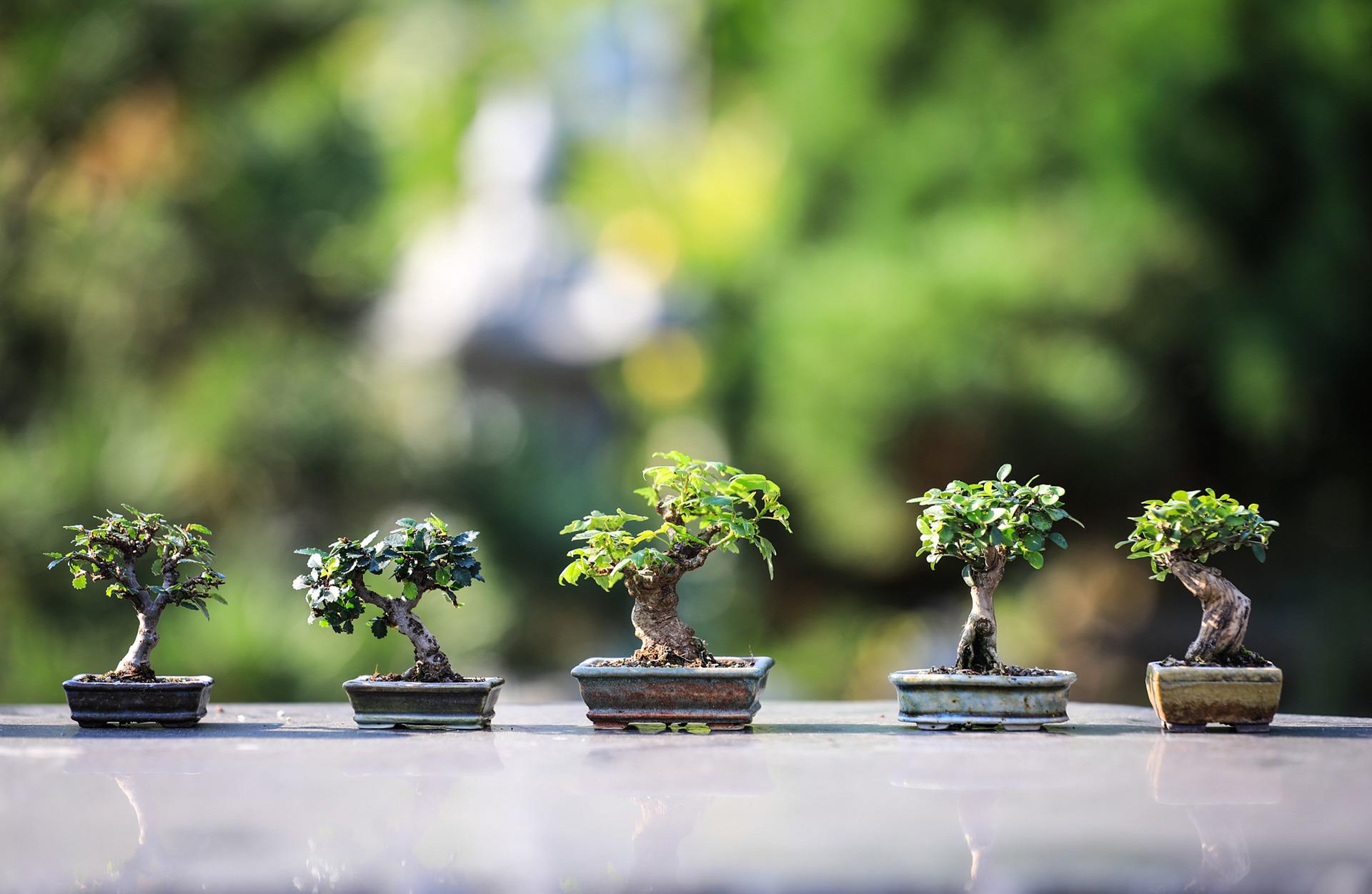
Bonsai trees are more than miniature plants in decorative pots—they are living works of art that embody harmony, patience, and the deep relationship between nature and human craftsmanship.