Share
Fungus Gnats: Here’s the Dirty
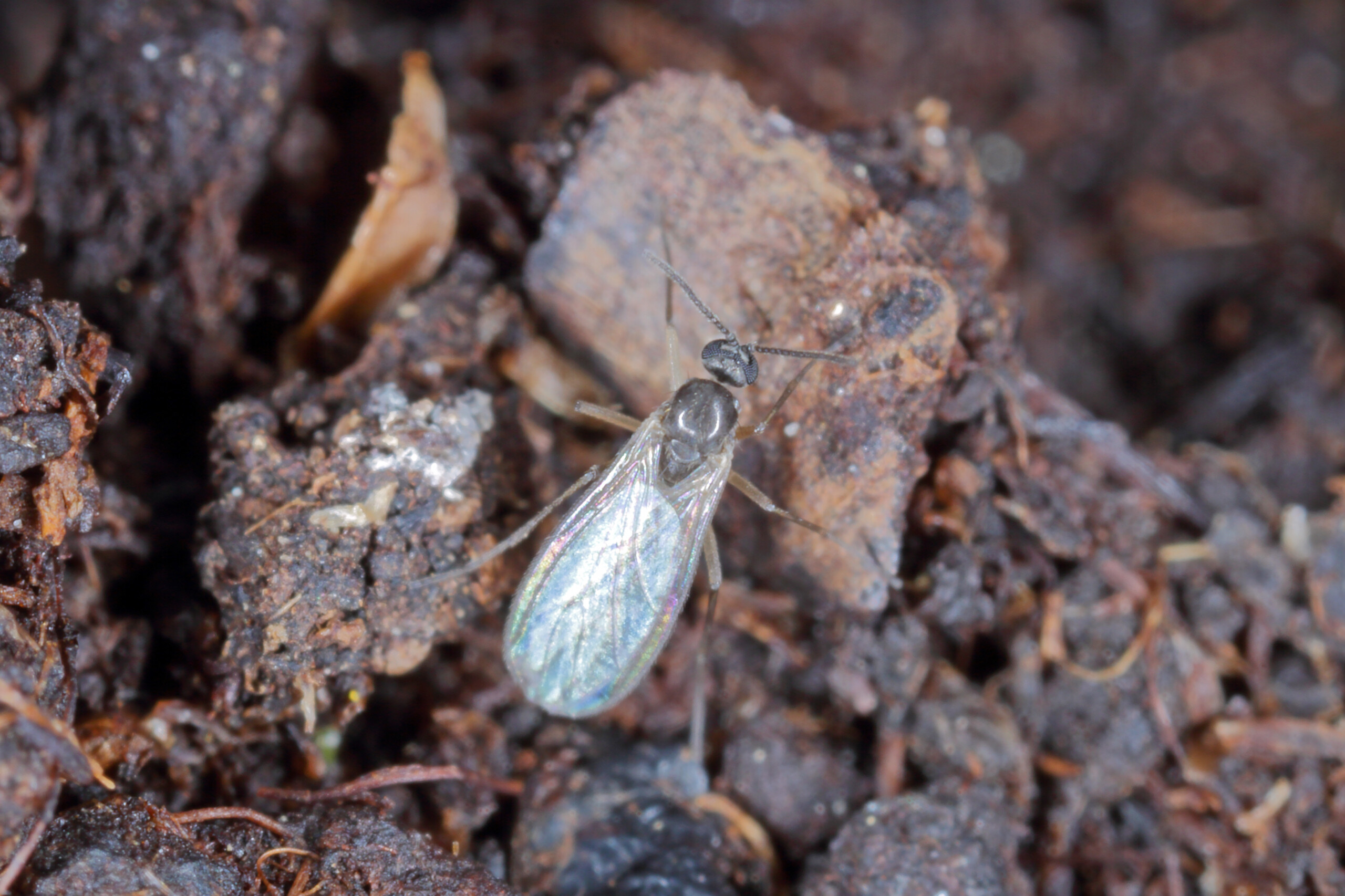
Fungus gnats are among the most common pests that houseplant owners encounter. These tiny, mosquito-like insects often seem to appear out of nowhere, hovering over pots or darting around your face when you water your plants. While adult fungus gnats are mostly annoying rather than harmful, the presence of these pests is usually a sign of conditions that can ultimately lead to plant stress. And when an infestation grows, it can become more than a simple nuisance.
Are Fungus Gnats Bad for Houseplants?
Many plant parents initially assume fungus gnats are harmless because the adults don’t bite, don’t sting, and don’t feed on plants. In fact, the adult gnats themselves rarely cause direct damage. The real trouble begins beneath the surface of the soil, where the larvae live. Fungus gnat larvae feed primarily on decaying organic matter, but when their population increases or food becomes scarce, they also nibble on delicate plant roots. For mature plants, this root damage may only cause mild stress. For young seedlings, small houseplants, or plants already struggling with root health, the impact can be significant—slowed growth, yellowing leaves, or wilting even when the soil is moist.
How Fungus Gnats Affect Soil and Plant Health
The greatest influence fungus gnats have on plant health occurs in the soil. Their larvae thrive in consistently damp, organically rich potting mixes—the kind many houseplants are grown in. As they move through the soil, they feed on fungi, decaying roots, and microorganisms. In small numbers, this activity is relatively harmless. But in larger numbers, larvae can cause enough root damage to weaken a plant’s ability to absorb water and nutrients. A weakened root system also becomes more susceptible to diseases such as root rot, creating a cycle that makes it even easier for fungus gnats to flourish.
The Fungus Gnat Life Cycle
Understanding how fungus gnats reproduce is key to eliminating them. Their life cycle is surprisingly fast. Adult females lay hundreds of eggs in moist soil. Within several days, the eggs hatch into larvae, which live in the top layer of the potting mix for one to two weeks. After feeding and growing, they pupate for a few more days before emerging as new adults. Under warm indoor conditions, this entire cycle can repeat in just three to four weeks. Because of this rapid reproduction, a small issue can quickly become a persistent infestation if not addressed early.
How to Prevent Fungus Gnats in the First Place
Preventing fungus gnats largely comes down to managing soil moisture and creating an environment that discourages egg laying. Allowing the top inch or two of soil to dry out between waterings is one of the most effective deterrents, as the larvae cannot survive without constant moisture. Plants that tolerate drier soil—like pothos, snake plants, philodendrons, and succulents—are particularly easy to protect with proper watering practices.
Improving drainage also plays a crucial role. Well-draining potting mixes containing perlite, pumice, or orchid bark dry more evenly and faster than dense, peat-heavy soils. Pots with proper drainage holes help prevent water from collecting at the bottom, reducing the damp conditions fungus gnats love. Likewise, bottom-watering can help keep the surface layer drier and less inviting for egg-laying adults.
How to Treat a Fungus Gnat Infestation
Once fungus gnats have made themselves at home, treatment should focus on both stages of the pest: eliminating adults and destroying the larvae in the soil. Managing adults helps prevent new eggs from being laid, while addressing the larvae breaks the cycle.
Yellow sticky traps are a commonly used tool for catching adult gnats. These bright traps attract flying insects and help reduce the population while giving you a sense of how severe the infestation is. Although useful, sticky traps alone will not solve the problem—because the larvae remain safely in the soil.
For treating the larvae, one of the most effective methods is using BTI (Bacillus thuringiensis israelensis), a naturally occurring bacterium found in products like Mosquito Bits or Gnatrol. When soaked into the soil, BTI specifically targets and kills fungus gnat larvae but is harmless to plants, pets, and people.
Another popular method is a diluted hydrogen peroxide drench—typically one part standard 3% hydrogen peroxide mixed with four parts water. When applied to the soil, the solution creates oxygenation as it breaks down, killing larvae on contact while being safe for the plant’s roots.
Neem oil soil soaks can also help reduce larvae populations, especially when used consistently over several weekly treatments. For severe infestations, some plant owners choose to remove and replace the top layer of soil—the zone where most larvae are concentrated—or fully repot the plant using fresh, sterile mix.
Throughout treatment, adjusting watering habits is essential. Letting the soil dry more thoroughly ensures that the larvae cannot thrive and prevents new eggs from hatching successfully.
Are Fungus Gnats a Sign of Poor Plant Care?
Despite how common they are, fungus gnats often make plant owners feel like they’ve done something wrong. In reality, even experienced indoor gardeners deal with them. Moist soil, high humidity, and low air circulation simply give them the opportunity to multiply. Rather than a sign of failure, fungus gnats are usually just an indication that conditions are a bit too damp—and easily corrected.
Final Thoughts
Fungus gnats can be irritating, but they are far from unbeatable. By understanding their life cycle, adjusting watering practices, improving soil drainage, and using targeted treatments like BTI or hydrogen peroxide, you can eliminate existing infestations and prevent new ones from forming. With a little persistence, your houseplants can return to a healthy, pest-free state.
Share

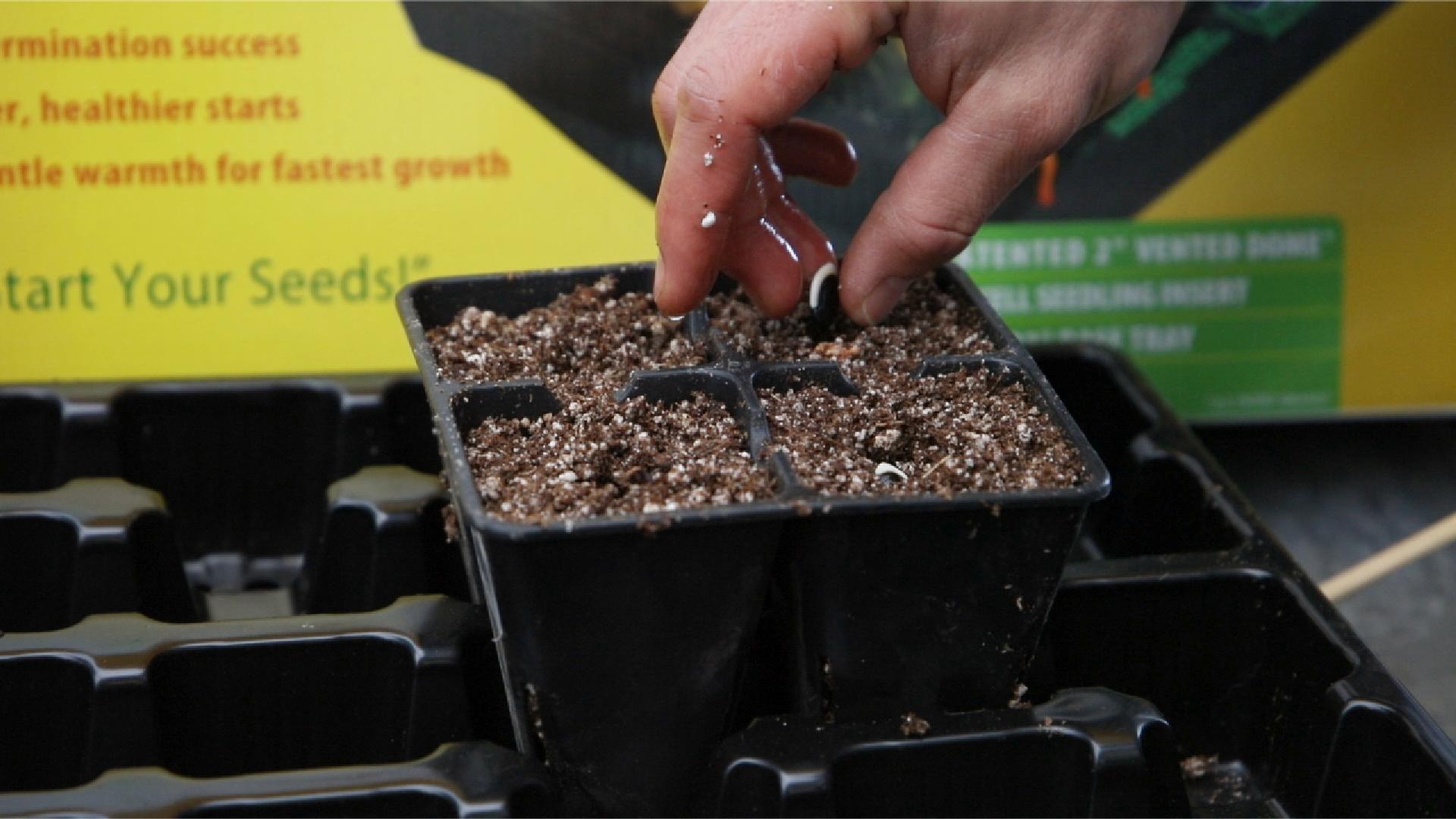
Starting seeds indoors allows gardeners to work around these challenges by giving plants a strong, controlled beginning.
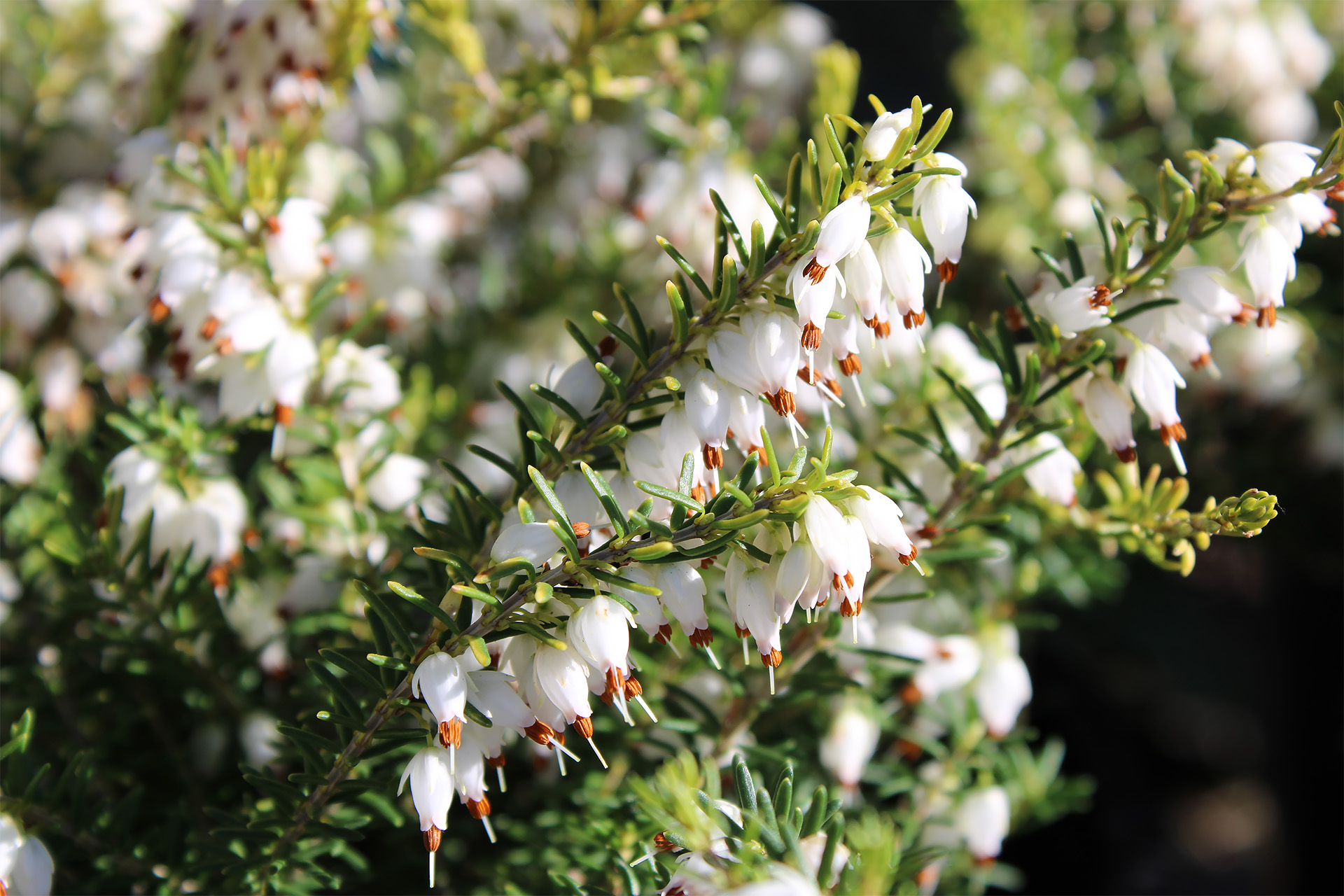
If you crave color when the rest of the garden is still half-asleep, winter-blooming heaths are one of the best-kept secrets in cold-climate gardening.
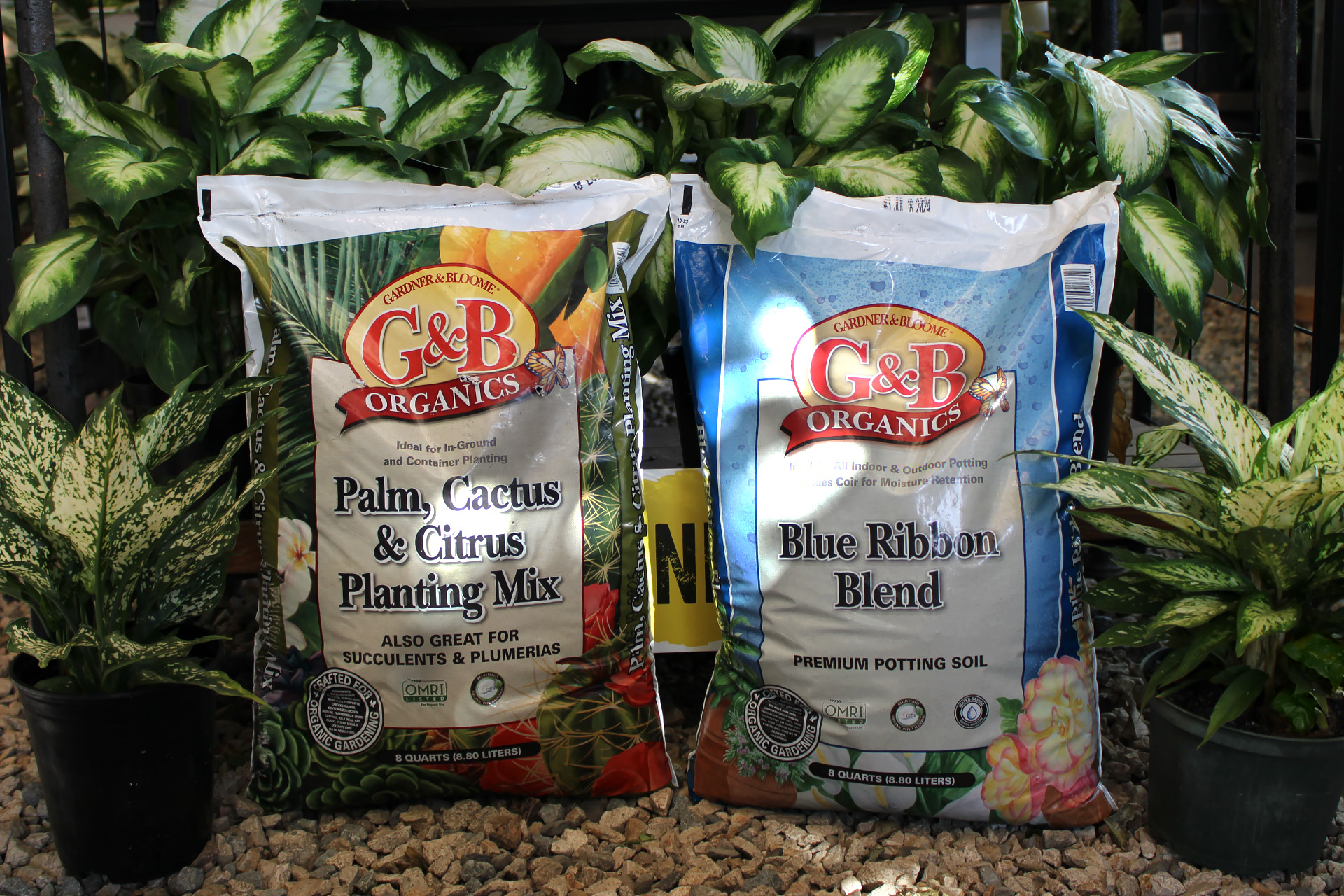
The soil you choose determines how well your plant’s roots can breathe, how water drains or is retained, and how nutrients become available.
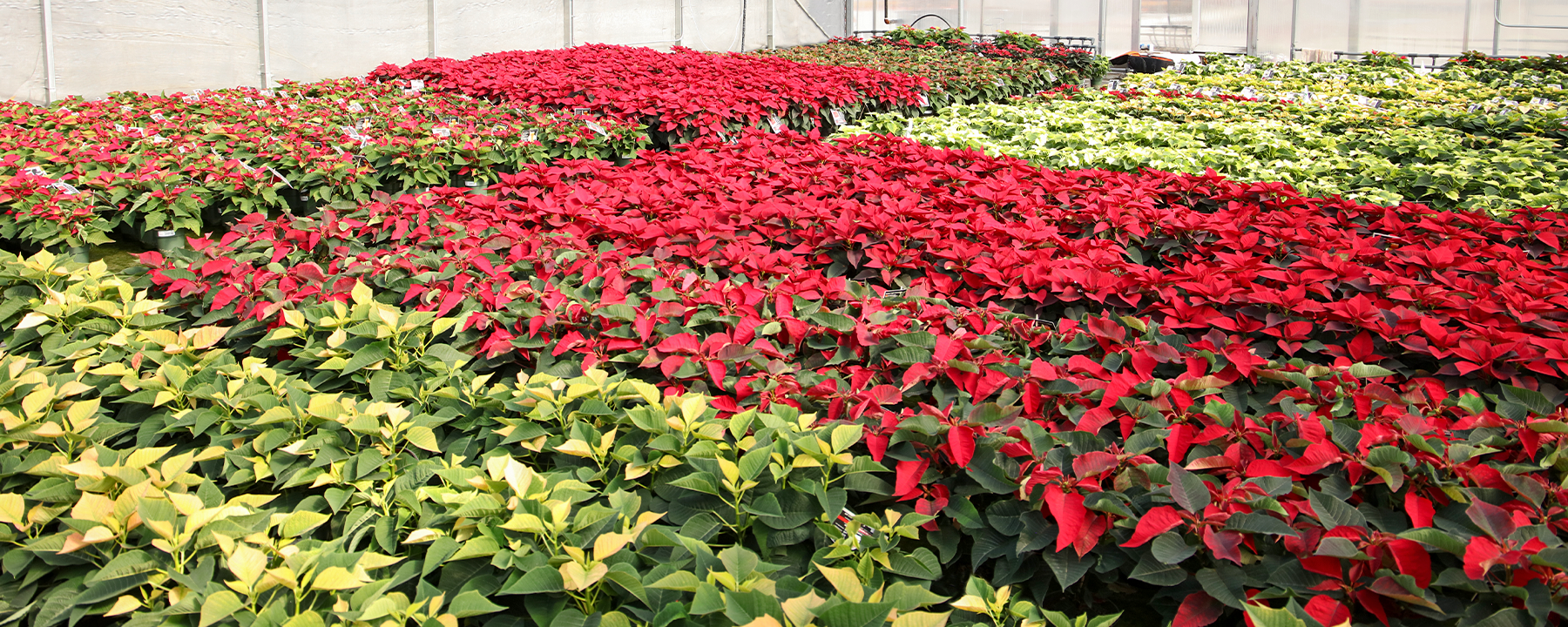
Moana Nursery is excited to introduce a new solution that’s easy, eco-friendly, and community-minded: Poinsettia Recycling, in partnership with Full Circle Compost.