Share
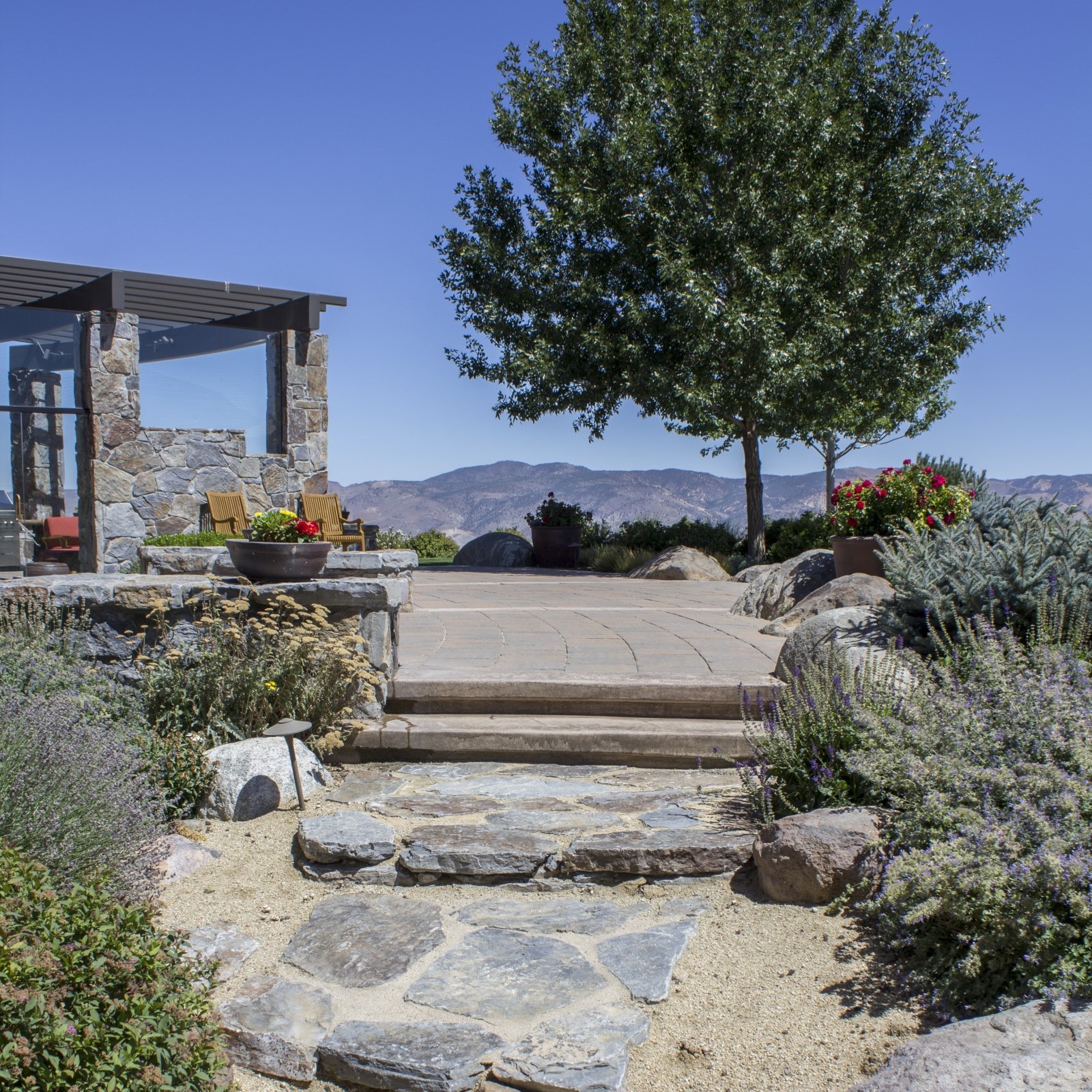
Designing a Water-wise Garden for the High Desert
High Desert Gardening and Xeriscaping
What is xeriscaping? Xeriscaping is the practice of landscaping a garden with little to no use of supplemental irrigation. A garden that can sustain on the natural precipitation in an area. For us here in Northern Nevada, we like to call this High Desert Gardening.
High Desert Gardening presents many challenges ranging from water usage and pest control, to plant placement and soil composition. What plants to grow, where to grow them, and how to care for them are all parts of the High Desert Gardening story! In most instances, xeriscaping fundamentals tend to also be landscaping best practices, especially for High Desert Gardeners.
7 Basic Principles of High Desert Gardening
- DESIGN. When designing a landscape, take into account factors such as climate, shade and sun, the contour of the property (slopes, depressions, etc.), soil types, watering requirements for ornamentals and turf grass, and any local regulations that apply.
- SOIL. Match plants with the types of soils best suited for the plants’ survival and health. Test the soil and add nutrients and organic matter, such as compost, to promote plant health and retain water. Learn more about feeding your soil. Grade the soil to direct any excess rain or irrigation water to plants that would appreciate the moisture rather than having it lost to runoff. Some desert plants prefer gravel soils instead of soils rich in organics, make sure to double-check your plant’s preferred soil type before planting.
- LIMITED TURF AREAS. Xeriscaping doesn’t mean “no lawns,” but it does advocate installing and maintaining lawns only where they serve a purpose and will be used, such as where children and pets play. Avoid grassing these sites with species or cultivars of turf grass that require frequent irrigation. In terms of species, a lawn of a native species, such as buffalo grass, requires significantly less irrigation than Kentucky bluegrass. In general, a warm-season turf grass, such as Bermuda grass, is more drought-resistant than most cool-season turf grasses. Many varieties of fescues (turf-type tall fescues and hard fescues) do well with limited irrigation. Better options for lawn areas may be native ground covers or other drought-tolerant plants.
- PICK YOUR PLANTS. Remember the adage “The Right Plant In The Right Place.” Proper plant selection and placement within a landscape is critically important to the success and enjoyment of the landscape. Group plants with similar light and water requirements and put them in locations that meet those requirements. Turf grass, of course, does best in full sun and will require more water than perennial beds that are also in full sun. Plants with moderate water needs are generally best suited for shaded areas or areas near downspouts, while water-loving plants thrive in damp swales or water-collecting depressions on a property.
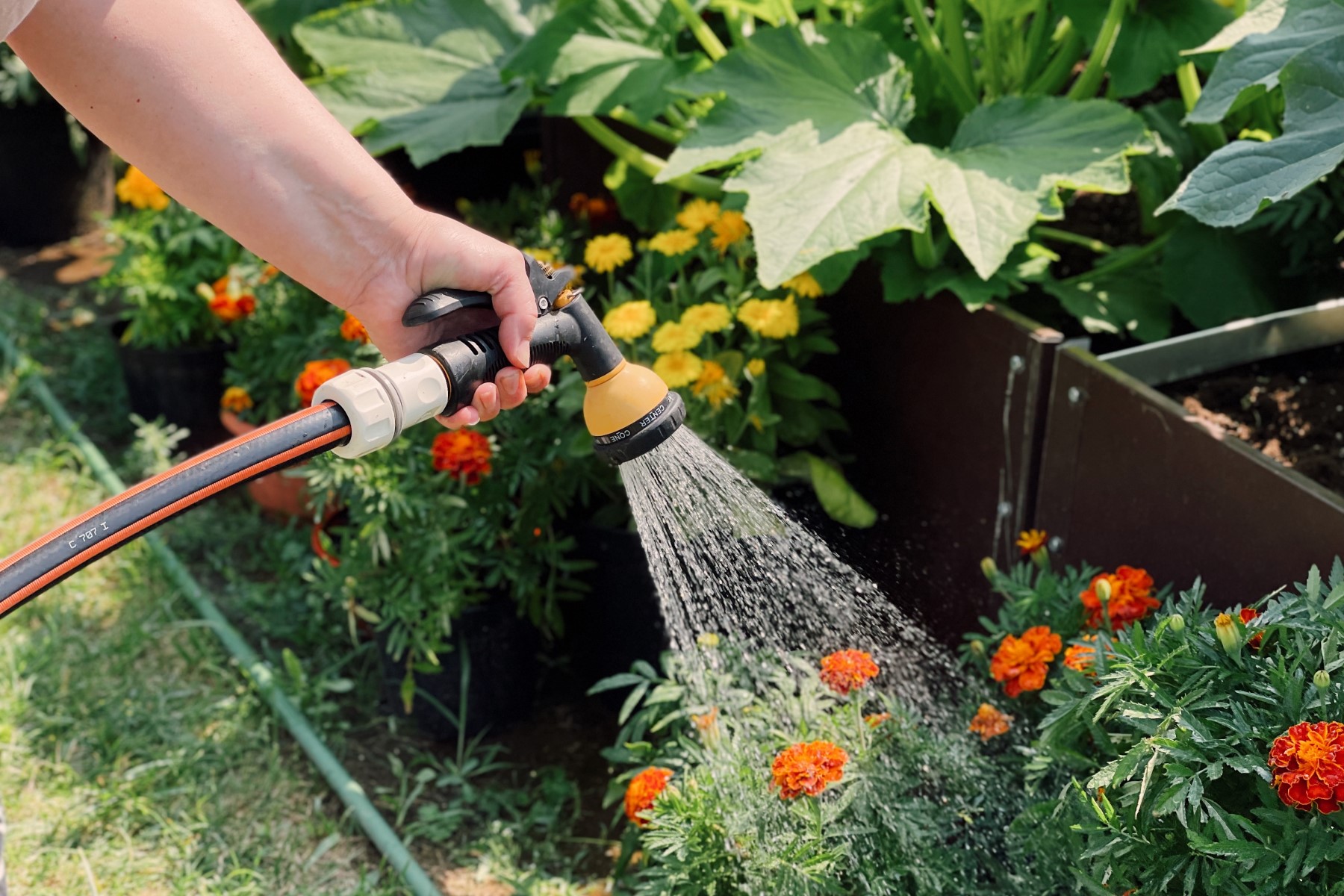
- IRRIGATION. You’re thinking High Desert Gardening means no irrigation. In most cases, that would be a stark landscape and one that few homeowners would enjoy. The better option is to install an automatic irrigation system that irrigates the property in zones, with each zone matching the needed water usage for the plants. For example, areas of turf grass require more frequent watering using a rotating sprinkler versus areas of native or perennials, shrubs, and trees can use focused drip or bubbler emitters.
- MULCH. Mulch serves several purposes in a High Desert Garden. Mulch moderates the soil temperature on plant roots and helps to retain soil moisture. Mulch can also help block weed growth and reduce rain runoff. Apply mulch about 3 inches deep around the base of your plants. Organic mulches, such as compost, bark chips, pine straw, or shredded wood, slowly break down and add extra nutrients which improve the soil over time.
- MAINTENANCE. Like all types of gardening, High Desert Gardening requires maintenance, especially when you first plant. Using xeriscaping principles helps lower the amount of constant care your landscape will need but that doesn’t mean you can forget it! Consistent weeding, mowing, pruning, and checking your irrigation efficiency all help keep your garden healthy and water usage as minimal as possible.
High Desert Gardening does not have to be difficult or stark. By applying the above 7 basic principles from xeriscaping, one can create a beautifully diverse landscape that improves both your life and your surrounding ecosystem.
If you have any questions, stop by any one of our three Moana Nursery garden centers or contact us online.
Share
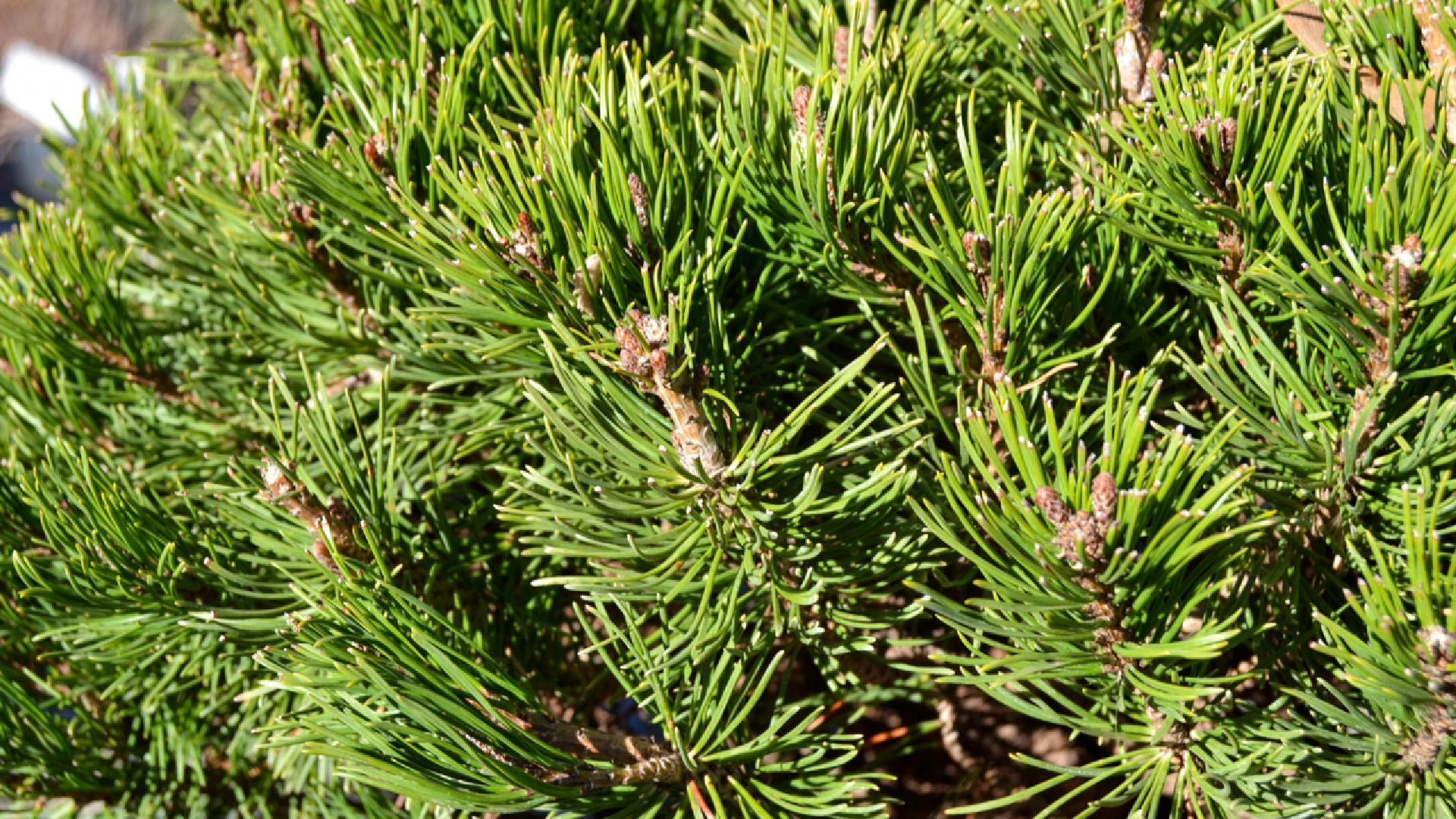
Dwarf mugo pine, known botanically as Pinus mugo var. pumilio, offers a presence that brings texture, provides contrast, and lasts over winter. With dense green needles, sturdy branches, and a naturally low, spreading form, it brings the character of a mountain pine into the home landscape.
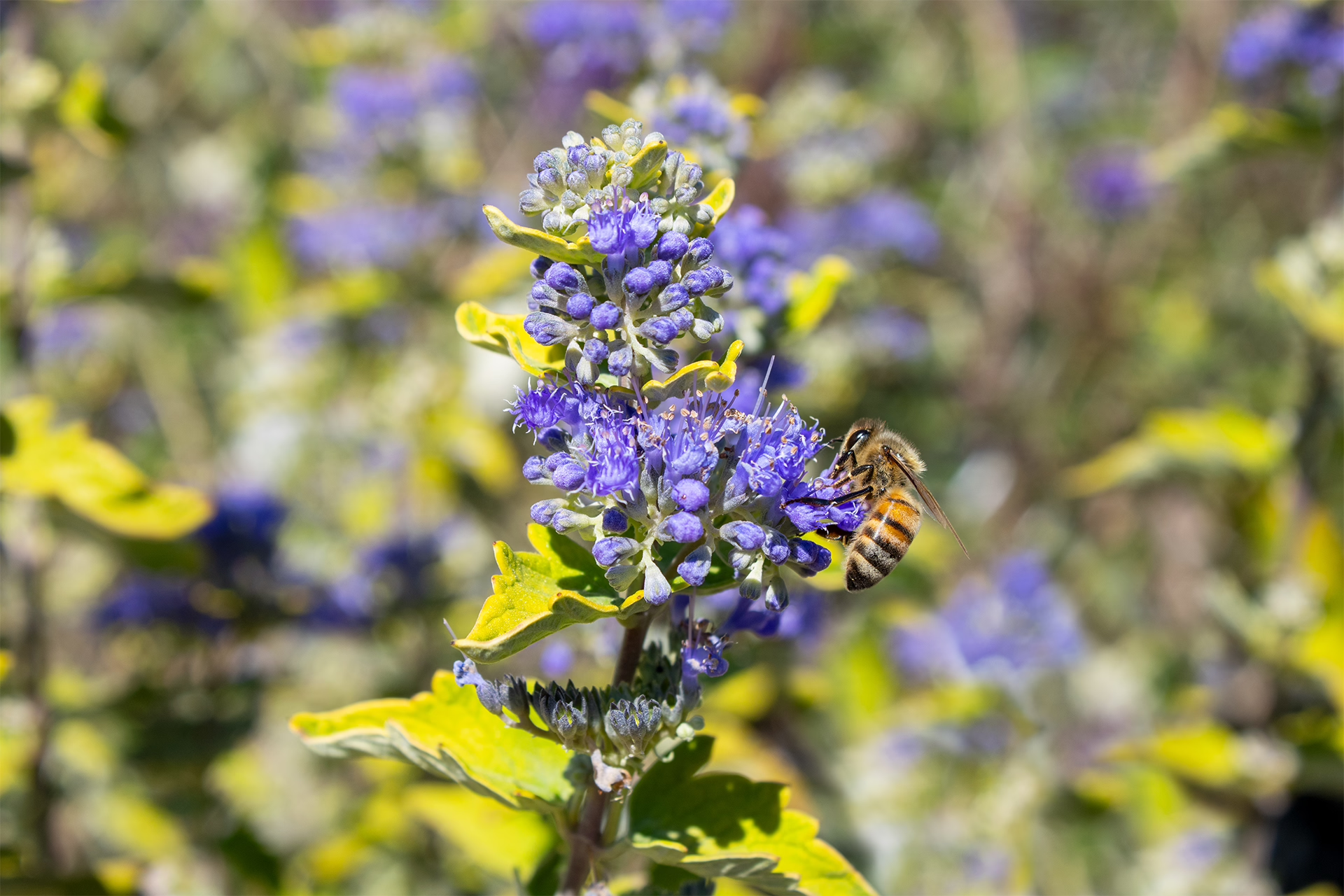
High desert gardeners ask a lot of their plants. A successful shrub must tolerate intense sunlight, dry air, temperature swings, alkaline soil and winter cold, while still bringing color and life to the landscape. Caryopteris meets that challenge beautifully.
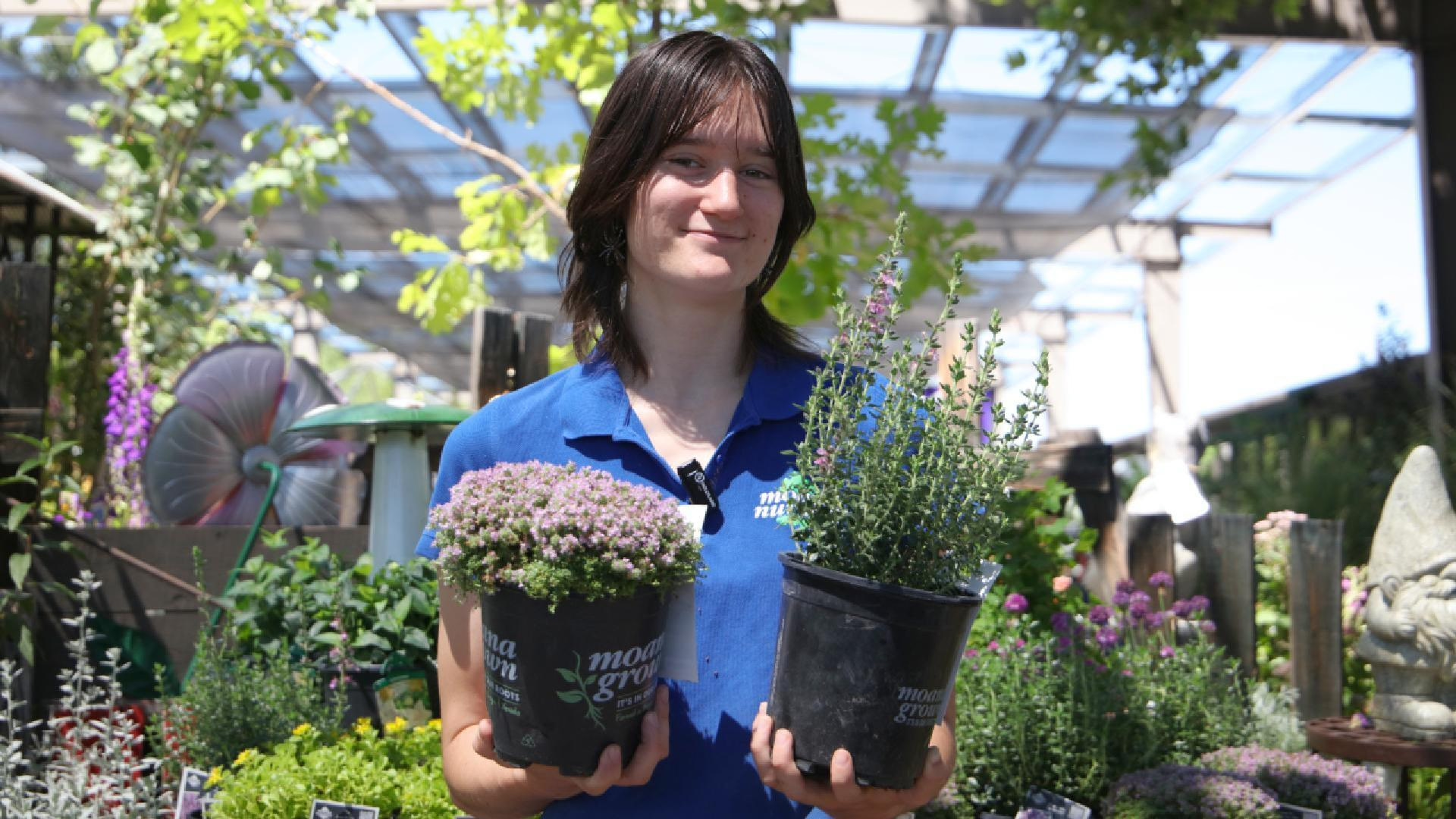
Groundcover perennials are one of the smartest additions to any landscape. Unlike annuals that need to be replanted each year, perennial groundcovers return season after season, filling bare spaces with color and texture while helping suppress weeds, reduce erosion, and conserve moisture.
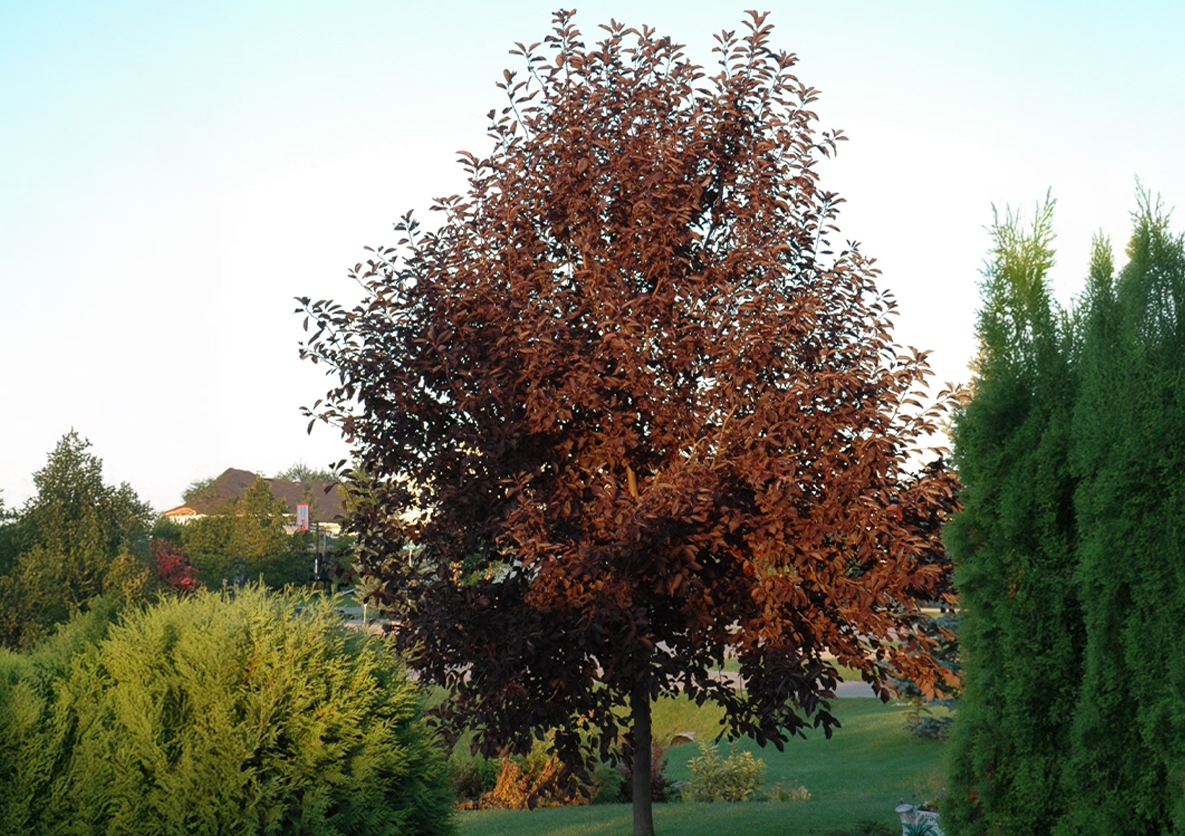
If you're looking for a tree that offers rich purple foliage, fragrant spring flowers, and exceptional hardiness, the Canada Red Chokecherry is an excellent choice. This versatile ornamental tree provides season-long beauty while thriving in challenging climates, making it a favorite for high desert landscapes.