Share
How to Tell When to Repot Your Plant
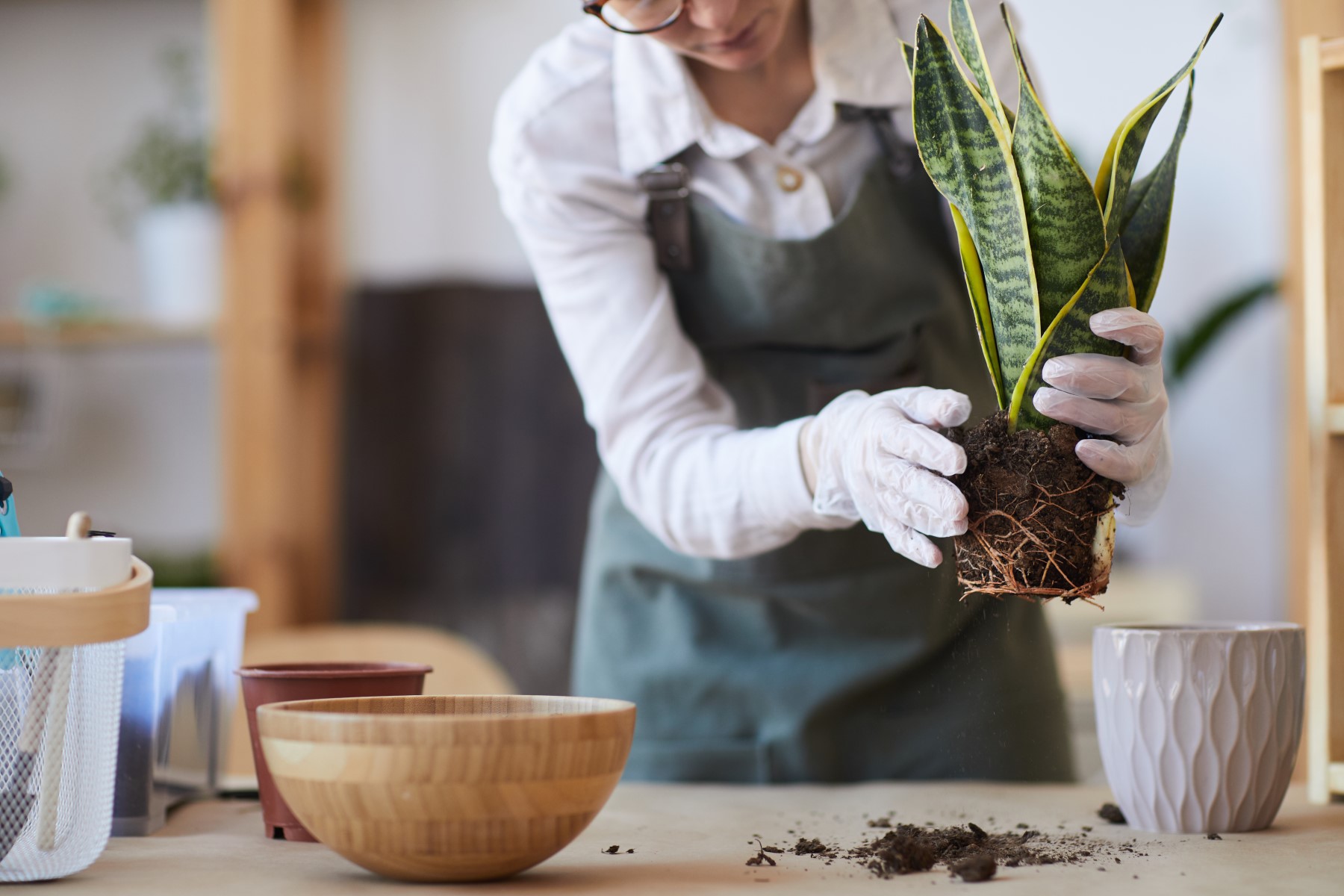
Unfortunately, plants are not like the fish in your tank that only grow to the size of their home. Plants grow root-bound when the amount of plant root volume exceeds the amount of soil volume in their container.
To check, gently lift out your plant from its container. If you can see mostly roots and very little soil, then it is time to transplant your plant into a larger container. Another way to tell is when watering, if water goes straight through as if there was no soil for it to soak into, you know your plant is root-bound.
Select a container that is about 20% larger in volume than your existing pot. A good rule of thumb is not to use a container that is more than 4 inches wider and deeper than your existing root ball. Use a good potting soil (we suggest G&B Blue Ribbon Blend) and make sure that the top of the existing root ball is even with the top of the soil in the new container. Read our blog about how deep to plant trees, shrubs, and plants.
When you are done, you should have no more than 2″ of new soil surrounding all sides of the root ball. Make sure to add a little plant food, and water thoroughly and you’re good to go!
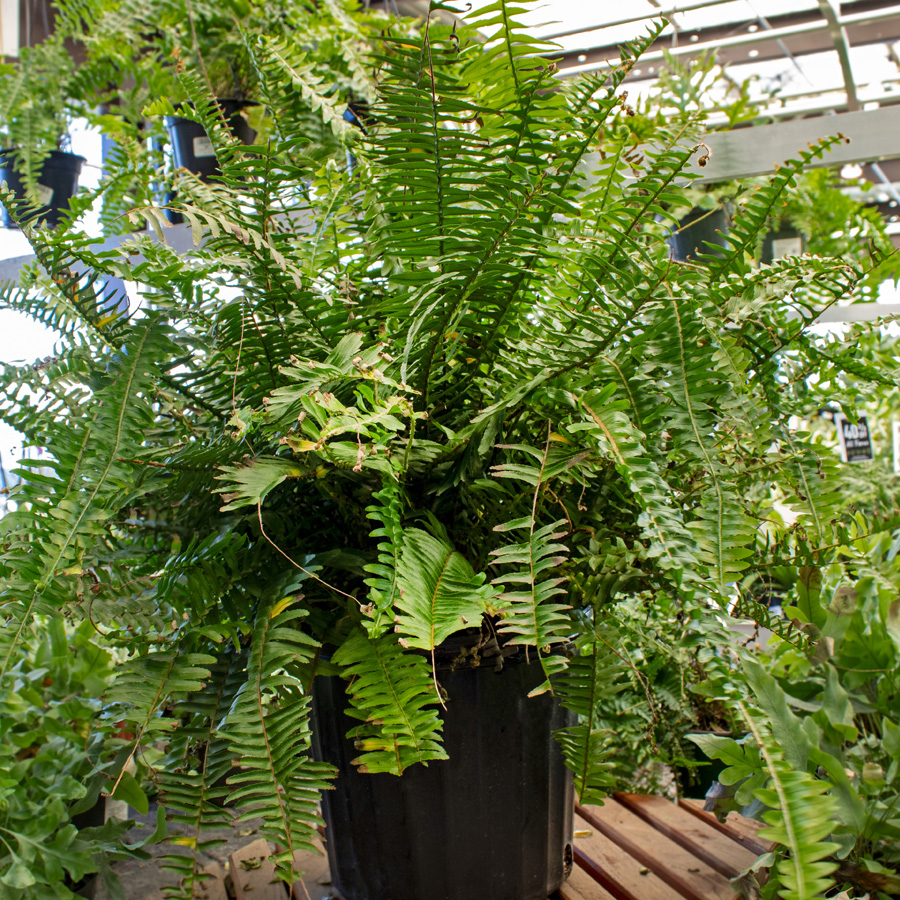
For more tips on repotting plants check out our article and video on repotting a citrus tree. Plant Dr. Angela Turner gives some great advice on repotting plants in general and more specific tips for indoor citrus trees as well.
If you have any questions, stop by any one of our three Moana Nursery garden centers or contact us online.
Share
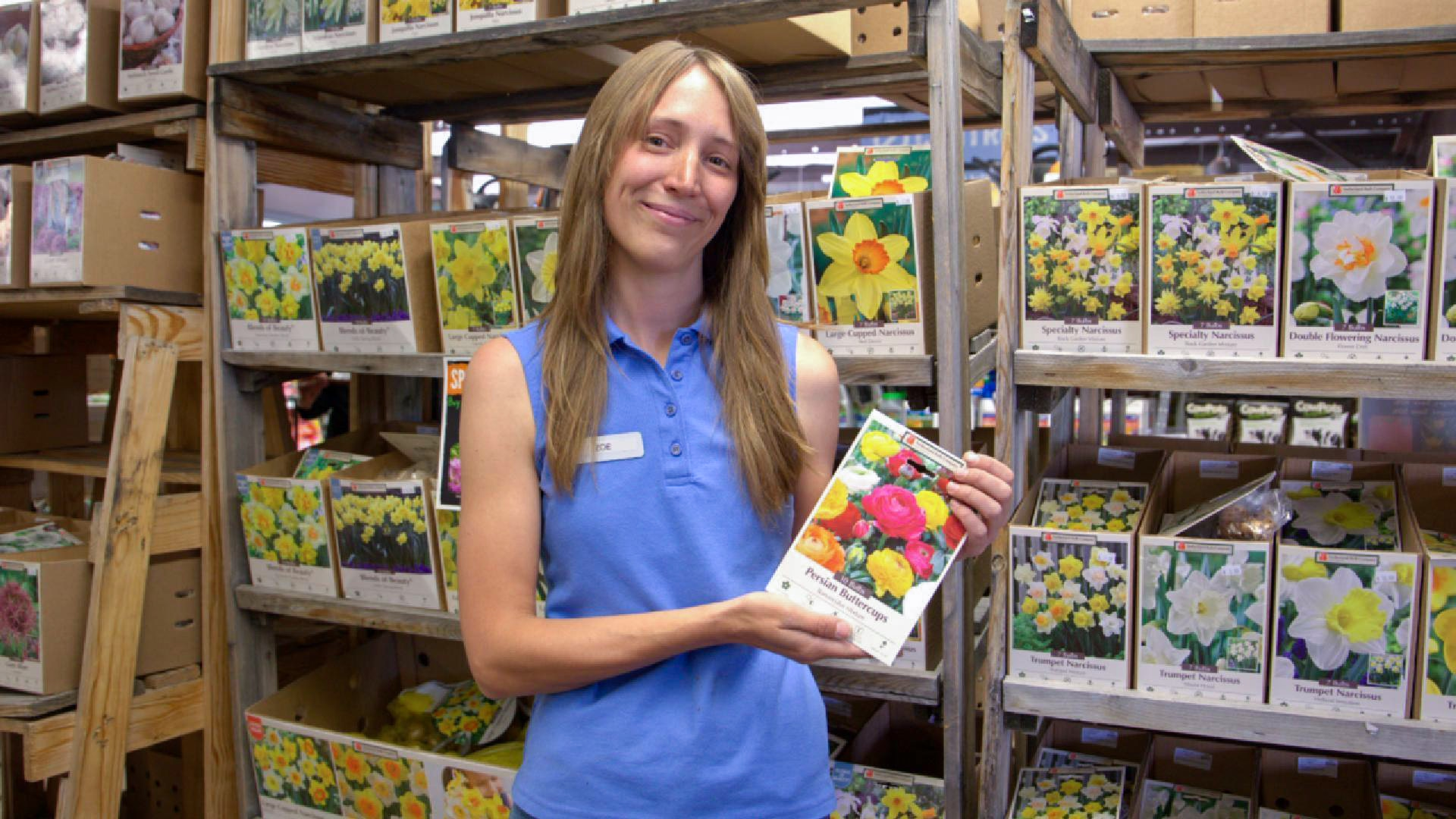
October is the perfect time to be planting your spring blooming bulbs. Planting now gives your bulbs time to grow nice strong roots before they bloom in the spring. Let’s get started!
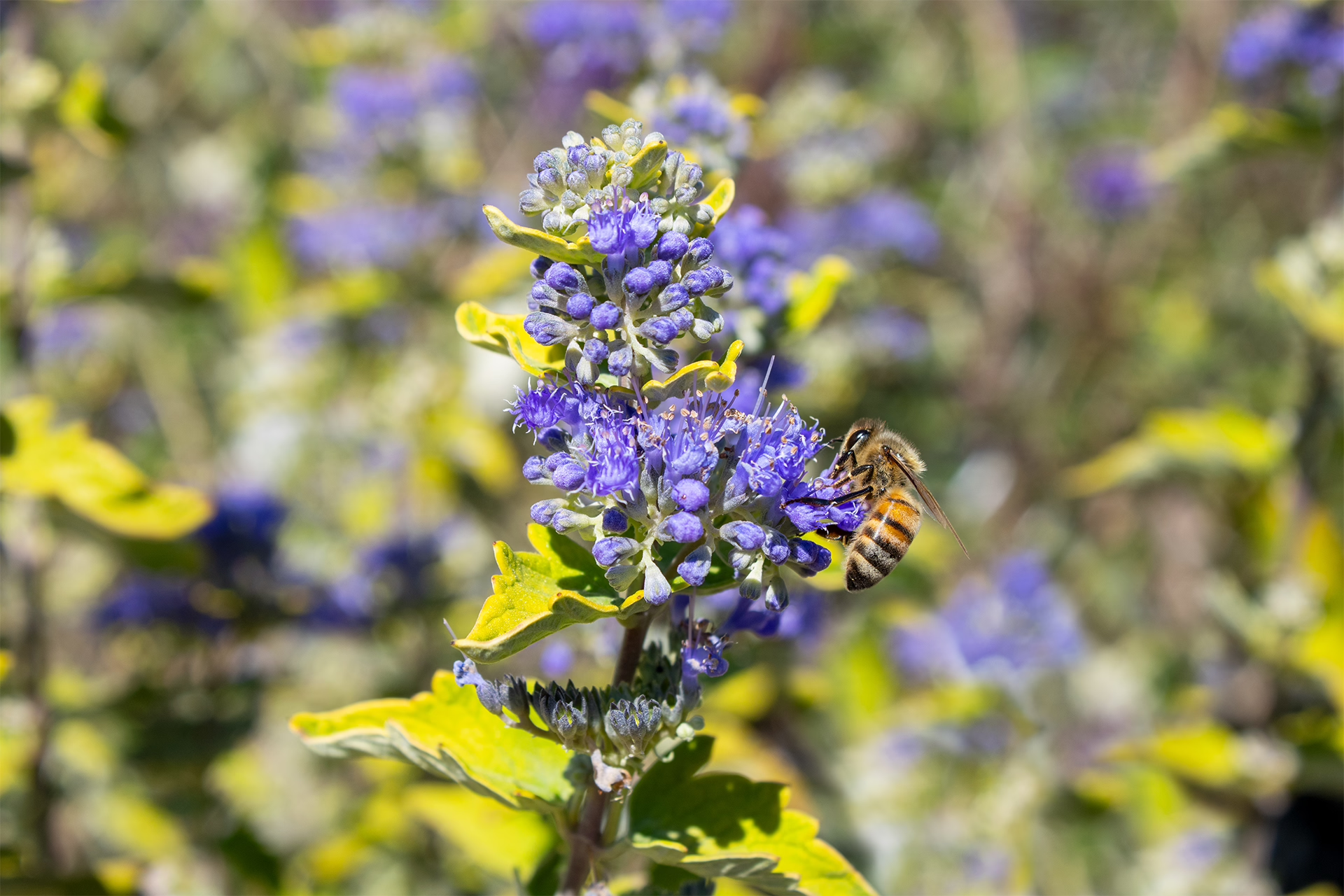
High desert gardeners ask a lot of their plants. A successful shrub must tolerate intense sunlight, dry air, temperature swings, alkaline soil and winter cold, while still bringing color and life to the landscape. Caryopteris meets that challenge beautifully.
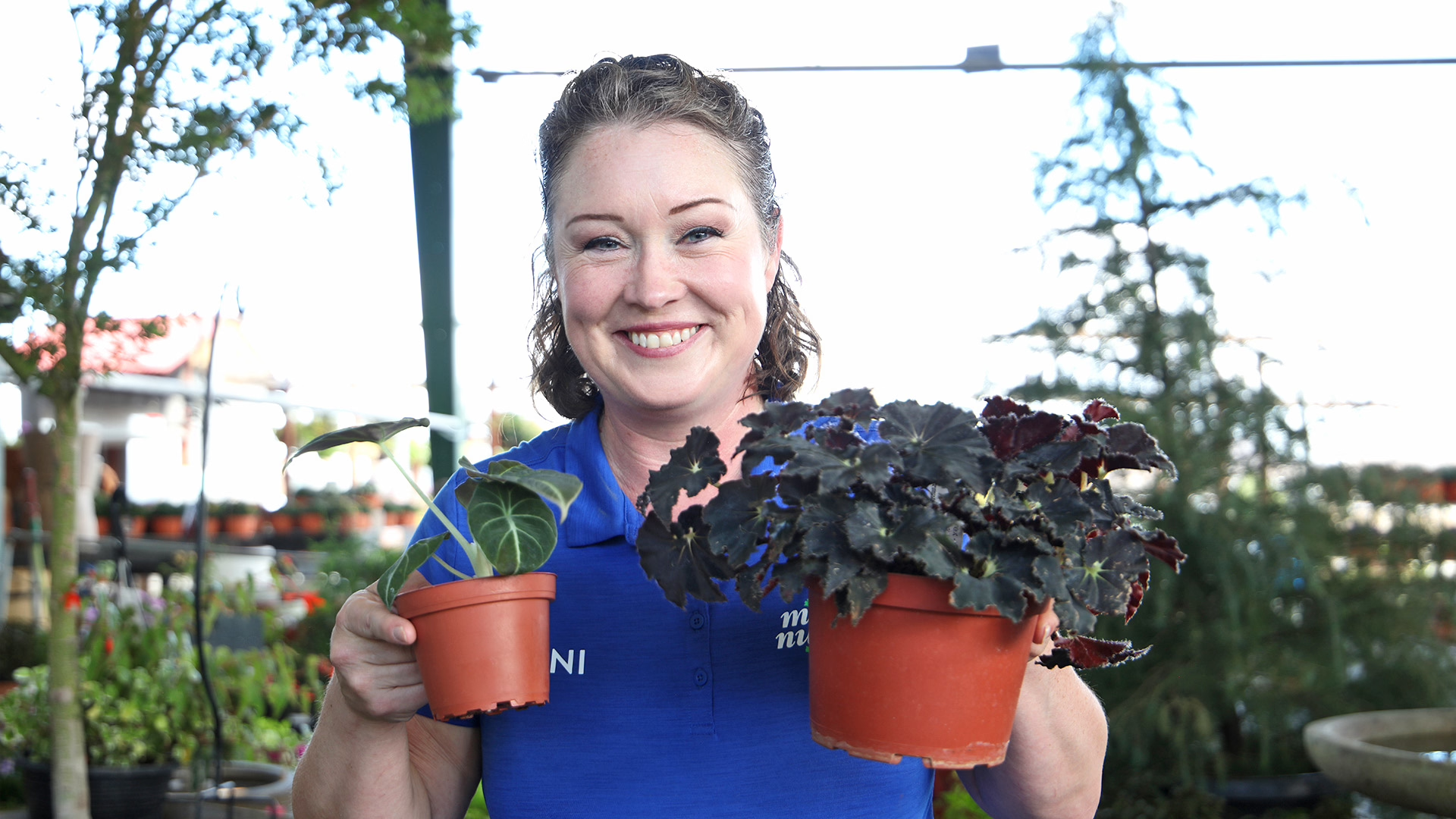
Have you ever wanted to add a beautiful dark houseplant to your collection? Here is a quick guide of some of the stunning options to bring a little goth spirit into your home.
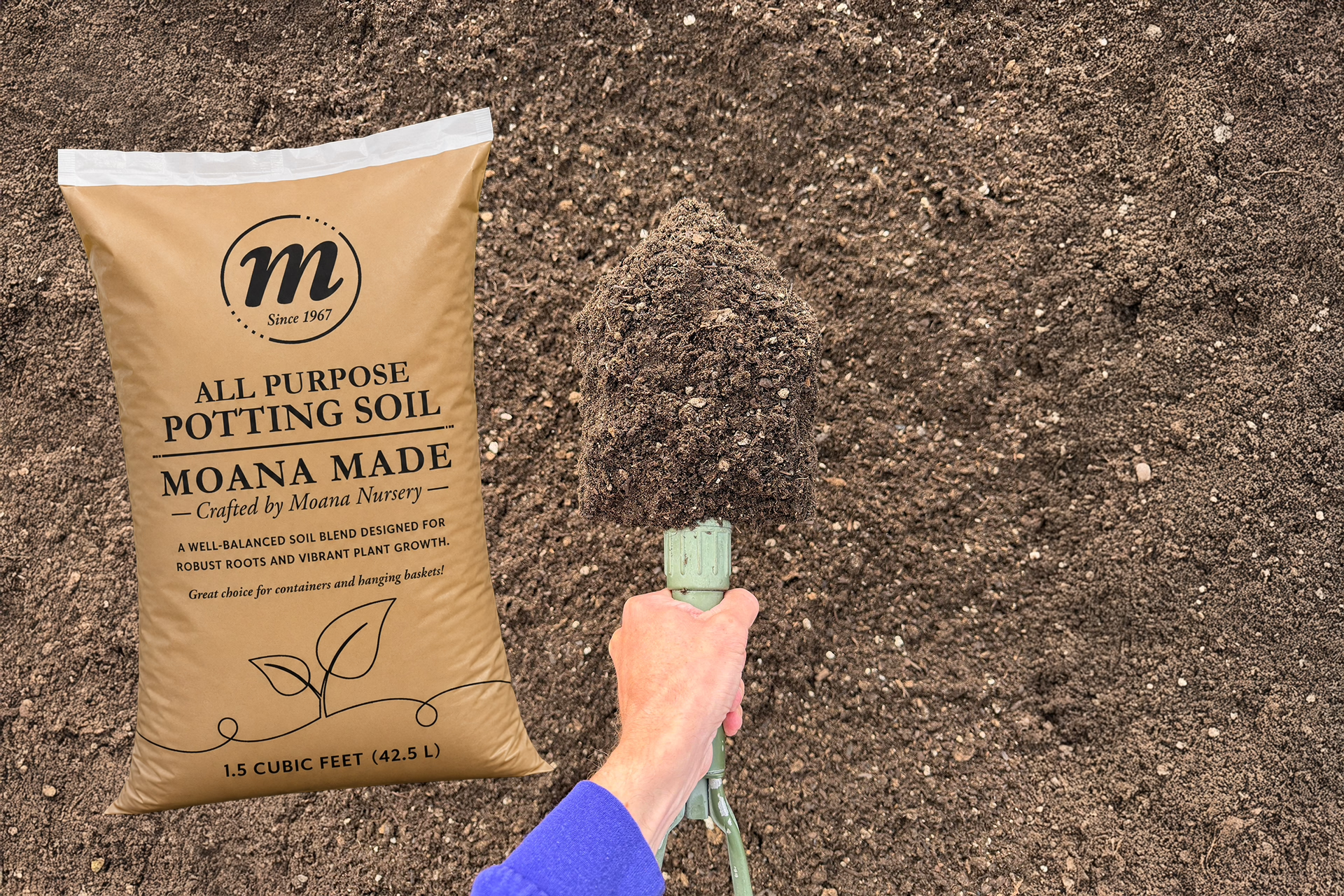
Moana Made All Purpose Potting Soil, a thoughtfully balanced growing blend crafted by Moana Nursery in partnership with Full Circle Compost. More than a product available at our garden centers, Moana Made is the same trusted blend we use at our local farm to grow Moana Grown plants.