Share
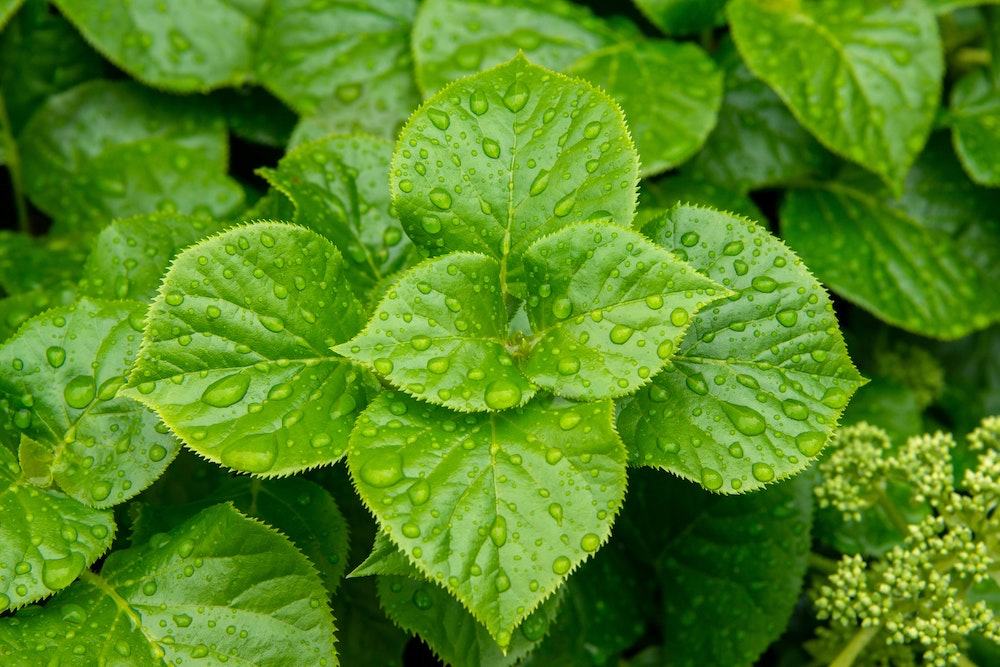
Pluck a sprig of mint and crush it between your fingers and you’ll release a cool distinctive fragrance not matched by any other plant. But mint doesn’t just smell good–it packs a mighty punch of flavor, too.
Mint can be very invasive, so it does need caution. Given good conditions, it will happily take over your garden. But who said you have to plant it in the ground? If you want something to take over your yard (perhaps a grass alternative), one of the creeping mints can be a good choice for a groundcover. But if you want to keep mint contained, the best way is to grow it in a container. It spreads rapidly through shallow rhizomes, so if the roots can get out of an area, they will pop up elsewhere. We recommend planting mint in containers and putting them on tables where the wonderful fragrance can be closer to your nose and you can easily pluck a sprig or three, without bending. They go nicely on a sunny kitchen windowsill during winter, too!
Since mint is a shallow-rooted plant, you can plant it in low, 12-18 inch wide bowls. When the plant gets too crowded, simply cut it in half and re-pot with fresh potting soil. Keep your plants moist and feed occasionally–that’s it.
Mint leaves can be harvested regularly and enjoyed. Just pinch as needed. It is best when picked early in the morning. To dry mint, cut the stalks just above the first set of leaves, as soon as the flower buds appear. Hang upside down in a dark, well-ventilated room for two weeks or more.
Don’t limit yourself to one kind of mint. There are dozens of varieties available and each one has its unique flavor. Mint can be used to flavor drinks and salads, it can be made into jelly and vinegar to flavor meats, and some, like chocolate mint, will make you think you’ve just eaten dessert.
And, we’ve just scratched the surface of the uses and benefits of the Mighty Mint.
So go ahead and give your energy a boost, refresh your spirit and revitalize your senses. Plant some mint today!
Share
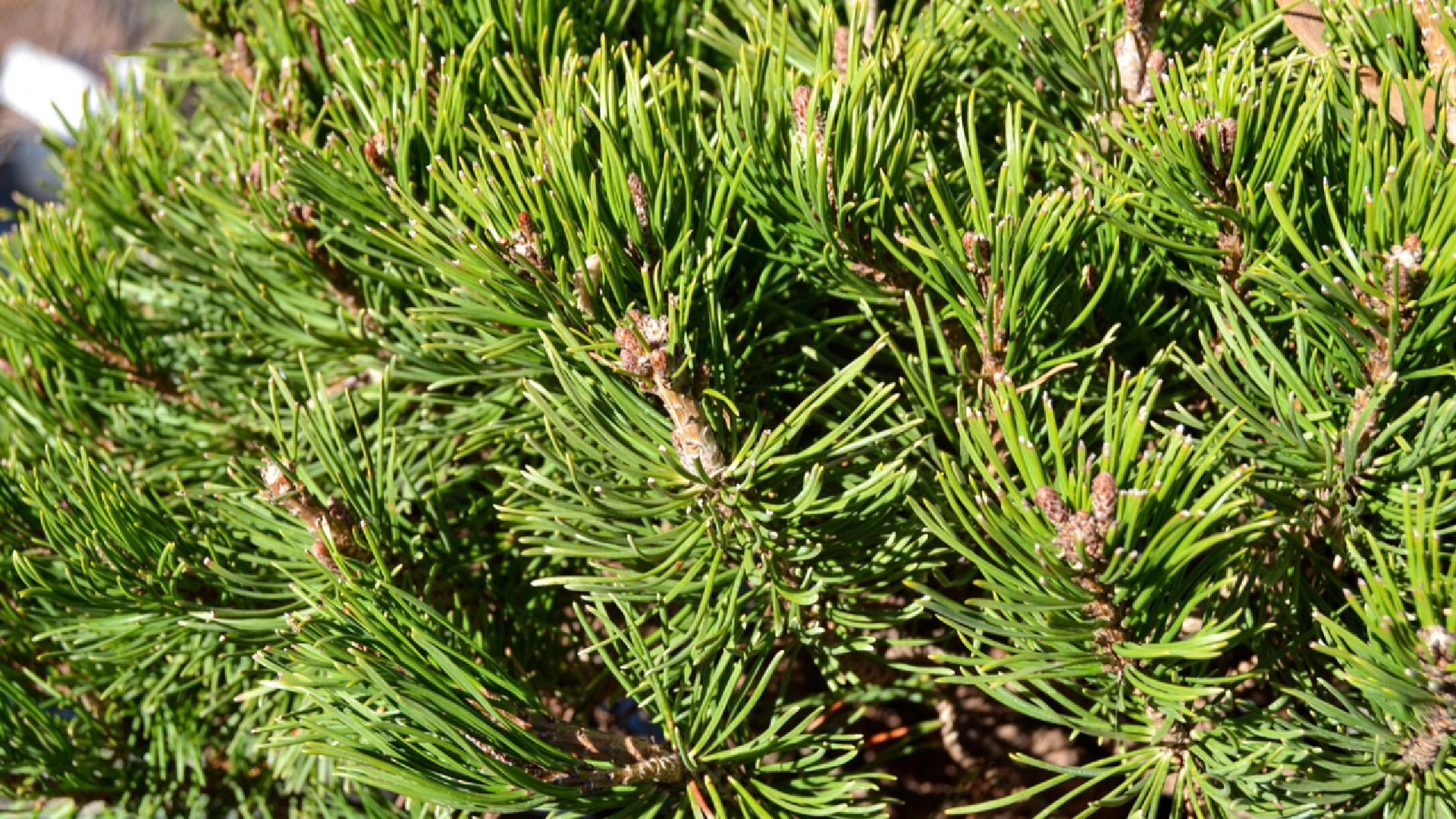
Dwarf mugo pine, known botanically as Pinus mugo var. pumilio, offers a presence that brings texture, provides contrast, and lasts over winter. With dense green needles, sturdy branches, and a naturally low, spreading form, it brings the character of a mountain pine into the home landscape.
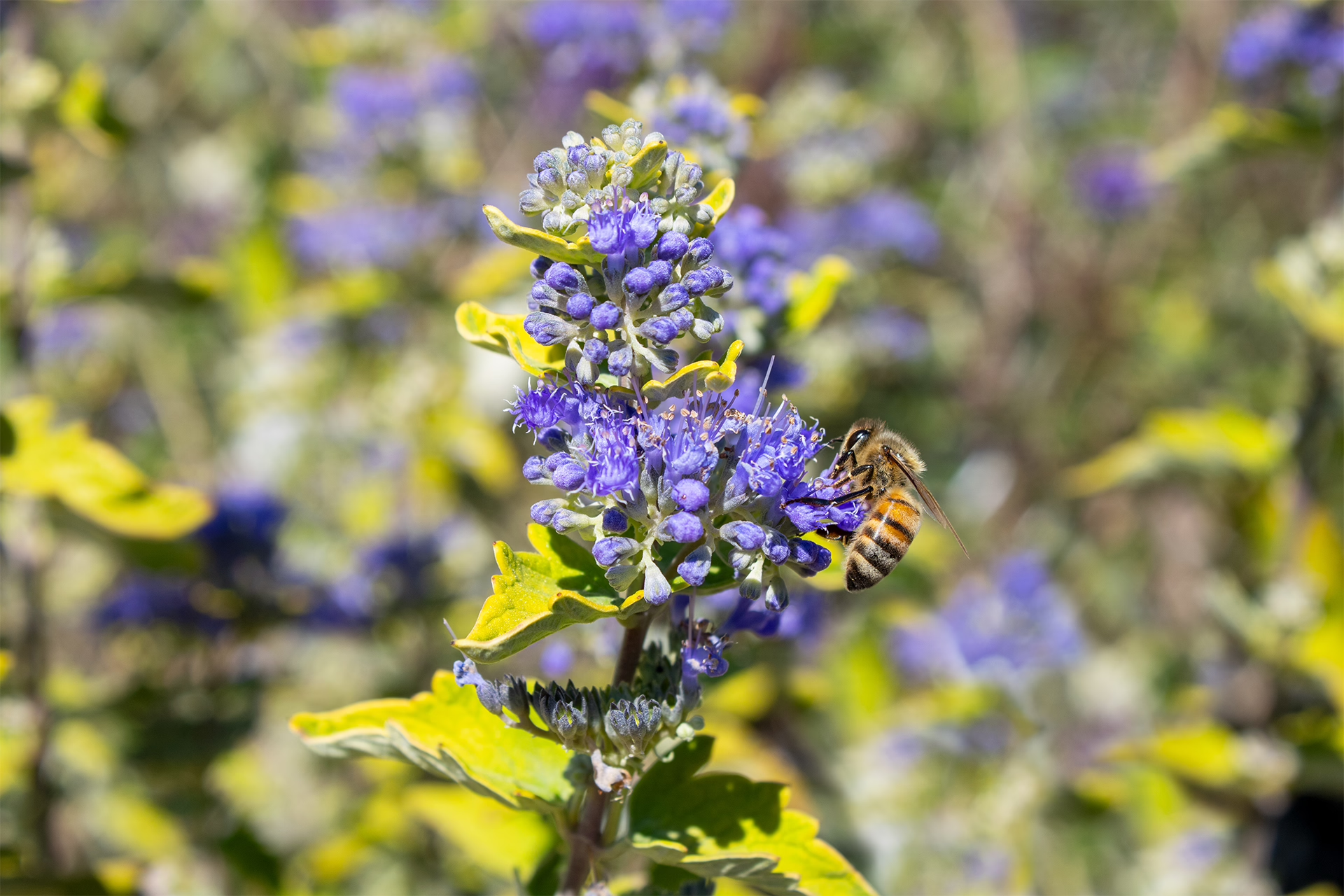
High desert gardeners ask a lot of their plants. A successful shrub must tolerate intense sunlight, dry air, temperature swings, alkaline soil and winter cold, while still bringing color and life to the landscape. Caryopteris meets that challenge beautifully.
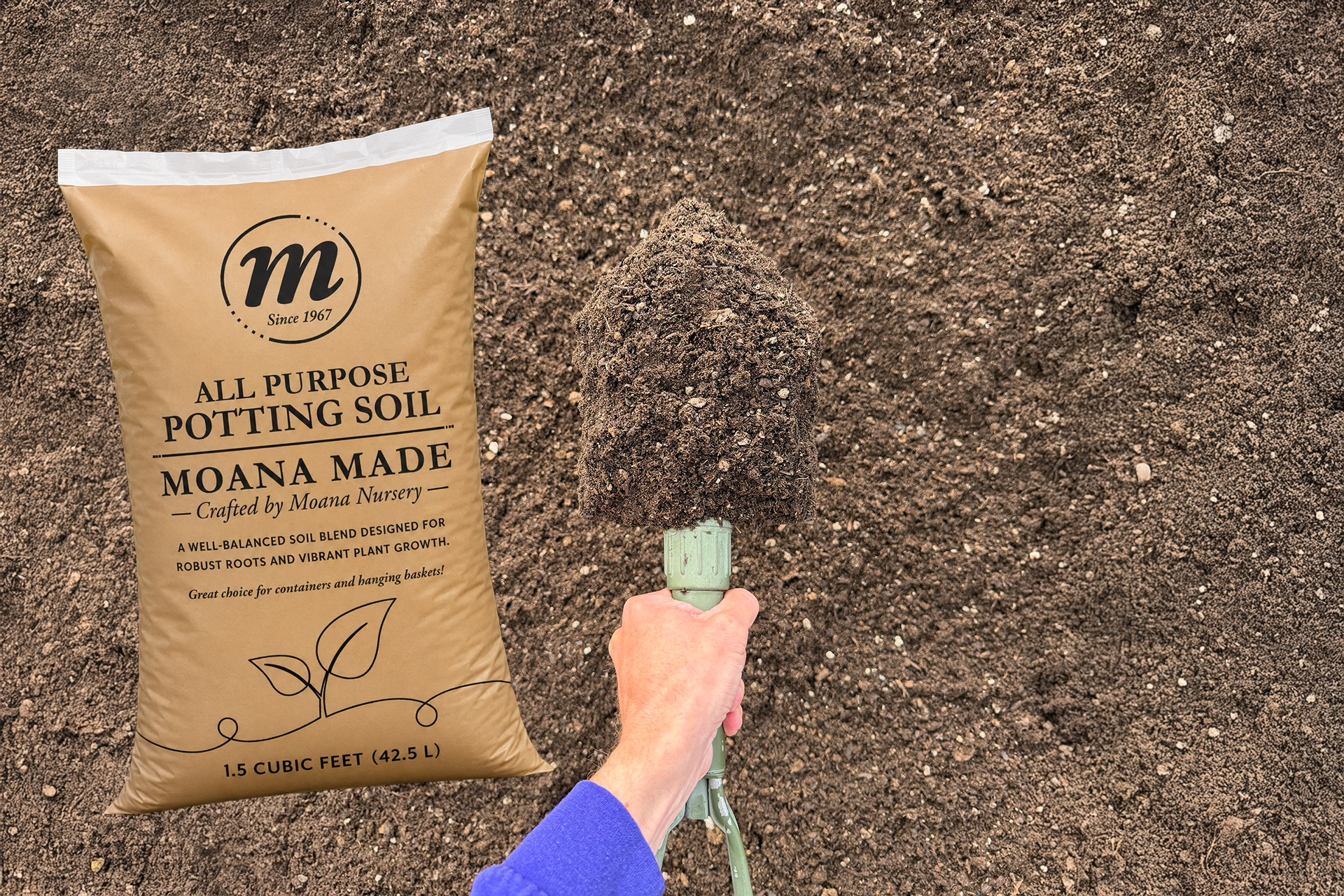
Moana Made All Purpose Potting Soil, a thoughtfully balanced growing blend crafted by Moana Nursery in partnership with Full Circle Compost. More than a product available at our garden centers, Moana Made is the same trusted blend we use at our local farm to grow Moana Grown plants.
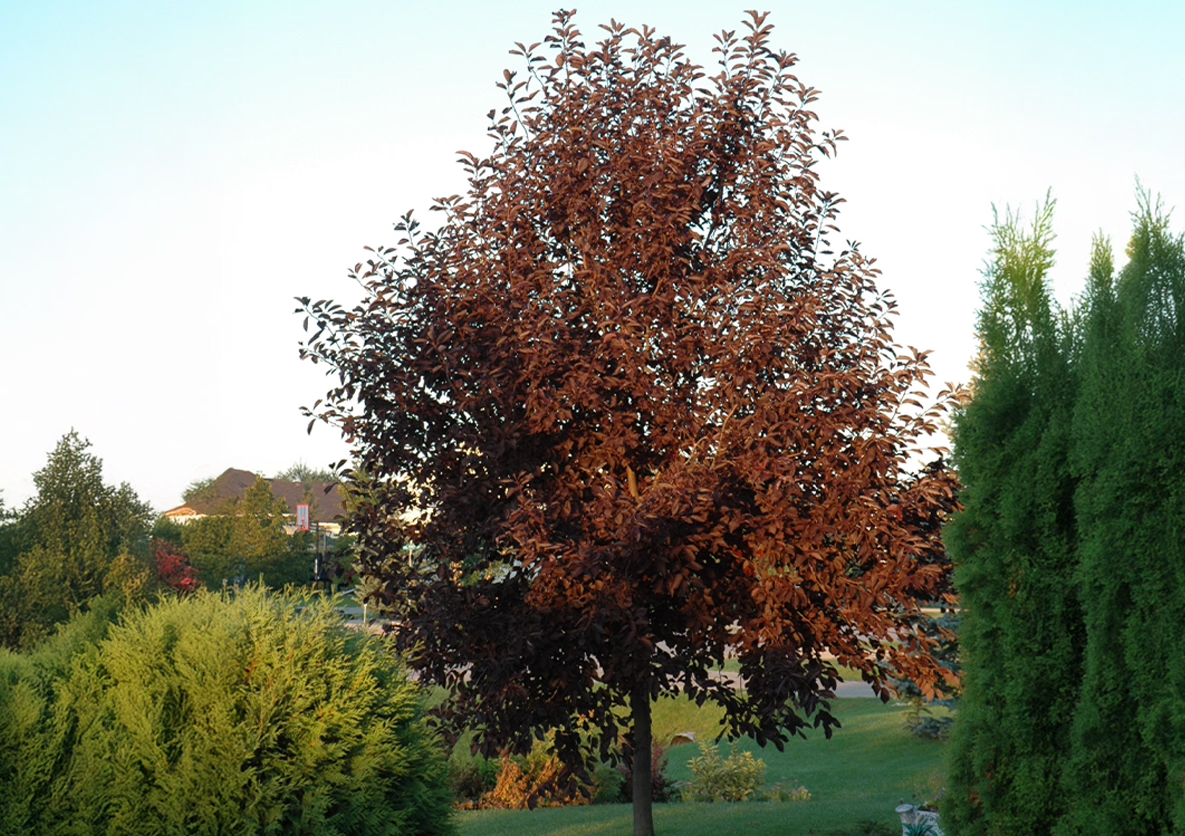
If you're looking for a tree that offers rich purple foliage, fragrant spring flowers, and exceptional hardiness, the Canada Red Chokecherry is an excellent choice. This versatile ornamental tree provides season-long beauty while thriving in challenging climates, making it a favorite for high desert landscapes.