Share
Native Plants for Northern Nevada’s High Desert Yard
Gardening in Northern Nevada means working with the realities of the high desert. Summers are hot and dry, winters are cold, and soils are often alkaline and rocky. These conditions can be hard on many common ornamental plants that evolved in milder climates. One of the most effective ways to create a successful, low-maintenance landscape in this region is to use native plants or native-derived varieties that are already adapted to the Great Basin environment.
Local nurseries like us emphasize plants that perform well in the area’s climate. By focusing on species that naturally tolerate drought, intense sun, and winter cold, gardeners can build landscapes that require less water and fewer chemical inputs while still providing color and seasonal interest.
Why Native Plants Make Sense in the High Desert
Native plants offer practical advantages that become obvious after only a few seasons. Because these plants evolved in the same climate and soils as Northern Nevada, they typically establish quickly and survive with significantly less irrigation than many traditional landscape plants. In a region where water conservation is an important consideration, using species adapted to dry conditions can dramatically reduce long-term watering needs.
Native plants also support local ecosystems in ways that non-native ornamentals often cannot. Many pollinators—including native bees, butterflies, and hummingbirds—have evolved alongside specific plant species and depend on them for nectar, pollen, or habitat. When these plants are included in home landscapes, they help restore pieces of the natural food web that might otherwise be missing in urban or suburban areas. As pollinators visit the flowers, birds benefit as well, feeding on seeds, insects, and berries produced throughout the growing season.
Another advantage is resilience. Plants that originate in the High Desert are accustomed to temperature swings, unpredictable precipitation, and challenging soil conditions. Once established, they often require less fertilizer, fewer pesticides, and less overall maintenance compared to species adapted to differing climates.
Wild Blue Flax: A Tough Native with Delicate Flowers
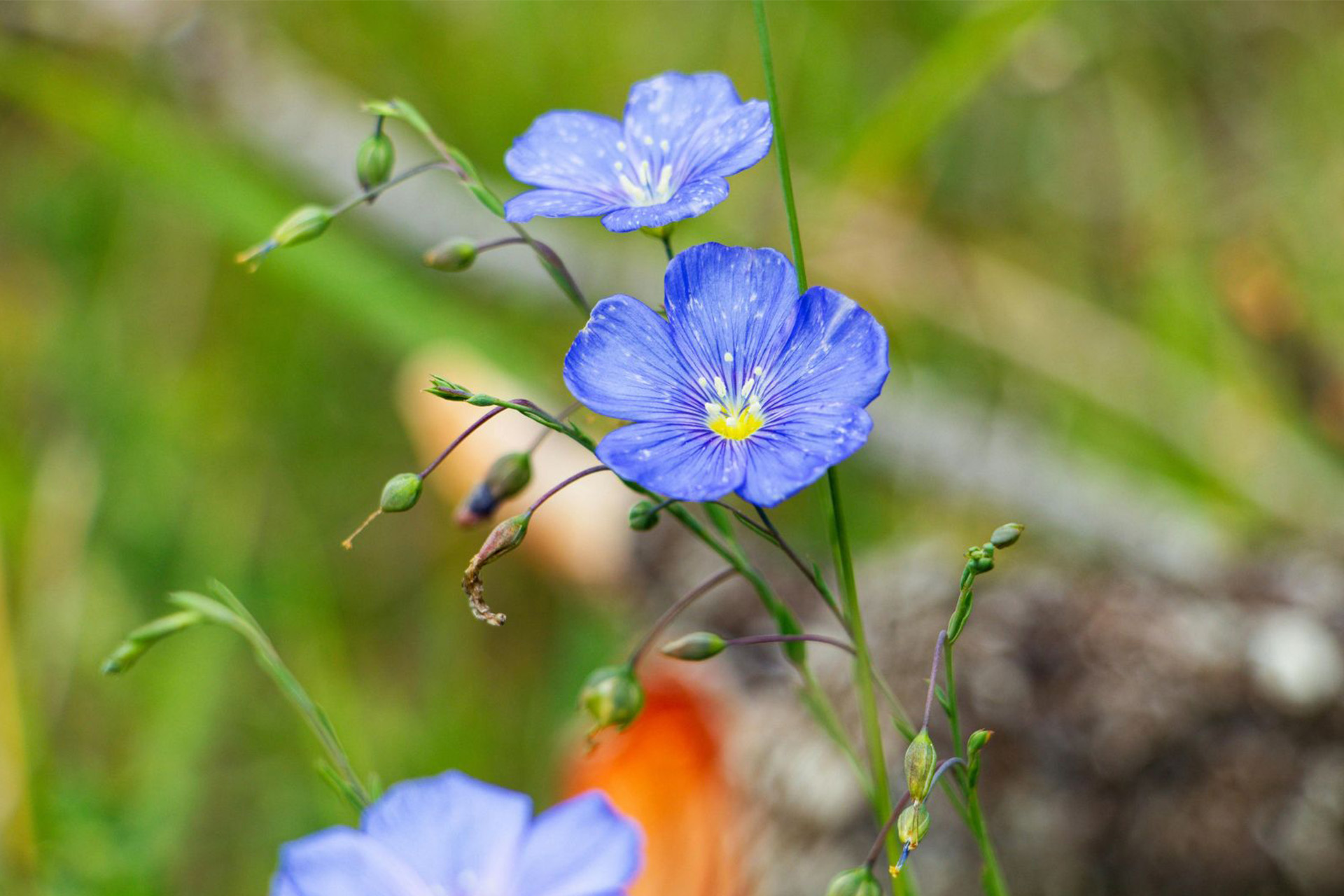
One of the most reliable native perennials for Northern Nevada landscapes is Wild Blue Flax (Linum lewisii). At first glance, the plant appears delicate, producing airy stems topped with soft blue flowers that open each morning during the growing season. In reality, it is remarkably durable.
Wild blue flax is native across much of the western United States, including the High Desert. It thrives in full sun and tolerates drought and poor soils once established. In a high desert yard, it fits naturally into gravel gardens, wildflower-style plantings, or sunny borders. The flowers attract bees and other pollinators throughout the spring and early summer, while the plant’s fine texture blends easily with other native perennials.
Camas: A Spring Showpiece
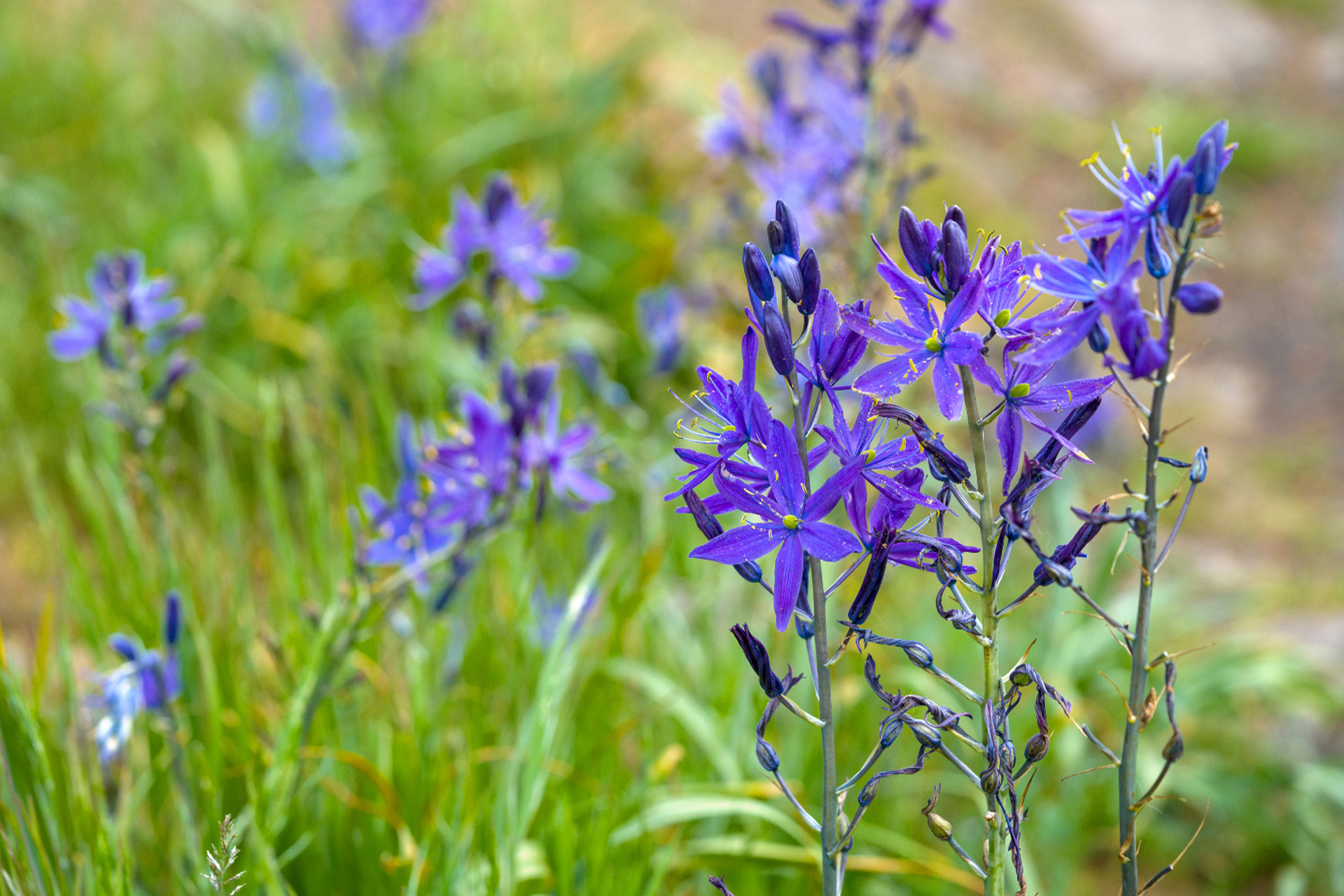
Camassia, often called camas, offers a different type of seasonal beauty. Unlike many drought-loving natives, camas prefers soils that are moist during spring. In nature it often grows in mountain meadows or seasonal wetlands where snowmelt provides moisture early in the year.
In a residential landscape, camas can be planted in slightly lower areas of the yard where water collects, along drainage swales, or in irrigated beds that receive regular watering in spring. Tall spikes of blue to violet flowers emerge above strap-like leaves, creating a striking display before the plant gradually goes dormant as the soil dries in early summer. Because of this seasonal cycle, camas works well with other perennials that fill in later in the season.
Blue-Eyed Grass: A Small Plant with Big Charm
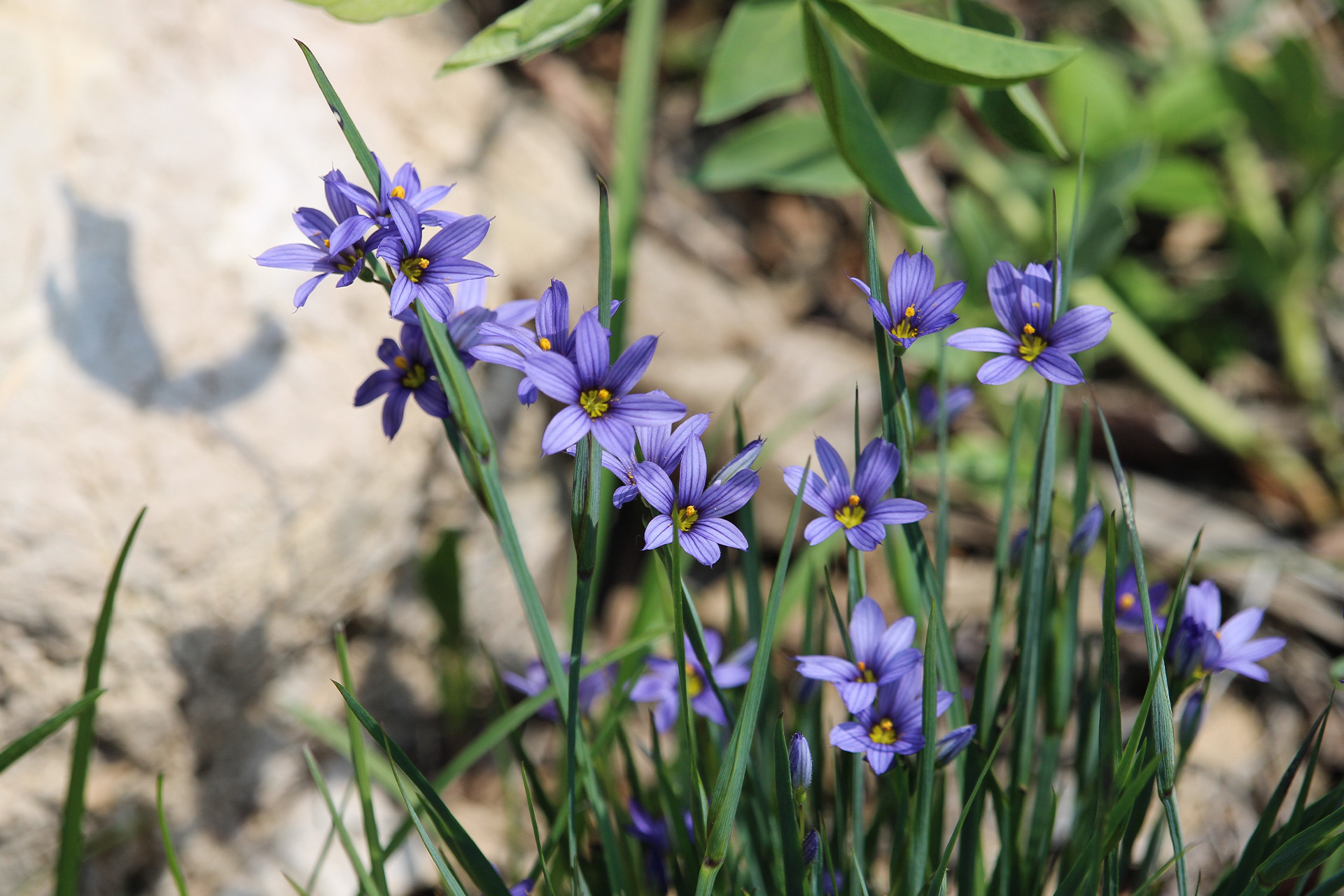
Despite its name, Blue-Eyed Grass (Sisyrinchium idahoense) is not a true grass but a member of the iris family. Its slender leaves form neat clumps that resemble ornamental grasses, while small blue to violet flowers appear on short stems in late spring.
This species is native throughout much of the western United States and can adapt well to high desert gardens when given moderate moisture. It is particularly useful for softening the edges of pathways, filling small gaps in perennial beds, or adding texture to areas that receive occasional irrigation. Because the flowers are relatively small, planting several together creates a more noticeable effect and gives the garden a natural, meadow-like appearance.
Western Columbine: A Favorite of Hummingbirds
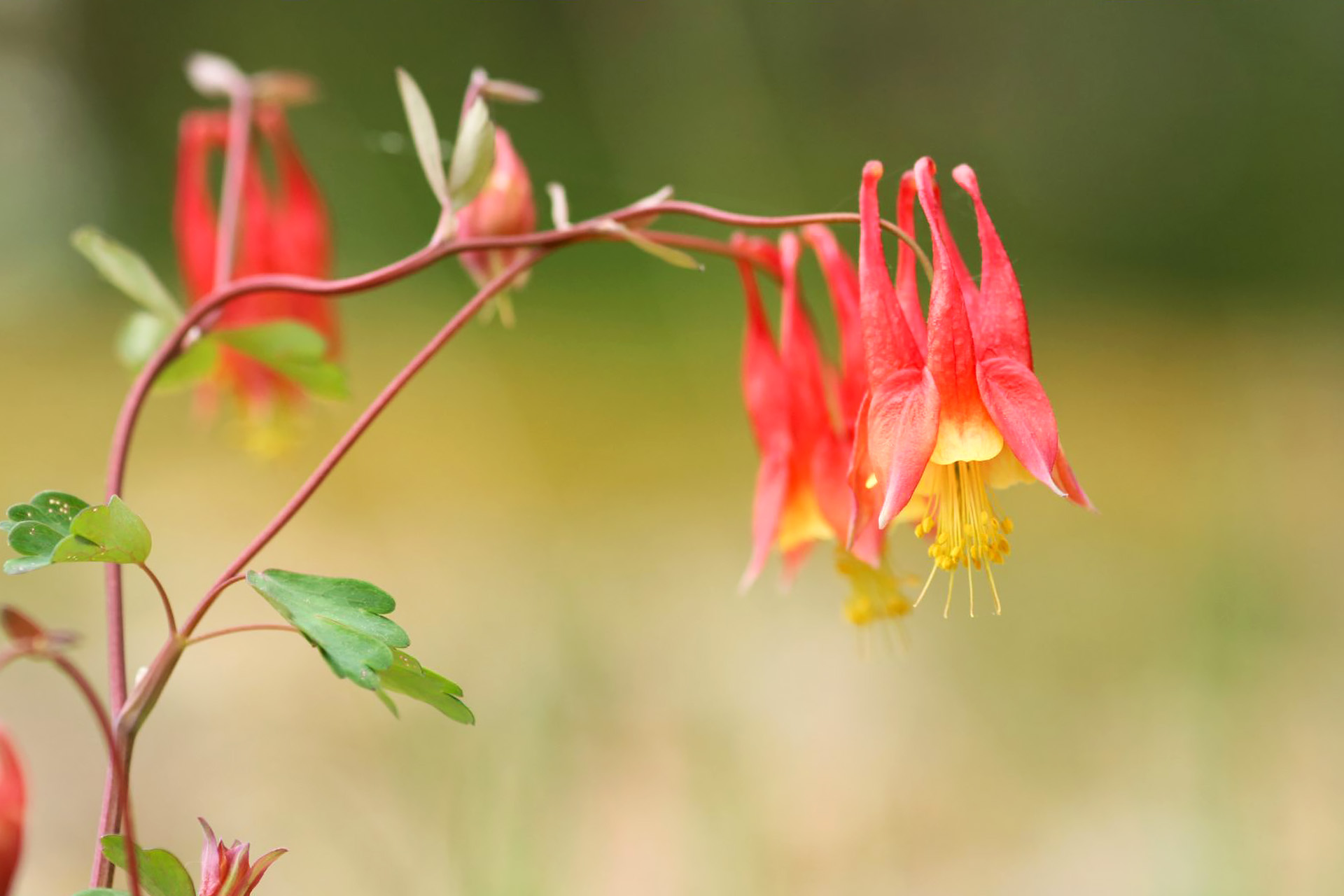
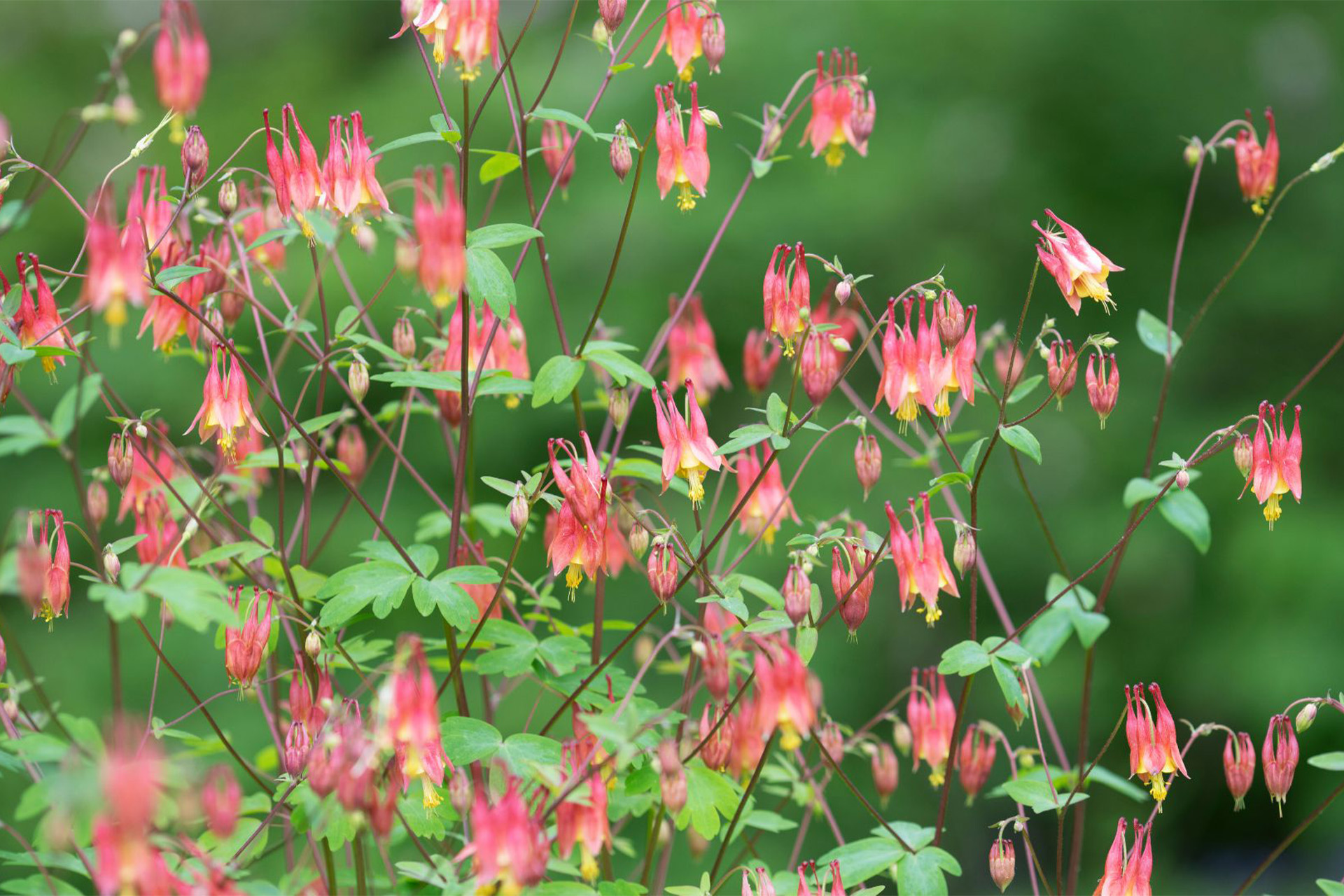
For gardeners interested in attracting wildlife, Western Columbine (Aquilegia formosa) is an excellent choice. This species produces distinctive red and yellow nodding flowers that are especially attractive to hummingbirds. The plant is native to western North America and naturally grows along streams, forest edges, and other areas where soil remains somewhat moist.
In Northern Nevada yards, western columbine performs best in locations that receive partial shade or morning sun with afternoon protection. Planted near trees, fences, or the north and east sides of buildings, it provides color in late spring and early summer while supporting pollinators. Its graceful foliage and unique flowers make it a standout in mixed perennial plantings.
Lupine Nativars: Color and Soil Benefits
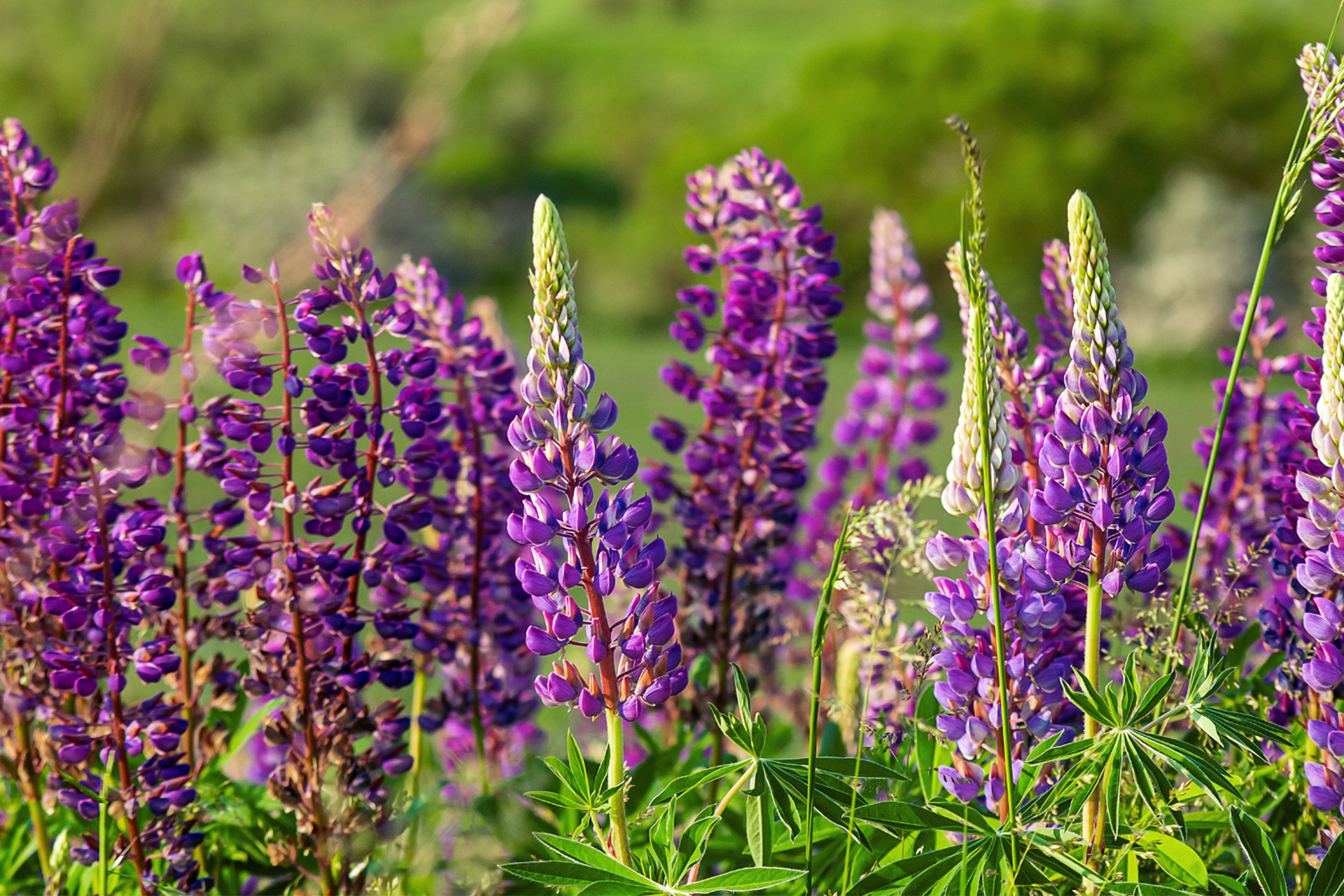
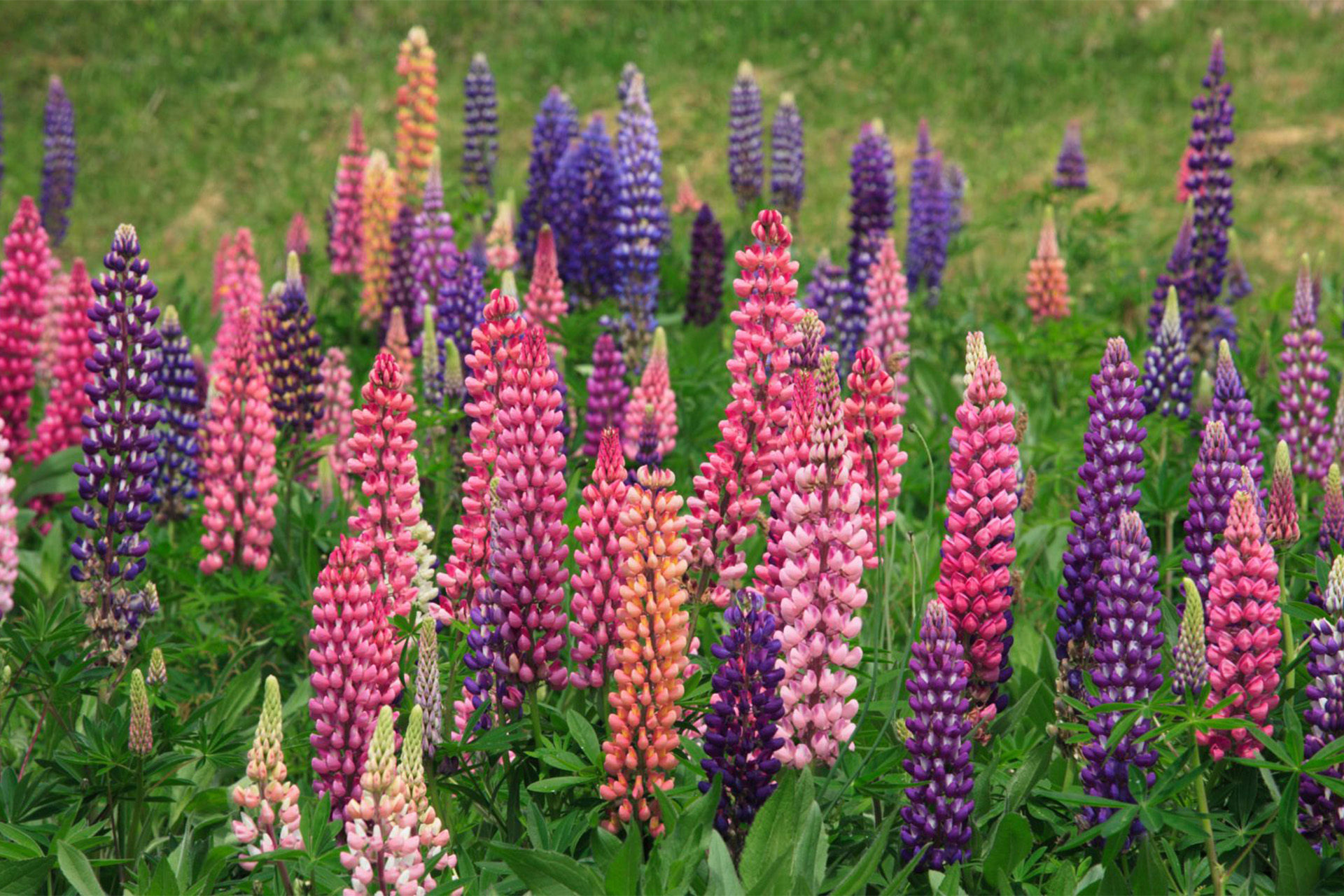
Lupines are another group of plants frequently recommended for high desert gardens. Many modern garden selections are nativars, meaning cultivated varieties derived from native species. These plants often maintain the ecological benefits of the original species while offering improved flower color, size, or compact growth.
Lupines produce tall spikes of pea-like flowers in shades of blue, purple, pink, and sometimes white. Beyond their ornamental value, they provide an important ecological function. As members of the legume family, lupines form partnerships with soil bacteria that help convert atmospheric nitrogen into a form that plants can use. This natural process enriches the soil and can benefit neighboring plants in the landscape.
In a high desert yard, lupine nativars generally prefer full sun and well-drained soil. Their bold flower spikes make them useful as focal plants in perennial beds or as part of a naturalistic wildflower garden.
Designing a Native Plant Garden
When incorporating these plants into a yard, it helps to think in terms of natural conditions rather than strict planting rules. Wild blue flax and lupine thrive in sunny, well-drained areas that receive minimal irrigation once established. Camas and blue-eyed grass prefer areas that stay slightly moister in spring, while western columbine benefits from some afternoon shade and moderate watering.
By grouping plants according to their moisture needs, gardeners can create a landscape that looks natural while also conserving water. Mulch, drip irrigation, and thoughtful placement can further reduce maintenance while helping plants establish successfully.
A Landscape That Works with the Environment
Using native plants in Northern Nevada landscapes is ultimately about working with the environment instead of fighting it. Plants that evolved in the High Desert are naturally equipped to handle the region’s climate extremes, making them more dependable choices for local gardens.
With species such as wild blue flax, camas, blue-eyed grass, western columbine, and lupine nativars, homeowners can create landscapes that are colorful, resilient, and supportive of local wildlife. The result is a yard that reflects the natural beauty of the High Desert while requiring less water, fewer resources, and far less effort to maintain over time.
Share

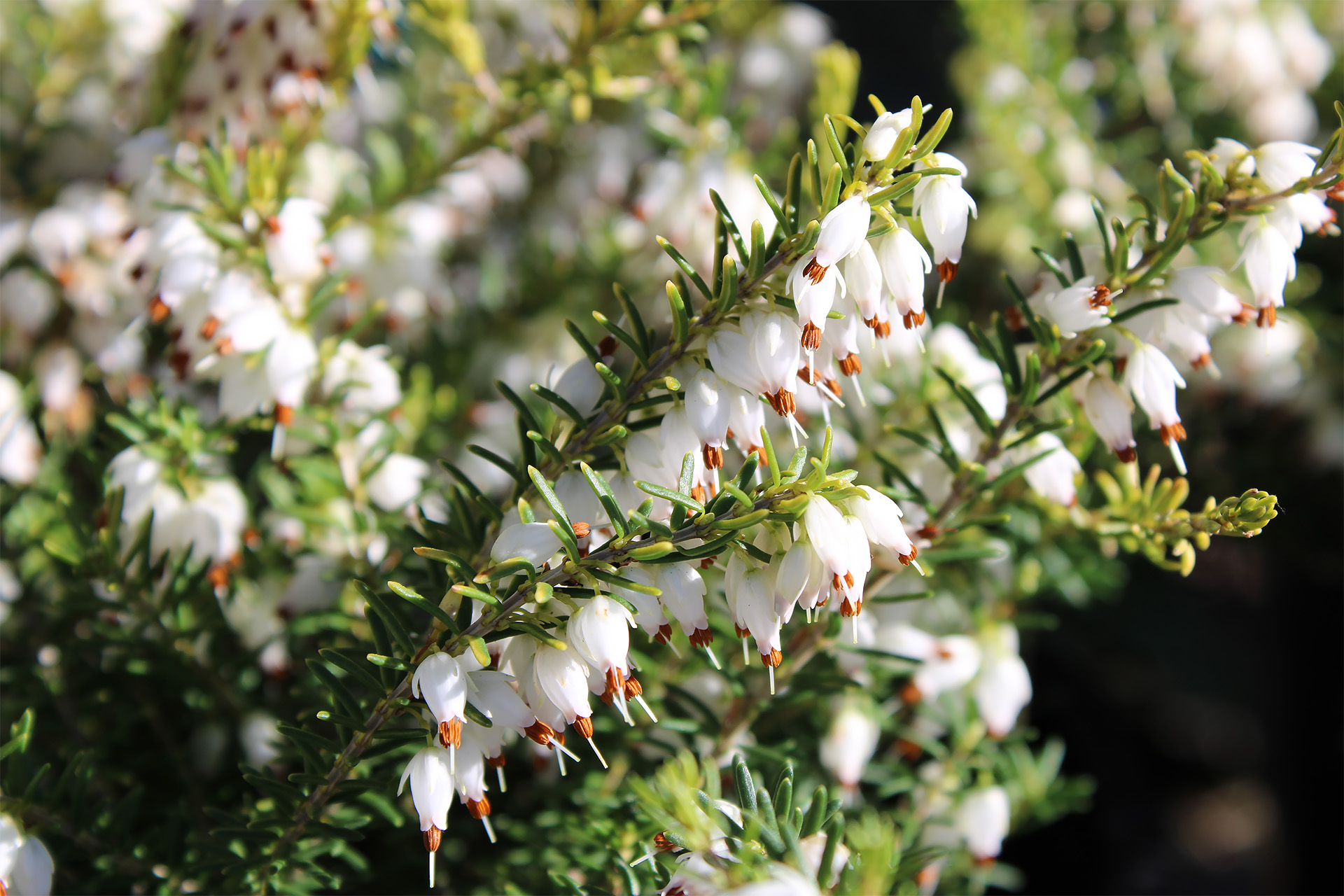
If you crave color when the rest of the garden is still half-asleep, winter-blooming heaths are one of the best-kept secrets in cold-climate gardening.
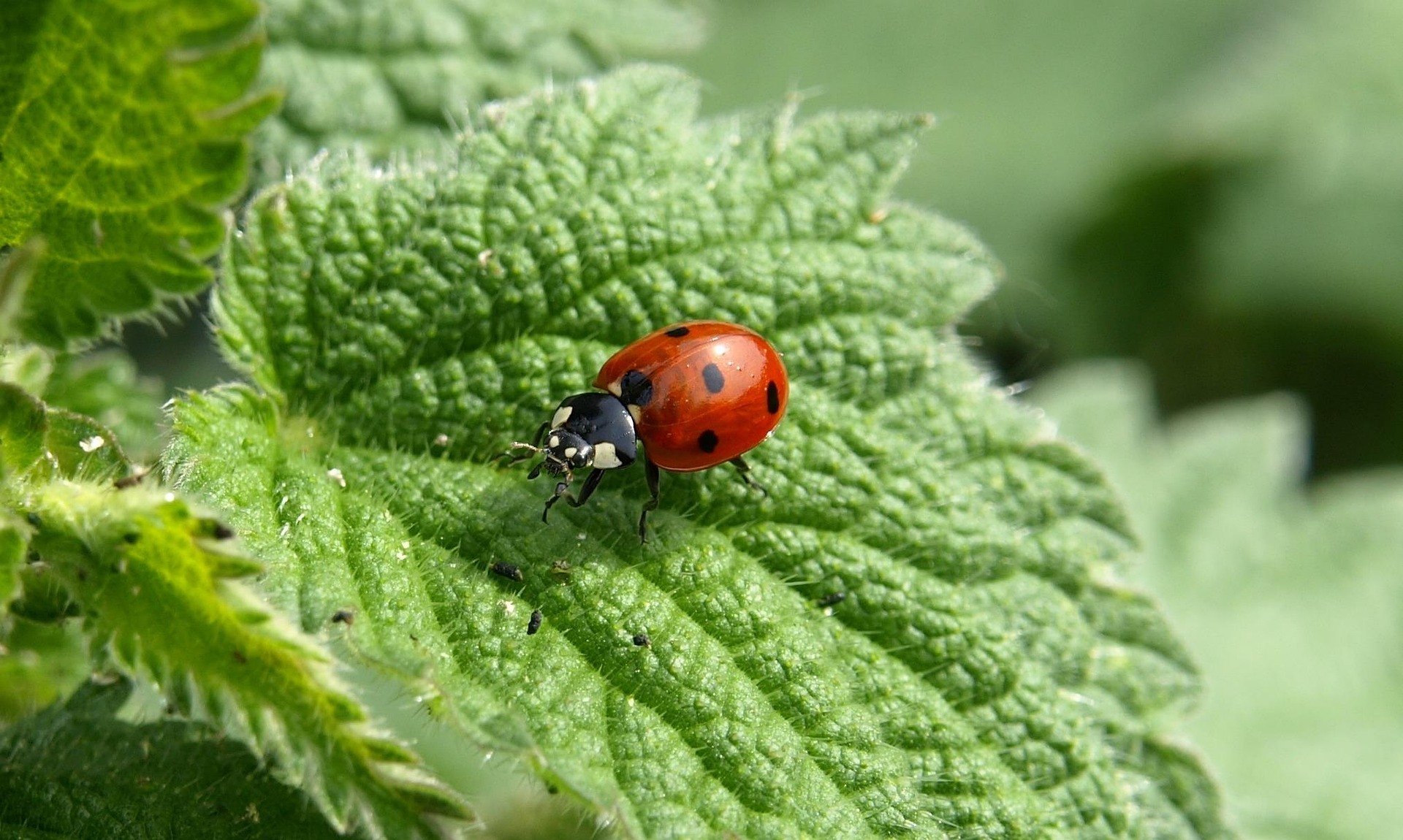
Beneficial bugs are tiny allies play vital roles in pest control, soil health, and pollination, helping your plants thrive while reducing the need for harmful chemicals.
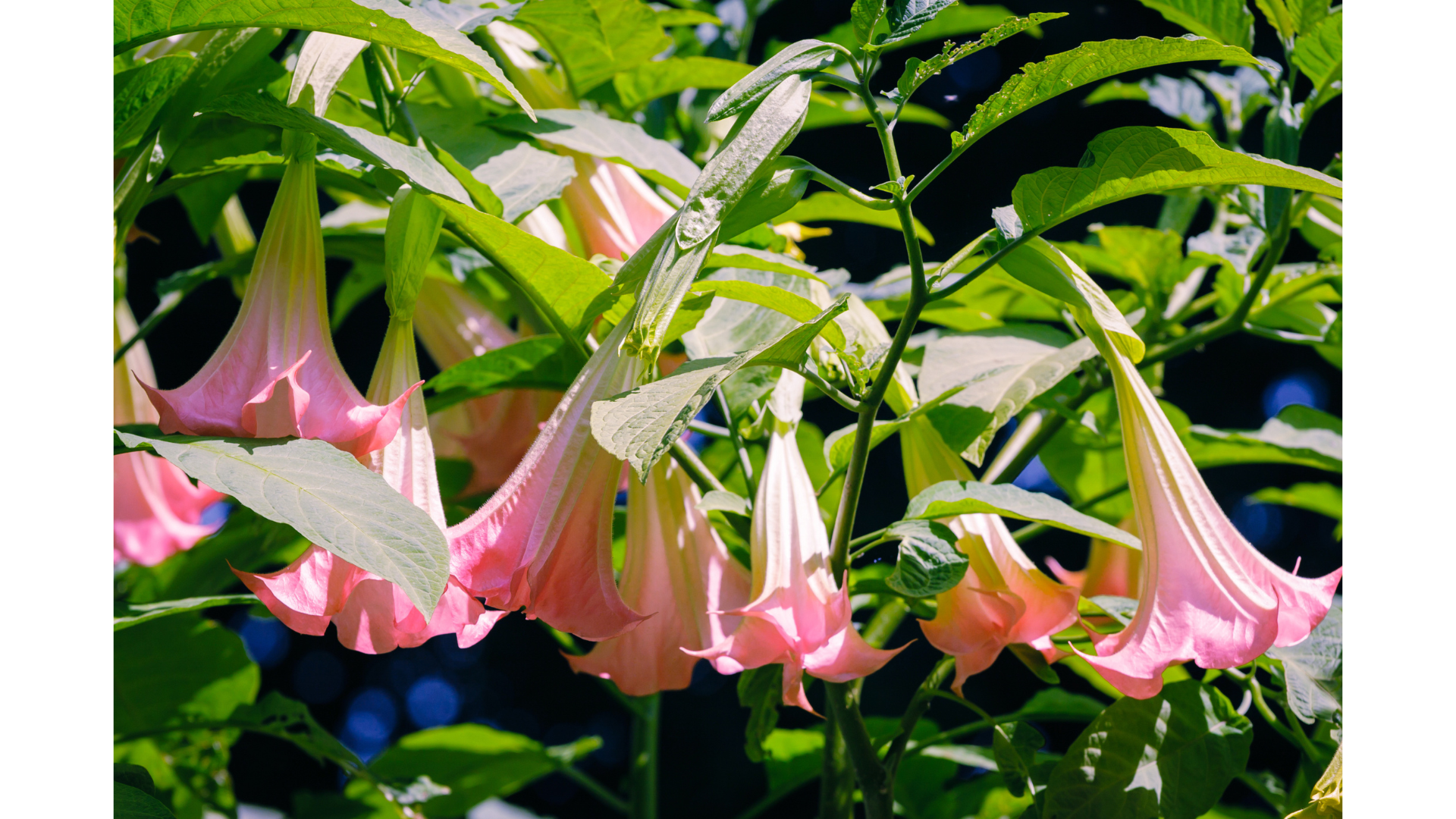
With its dramatic, trumpet-shaped flowers and intoxicating fragrance, Angel's Trumpet (Brugmansia) can transform any garden. However, it's important to approach this beautiful plant with care.
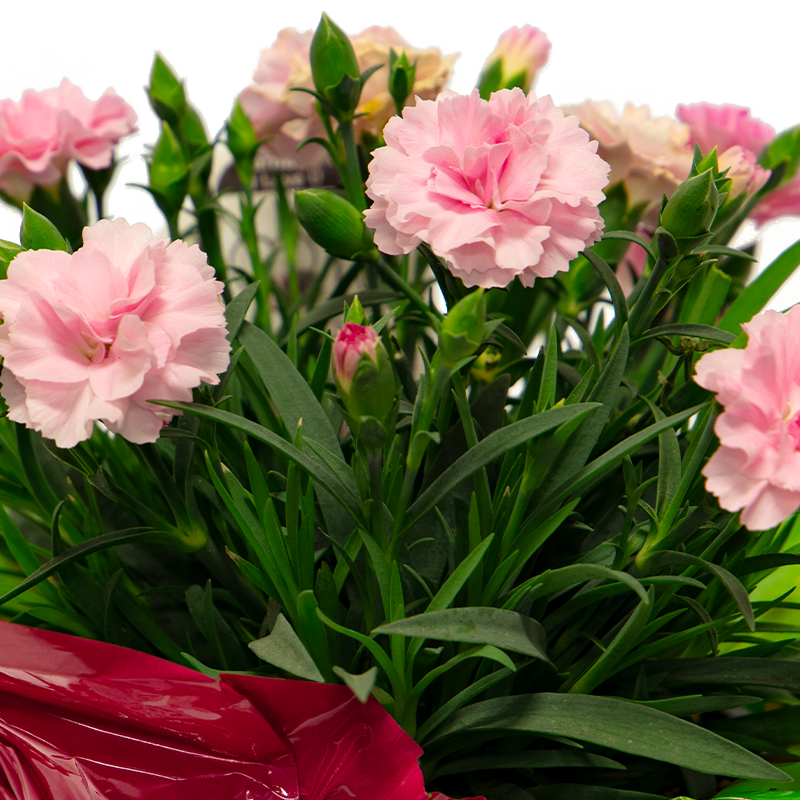
Dianthus are more than just beautiful flowers—they embody resilience, charm, and the promise of vibrant blooms both indoors and out.