Share
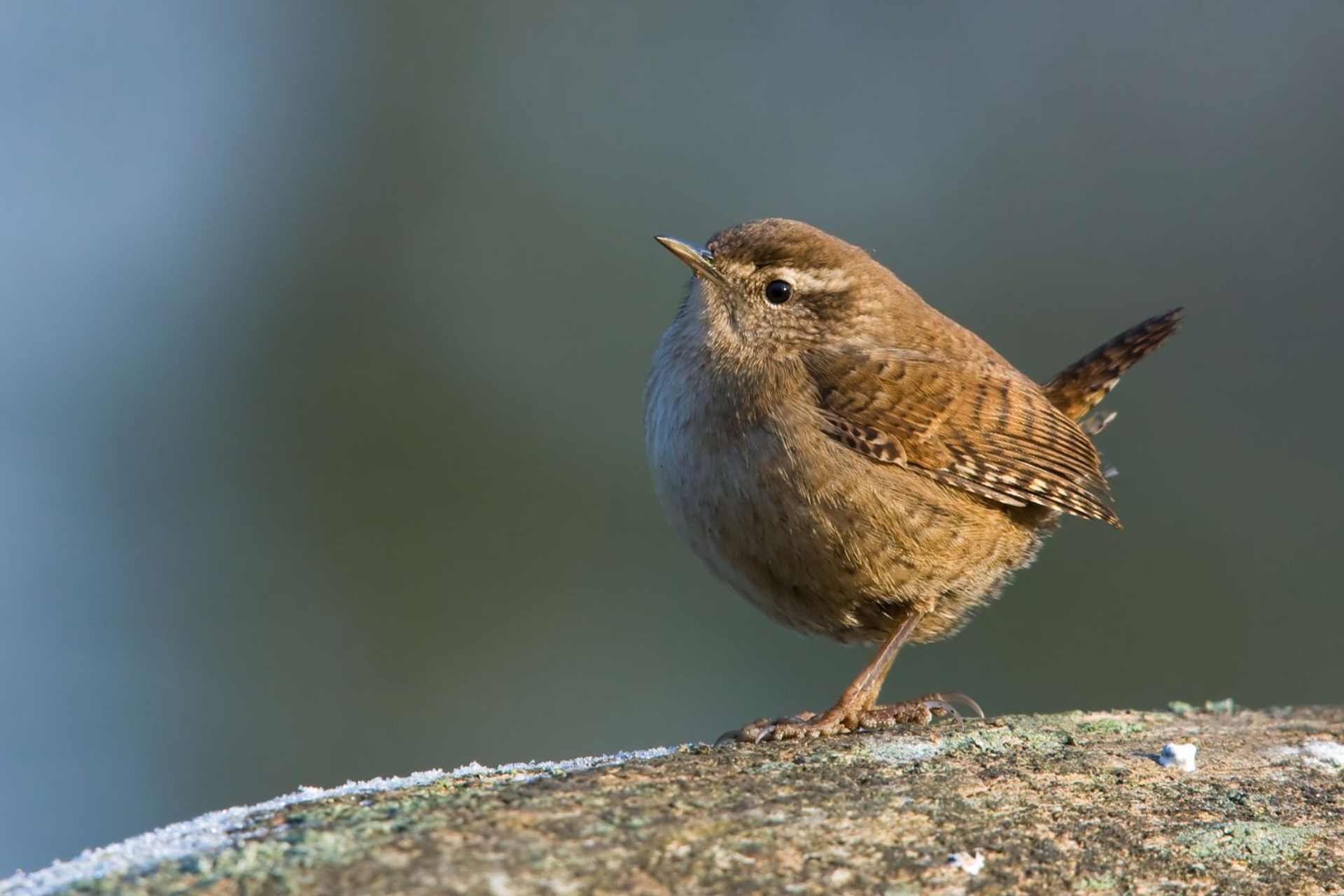
The Northern House Wren (Troglodytes aedon) is one of the most energetic and charismatic small birds found across North America, including the high desert landscapes of the western United States. Despite its tiny size, typically only about 4-5 inches long, this bird has a personality and voice far larger than its body. In places like Nevada’s sagebrush valleys, riparian corridors, ranchlands, and desert-edge neighborhoods, the Northern House Wren is a welcome and lively presence during the warmer months.
Appearance and Identification
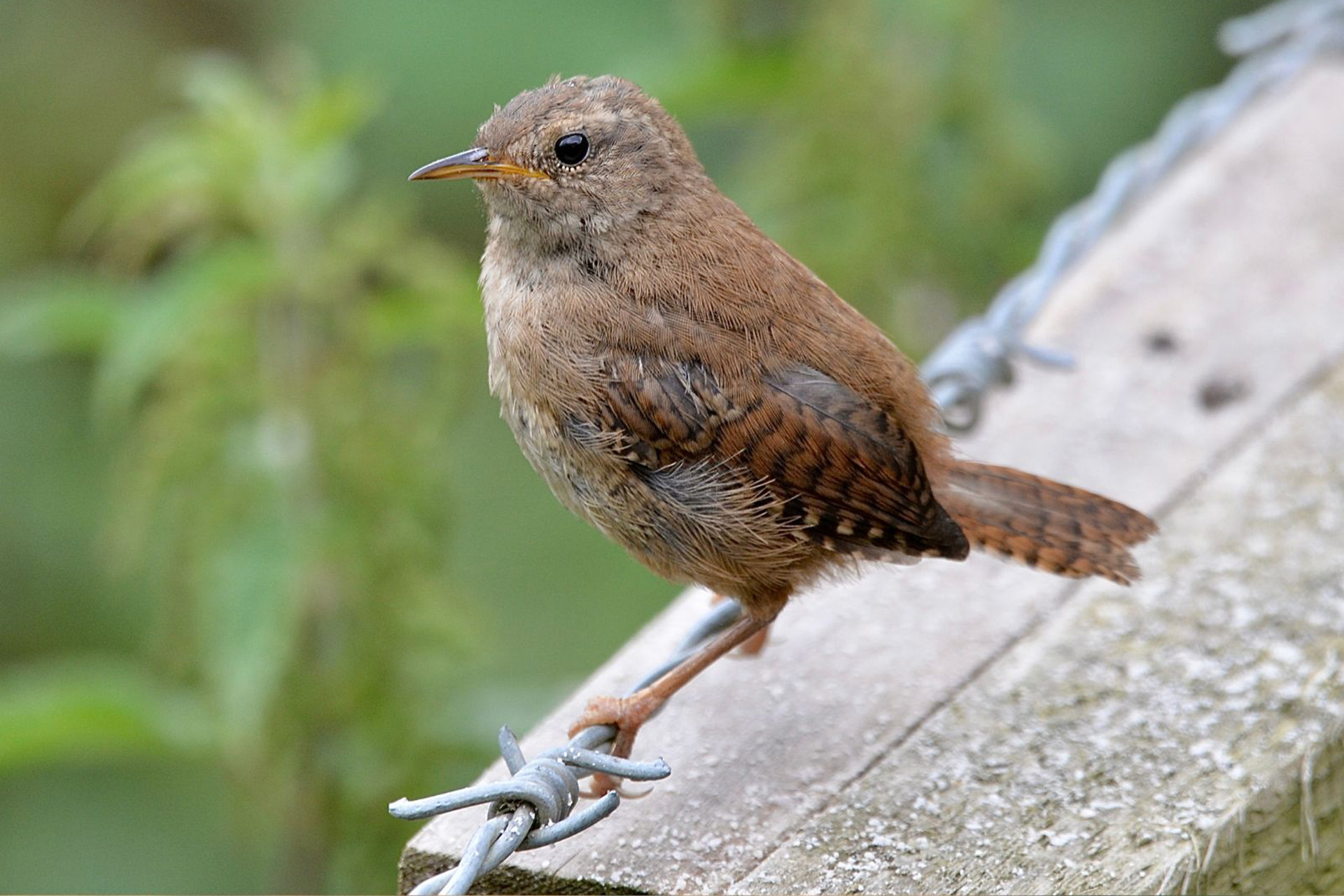
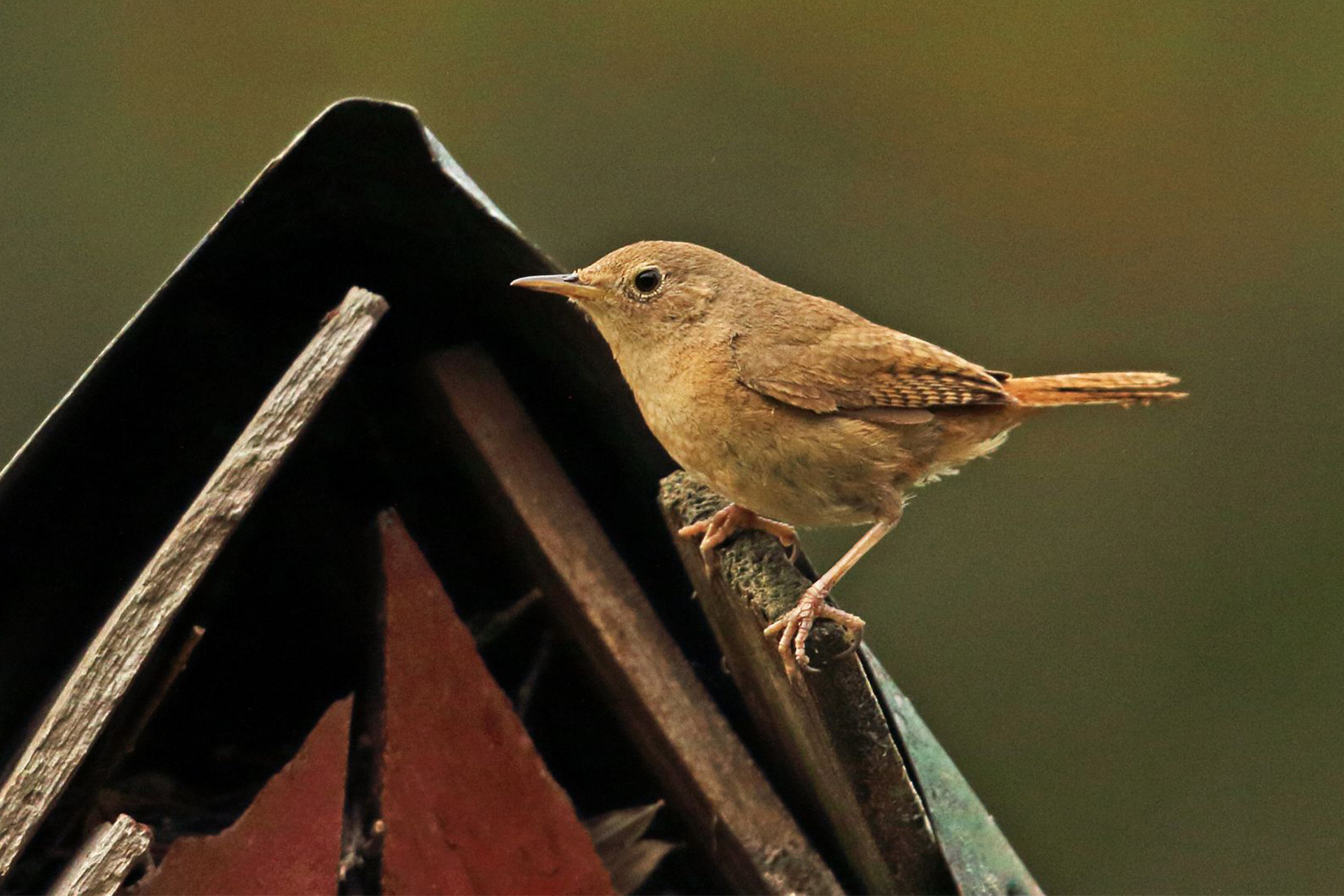
Northern House Wrens are small, compact birds with a slightly curved bill and a short tail often held upright. Their coloring is subtle but attractive: warm brown with fine barring on the wings and tail. They lack the bold markings found on many birds, but their constant movement and loud song make them easy to recognize.
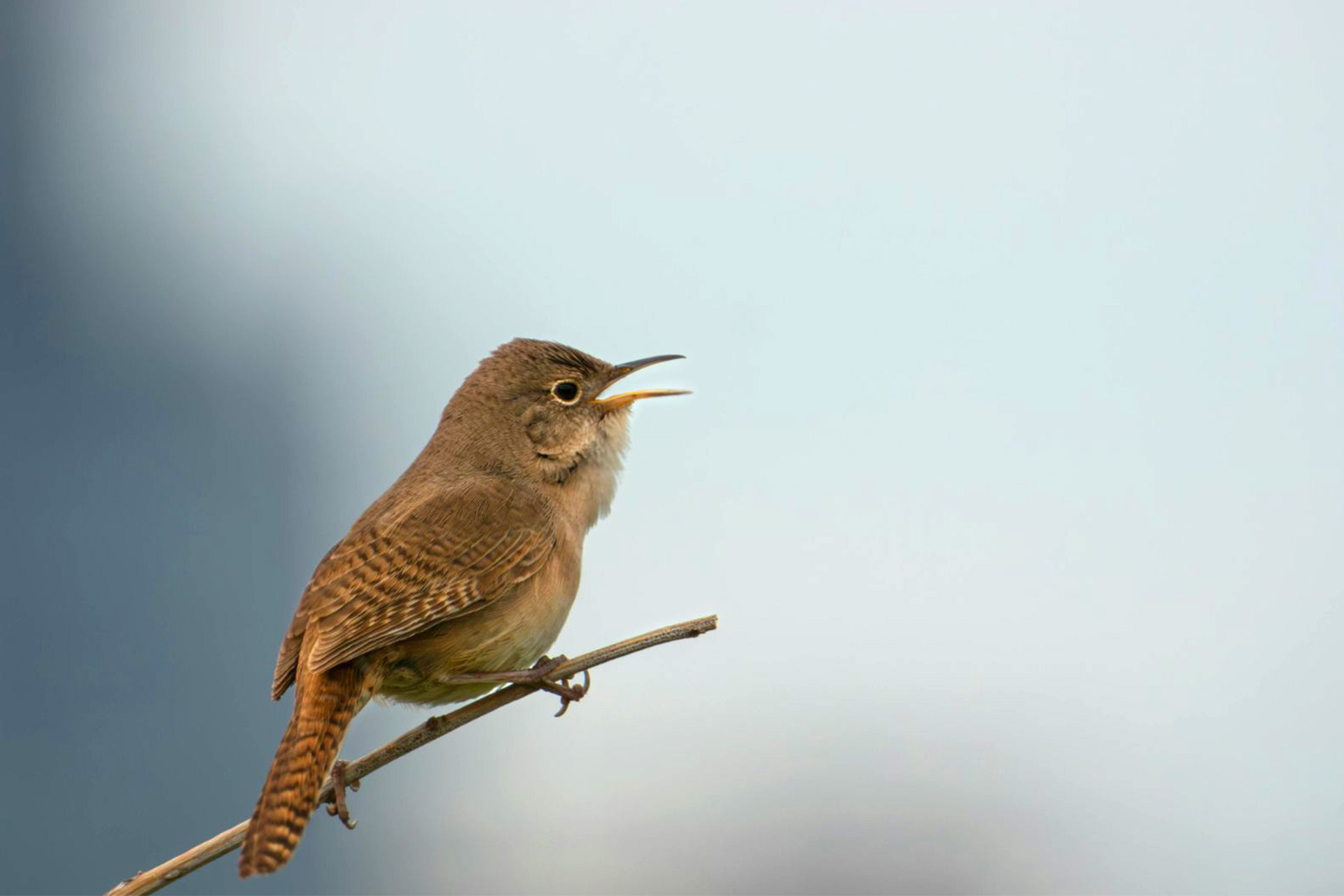
Their song is a rapid, bubbling series of trills and chatters that can seem impossibly loud for such a small bird. In the quiet mornings of the high desert, their cheerful music often carries far across open land.
Habitat in the High Desert
Although commonly associated with wooded areas in other parts of North America, Northern House Wrens adapt well to the edge habitats common in high desert environments. They are often found near:
- Riparian zones along creeks or irrigation ditches
- Cottonwood and willow stands
- Ranch buildings and barns
- Desert-edge neighborhoods with shrubs and trees
- Brush piles and old fence lines
These birds prefer areas that provide plenty of cavities for nesting and dense cover for hunting insects.
Eating Habits
Northern House Wrens are insect specialists. Their diet consists almost entirely of small invertebrates, which makes them extremely beneficial to gardeners and landowners.
Common foods include:
- Beetles
- Caterpillars
- Grasshoppers
- Spiders
- Ants
- Moths and larvae
- Small crickets
They forage by actively hopping and climbing through shrubs, brush piles, and tree bark, probing crevices with their bills. Unlike many birds, they rarely visit seed feeders because they have little interest in seeds.
During breeding season, they become relentless hunters. A pair feeding nestlings may capture hundreds of insects per day, making them natural pest control in desert gardens and orchards.
What Attracts Northern House Wrens
If you want wrens in your yard, the key is providing shelter, nesting sites, and insect-rich habitat.
They are attracted to:
- Nest boxes designed for wrens
- Brush piles and wood stacks
- Native shrubs and small trees
- Gardens that support insect life
- Water sources like bird baths or small ponds
- Bark Butter- It works great to attract insect eating birds that don’t traditionally come to feeding stations (and can be spread on or around wood/fences/whatever as opposed to a dedicated feeder.)
Wrens also appreciate messy, natural landscapes more than highly manicured yards. A few fallen branches or dense shrubs can be perfect hunting grounds.
What They Don’t Like
Northern House Wrens avoid:
- Large open areas with no cover
- Heavy pesticide use (which reduces insect food)
- Nest boxes placed too close to open spaces
- Constant disturbance around nesting areas
They can also be territorial and may chase away other small birds during breeding season.
One interesting trait is that wrens sometimes remove eggs from other cavity-nesting birds like bluebirds if they compete for nest sites. Because of this, birders often space nest boxes far apart if they want to support multiple species.
Mating and Courtship
Northern House Wrens have a fascinating and somewhat unusual mating system.
Males arrive on breeding grounds first in spring and immediately begin claiming territory. To attract females, a male will build several partial “dummy nests” inside different cavities.
These early nests consist of sticks loosely piled in a cavity such as:
- Tree holes
- Fence posts
- Nest boxes
- Gaps in buildings
- Woodpecker holes
The male sings loudly from nearby perches to advertise both himself and his available nesting real estate.
When a female arrives, she inspects the nest options. If she accepts one, she finishes the nest herself by lining it with softer materials.
Interestingly, some males may mate with more than one female, each using a different nest site within his territory.
Nesting Rituals
Once the female selects a nest cavity, she transforms the male’s rough stick structure into a comfortable nursery.
Common nesting materials include:
- Grass
- Feathers
- Moss
- Animal hair
- Soft plant fibers
A typical clutch contains 5–8 small speckled eggs.
Incubation lasts about 12–15 days, during which the female does most of the sitting while the male continues defending territory.
After the chicks hatch, both parents work constantly to feed them insects. The nestlings grow rapidly and usually fledge in about 15–18 days.
In favorable conditions, wrens may raise two broods in one season.
How to Attract Northern House Wrens to Your Yard
If you live in the high desert and want to welcome these lively birds, there are several effective strategies.
- Install Wren Nest Boxes
A simple wooden nest box with a 1 to 1¼ inch entrance hole is perfect for wrens. Mount it about 5–10 feet above ground near shrubs or trees.
- Provide Natural Cover
Wrens love dense areas where insects hide. Consider:
- Native shrubs
- Brush piles
- Log stacks
- Untidy corners of the yard
- Avoid Harmful Pesticides
Insects are their main food source. Chemical sprays can eliminate the very prey that attracts wrens.
- Offer Water
A shallow bird bath or small water feature helps during hot desert summers.
- Plant Native Vegetation
Plants that attract insects—such as sagebrush, rabbitbrush, currant, and desert wildflowers—help create a natural feeding habitat.
Fun Facts About Northern House Wrens
- Their song can include more than 100 notes per minute.
- Despite their size, they are known for being bold and aggressive defenders of their territory.
- The species is incredibly adaptable and thrives near humans.
- They migrate south for winter, often traveling to the southern United States, Mexico, and Central America.
- A single pair may remove thousands of insects from a yard during one nesting season.
- Their scientific name aedon comes from Greek mythology and refers to a legendary singer.
A Small Bird With a Big Presence
In the quiet expanses of the high desert, the Northern House Wren brings life and sound to yards, ranches, and wild edges. Their constant movement, musical chatter, and impressive insect-hunting abilities make them one of the most rewarding birds to host.
For bird lovers willing to provide a few nest boxes, native plants, and a little untamed space, these energetic little wrens may soon become one of the most entertaining residents of the desert backyard.
Share

Across high desert landscapes, quail are among the most recognizable and beloved birds. Their quick movements, soft calls, and distinctive topknots make them a familiar sight along sagebrush flats, desert washes, and suburban edges.
Valentine’s Day tends to focus on grand gestures, flowers, chocolates, candles, and dramatic declarations, but the birds of the Reno/Tahoe high desert tell a quieter, more grounded love story.
Here's everything you need to know about attracting hummingbirds to your garden in the high desert.
We love seeing families take the time to feed the local ducks and waterfowl, but it's important to do so responsibly.