Share
Starting Seeds Indoors in the High Desert
Gardening in the high desert requires a little extra planning, especially in early spring. Cold nights, surprise frosts, intense afternoon sun, and a relatively short growing season can make direct seed sowing outdoors frustrating and unreliable. Starting seeds indoors allows gardeners to work around these challenges by giving plants a strong, controlled beginning. By the time outdoor conditions are favorable, seedlings are already well established and ready to grow, rather than struggling to germinate in cold soil.
One of the biggest benefits of starting seeds indoors is gaining time. Indoors, seeds can be started weeks earlier, extending the growing season and allowing gardeners to enjoy earlier harvests. Indoor seed starting also improves germination rates, since temperature and moisture are easier to manage, and it opens the door to successfully growing a wider variety of vegetables.
Many early and cool-season vegetables adapt well to being started indoors. Crops such as peas, lettuce, spinach, kale, Swiss chard, broccoli, cabbage, and cauliflower can be started early and transplanted outside once conditions allow. Warm-season vegetables like cucumbers, tomatoes, peppers, squash, zucchini, and melons especially benefit from an indoor start in high-desert climates, where waiting for consistently warm soil can delay planting well into late spring.
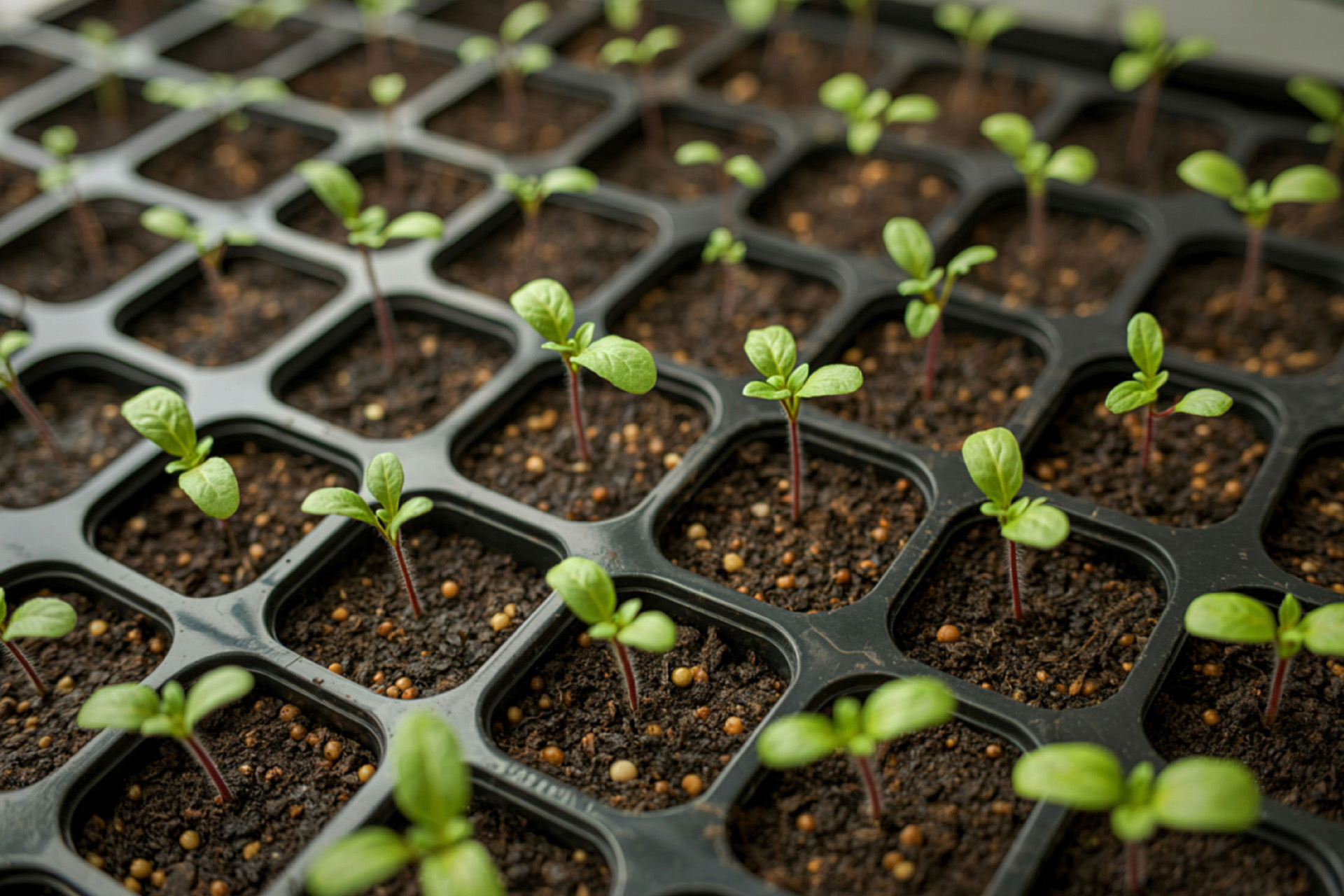
The most important factor during germination is warmth. Seeds do not require light to sprout, but they do need warmth. Most vegetable seeds germinate best when soil temperatures stay between about 65 and 80 degrees Fahrenheit. In cooler homes, a seed-starting heat mat can make a dramatic difference. Trays should be kept away from cold windows and drafts, so soil temperatures remain steady. Once seedlings break through the soil, their needs change quickly, light becomes essential. Bright sunlight or grow lights should be provided immediately to prevent seedlings from becoming tall, thin, and weak.
Indoor care is especially important in the dry high-desert environment, where low humidity can cause soil to dry out faster than expected. Seed-starting mix should be kept evenly moist, but never soggy. Using a spray bottle to mist the surface daily works well, especially for tiny seeds that can be disturbed by heavy watering. Humidity domes or tray covers are extremely helpful during the germination phase. They trap warmth and moisture, creating an ideal microclimate for seeds to sprout, which is especially valuable in dry indoor air. These covers significantly increase germination success, but they should not be left on too long. Once seedlings emerge, removing the dome prevents excess moisture buildup and reduces the risk of mold or damping-off disease.
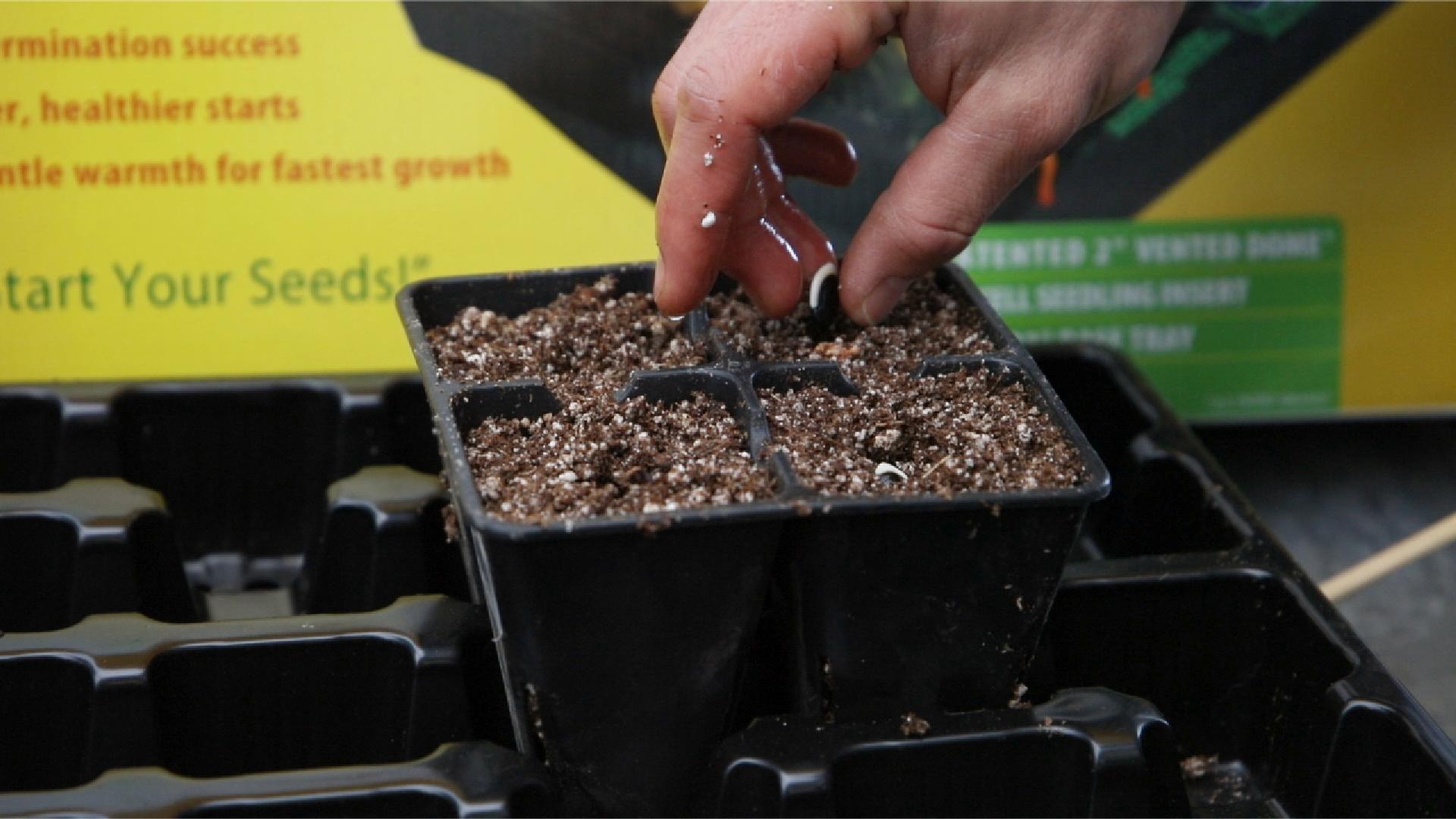
Proper preparation and organization play a surprisingly big role in successful seed starting. Color coding trays or using different colored labels makes it easier to keep track of what was planted where, especially when multiple varieties are growing at different speeds. Writing the seed type and planting date on tabs or labels helps with timing future transplants and prevents confusion once seedlings begin to look similar. Using the proper seed starting soil to provide all the essential nutrients, and sowing directly into compostable containers, like Cow Pots, can help reduce stress on the seedlings and increase your success rate.
When it comes time to move seedlings outdoors, timing matters. Transplanting should wait until outdoor soil has begun to warm, and nighttime temperatures are consistently within a safe range for each crop. This can vary based on what you are growing but a safe range is usually around 40-45 degrees. Before planting directly into the garden, seedlings must be hardened off. This process gradually exposes them to outdoor conditions over a period of seven to ten days, starting with short periods of shade and calm weather and slowly increasing sun exposure and time outside.
Transplanting is best done on a cloudy day or in the late afternoon to reduce stress from sun and heat. Seedlings should be watered well before and after planting, and extra protection such as row covers, frost cloth, or shade cloth can be used if temperatures fluctuate. Mulching around young plants helps conserve moisture and protects roots from rapid temperature swings, which are common in the high desert.
Starting seeds indoors may take a bit more effort upfront, but it pays off by giving you stronger plants, earlier harvests, and a more resilient garden. With a little bit of planning, some warmth for germination, light for growth, consistent moisture, and thoughtful transplanting, high-desert gardeners can overcome climate challenges and enjoy a productive growing season from the very beginning.
Share

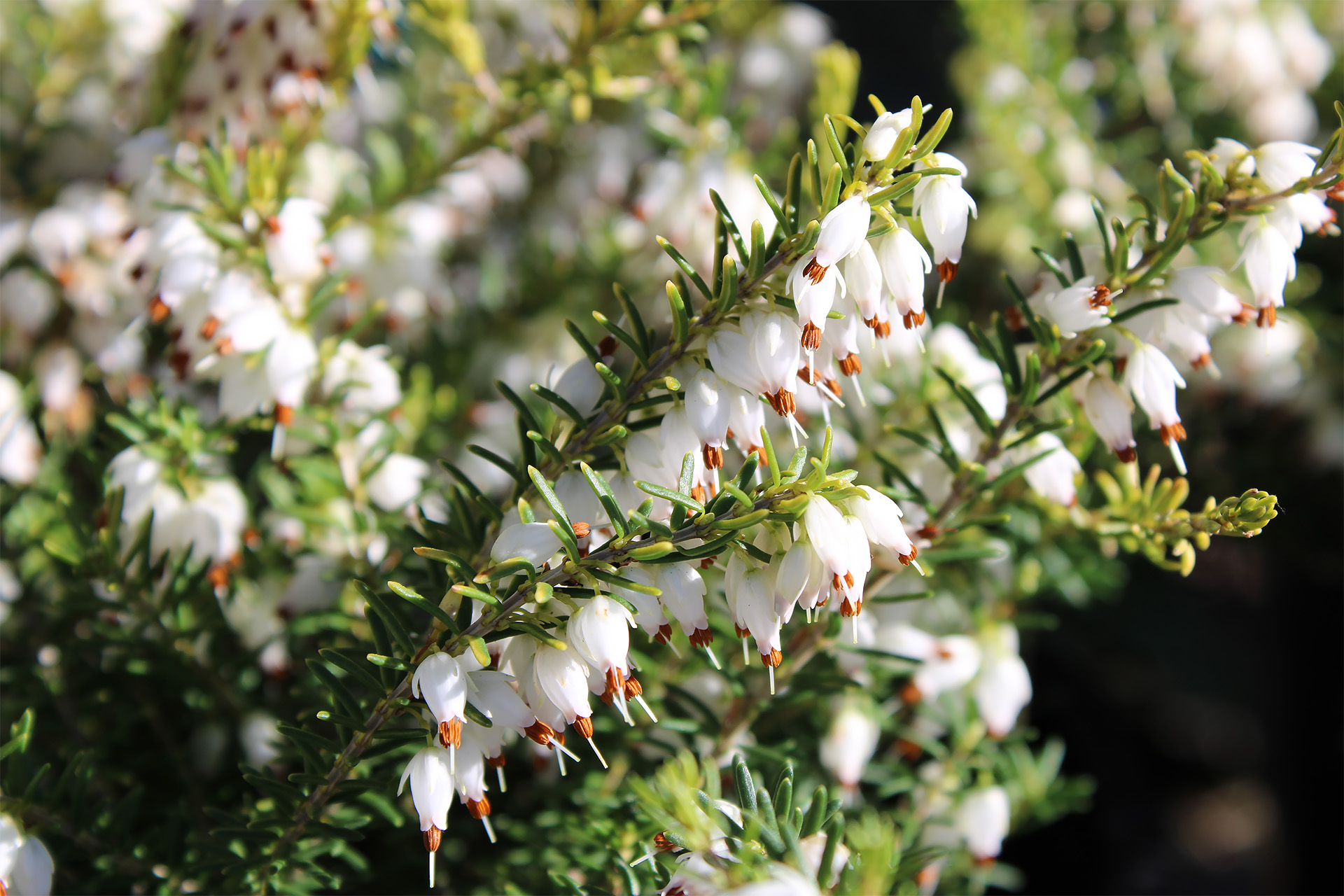
If you crave color when the rest of the garden is still half-asleep, winter-blooming heaths are one of the best-kept secrets in cold-climate gardening.
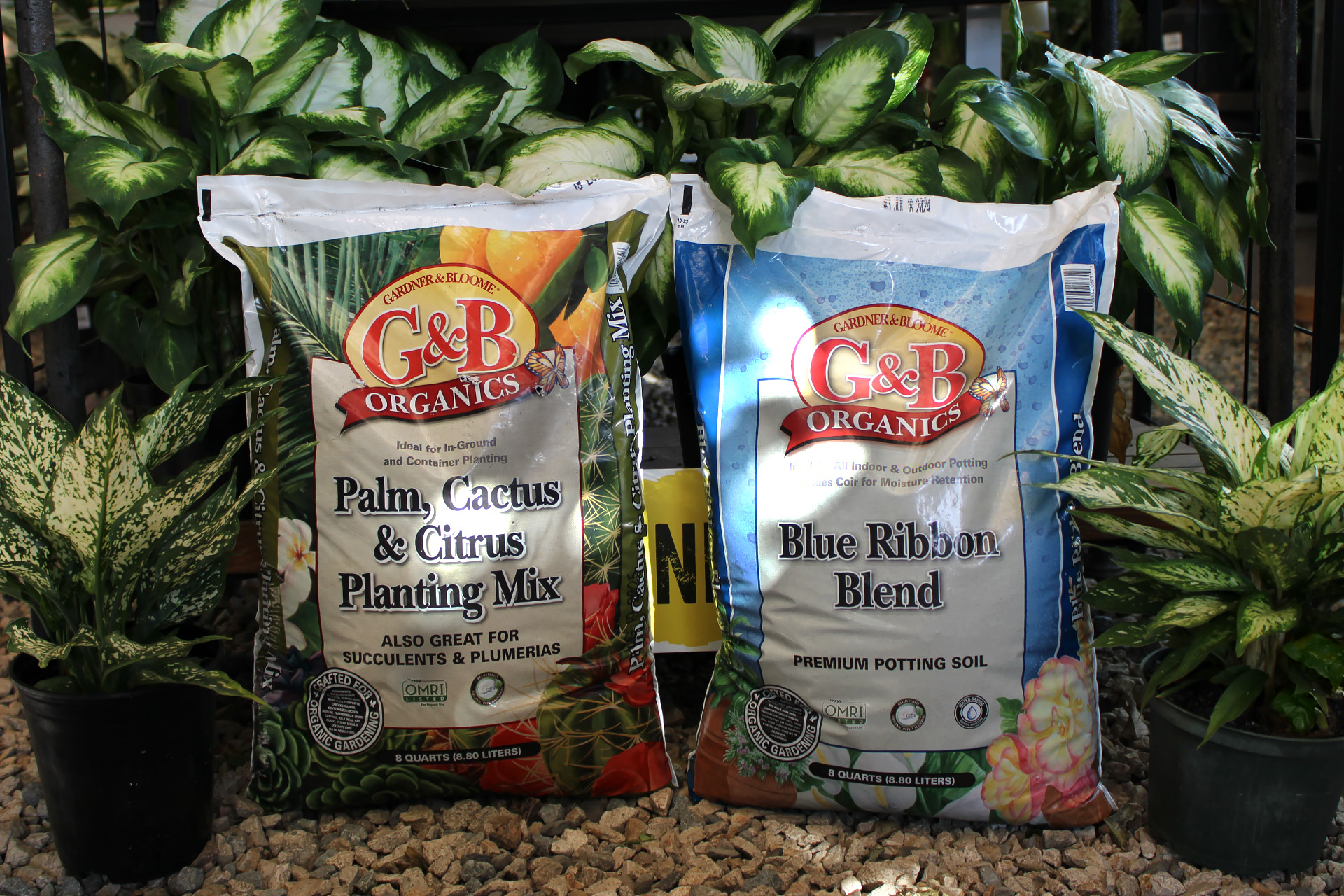
The soil you choose determines how well your plant’s roots can breathe, how water drains or is retained, and how nutrients become available.
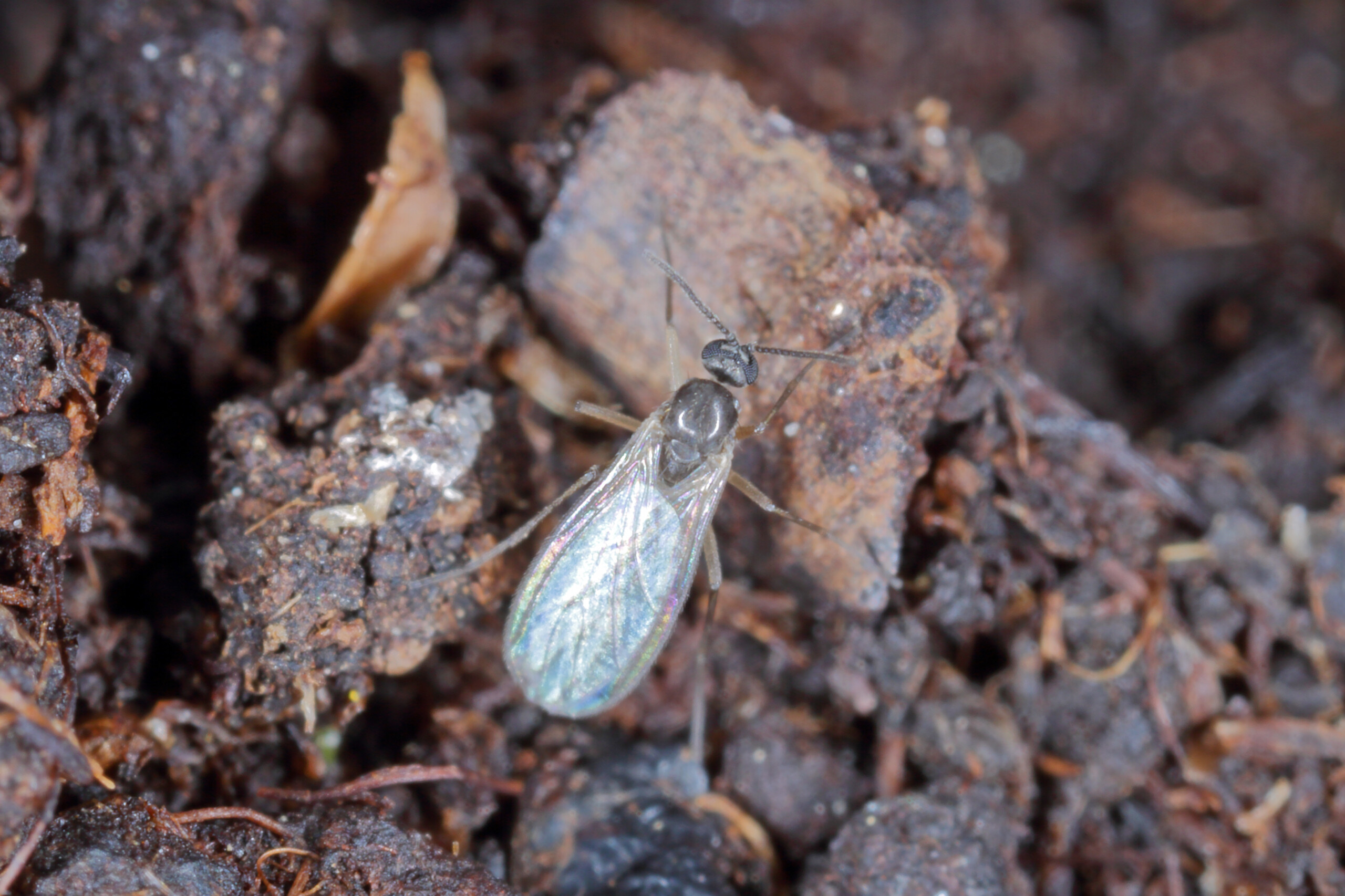
Fungus gnats are common pests that houseplant owners encounter. What are they and what can you do to prevent and treat them?
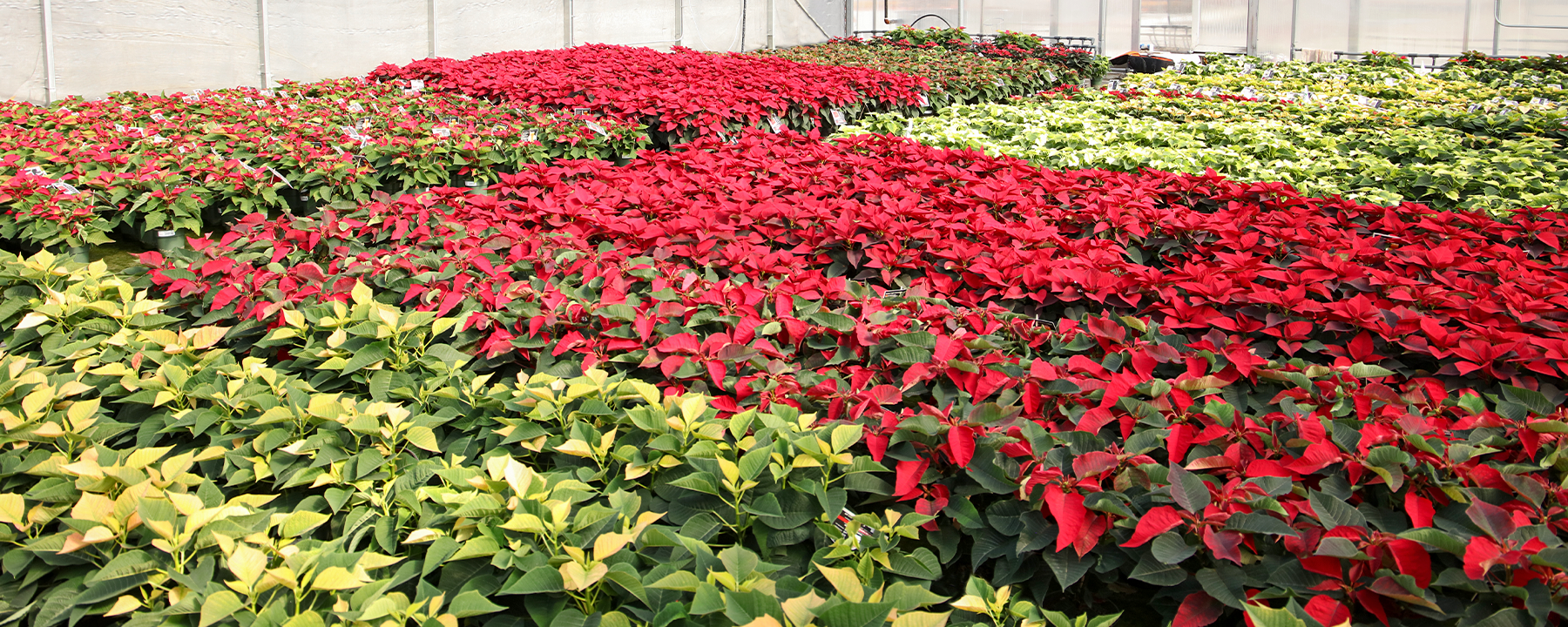
Moana Nursery is excited to introduce a new solution that’s easy, eco-friendly, and community-minded: Poinsettia Recycling, in partnership with Full Circle Compost.