Share
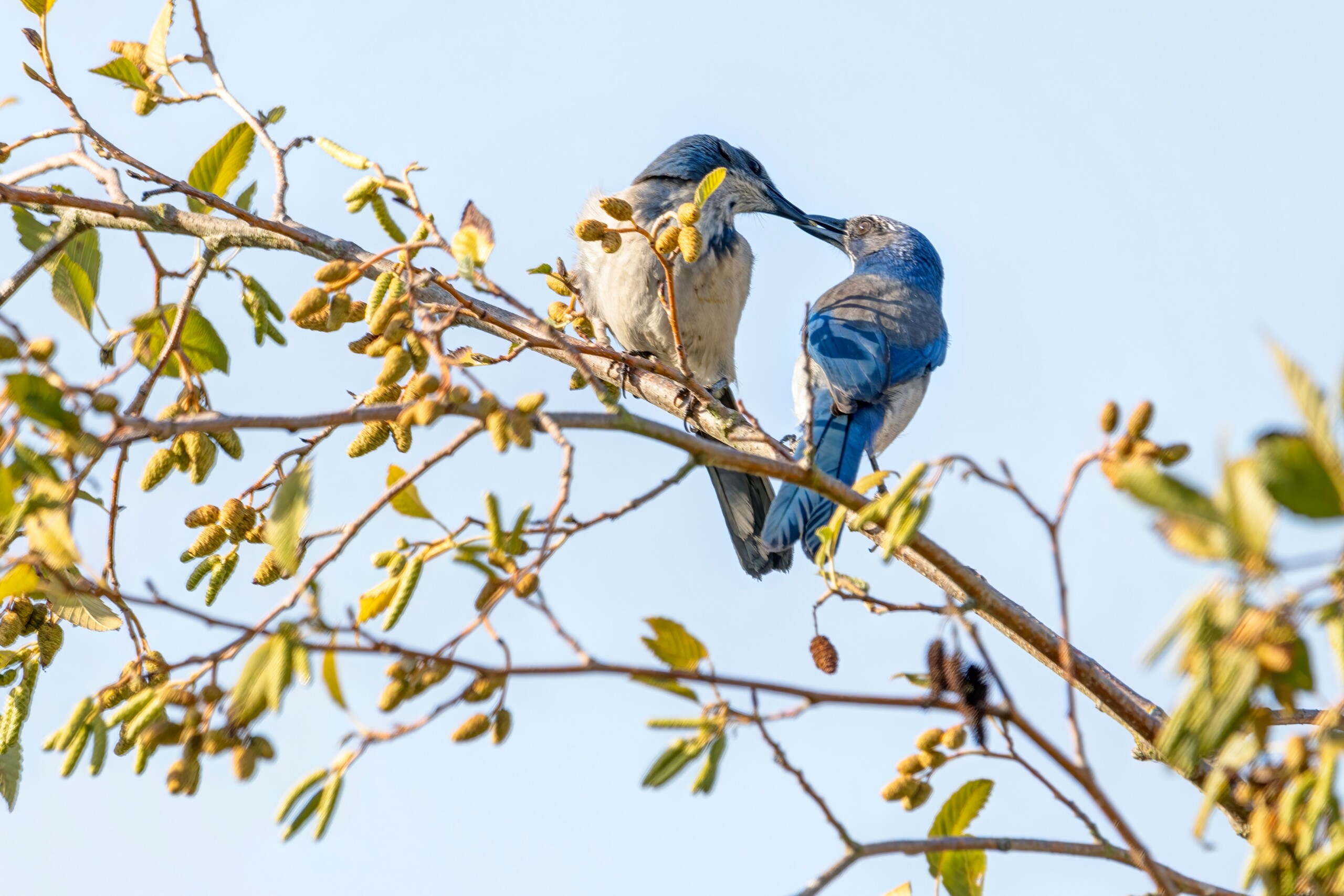
Love Birds: Bird Courtship in the High Desert
Valentine’s Day tends to focus on grand gestures, flowers, chocolates, candles, and dramatic declarations, but the birds of the Reno/Tahoe high desert tell a quieter, more grounded love story. Their romances play out against sagebrush and snowfields, shaped by cold nights, thin air, and long migrations. It’s not sentimental love. It’s practical, seasonal, and surprisingly tender. In a place where survival takes effort, bird courtship is less about spectacle for its own sake and more about trust, timing, and showing up.
Early Love in Late Winter
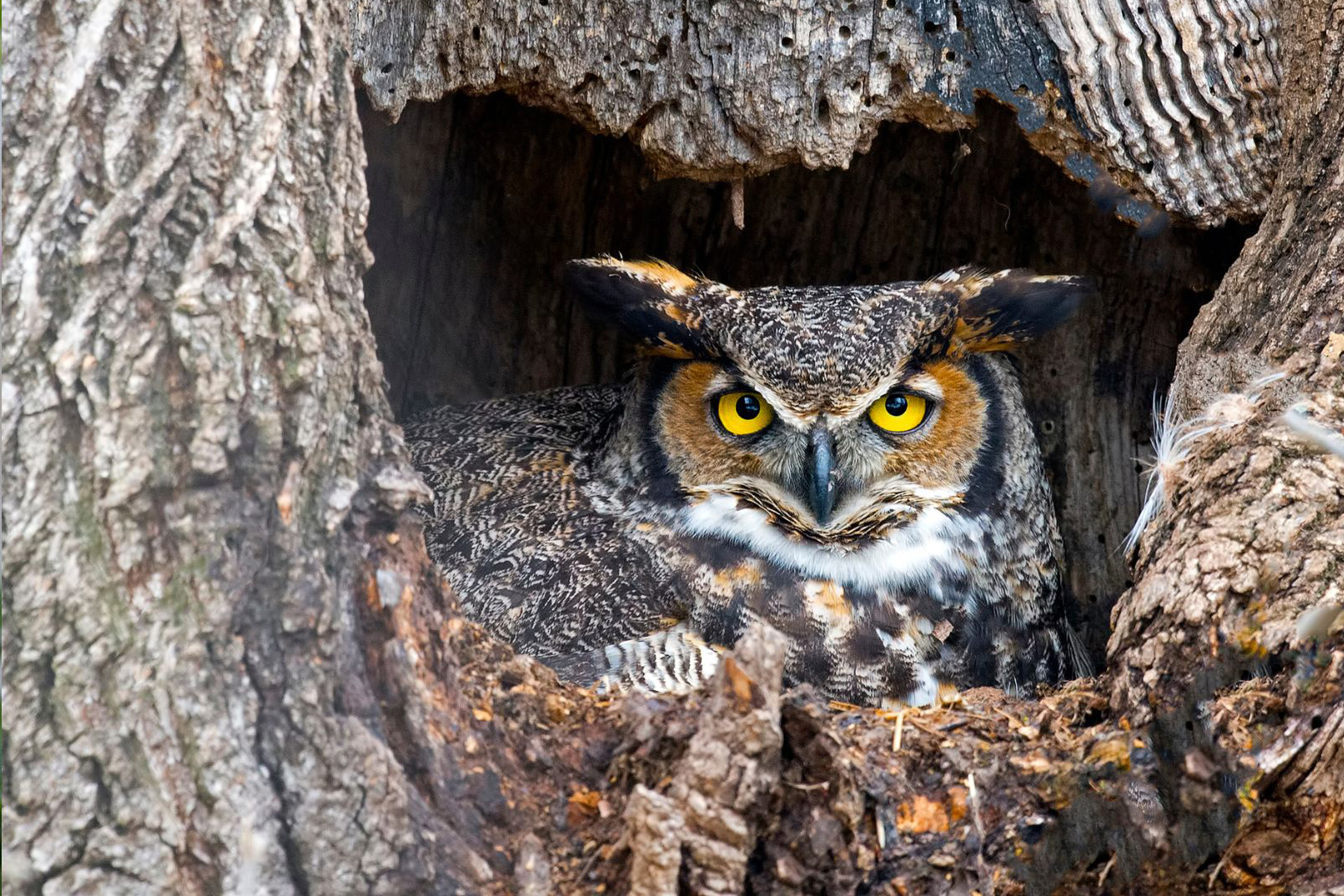
While humans wait for February 14 to circle the calendar, some birds have already started pairing off weeks beforehand. Great Horned Owls, common throughout the Truckee Meadows and surrounding foothills, begin courtship in midwinter. Their bond is announced by deep, resonant hoots exchanged in the dark—call and response, patient and unhurried.
These owls often mate for life. They don’t build elaborate nests, preferring to reuse old ones, sometimes returning to the same site year after year. It’s a reminder that commitment doesn’t always look like starting fresh; sometimes it looks like choosing the familiar and making it work again.
Proving They’re Worth the Effort
In the open high desert, resources are unpredictable, and many birds build relationships around capability. American Kestrels, small falcons frequently seen hovering over fields along Highway 395, practice a form of courtship that’s refreshingly direct. Males demonstrate their hunting skills, often delivering prey to females as a kind of résumé. It’s not flashy romance, but it’s honest. If you can feed your partner now, you’re more likely to succeed when chicks arrive. For kestrels, love is practical, and mutual effort keeps the partnership strong through the breeding season.
Songs That Carry Across the Sagebrush
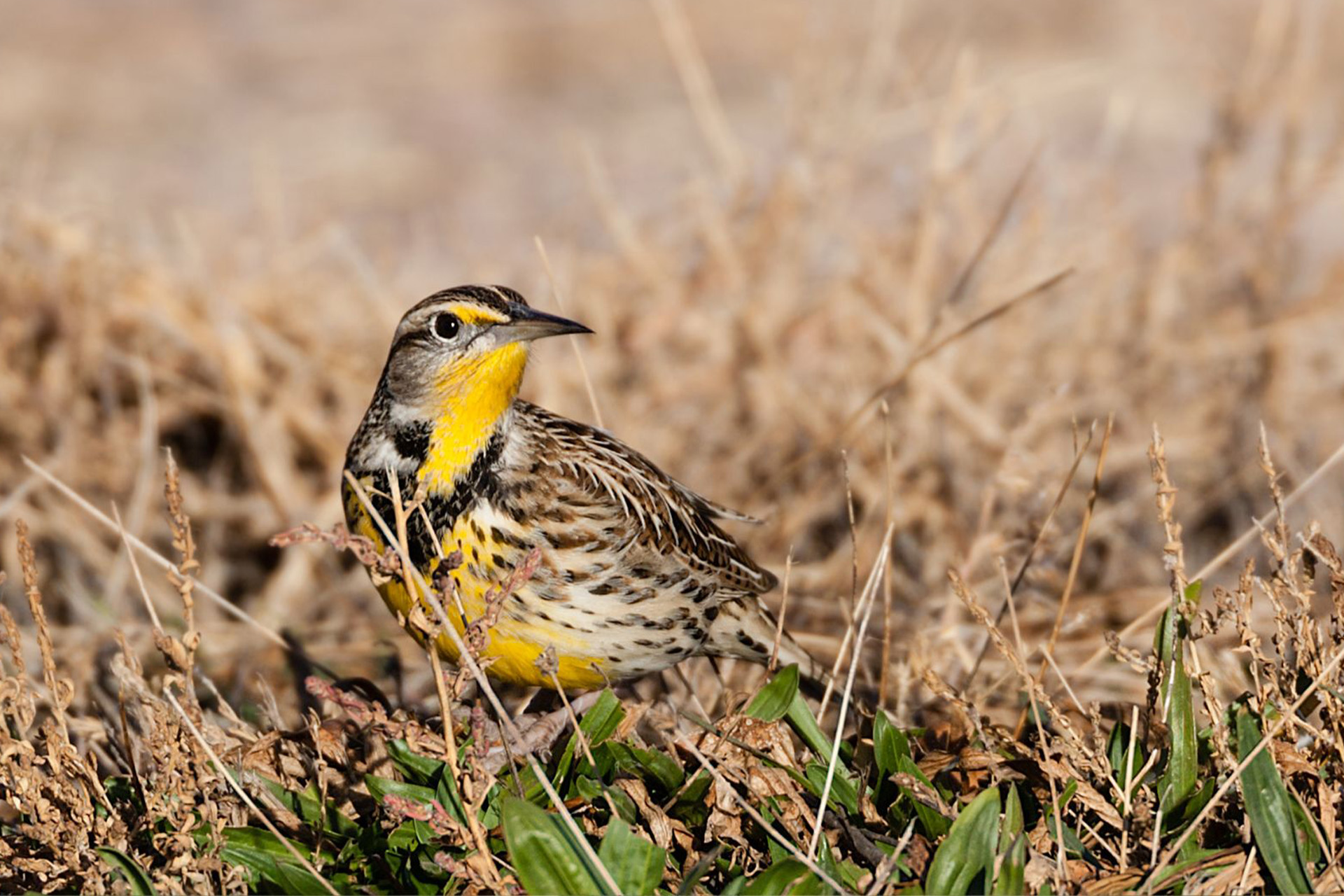
For songbirds like Western Meadowlarks and Sage Thrashers, love begins with sound. Their calls carry across wide, open spaces, turning empty-looking landscapes into active social networks. Each song is both invitation and introduction, advertising health, territory, and genetic fitness.
What’s striking is how tailored these performances are to the land. High desert songs tend to be loud and far-reaching, designed to travel long distances without obstruction. Romance here adapts to geography. You don’t whisper when the wind is always moving.
The Illusion of Drama
No discussion of high-desert mating would be complete without the Greater Sage-Grouse. Their elaborate courtship displays of puffed chests, fanned tails, and echoing pops are mesmerizing. Yet for all the drama, sage-grouse mating is brief. Females choose a mate and move on, raising chicks alone. There’s no lasting bond, no shared parenting. It’s a useful counterpoint to the Valentine’s Day narrative: not all love stories are meant to be long, and not all intensity leads to partnership.
Long-Distance Relationships
Migratory birds passing through the Reno–Tahoe region bring another dimension to avian romance. Swallows, tanagers, and warblers often reunite with the same mate year after year, despite spending months apart across continents. Scientists still debate how these reunions happen—memory, timing, geography—but the result is consistent. When spring returns, so do they, meeting again in familiar places. In a human context, it’s the long-distance relationship that somehow works, season after season, without constant reassurance.
Shared Work, Quiet Bonds
Canada Geese, common around local wetlands and reservoirs, are famously monogamous. Their partnerships are marked less by courtship and more by cooperation: shared nest defense, synchronized movements, and fierce protection of their young. Watch a bonded pair walk together and you’ll notice how closely they stay aligned, bodies angled inward. It’s not romantic in a movie sense, but it’s unmistakably intimate. Their version of love is teamwork.
Love Without Sentimentality
What makes bird mating habits in the high desert compelling—especially around Valentine’s Day—is how unsentimental they are. There are no guarantees, no fairy-tale endings, just patterns shaped by environment and necessity. And yet, within those constraints, there’s loyalty, patience, and care. There’s choosing the same partner again. There’s feeding, guarding, singing, and waiting.
Maybe that’s the least cheesy takeaway of all: love doesn’t have to be extravagant to be meaningful. Sometimes it’s just knowing when to arrive, how to help, and where to return when the season changes. In the high desert, that’s more than enough.
Share

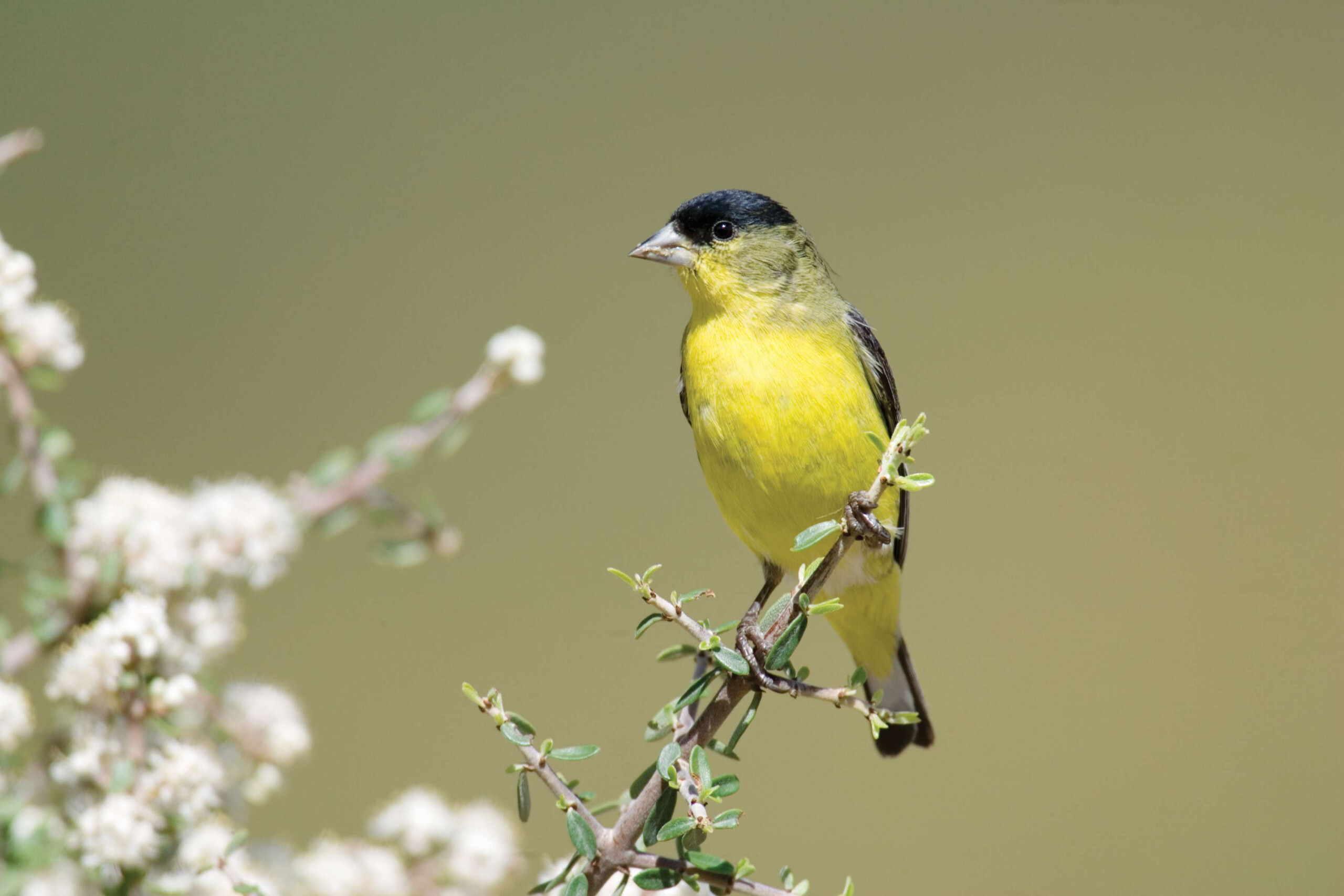
The American Goldfinch is one of the most cheerful and recognizable birds found in Northern Nevada. Its bright yellow summer plumage stands in striking contrast to the muted browns and grays of the high desert.
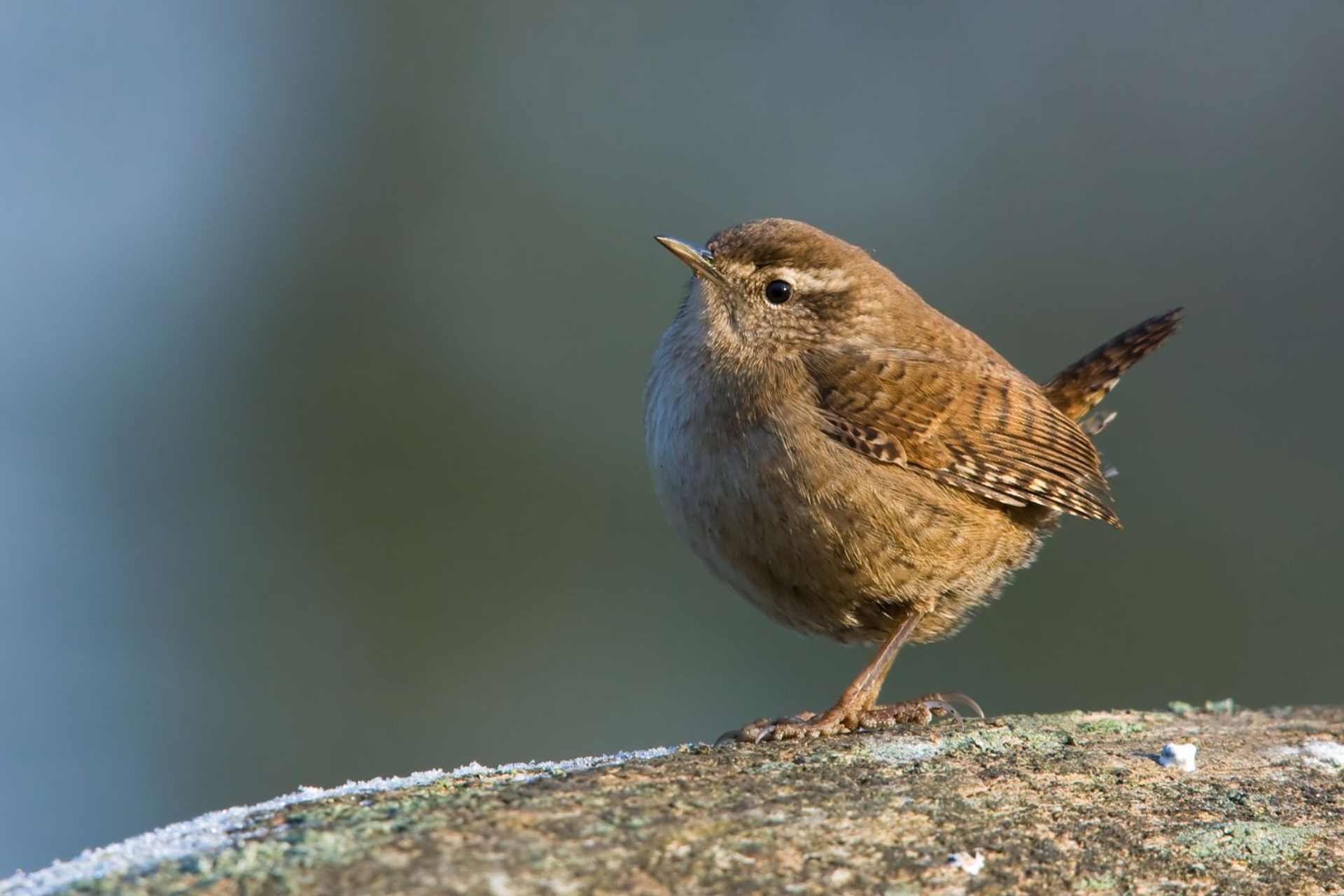
The Northern House Wren (Troglodytes aedon) is one of the most energetic and charismatic small birds found across North America, including the high desert landscapes of the western United States.
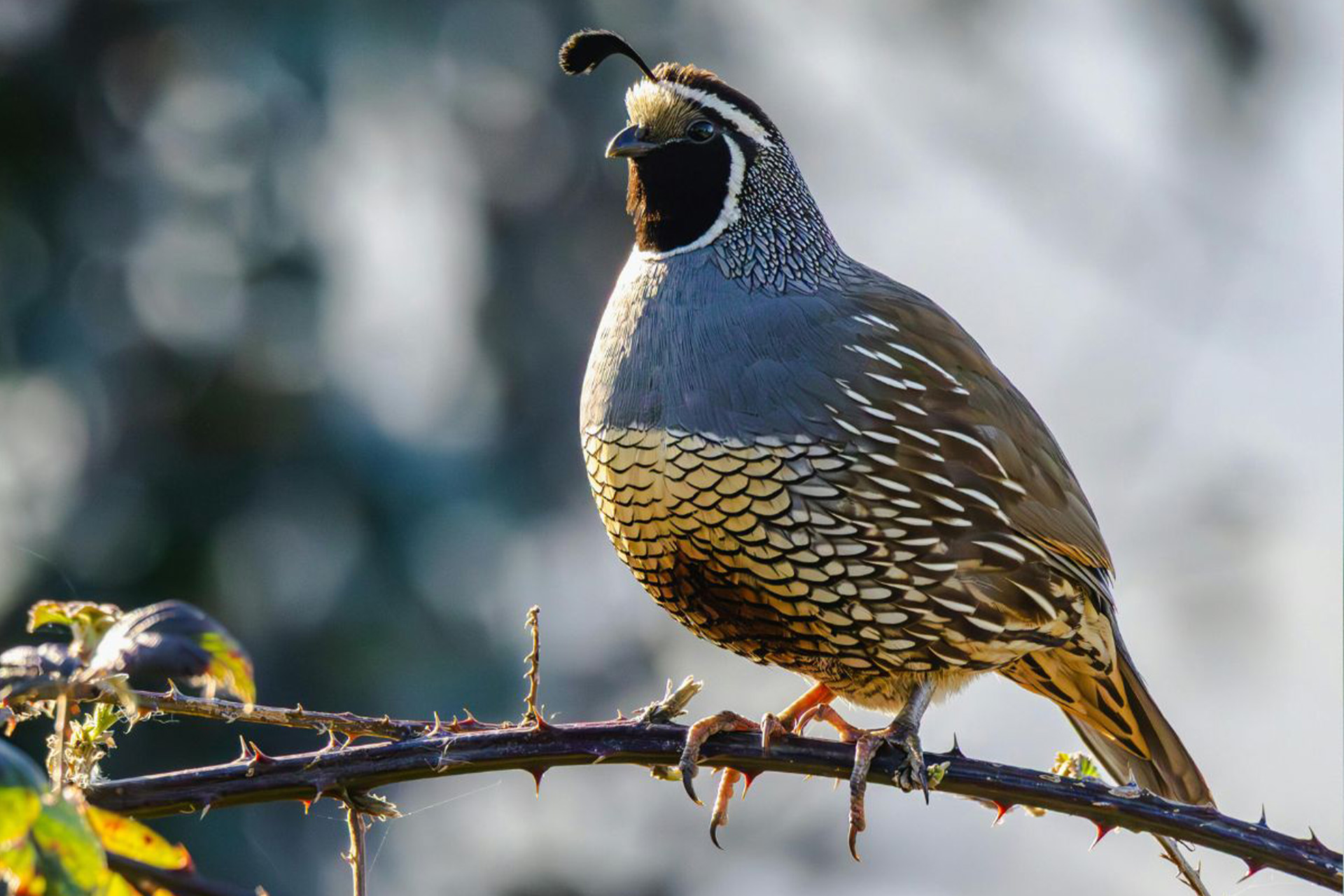
Across high desert landscapes, quail are among the most recognizable and beloved birds. Their quick movements, soft calls, and distinctive topknots make them a familiar sight along sagebrush flats, desert washes, and suburban edges.
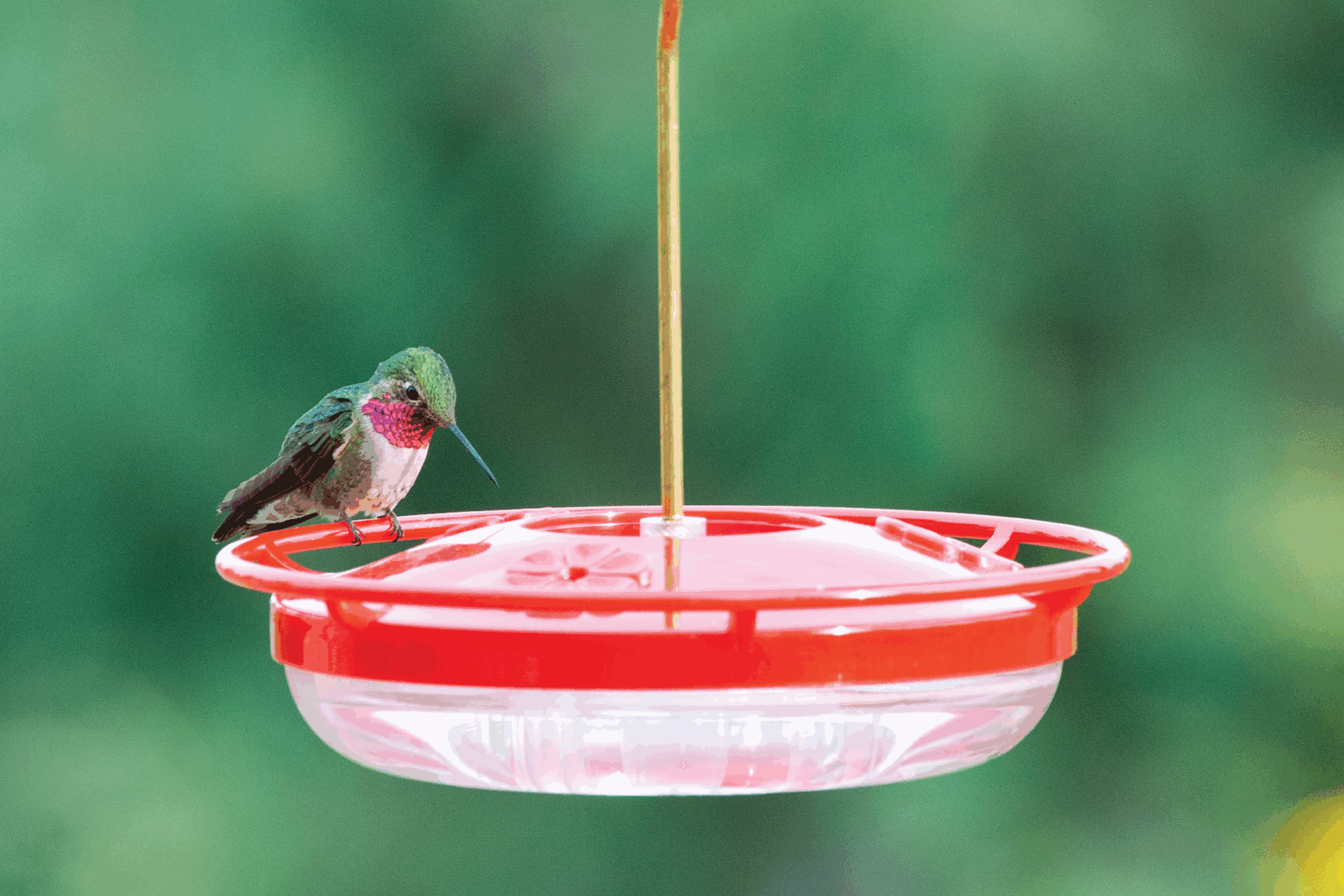
Here's everything you need to know about attracting hummingbirds to your garden in the high desert.