🌱💀 Days of the Dead Plants 💀🌱
Even the best gardeners have plant skeletons in their closets… and so do we!
This October, while the world celebrates all things spooky, we at Moana Nursery are pulling back the curtain on a gardening truth: plant death is part of the process.
For 13 days in October, our Certified Nursery Professionals will be sharing photos of their own dearly departed plants. Yes—you read that right. Even expert plant people lose plants sometimes. And that’s OK!
Each “fallen friend” reminds us of three important lessons:
Every plant has a story – we celebrate the beauty it brought while it lasted.
Every loss teaches us something – even a plant funeral has wisdom.
Every gardener grows through trial and error – casualties don’t mean failure; they mean progress.
So join us as we honor our garden’s ghosts and share the joy, heartbreak, and humor of plant parenthood. After all, the only truly “dead end” in gardening is giving up.
Follow along daily for spooky stories of perished plants… straight from the hands of Moana Nursery experts.
Because in the garden, life and death go hand in hand. 🌹⚰️🌿
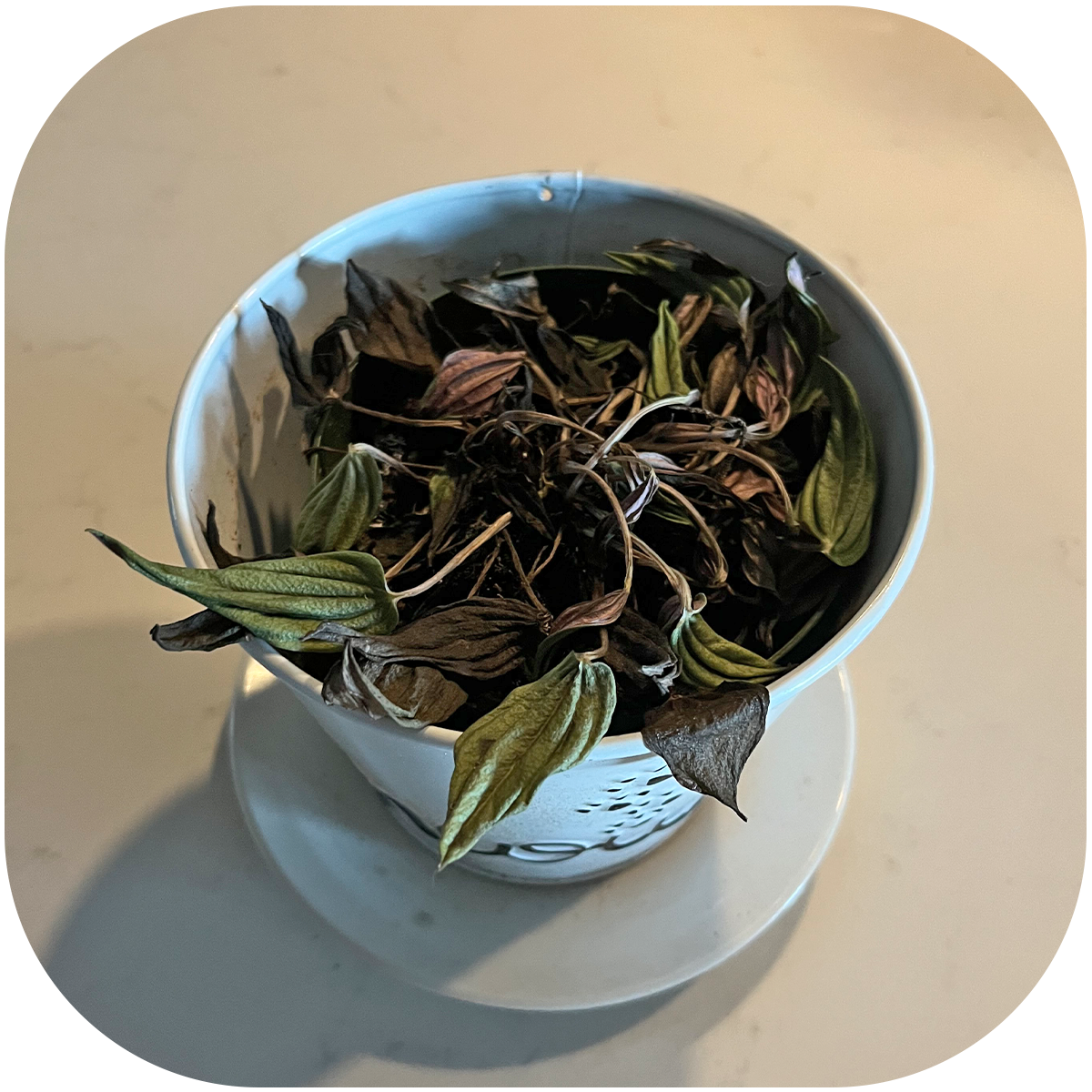
Day 1: The Perished Peperomia
Cause of Death: A watery grave
A tragic fate befell this poor Peperomia—drowned in its own sorrows by a Moana Nursery Team Member who should’ve known better. In a moment of misplaced compassion, they thought he looked thirsty… but alas, too much love can be lethal.
Lesson from the Graveyard:
Peperomias are more like succulents than they let on. Their plump, fleshy leaves act as water tanks, meaning they prefer a life of neglect over one of constant sips. To keep these beauties thriving:
- Let the soil dry out fully between drinks.
- Provide a chunky, well-draining soil mix.
- Remember: in the world of Peperomia, overwatering is the true boogeyman.
Rest in peace, dear Peperomia—you taught us that sometimes, less really is more.
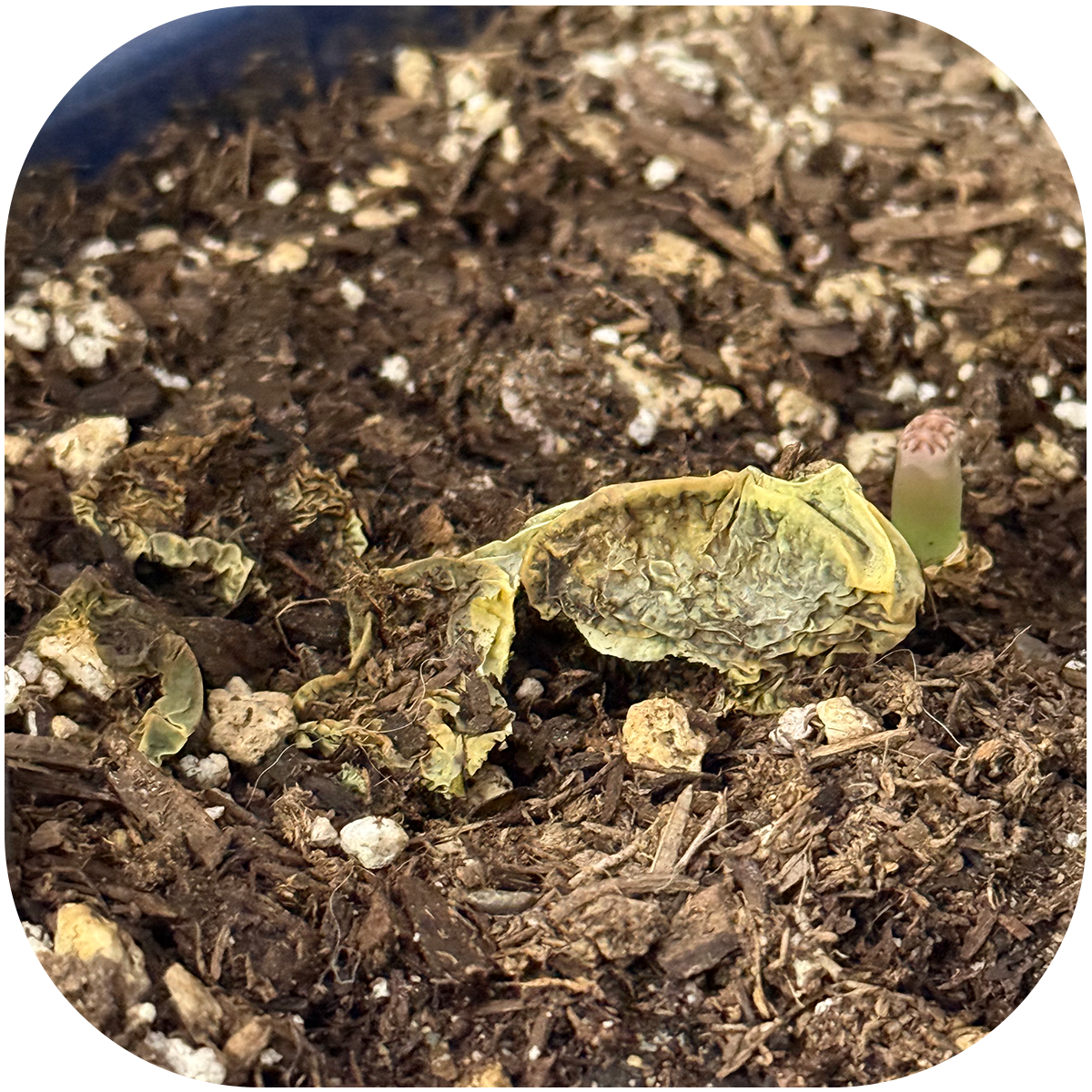
Day 2: The Lost Lithop
Cause of Death: Mysterious Circumstances
This little Lithop—beloved but misunderstood—chose loss over life. Though cherished by a Moana Nursery Team Member, it never quite felt at home. Perhaps it longed for the arid sun and sandy soils of South Africa, where its kind thrives disguised among stones. Instead, it slipped quietly into the afterlife, leaving us guessing at what went wrong.
Lesson from the Graveyard:
Plants carry the spirit of their homelands. A Lithop doesn’t dream of cozy living rooms—it dreams of searing sun, rocky soil, and dry desert air. To help your plants thrive (or at least survive), always honor their roots:
- Research their native environment.
- Adjust your space with the right heat, light, and moisture.
- Remember: a plant’s comfort zone may not be the same as yours.
Rest in pebbly peace, dear Lithop. May the desert winds carry you home.
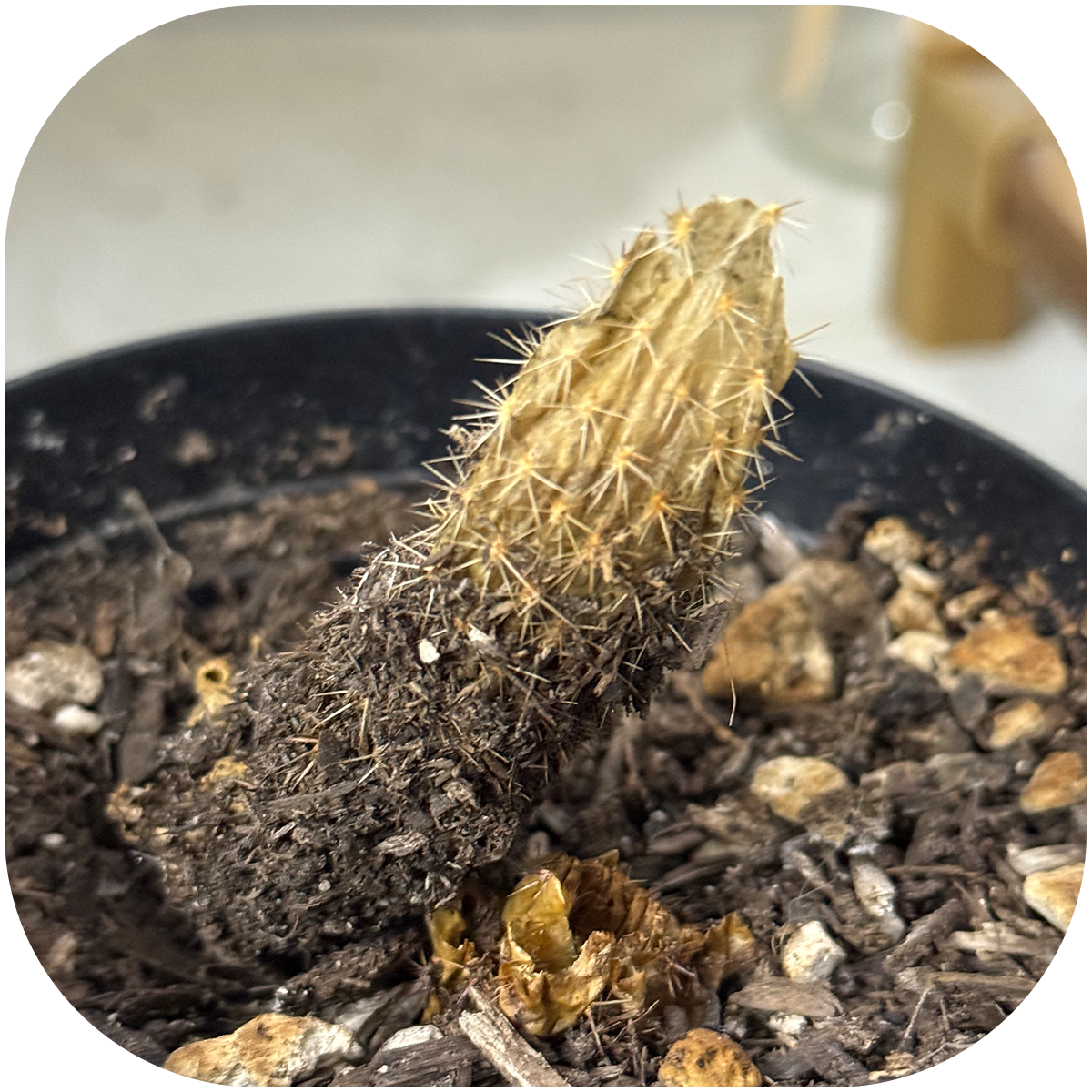
Day 3: The Not-So-Fly Cacti
Cause of Death: A Thirst Too Long Ignored
This Euphorbia met its end not by drowning, but by drought. Though we often fear overwatering, the pendulum can swing too far—neglect can be just as deadly. Once vibrant and spiny, this “not-so-fly” cacti withered away, its thirst unanswered until it was too late. 🌵💔💀
Lesson from the Graveyard:
Even the toughest desert dwellers need a drink. While Euphorbias (and cacti alike) are built to endure harsh conditions, they’re not indestructible. Survival still requires care:
- Check moisture levels at the roots—don’t just assume dryness is safe.
- Provide infrequent but deep watering, allowing soil to dry properly in between.
- Remember: prickly doesn’t mean unlovable.
Rest easy, dear Euphorbia. May your next desert be kinder, with roots quenched just in time.
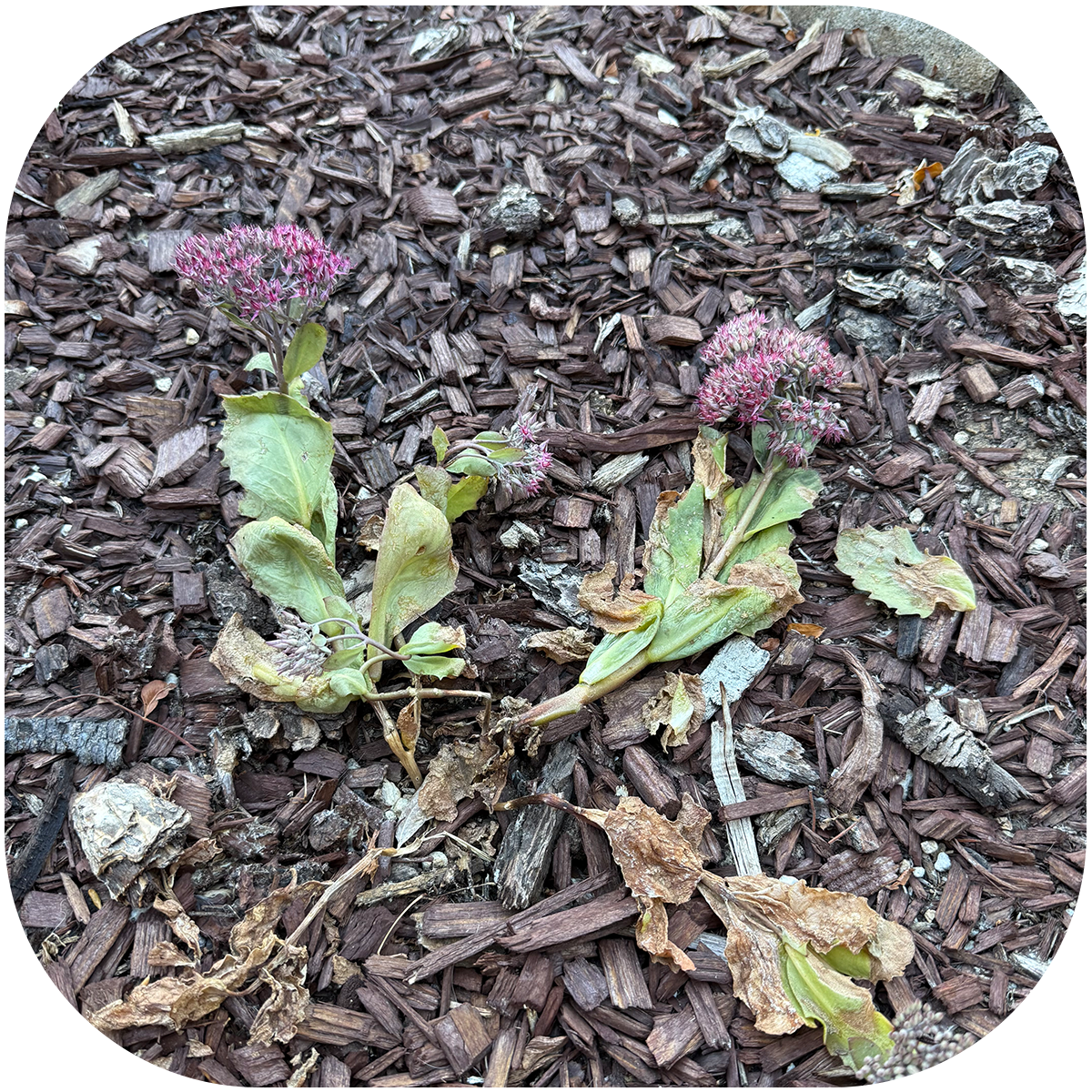
Day 4: The Sedum That Didn’t See It Coming
Cause of Death: A Doggone Disaster
This poor Sedum never stood a chance. Unlike its indoor cousins, outdoor plants face all sorts of lurking threats—but no one predicted this one. Its fate was sealed not by weather, pests, or neglect, but by the unsuspecting paws (and nap schedule) of a Moana Nursery teammate’s dog. When questioned, the pup reportedly shrugged and said: “I didn’t see-dum there.” 🐾🌱💀
Lesson from the Graveyard:
Gardens aren’t just for plants—they’re playgrounds for our furry friends, too. The key is helping both coexist in peace:
- Protect young or vulnerable plants with stakes or temporary fencing.
- Create designated pet zones to divert curiosity.
- Always remember: pets need love and freedom, but plants need protection.
Rest in flattened peace, dear Sedum. Your story reminds us that sometimes the scariest monster in the garden is… the family dog.
Day 5: Aloe Goodbye
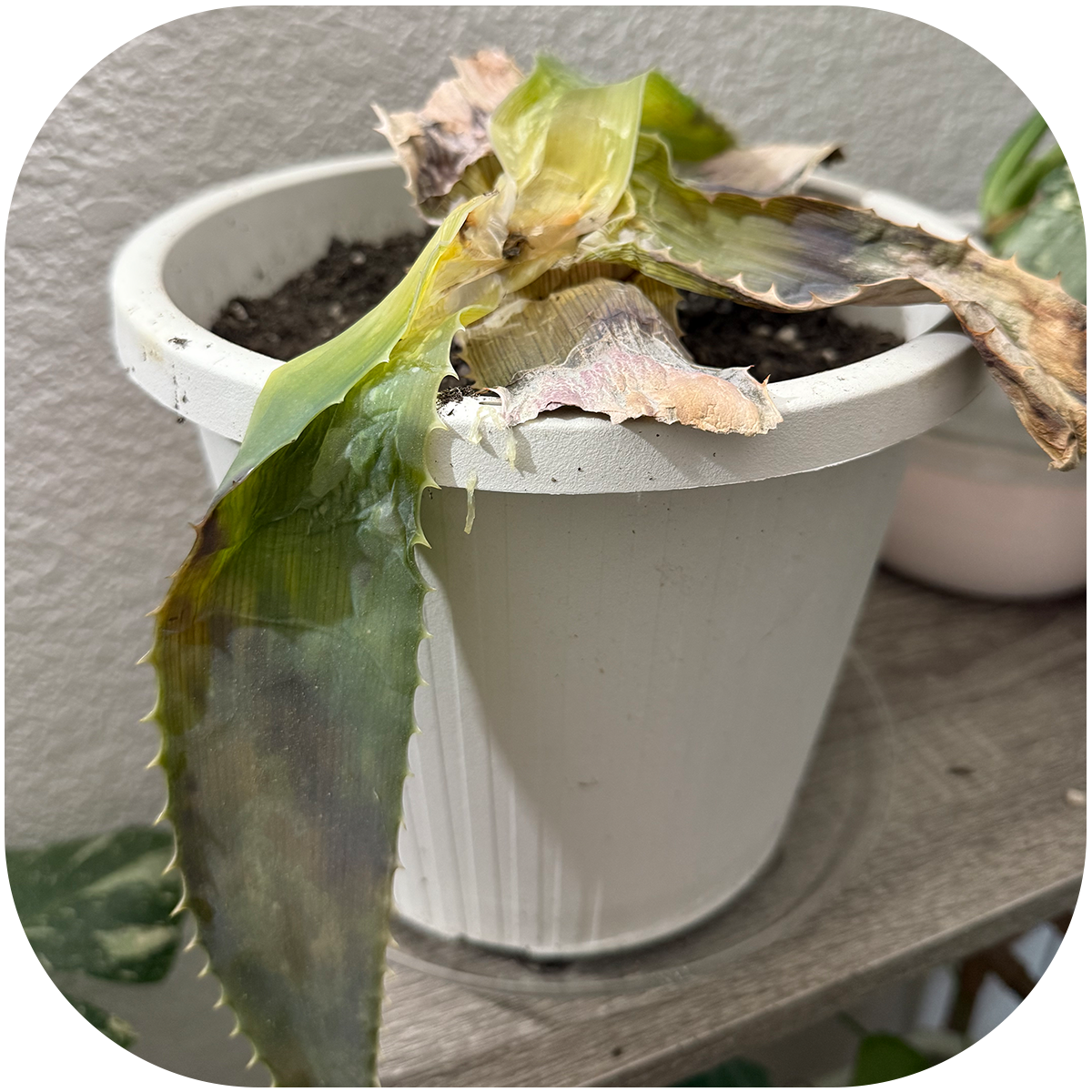
Cause of Death: A Fatal Potting Choice
This Aloe Vera never saw it coming. Thriving one moment, doomed the next—its fate was sealed not by neglect, but by the vessel chosen to hold it. Originally planted in a deep, square pot with just a single, tiny drainage hole, this Aloe’s days were numbered. Though valiant repotting attempts were made, the resuscitation failed, and our green friend slipped away. 🌿⚰️
Lesson from the Graveyard:
Even the strongest succulents can’t survive the wrong foundation. Aloe Vera, with its shallow, delicate root system, needs the right pot to call home:
- Choose wide, shallow containers with ample drainage.
- Remember that water always gravitates downward—roots sitting too high in deep soil may stay thirsty even when the pot looks “watered.”
- A poor pot can be the beginning of the end—so choose wisely.
Rest in sandy peace, dear Aloe. May your next container be wide, shallow, and just right.
Day 6: In Memory of Monstera
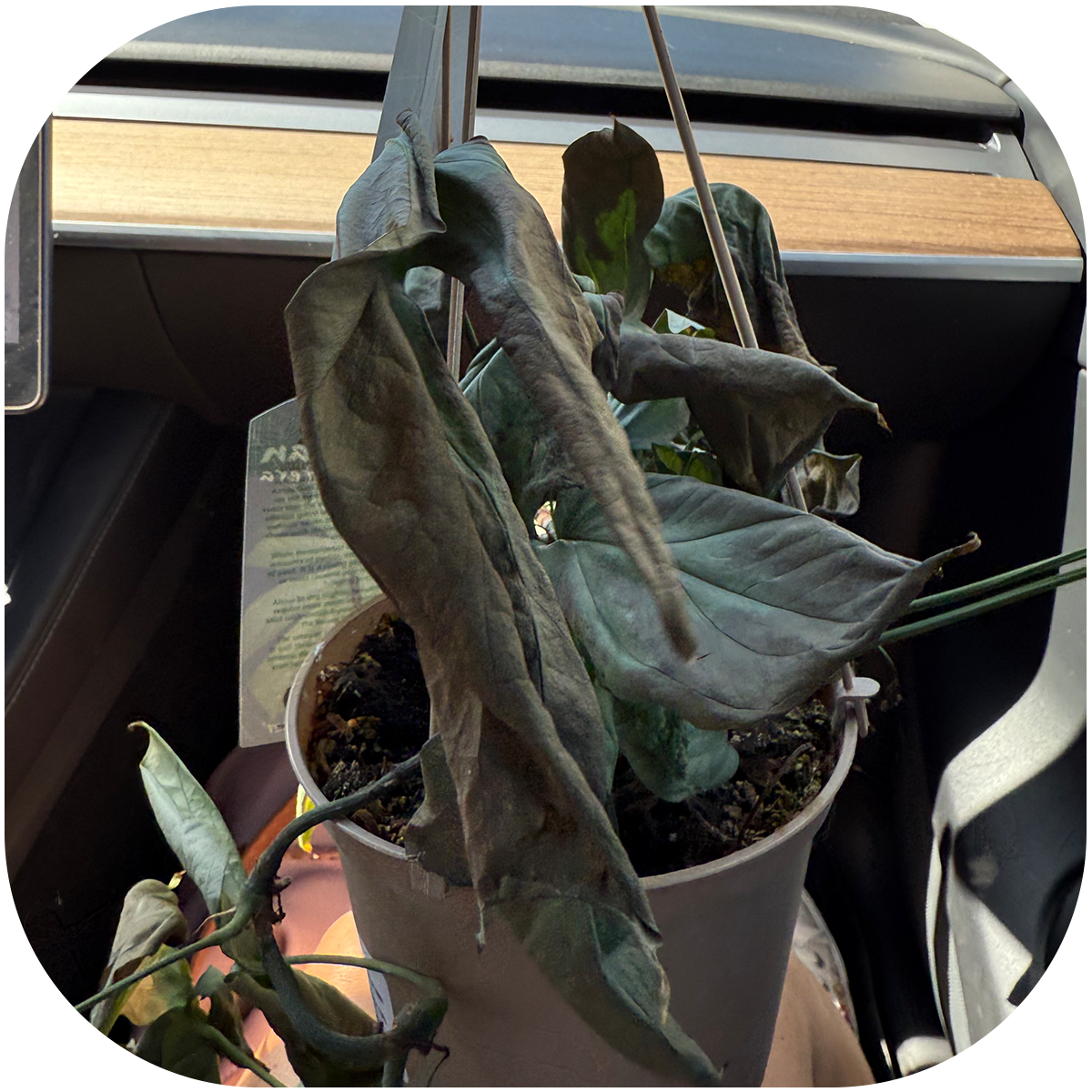
Cause of Death: A Cruel Car Ride
This Monstera’s story is one of short-term neglect with long-term consequences. A seasoned plant expert, against their better judgment, listened to a well-meaning spouse who insisted, “It’ll be fine to wait in the car for a while.” But even with a window cracked, the car became a greenhouse of doom. Like pets or children, plants cannot endure the extreme, stifling conditions of being left unattended inside a vehicle. This Monstera never made it home. 🚗💀🌱
Lesson from the Graveyard:
When it comes to plant care, always trust your instincts—especially when you know better:
- Never leave plants in the car, even temporarily.
- Extreme heat or cold can devastate a plant in minutes.
- Listen to your inner gardener… not always your spouse. 😉
Rest in leafy peace, dear Monstera. Your story reminds us that sometimes the deadliest thing in gardening is misplaced trust.
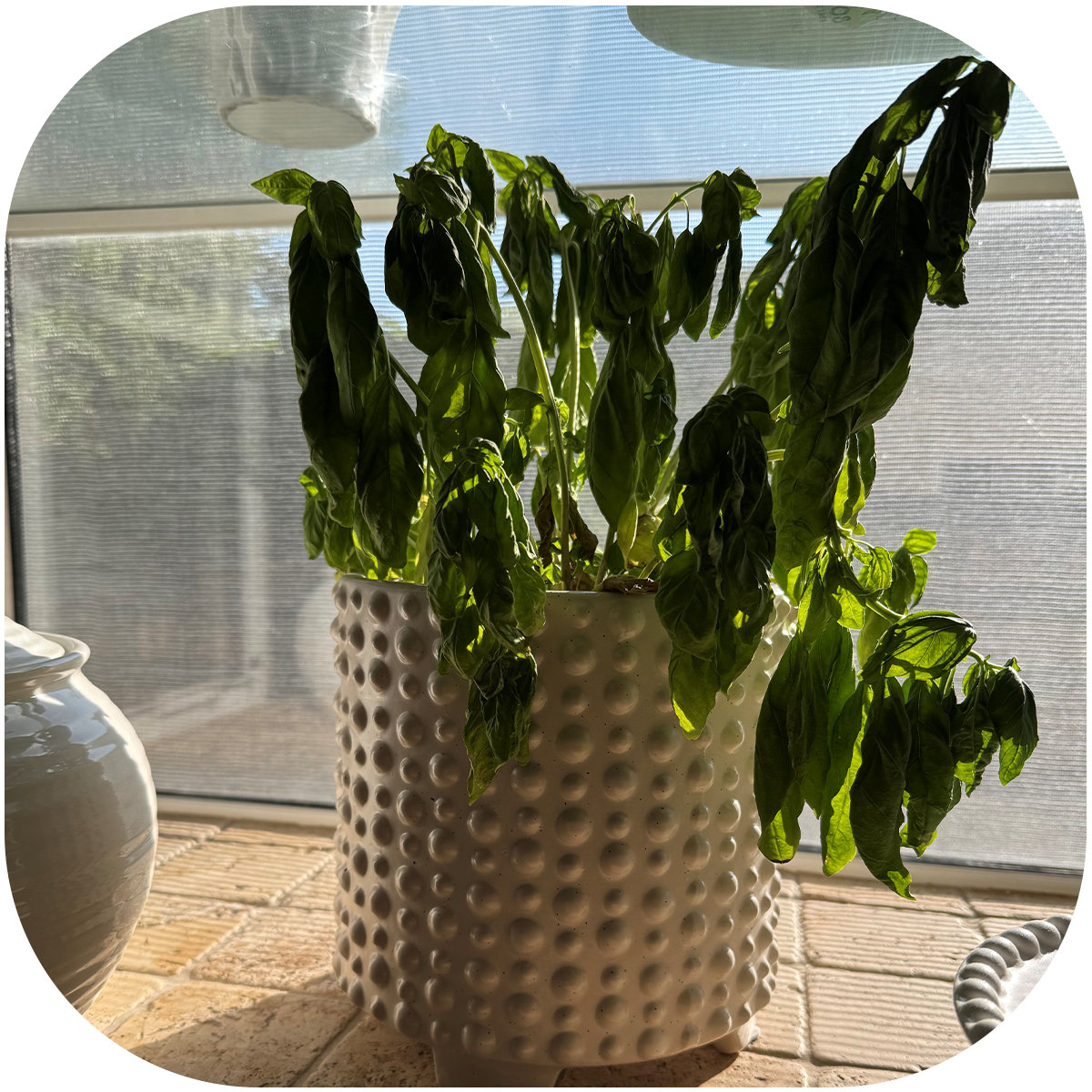
Day 7: Basil of Burden
Cause of Death: A Chill in the Night
This poor Basil carried the burden of the high desert’s fickle weather. Though we may never know the exact cause of its passing, the evidence points to low nighttime temperatures—or perhaps a sudden cold front—that proved too much for its tender leaves to bear. While hardy in flavor, basil is far from hardy in the face of the cold. 🌿🥀❄️
Lesson from the Graveyard:
Tender plants need protection in climates where warm days give way to frigid nights:
- Always check the highs and lows in the forecast.
- If temps dip too low, bring plants indoors overnight.
- For outdoor growers, a simple frost blanket can be the difference between life and death.
Rest in fragrant peace, dear Basil. May your next season be forever warm and your leaves never burdened by the cold.
Day 8: Peperomia in the Shadows
Cause of Death: Low Light Syndrome
This Peperomia’s life dimmed slowly, fading into the shadows until it could no longer hold on. With so many light requirements—direct, indirect, low, bright—the care guides can be confusing, and even our experts occasionally miss the mark. In this case, it was simply too little light for too long, and the Peperomia slipped quietly into the dark. 🌑🌿💀
Lesson from the Graveyard:
Light isn’t static—it shifts with the seasons and the Earth’s orbit. A happy spot in summer may become a gloomy corner in winter:
- Monitor light levels throughout the year.
- Don’t be afraid to rearrange your plants as the sun shifts.
- Consider grow lights as seasonal “sun substitutes” to keep your plants thriving.
Rest in peaceful shadow, dear Peperomia. Your story reminds us that sometimes, the brightest lesson comes from the darkest corner.
Day 9: The Listless Lily
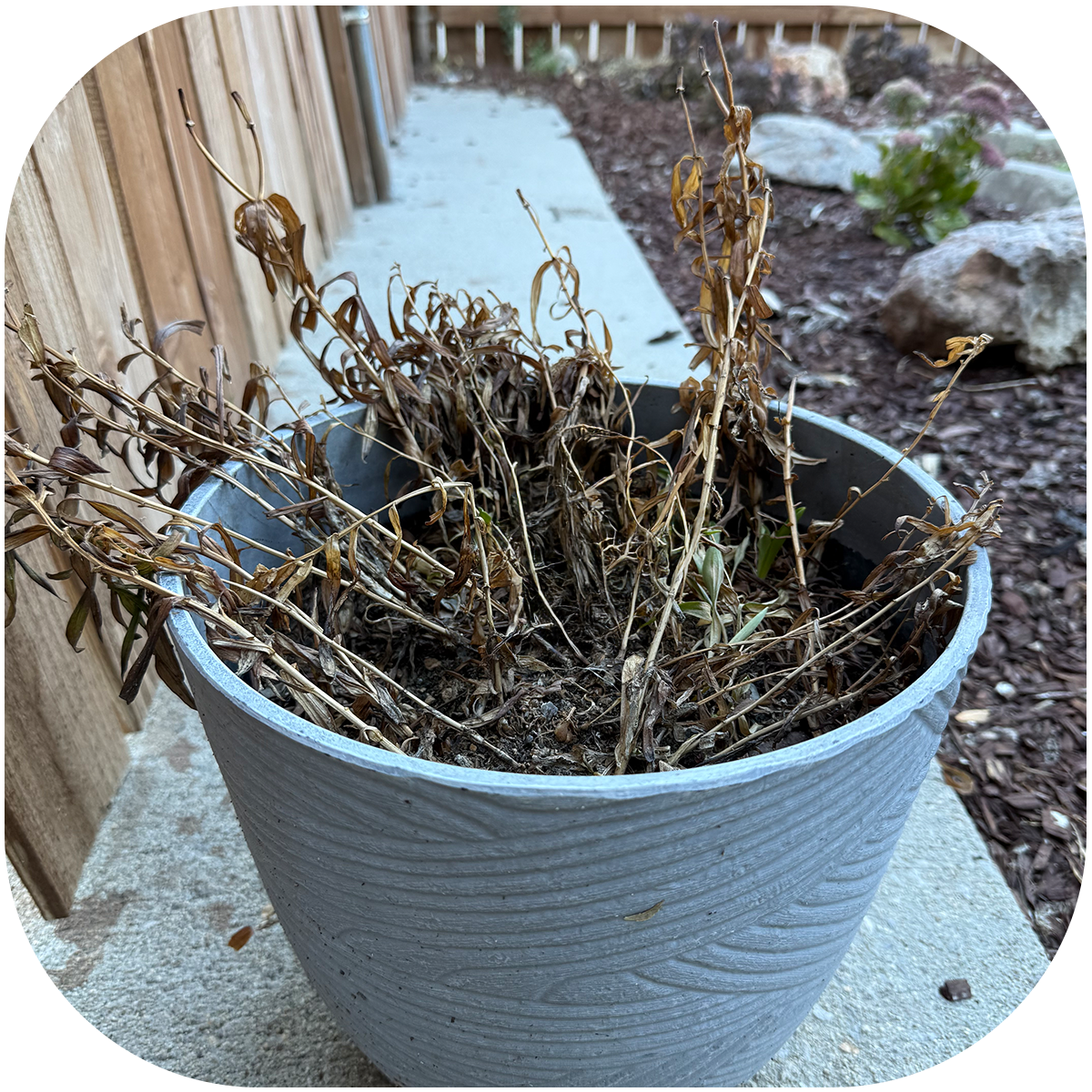
Cause of Death: No Escape, No Drainage
This lily, once full of life and promise, met a watery demise in what should have been a safe new home. Repotted with love into a “repurposed” container, our teammate was certain the drainage was adequate—but after a few days of sprinklers and standing water, the truth surfaced. By the time the problem was discovered, the damage was done. Despite a valiant rescue attempt, the once lustful Lily had already drowned. 🌸💧⚰️
Lesson from the Graveyard:
Even the prettiest pot can become a plant’s coffin without proper drainage:
- Make sure your containers have multiple holes, especially larger pots.
- For plastic pots, a simple nail or drill can add life-saving drainage.
- For ceramic or clay, a special drill bit can do the trick.
- Remember: thrift and style are great, but roots need freedom to breathe.
Rest in soggy peace, dear Lily. May your next vessel be full of life, not water.
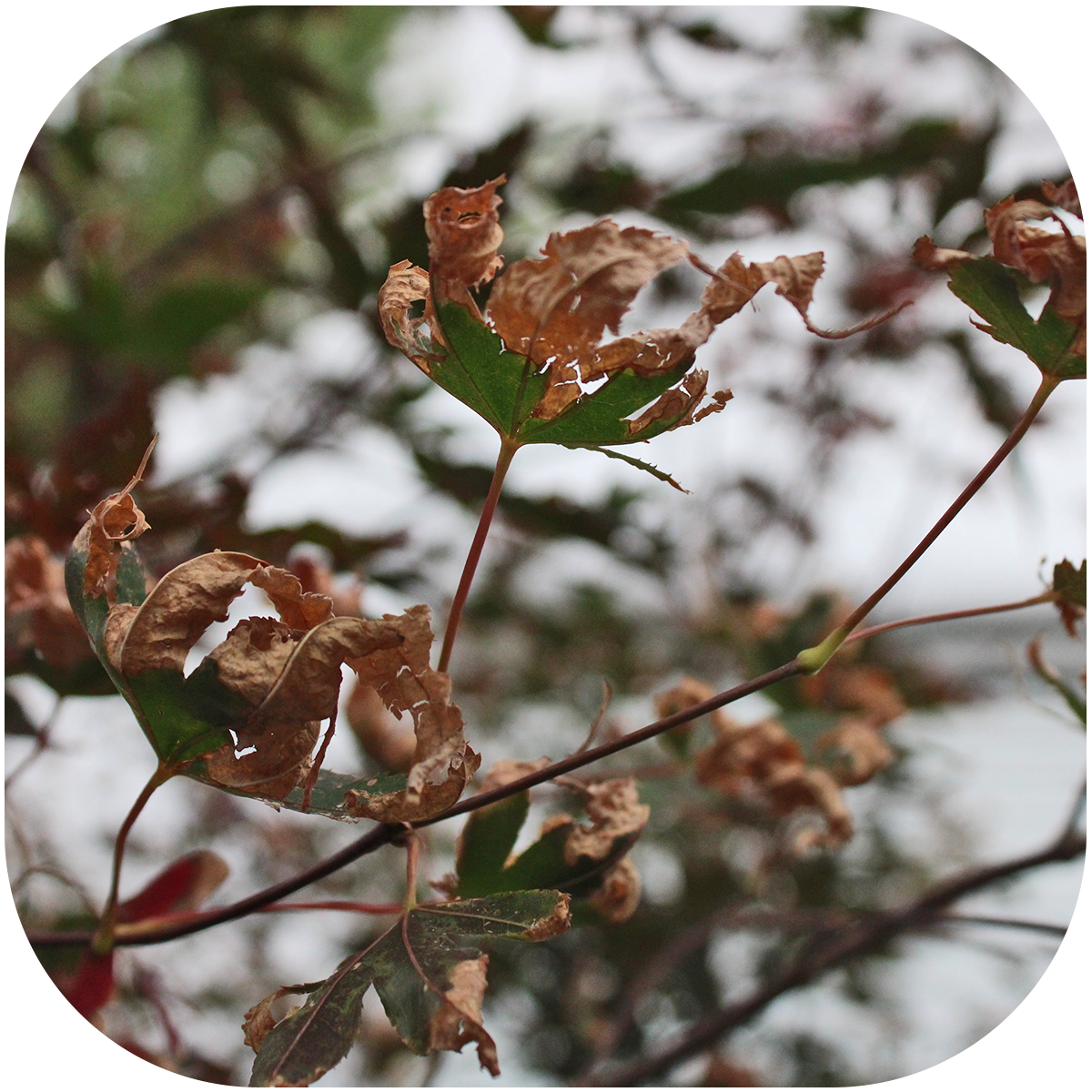
Day 10: The Scorched Maple
Cause of Death: Fried by the Sun
This Japanese Maple, a true shade seeker, fell victim not to neglect, but to the merciless rays of Mother Nature. Our teammate knew this tree’s preference for dappled shade, but when its leafy neighbor dropped cover, the sun blazed down without mercy. Scorched, crisped, and dried, this once-lustrous maple met its fiery fate. 🌞🔥🌿
Lesson from the Graveyard:
Sunlight can be friend or foe—too little brings weakness, too much brings ruin:
- Don’t rely solely on other plants for shade—they can shed leaves and abandon their post.
- Protect shade-loving friends with permanent structures, like pergolas or fences.
- In hot spells, add shade cloth, banners, or umbrellas for extra defense.
Rest in crispy peace, dear Maple. Your story is a reminder that sometimes, even the sun can be a killer.
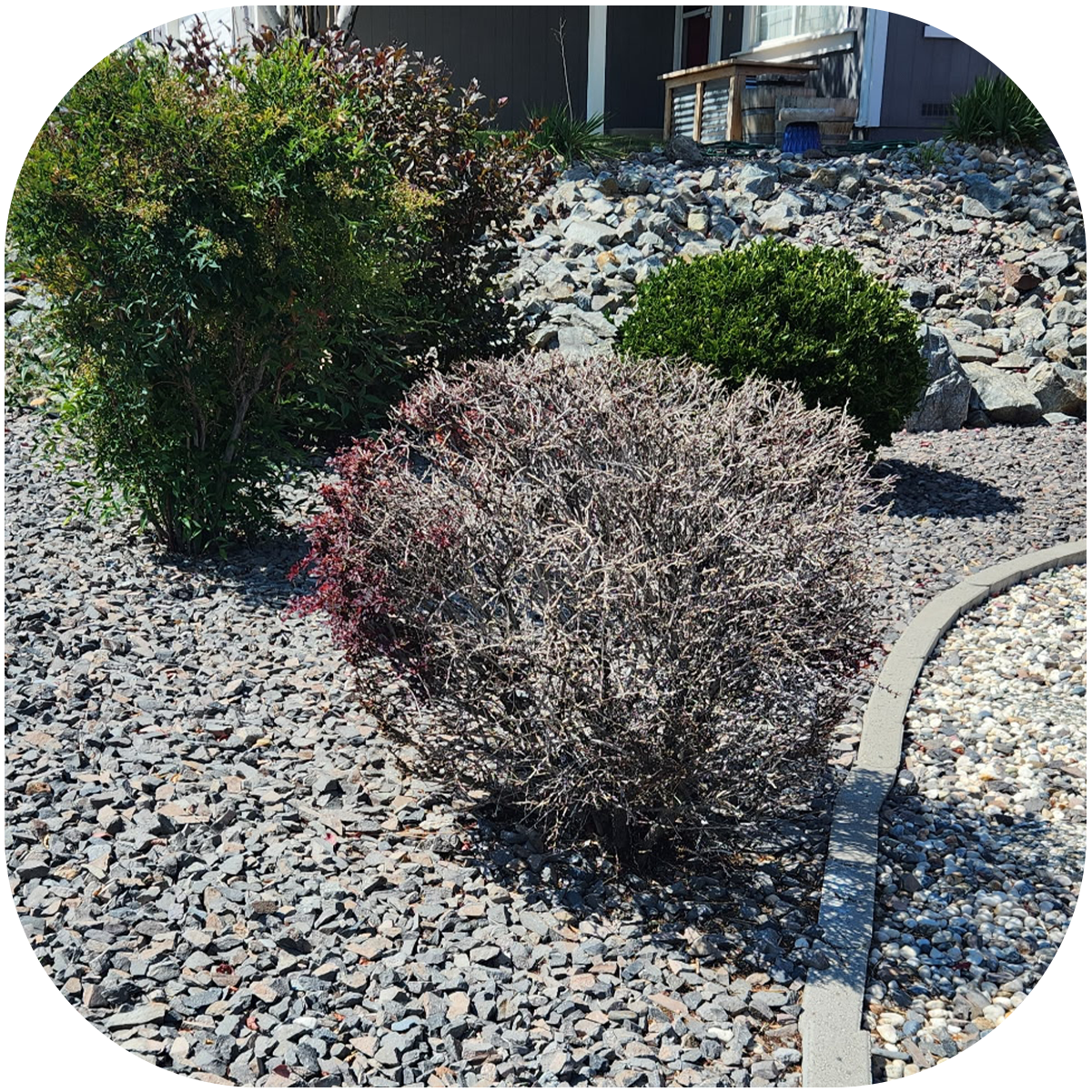
Day 11: The Barberry That Didn’t Make It
Cause of Death: A Drip Gone Dry
This Barberry was set up for success—or so it seemed. Safely hooked up to a drip irrigation system, it should have thrived in the high desert. But even the fanciest systems can fail us. Somewhere between clogged emitters, defective parts, or sneaky roots invading the tubing, this Barberry’s water never reached its roots. By the time the problem was discovered, the shrub had already slipped away. 🌿🚱💀
Lesson from the Graveyard:
Drip systems are the gold standard for high desert gardening, but they’re not foolproof:
- Check emitters regularly to ensure they’re flowing.
- Watch for clogs, cracks, or root intrusions.
- For large trees and shrubs, consider multiple emitters to ensure coverage.
Rest in parched peace, dear Barberry. Your story is a reminder that even the best tools still require a watchful eye.
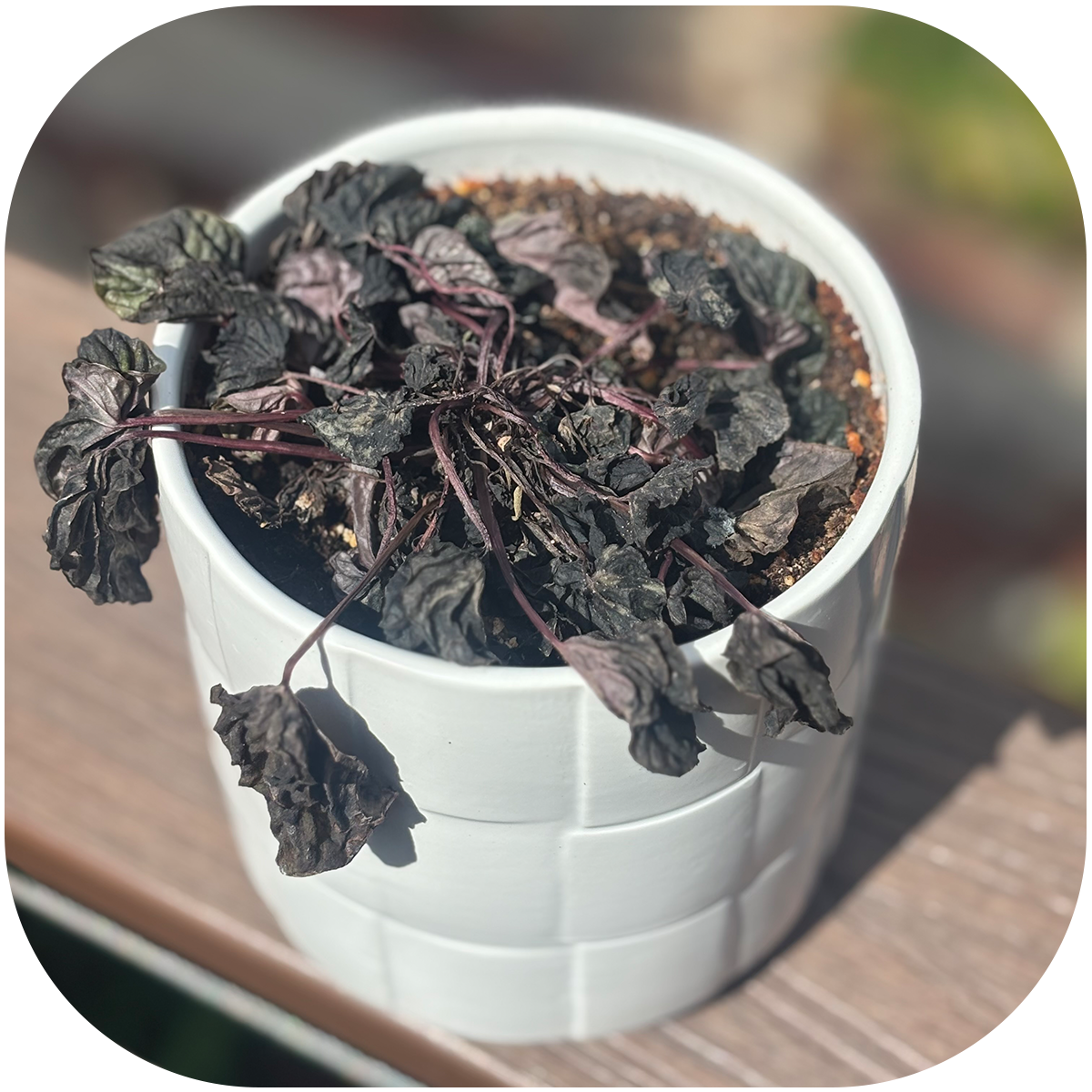
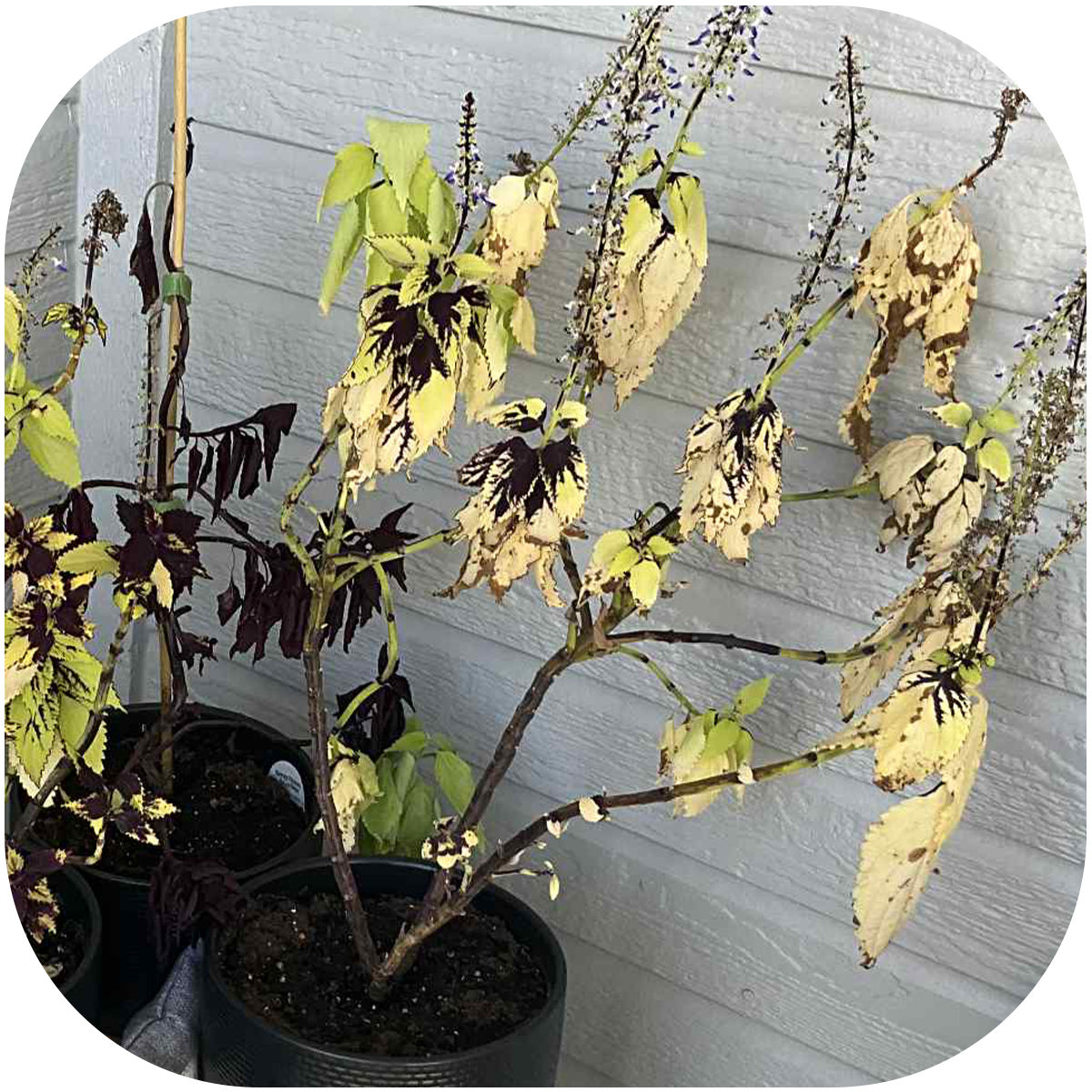
Day 12: The Coleus in Shock
Cause of Death: Transplant Trauma
This Coleus met its end not from neglect, pests, or poor care, but from something far sneakier—transplant shock. Planted alongside two siblings in identical pots, only one failed to take root. It makes no sense at first glance—same soil, same pot, same care. But moving is traumatic, and sometimes one plant simply doesn’t recover from the stress. 🌱⚡💀
Lesson from the Graveyard:
Transplant shock is real, and even seasoned gardeners can lose a plant to it:
- Always use a starter fertilizer or additives like SuperThrive when planting or repotting.
- Provide a gentle environment—consistent water, stable temps, and low stress.
- Remember: some plants are resilient, others… not so much.
Rest in colorful peace, dear Coleus. May your next move be gentle, smooth, and shock-free.
Day 13: The Rotten Pothos Twins
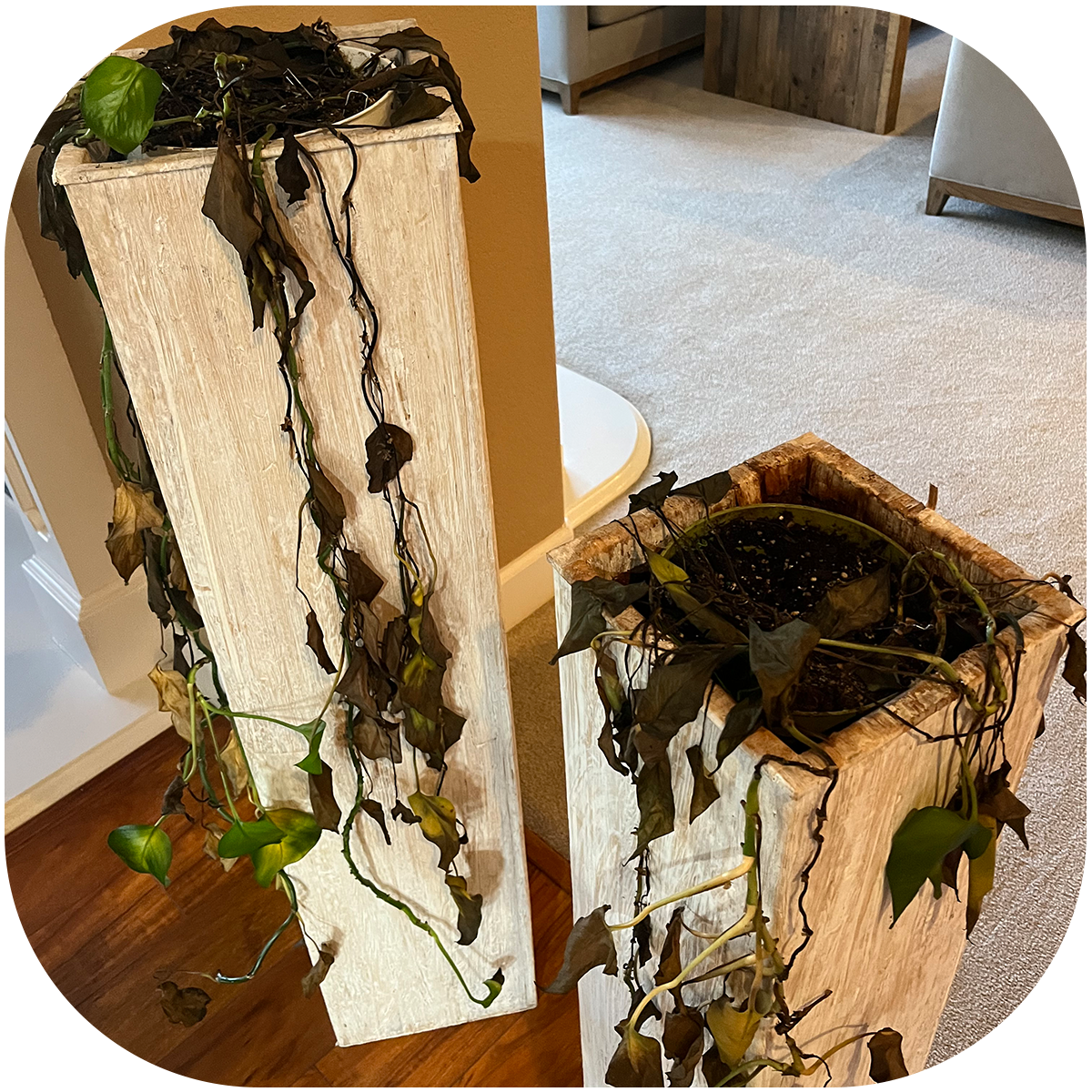
Cause of Death: Root Rot’s Revenge
Our final tale is a double tragedy—two Pothos siblings, gone too soon. Though adored and cared for, their roots sat too long in standing water, where unseen forces took hold. Root rot crept in silently, and before long, both vines were claimed by decay. 🌿☠️🌿
Lesson from the Graveyard:
No matter how you water—top-down, bottom-up, self-watering systems—roots must never linger in stagnant water. Standing water is a bacterial minefield, and rot takes root faster than you think:
- Be extra cautious with decorative pots, drip trays, wick systems, and seasonal foils.
- Ensure proper drainage and airflow around the root zone.
- Cute containers may charm the eye, but without function, they can be fatal.
Rest in wilted peace, dear Pothos Twins. Your story is a haunting reminder that what lies beneath the soil matters most.
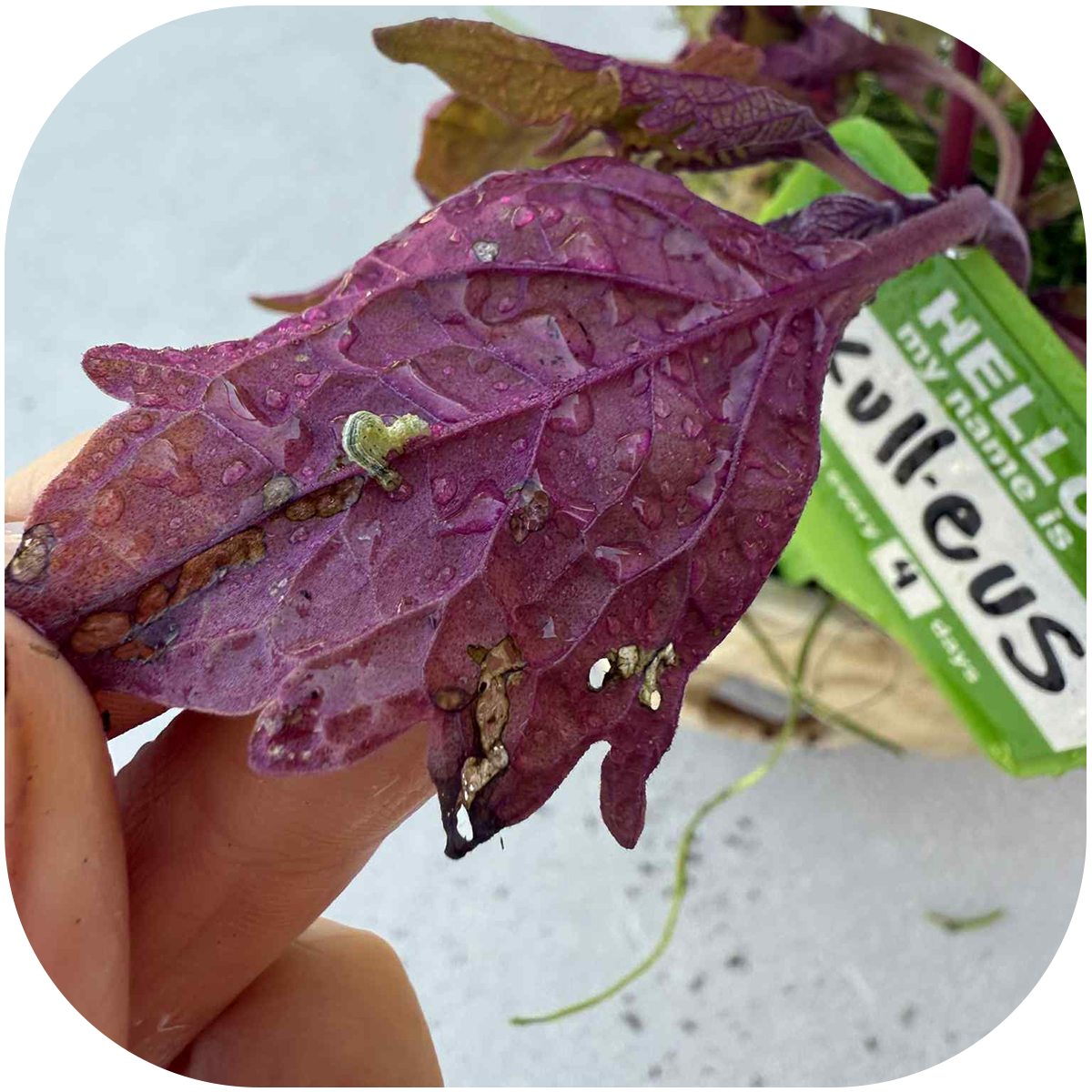
Honorable Mention: Close Call: The Coleus Survivor
Cause of Almost Death: An Inch-Worm Invasion
This Coleus nearly met its end at the jaws of a single, hungry inch-worm. Leaf by leaf, the pest began its feast, but luckily, the damage was spotted early. The worm was plucked, the plant was spared, and our Coleus lives on to tell the tale—a rare survivor in the Days of the Dead Plants. 🐛🌿✨
Lesson from the Graveyard (Almost):
Pests don’t need armies—just one can bring a plant to its knees. Protect your green friends before it’s too late:
- Inspect leaves often for holes, spots, or chew marks.
- Keep foliage clean and free of debris, where pests like to hide.
- Add systemic pest preventers to the soil to safeguard your plants from the inside out.
Survival is sweet, Coleus. May your brush with death remind us all that vigilance is the best defense.